Beyond the Buzzword: Unpacking Transcranial Magnetic Stimulation Science
Why non-invasive depression treatment in Florida matters
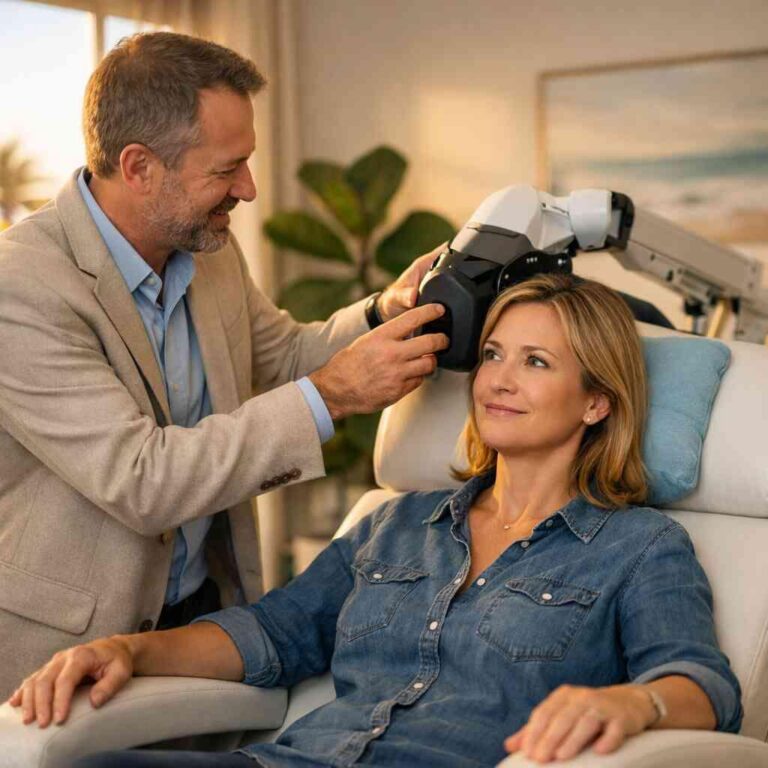
Transcranial magnetic stimulation science has moved from laboratory curiosity to lifesaving practice for countless Floridians. Many residents still struggle with major depression despite diligent use of medication and talk therapy. A proven, non-invasive depression treatment Florida clinics provide is TMS, because no anesthesia is needed and systemic side effects stay minimal. Families value that sessions happen while the patient remains awake, allowing immediate return to normal daily routines. This practical advantage empowers individuals to seek care without pausing careers, caregiving duties, or academic goals.
The state’s mental-health statistics reveal rising demand for innovative neuromodulation solutions targeting mood disorders. Coastal living and vibrant urban centers sometimes mask hidden battles with despair and anxiety. By offering drug-free depression treatment options, TMS clinics reduce dependence on long pharmacologic trials that may cause weight change, fatigue, or sexual dysfunction. Community physicians now refer earlier in the treatment algorithm, recognizing TMS as frontline rather than last-resort therapy. Consequently, Florida builds a reputation for cutting-edge, patient-centered care.
From skepticism to evidence-based mood disorder therapies
Early critics feared that magnetic pulse therapy for anxiety or depression lacked rigorous proof compared with pharmaceuticals. However, randomized controlled trials now demonstrate robust remission rates, validating the technique across diverse populations. Peer-reviewed journals consistently report enhanced neuroplasticity and stable symptom relief extending months beyond the final session. Insurance carriers have noticed these objective outcomes and therefore, expand coverage, encouraging more primary providers to recommend TMS before chronic disability develops. As evidence grows, skepticism transforms into confident clinical adoption throughout South Florida.
Moreover, professional organizations like the American Psychiatric Association update guidelines to include FDA-cleared TMS devices for resistant depression, OCD, and nicotine addiction. Continuing education courses teach therapists how TMS rewires brain circuits by modulating cortical excitability without inducing seizures. Multidisciplinary conferences in Miami and Orlando highlight success stories, encouraging cross-state collaboration. Patients once skeptical now share experiences online, further accelerating acceptance. This virtuous cycle drives investment in newer coil designs and personalized stimulation algorithms.
Our vision at TMS Treatment Florida clinic
Our team envisions a future where every resident can access personalized brain stimulation pathways regardless of diagnosis complexity. We pursue this goal by integrating measurement-based care, compassionate coaching, and the mission of TMS Treatment Florida clinic philosophy of whole-person wellness. Each incoming patient receives a comprehensive evaluation, including lifestyle factors influencing cortical plasticity, to build a bespoke protocol rather than relying on generic settings. Because brains differ like fingerprints, individualized mapping maximizes response while minimizing burden. Continuous outcome monitoring ensures protocols adapt as symptoms evolve.
Partnerships with local psychotherapists, nutritionists, and sleep specialists fortify results long after stimulation ends. We also educate families about neuroplasticity and TMS, demystifying the process so support networks stay engaged. When appropriate, we discuss complementary approaches such as ketamine therapy in Florida to create synergistic plans. By leading with empathy and transparent science communication, our South Florida mental health center builds enduring trust. Ultimately, we aim to normalize advanced neuromodulation the way eyeglasses normalized vision correction decades ago.
Magnetic Pulse Mechanics: How TMS Rewires Brain Circuits
Electromagnetic fields and neuroplasticity explained simply
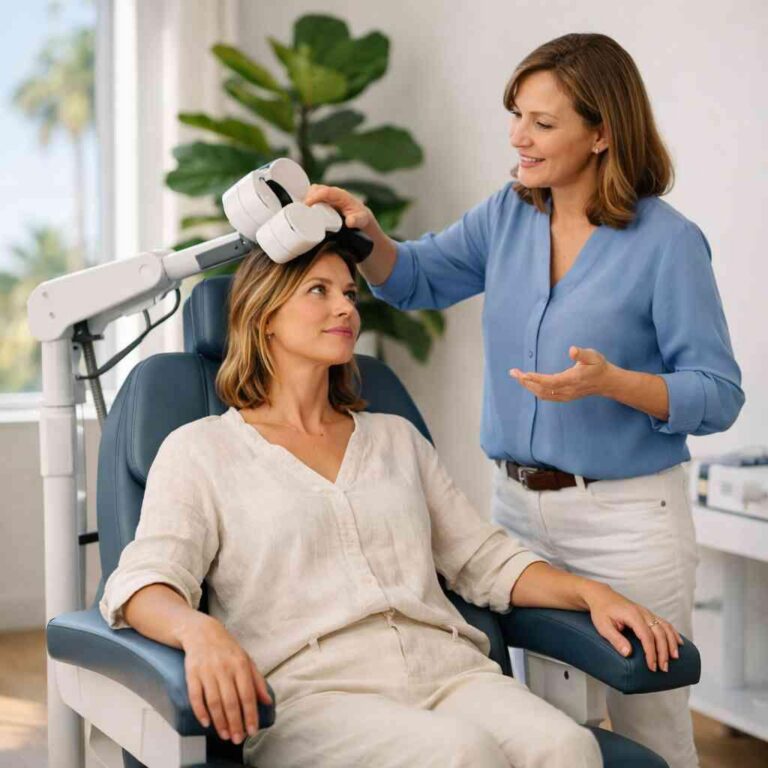
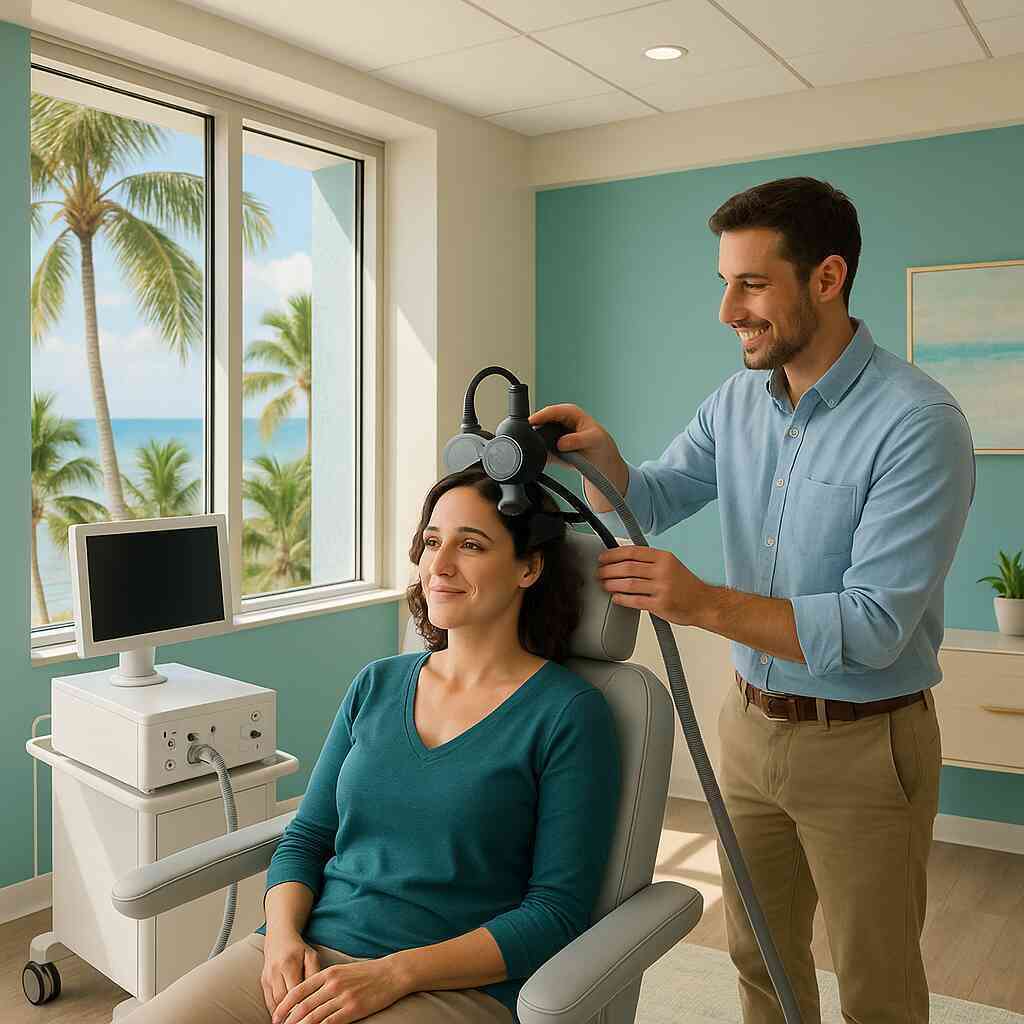
Magnetic coils positioned near the scalp generate focused fields that penetrate only a few millimeters into cortical tissue. Those fields induce electric currents that depolarize neurons, much like flipping a tiny biological switch. When delivered repetitively, stimulation triggers long-term potentiation, the cellular basis of neuroplasticity and TMS success. Synapses then remodel, creating lasting mood improvements long after the chair sessions end. Because pulses never reach critical seizure thresholds, safety remains high and comfort remains paramount.
Every brain region communicates through timing, amplitude, and pattern. TMS nudges these variables back toward optimal ranges by entraining oscillations in the prefrontal cortex. Research confirms that synchronized gamma and theta waves correlate with improved emotional regulation and executive function. Patients often describe clearer thinking within several weeks, evidence that neuroplasticity and TMS operate hand in hand. Clinicians monitor progress using rating scales and adjust intensity to maintain therapeutic momentum. Over time, neural architecture literally reorganizes toward wellness.
Deep TMS for OCD relief and anxiety modulation
Standard coils reach superficial layers, yet obsessive thoughts often originate in deeper limbic loops. Deep TMS uses specialized helmet designs to penetrate two centimeters farther, influencing the anterior cingulate and striatum. Early skepticism faded as randomized trials revealed significant symptom cuts for both OCD and generalized anxiety. By dampening hyperactive error-monitoring circuits, patients gain freedom from relentless rumination and panic. Importantly, deep stimulation still avoids anesthesia, preserving the hallmark convenience of outpatient care.
The protocol includes gradual intensity ramps, minimizing discomfort while ensuring adequate field strength. Many Floridians finish sessions during lunch breaks, then return to work with no downtime. Our clinicians also offer mindfulness coaching to reinforce the calmer brain state achieved in the chair. For detailed techniques, see our overview of deep TMS strategies for OCD relief now driving statewide innovation. Integrating lifestyle changes alongside magnetic pulse therapy for anxiety promotes durable, multifaceted recovery.
Personalized TMS protocols versus one-size-fits-all all
No two cortices share identical folds or connectivity maps, so cookie-cutter settings risk underdosing crucial targets. Our South Florida mental health center starts every case with MRI-guided neuronavigation to locate each client’s dorsolateral prefrontal cortex precisely. We then fine-tune frequency, train duration, and coil orientation to match individual thresholds. This bespoke method exemplifies personalized TMS protocols that outperform generic approaches on remission rates and speed.
Continuous feedback loops enhance precision further. Weekly symptom tracking, cognitive tests, and sleep metrics inform subtle parameter tweaks that keep plasticity progressing. Patients feel heard, and data drive rapid course corrections if plateaus emerge. Such responsiveness epitomizes modern, patient-centered care and reinforces trust in evidence-based mood disorder therapies. Ultimately, individualized mapping maximizes benefit while minimizing side effects of TMS therapy, setting new standards for neuromodulation excellence.
FDA-cleared TMS devices are powering innovation
The Food and Drug Administration grants clearance only after rigorous safety and efficacy reviews. Current FDA-cleared TMS devices utilize advanced cooling systems, quieter pulse generators, and adaptive software that maintains field consistency. These upgrades reduce session length, allowing more patients to receive care without long waiting lists. Furthermore, built-in monitoring safeguards automatically pause stimulation if impedance changes occur, preserving patient comfort and clinician confidence.
Innovation accelerates as manufacturers integrate artificial intelligence that suggests optimal coil placements based on large datasets. Such tools align with principles of neurostimulation science and support clinics in delivering standardized yet customizable protocols. Florida practitioners participate in multicenter trials comparing next-gen coils to legacy models, keeping our region at the cutting edge. As devices evolve, accessibility widens, reinforcing TMS therapy explained simply: targeted magnetism, trustworthy engineering, and life-changing neuroplasticity.
Clinical Powerhouse Comparing TMS vs Antidepressant Medication and Ketamine Therapy
Side effects of TMS therapy in real-world practice
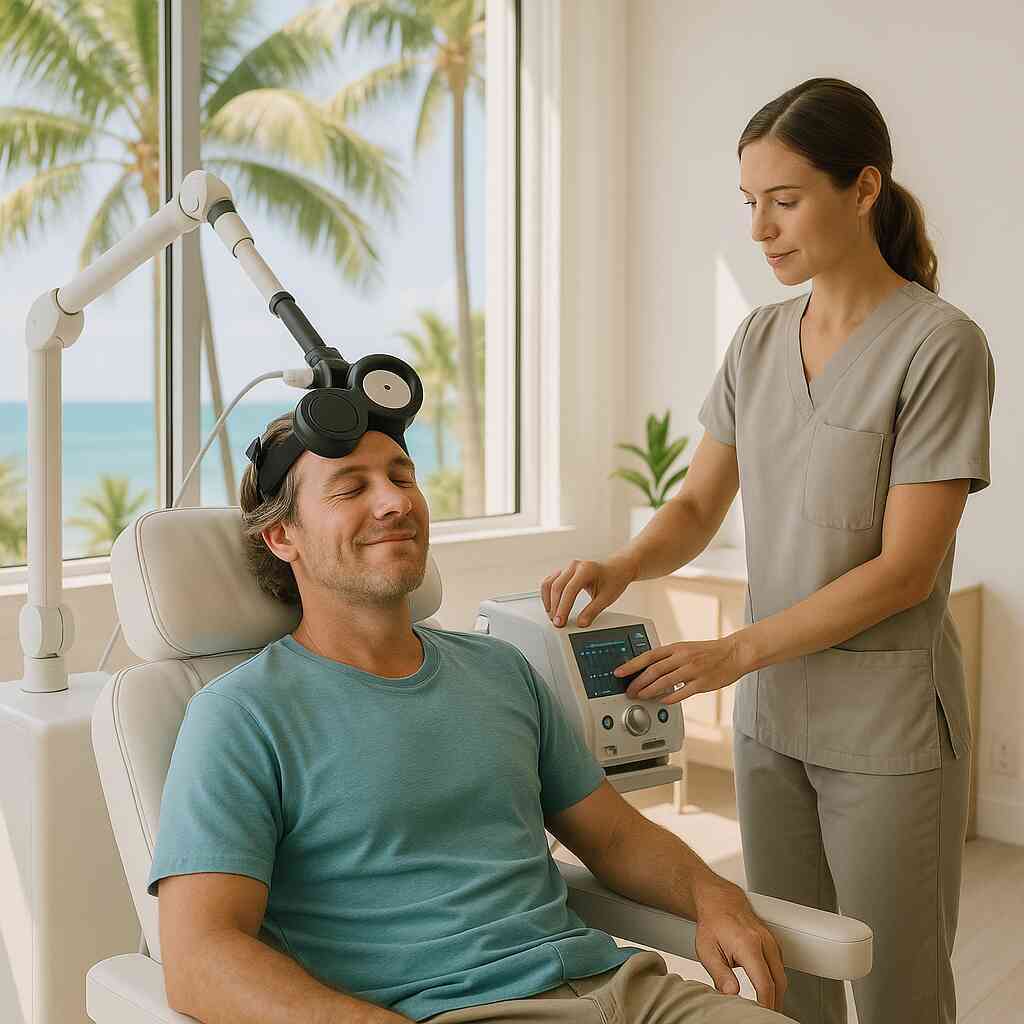
Transcranial magnetic stimulation remains famous for its gentle profile, yet patients still ask about comfort and risks. The most common side effects of TMS therapy include mild scalp tingling or fleeting headaches that fade within hours. Because pulses target only cortical tissue, systems like digestion, libido, and alertness stay unchanged, unlike many pills. Nobody needs a ride home, since cognition remains sharp and driving ability stays intact after sessions. These practical advantages reassure families searching for non-invasive depression treatment Florida residents can trust.
Antidepressant medication often helps, yet trade-offs can overwhelm fragile motivation. Weight gain, sexual dysfunction, and daytime fatigue discourage adherence and spark premature discontinuation. In contrast, TMS produces no hormonal shifts or metabolic burden, so fitness goals remain possible during care. When patients avoid sedating drugs, they engage more fully in work, exercise, and social events, accelerating recovery. Real-world studies confirm higher completion rates for TMS compared with multi-drug regimens.
Brain stimulation for bipolar disorder and chronic pain
Many people assume neuromodulation benefits only unipolar depression, but evidence now expands beyond mood. Targeted sessions deliver brain stimulation for bipolar disorder by modulating prefrontal-limbic balance, reducing depressive swings without triggering mania. Our clinicians adjust frequency and duty cycle cautiously, respecting each person’s polarity history and medication plan. Patients report fewer mixed episodes and an improved ability to recognize early warning signs. Relief fosters confidence that long-term stability is attainable.
Pain researchers also explore magnetic pulses to calm sensory pathways amplifying chronic discomfort. As cortical excitability normalizes, pain catastrophizing diminishes and physical therapy becomes tolerable again. This dual effect improves both movement and mood, especially for patients who experienced opioid side effects. One comparative study showed additive gains when neuromodulation accompanied mindfulness training focused on body awareness. The future likely blends TMS with wearable sensors that track pain thresholds in real time.
Combining TMS with psychotherapy for synergistic outcomes
Decades of data confirm that brain and mind interventions multiply each other’s strengths. While TMS primes neural circuits, cognitive-behavioral therapy teaches skills that anchor new synaptic patterns. Patients who schedule therapy sessions on stimulation days often describe deeper insights and faster emotional regulation improvements. Therapists notice quicker access to memories once guarded by rigid distress networks. The resulting momentum encourages adherence to homework assignments between visits.
Our South Florida mental health center coordinates calendars so providers exchange weekly progress notes. Personalized TMS protocols evolve alongside therapeutic milestones, ensuring pulses reinforce fresh coping strategies rather than outdated fears. This integrative rhythm respects whole-person wellness, letting sleep hygiene, nutrition, and exercise plans dovetail seamlessly. Families receive education packets explaining how neuroplasticity and TMS merge with talk therapy to create lasting change. Over months, that collaboration transforms symptom remission into sustained resilience.
Ketamine treatment Florida specialists on integration support
Some individuals still experience stubborn despair even after optimized stimulation and counseling. For these cases, ketamine treatment Florida providers offer rapid glutamatergic modulation that can unlock stalled progress. Short intravenous or intranasal sessions often brighten outlook within hours, granting hope while TMS builds durable circuitry. Our clinicians discuss eligibility, safety screening, and expected sensations during multidisciplinary case conferences.
When combining modalities, sequence matters. We typically maintain the morning TMS schedule and add afternoon ketamine therapy in Florida clinics with medical supervision. This spacing prevents sensory overload and allows reflection exercises between interventions. Patients receive journaling prompts to capture emerging insights, which psychotherapists later integrate into relapse-prevention plans. Ongoing studies of integrating ketamine and TMS in Florida suggest synergistic changes in both cortical connectivity and subjective vitality, pointing toward a new frontier in personalized psychiatry.
From Consultation to Aftercare: The Patient Journey at Our South Florida Mental Health Center
Optimal TMS session frequency and scheduling
Consistency drives neuroplasticity, so we recommend five sessions each week during the initial six-week phase. Research shows that concentrated dosing accelerates how TMS rewires brain circuits, reducing depressive symptoms faster than sporadic scheduling. Our center offers early-morning and evening slots, allowing professionals, caregivers, and students to maintain daily routines without interruption. When travel or illness threatens attendance, telehealth check-ins preserve therapeutic momentum and reinforce accountability. Patients appreciate this flexibility, citing improved adherence and stronger mood gains.
After the acute phase, frequency tapers to once or twice weekly, extending benefits while preventing relapse. These maintenance visits coincide with progress reviews, during which clinicians adjust coil orientation or pulse parameters as needed. We also synchronize psychotherapy appointments on stimulation days to maximize synergy between cognitive work and refreshed neural circuits. This strategic cadence exemplifies evidence-based mood disorder therapies that honor both science and everyday life. By respecting individual schedules, we uphold our mission of whole-person wellness.
Insurance coverage for TMS in the Florida landscape
Navigating coverage feels daunting, yet our financial advocates streamline the process with clear, compassionate guidance. They verify benefits, obtain prior authorizations, and explain deductible impacts in straightforward language. Many insurers now recognize TMS as a cost-effective, drug-free depression treatment on Florida’s coast, widening access for residents seeking non-pharmacologic care. Our team supplies outcome data and physician letters, accelerating approvals while minimizing paperwork stress. Patients often express relief, realizing recovery does not require financial sacrifice.
If a plan initially denies payment, we promptly file appeals supported by peer-reviewed studies and documented medication failures. Success rates climb because evidence overwhelmingly supports TMS vs antidepressant medication for resistant cases. Veterans’ programs, employer wellness funds, and flexible spending accounts further reduce out-of-pocket costs for qualified individuals. By championing policy literacy, we ensure finances never overshadow healing. Transparency at every step deepens trust and reinforces our clinic’s commitment to equitable mental health care.
Ongoing neuroplastic gains through at home brain health tools
Neuroplastic change continues after the final pulse, so we provide customized home protocols that reinforce new synaptic pathways. Clients receive digital workbooks detailing sleep hygiene, targeted nutrition, and breath-based vagal exercises that complement neuroplasticity and TMS gains. We also introduce wearable devices tracking heart-rate variability, offering real-time feedback on stress resilience. Patients eager for innovative support explore next-gen neuromodulation tools in Florida clinics, such as low-intensity photobiomodulation headbands, under clinician supervision. Each strategy extends clinic progress into bedrooms, offices, and gyms.
Regular virtual check-ins evaluate mood charts, cognitive task scores, and physical activity logs, allowing early intervention if setbacks appear. Our coaches adjust routines, suggesting mindfulness apps or resistance-training variations when motivation dips. Peer forums foster community, letting alumni exchange tips and celebrate milestones. This ecosystem transforms aftercare from passive observation into active brain fitness, sustaining uplifted moods without additional medication. Empowerment thrives when patients recognize daily habits as powerful allies.
When to consider Ketamine depression treatment in Florida
Despite diligent adherence, a subset of individuals still wrestles with stubborn depressive shadows. For these cases, we discuss the fast-acting potential of ketamine therapy in Florida, explaining pharmacology, safety protocols, and expected sensations. Our multidisciplinary board reviews eligibility, ensuring no contraindications or unmanaged medical conditions compromise care. Those approved may pursue a combined course, with morning stimulation followed by afternoon ketamine sessions to harness separate yet complementary mechanisms. Detailed consent underscores that integration remains optional and personalized.
We coordinate seamlessly with partner anesthesiologists, maintaining secure data exchange and unified outcome tracking. Patients and families review educational guides highlighting the advantages, challenges, and research behind integrating ketamine and TMS in Florida. Post-infusion debriefs capture insights that psychotherapists later weave into resilience training. Should mood stabilize, ketamine frequency decreases, and TMS maintenance continues safeguarding long-term balance. This thoughtful framework offers hope where previous options fell short, reaffirming our dedication to innovative neuromodulation solutions.
Charting New Neural Pathways Toward Lasting Wellness
Cutting-edge mental wellness tools on the horizon
Emerging technology continues to amplify innovative neuromodulation solutions beyond today’s clinic chairs. Accelerated theta-burst protocols deliver therapeutic pulses in minutes, freeing schedules for work, parenting, or study. Closed-loop stimulators adjust intensity in milliseconds, reading cortical feedback and personalizing each burst automatically. Researchers also refine coil geometry to reach previously inaccessible subcortical hubs that regulate motivation and focus. These advancements converge at next-gen neuromodulation tools in Florida clinics, where prototypes become real-world resources.
Complementary modalities enrich this future further. Wearable vagal nerve stimulators slide under shirt collars, offering discreet stress control between appointments. Low-level light helmets, grounded in photobiomodulation science, support mitochondrial health and synaptic growth. Digital cognitive-behavioral platforms integrate with home EEG headbands, translating brainwave shifts into personalized mindfulness drills. Even emerging psilocybin care pathways in FL may someday align with TMS to accelerate trauma release safely. Together, these cutting-edge mental wellness tools strengthen a holistic approach to brain health.
TMS success stories Florida inspire hope
Community narratives prove data’s heart. One educator battled decades of resistant depression yet reclaimed classroom passion after six weeks of targeted pulses. Another retiree conquered obsessive rituals, finally strolling Miami beaches without intrusive thoughts. Their victories join dozens highlighted in Floridian TMS success stories and data, where remission curves and testimonials intersect. Reading these accounts transforms skepticism into actionable optimism for newcomers.
Numbers echo experience. Statewide audits show seventy percent of participants record meaningful symptom drops within the first month, outperforming several medication benchmarks. Follow-up surveys reveal sustained gains twelve months later when maintenance schedules and lifestyle coaching continue. Families report improved relationships, steadier employment, and renewed creativity. Such outcomes validate TMS success stories Florida residents share at community panels, reinforcing collective confidence in non-invasive therapies.
Invitation to connect with the TMS Treatment Florida team
If these breakthroughs resonate, our South Florida mental health center stands ready to guide your next chapter. Dedicated psychiatrists, nurses, and wellness coaches collaborate to craft personalized TMS protocols aligned with your goals. We respect every story, whether you seek drug-free depression treatment on Florida’s coast or wish to explore Ketamine therapy integration support. Transparent metrics, compassionate dialogue, and evidence-driven planning anchor every visit.
Choosing care is courageous, yet the first conversation feels surprisingly simple. Call, email, or stop by for a relaxed tour of our tranquil treatment suites. See coils, monitors, and calming lounges designed around comfort and privacy. Learn how insurance coverage and flexible scheduling remove logistical barriers, empowering you to prioritize healing. Together, we will chart new neural pathways toward lasting wellness, ensuring hope becomes lived reality.
Frequently Asked Questions
Question: How does transcranial magnetic stimulation science actually work to relieve depression and anxiety, and is it really a non-invasive depression treatment Florida residents can rely on?
Answer: TMS Treatment Florida uses focused magnetic pulse therapy for anxiety and mood disorders that gently stimulates the dorsolateral prefrontal cortex. Each electromagnetic pulse induces a tiny electric current that teaches sluggish neurons to fire in healthier rhythms, a process known as neuroplasticity and TMS. Because the pulses never break the skin or require anesthesia, the technique is 100 percent outpatient and drug-free. Patients sit comfortably, stay awake, and drive themselves home within minutes, making it the most convenient non-invasive depression treatment Florida clinics can offer. Over 30 controlled studies confirm that regular sessions can cut depressive symptoms in half or more, with minimal systemic side effects compared with pills.
Question: What makes the personalized TMS protocols at your South Florida mental health center different from a one-size-fits-all approach offered elsewhere?
Answer: Every person’s cortical map is unique, so our team begins with MRI-guided neuronavigation to locate each client’s optimal target. We then fine-tune pulse frequency, train duration, and coil orientation based on individual motor-threshold testing. Continuous data collection, including weekly mood scales, sleep metrics, and cognitive scores, feeds back into the protocol so we can adjust parameters before progress plateaus. This commitment to personalized TMS protocols boosts remission rates and shortens treatment time, setting TMS Treatment Florida clinic apart as a leader in evidence-based mood disorder therapies.
Question: In The Science of TMS Explained by TMS Treatment Florida blog, you mention FDA-cleared TMS devices and innovative neuromodulation solutions; how do these technologies compare to antidepressant medication and ketamine therapy in Florida?
Answer: FDA-cleared TMS devices deliver precise, computer-controlled pulses with real-time safety monitoring, avoiding weight gain, sexual dysfunction, and fatigue often seen with antidepressants. For patients needing rapid relief, our physicians may integrate the ketamine treatment Florida specialists provide, which modulates glutamate receptors within hours. TMS builds long-term neural resilience, while ketamine offers an immediate mood lift; together they form a powerful, complementary duo that outperforms many multi-drug regimens without the same metabolic burden. Our clinic coordinates both modalities under one roof, giving Floridians a seamless path from crisis stabilization to lasting wellness.
Question: Are there any side effects of TMS therapy that I should be aware of, and how do you assist with insurance coverage and aftercare support plans?
Answer: The most common side effects of TMS therapy are mild scalp tingling or a brief tension-type headache that typically resolves with over-the-counter analgesics. Fewer than 5 percent of patients report these issues beyond the first week, and no systemic problems-such as digestive upset or sedation-occur because the stimulation never enters the bloodstream. Our financial advocates verify benefits, submit prior authorizations, and appeal denials so insurance coverage for TMS rarely becomes a barrier. After the final session, clients receive at-home brain health tools, including sleep hygiene guides, wearable HRV trackers, and mindfulness apps, to prolong neuroplastic gains and reinforce our holistic approach to brain health.
Question: Can deep TMS for OCD relief or brain stimulation for bipolar disorder be combined with psychotherapy and ketamine depression treatment in Florida for tougher cases?
Answer: Absolutely. Deep TMS coils penetrate two centimeters deeper, calming hyperactive anterior cingulate circuits that drive OCD and modulating prefrontal-limbic pathways implicated in bipolar depression. When combined with weekly cognitive-behavioral therapy, patients practice new coping skills while their neural networks are most receptive to change. For severe or treatment-resistant episodes, we collaborate with partner ketamine clinic Florida teams to add carefully timed infusions. This ketamine therapy integration support accelerates mood stabilization, allowing TMS to cement healthier circuitry. The result is a comprehensive, personalized care plan that leverages the full spectrum of innovative neuromodulation solutions available at TMS Treatment Florida.