TMS treatments for Bipolar Disorder
At TMS Florida, we offer advanced TMS treatments for individuals struggling with Bipolar Disorder. Our cutting-edge Transcranial Magnetic Stimulation (TMS) therapy helps stabilize mood swings, reduce depressive symptoms, and promote long-term recovery. If traditional treatments have not worked, TMS provides a non-invasive, FDA-approved option that targets brain areas involved in mood regulation. Discover how TMS Florida can help manage Bipolar Disorder and start your journey towards a balanced, healthier life.
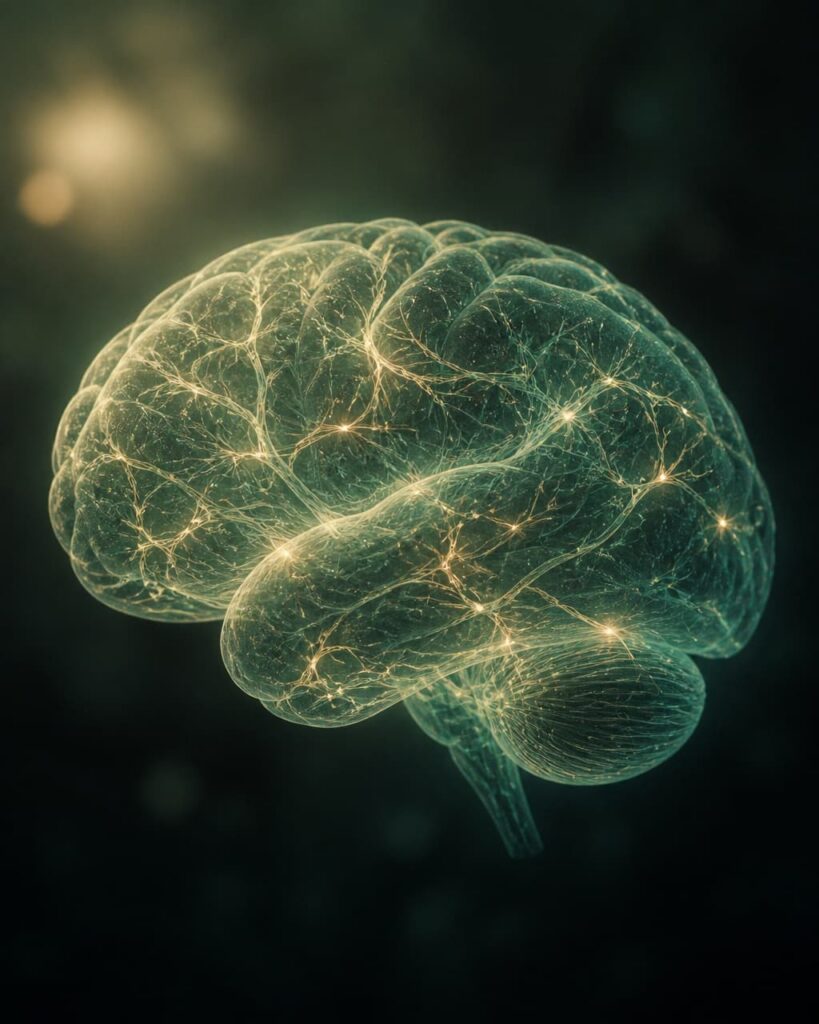
Find Balance with TMS Therapy
Bipolar Disorder can be a life-altering condition, with severe mood swings affecting your daily life. At TMS Florida, we offer a solution through Transcranial Magnetic Stimulation (TMS) therapy. TMS targets specific areas of the brain to help stabilize mood swings and reduce the severity of depressive episodes. Our personalized, non-invasive treatment plans are designed to help individuals who haven’t responded to medications or traditional therapies. If you’re looking for a new way to manage Bipolar Disorder, contact TMS Florida today to learn more about how TMS can make a difference.

Causes of Bipolar Disorder
Bipolar Disorder is a complex mental health condition characterized by alternating periods of depression and mania. Although the exact cause is not fully understood, several factors contribute to the development of Bipolar Disorder:
- Genetic Factors: Bipolar Disorder often runs in families, suggesting a genetic component.
- Brain Structure and Function: Changes in brain chemistry and structure, particularly in areas related to mood regulation, are linked to the disorder.
- Environmental Stressors: Major life changes, traumatic events, or prolonged stress can trigger episodes of mania or depression.
- Hormonal Imbalances: Fluctuations in hormones, such as cortisol, may play a role in Bipolar Disorder.
- Neurotransmitter Imbalances: Dysregulation of neurotransmitters like serotonin, dopamine, and norepinephrine can contribute to mood instability.

Types of Bipolar Disorder
Bipolar Disorder manifests in several forms, with variations in the frequency and intensity of manic and depressive episodes. The primary types include:
- Bipolar I Disorder: Characterized by severe manic episodes that last at least seven days, often requiring hospitalization.
- Bipolar II Disorder: Involves depressive episodes and less intense manic episodes, known as hypomania.
- Cyclothymic Disorder: A milder form of Bipolar Disorder, with chronic fluctuations between hypomanic and depressive symptoms.
- Rapid-Cycling Bipolar Disorder: Defined by four or more mood episodes (manic, hypomanic, or depressive) within a year.
- Mixed Episodes: Occurs when symptoms of depression and mania are present simultaneously, creating significant emotional distress.

Diagnosis of Bipolar Disorder
Diagnosing Bipolar Disorder requires a comprehensive evaluation by a mental health professional. The diagnostic process typically involves:
- Clinical Evaluation: A detailed assessment of mood patterns, behavior, and family history.
- DSM-5 Criteria: Diagnosis is based on criteria outlined in the Diagnostic and Statistical Manual of Mental Disorders (DSM-5).
- Mood Charting: Tracking mood changes over time helps identify patterns of mania and depression.
- Medical History Review: Evaluating past medical records and mental health history to rule out other conditions.
- Physical Examination: A physical exam may be conducted to rule out underlying medical conditions that could mimic Bipolar symptoms.

TMS Treatment for Bipolar Disorder
TMS therapy offers a new hope for individuals struggling with Bipolar Disorder, particularly those who have not responded well to traditional treatments like medication or talk therapy. TMS focuses on stimulating specific areas of the brain involved in mood regulation, such as the prefrontal cortex, to help stabilize mood swings and improve overall brain function.
- How TMS Works: Magnetic pulses target underactive areas of the brain associated with mood regulation, helping to restore balance.
- Non-Invasive Procedure: TMS does not require surgery or anesthesia, making it a safe and effective option for long-term treatment.
- Session Structure: TMS sessions last about 30 minutes and are typically conducted five days a week over several weeks.
- Minimal Side Effects: Some patients may experience mild scalp discomfort or headaches, but TMS is generally well-tolerated.
- Long-Term Benefits: Many patients experience significant improvements in mood stability, reducing the severity of both manic and depressive episodes.

Related Conditions
Bipolar Disorder often occurs alongside other mental health conditions, which may also benefit from TMS therapy. Related conditions include:
- Major Depressive Disorder: TMS is widely used to treat treatment-resistant depression, which often co-occurs with Bipolar Disorder.
- Anxiety Disorders: Individuals with Bipolar Disorder may experience anxiety, which can be alleviated through TMS therapy.
- Post-Traumatic Stress Disorder (PTSD): TMS is being explored as a treatment for PTSD, a condition that sometimes overlaps with Bipolar Disorder.
- Substance Use Disorders: Many individuals with Bipolar Disorder also struggle with addiction, and TMS may help manage cravings and reduce relapse.
- Borderline Personality Disorder (BPD): TMS may be helpful in addressing mood instability and emotional regulation in individuals with BPD.
Bipolar Symptoms
- Extreme mood swings
- Depressive episodes
- Manic behaviors
- Energy level shifts
- Impulsive actions
TMS Benefits
- FDA-approved treatment
- Minimal side effects
- Targeted brain therapy
- Long-lasting relief
- Personalized care plans
Treatment Goals
- Stabilize mood swings
- Reduce depression
- Improve daily function
- Strengthen brain health
- Enhance quality of life
Get help
If you or a loved one is living with Bipolar Disorder, TMS Florida is here to support your journey to recovery. Our team of compassionate professionals is committed to providing the highest quality of care through personalized TMS therapy plans. This FDA-approved, non-invasive treatment offers new possibilities for managing mood swings and improving overall brain function. Contact TMS Florida today to schedule a consultation and explore how TMS therapy can help you find lasting relief from Bipolar Disorder.
Questions, answered
The things people most often ask about TMS treatments for Bipolar Disorder — answered plainly. Anything else, we're one call away, any hour.
Talk to a real personHow can TMS therapy help treat Bipolar Disorder?
TMS (Transcranial Magnetic Stimulation) is a non-invasive treatment that uses magnetic pulses to target brain regions responsible for mood regulation. For individuals with Bipolar Disorder, TMS can help reduce the frequency and intensity of both depressive and manic episodes by restoring balance in the brain. Unlike medications, which may come with unwanted side effects, TMS offers a more targeted approach without systemic side effects. To explore if TMS therapy is right for managing your Bipolar Disorder, reach out to TMS Florida for a consultation with our expert team.
Is TMS therapy safe for people with Bipolar Disorder?
Yes, TMS therapy is a safe and FDA-approved treatment option for individuals with Bipolar Disorder, especially those who have not responded well to medications or other therapies. TMS is non-invasive, meaning no surgery or anesthesia is required, and it has minimal side effects. Most patients can continue their daily activities immediately after each session. To learn more about how TMS can provide relief from Bipolar Disorder symptoms, contact the specialists at TMS Florida for a personalized consultation.
How long does TMS treatment for Bipolar Disorder take?
A typical course of TMS therapy involves daily sessions, five days a week, over several weeks. Each session lasts about 30 minutes, during which magnetic pulses are directed to specific areas of the brain involved in mood regulation. Many patients start noticing improvements within a few weeks of starting treatment. The total duration of therapy depends on individual needs and progress. If you’re interested in learning how TMS therapy could fit into your treatment plan for Bipolar Disorder, call TMS Florida to discuss the process in more detail.
Ready to talk it through?
A private, no-pressure conversation with our team is the simplest first step. It costs nothing and commits you to nothing.