Comparing Deep TMS and Standard TMS Therapy in Florida 2026
The Evolution of Magnetic Stimulation: Understanding the TMS Landscape in Modern Psychiatry
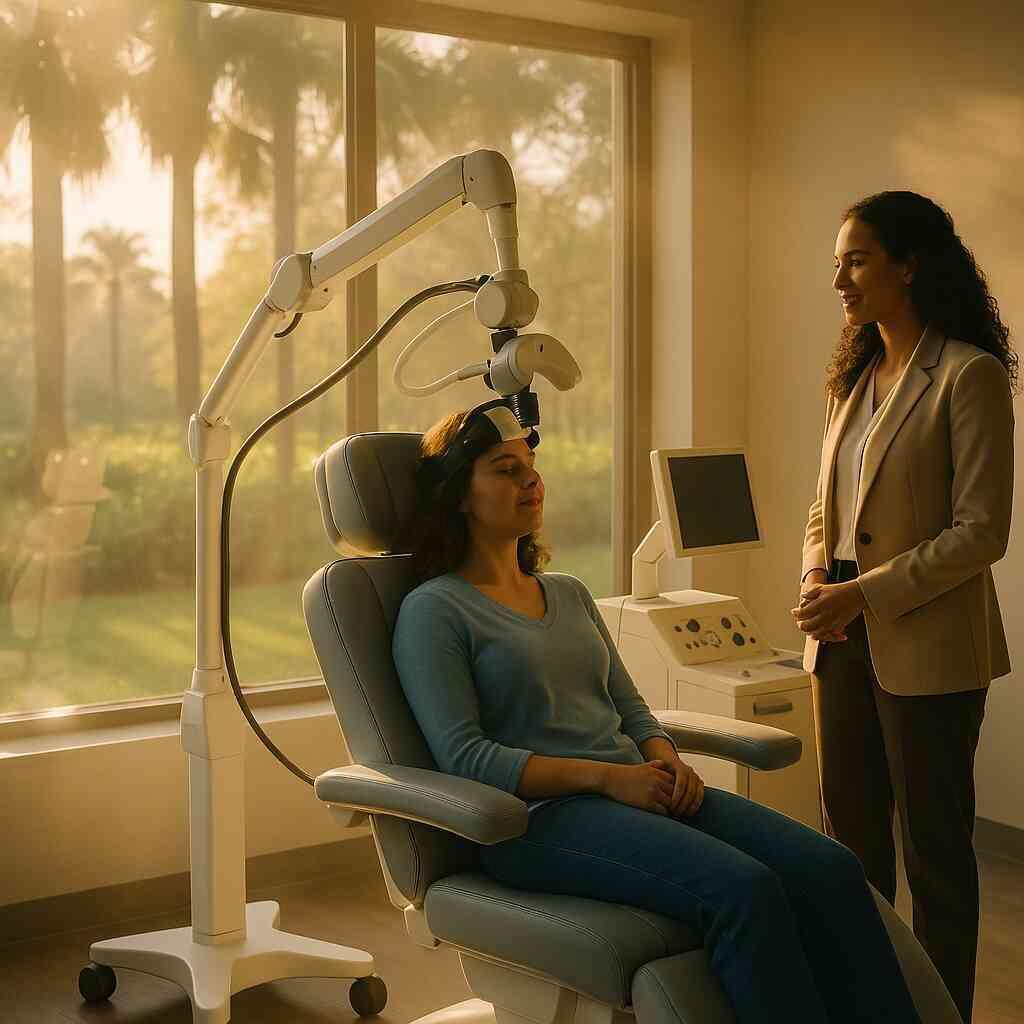
Psychiatry has been transformed by neuromodulation technologies. Transcranial Magnetic Stimulation treatment represents a paradigm shift in mental wellness, moving beyond traditional pharmacological interventions. This non-invasive depression treatment Florida residents seek uses precise magnetic fields to directly influence brain activity. The journey from initial research to widespread clinical adoption reflects psychiatry’s commitment to innovation. Understanding this evolution is crucial for anyone considering advanced TMS therapy for their mental health.
From Standard to Deep: Tracing the Technological Trajectory of TMS
The development of TMS technology follows a trajectory of scientific refinement. Standard TMS therapy emerged as the foundational approach, using focused magnetic pulses to stimulate specific cortical regions. Researchers soon recognized the need to reach deeper brain structures implicated in complex mood disorders. This realization led to innovations in coil design and magnetic field configuration, resulting in Deep TMS therapy. This progression represents more than engineering advancement; it signifies our growing understanding of neural networks. Any modern TMS therapy comparison must acknowledge this historical context.
The Core Principle: How Transcranial Magnetic Stimulation Rewires Neural Pathways
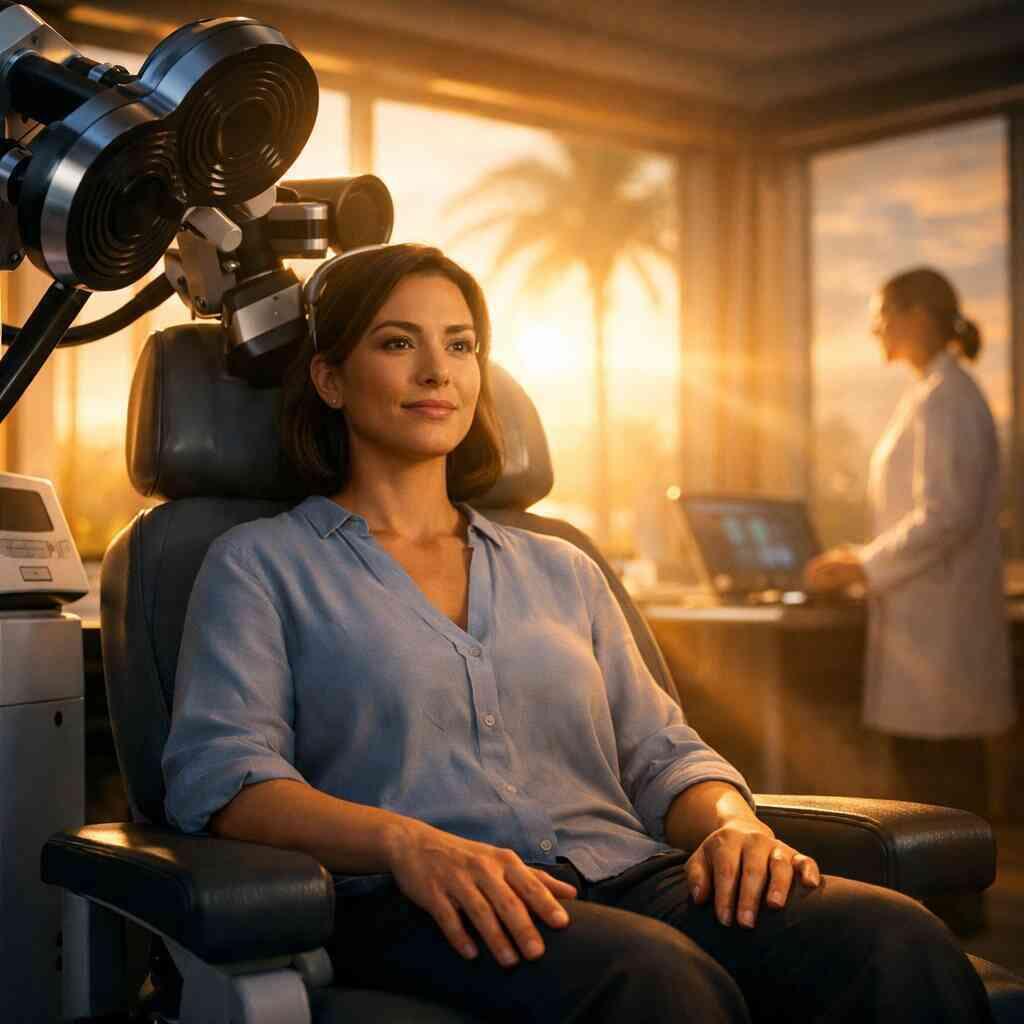
Transcranial Magnetic Stimulation operates on elegantly simple neurobiological principles. The technology generates brief, powerful magnetic pulses that pass painlessly through the skull. These pulses induce small electrical currents in targeted brain regions, modulating neuronal activity with precision. This process encourages the brain to rewire its own neural pathways through neuroplasticity. The treatment promotes healthier communication patterns between brain areas involved in mood regulation. Understanding this principle clarifies why TMS therapy offers transformative potential for various conditions.
Why Florida Is a Hub for Advanced TMS Therapy and Innovation
Florida has become a national leader in advanced TMS technology and clinical implementation. The state’s progressive healthcare environment and diverse population create ideal conditions for TMS innovation. Numerous research institutions and forward-thinking clinics continuously refine the TMS treatment protocols Florida patients benefit from today. This collaborative ecosystem accelerates the adoption of next-generation TMS therapy approaches. Consequently, patients seeking TMS therapy in Florida access some of the most sophisticated treatment options available.
Setting the Stage for a Personalized Mental Wellness Journey
Every healing journey begins with proper understanding. Exploring TMS therapy options requires considering both technological specifications and personal therapeutic goals. The differences between Deep TMS and standard TMS extend beyond technical specifications to encompass different therapeutic philosophies. This knowledge empowers individuals to have informed discussions with their treatment providers. Ultimately, this foundation enables the creation of truly personalized TMS therapy plans that address unique neurological and psychological needs.
Decoding the Technology: A Comparative Analysis of Coil Design and Stimulation Depth
The technological distinctions between TMS modalities fundamentally shape their clinical applications. At the heart of these differences lies the engineering of the magnetic coils and their resulting stimulation patterns. Understanding these technical aspects provides crucial insight into which approach might best serve individual needs. This analysis examines the actual physics and neuroanatomical implications of each system. Such knowledge proves invaluable when deciding between different TMS treatment options South Florida clinics offer.
Standard TMS Coil Design: Precision and Focal Point Stimulation
Standard TMS uses carefully engineered coil configurations, typically figure-eight shaped, to deliver focused magnetic stimulation. This design creates a highly precise focal point of activation on the brain’s surface, allowing clinicians to target specific cortical regions with millimeter accuracy. The magnetic fields penetrate to a depth of approximately 1.5 to 2 centimeters beneath the scalp. This precision makes standard TMS treatment particularly effective for conditions primarily involving superficial brain structures. The technology’s focal nature represents both its greatest strength and its primary limitation, depending on the clinical context.
Deep TMS Coil Architecture: The H-Coil and Expanded Brain Coverage Area
Deep TMS technology introduces revolutionary coil architecture designed to overcome depth limitations. The proprietary H-coil configuration creates magnetic fields that penetrate approximately 4 centimeters into brain tissue. This expanded reach allows stimulation of deeper structures like the anterior cingulate cortex and insula, regions crucial for emotional regulation. Additionally, the coil design produces a broader magnetic stimulation pattern, affecting larger brain networks simultaneously. This expanded brain coverage area represents a significant advancement in modulating complex neural circuits involved in mood disorders.
Magnetic Stimulation Depth: Penetrating Deeper Brain Structures
The question of magnetic stimulation depth is central to TMS therapy selection. Deeper brain structures, including those within the limbic system, play pivotal roles in emotional processing. Standard TMS coils cannot reliably reach these critical regions due to physical limitations of magnetic field decay. Deep TMS coils overcome this barrier through engineering that maintains field strength at greater depths. This capability opens therapeutic possibilities for conditions rooted in deeper neural networks, potentially enhancing treatment outcomes for complex cases.
TMS Treatment Protocols: Tailoring Stimulation to Individual Neuroanatomy
Modern TMS therapy transcends rigid approaches through sophisticated treatment personalization. Advanced neuroimaging and mapping techniques allow clinicians to account for individual variations in brain anatomy and physiology. This personalized approach ensures optimal coil placement and stimulation parameters for each patient. Treatment protocols consider diagnosis, symptom profile, previous treatment history, and specific neurological characteristics. Such customization represents the cutting edge of TMS therapy advancements, maximizing both safety and therapeutic potential.
Clinical Applications and Efficacy: Matching TMS Modalities to Specific Mood Disorders
The clinical effectiveness of TMS therapy varies depending on both the technology used and the condition being treated. Different mood disorders involve distinct neural circuits, necessitating tailored therapeutic approaches. Understanding which TMS modality demonstrates superior efficacy for specific conditions is crucial for patients and providers. This section examines the evidence-based applications of both standard and Deep TMS across the spectrum of mood disorders Florida clinics commonly address.
TMS for Treatment-Resistant Depression: Comparing Outcomes and Success Rates
Treatment-resistant depression presents one of psychiatry’s most significant challenges. Both TMS modalities have demonstrated substantial efficacy for this condition, though through different mechanisms. Standard TMS typically targets the dorsolateral prefrontal cortex, a region strongly implicated in depression’s cognitive aspects. Deep TMS reaches broader networks, including deeper emotional processing centers, potentially addressing more complex depressive presentations. Clinical studies indicate both approaches offer meaningful relief, with success rates often exceeding traditional pharmacological treatments for appropriate candidates.
Addressing Complex Conditions: TMS for Anxiety and OCD Protocols
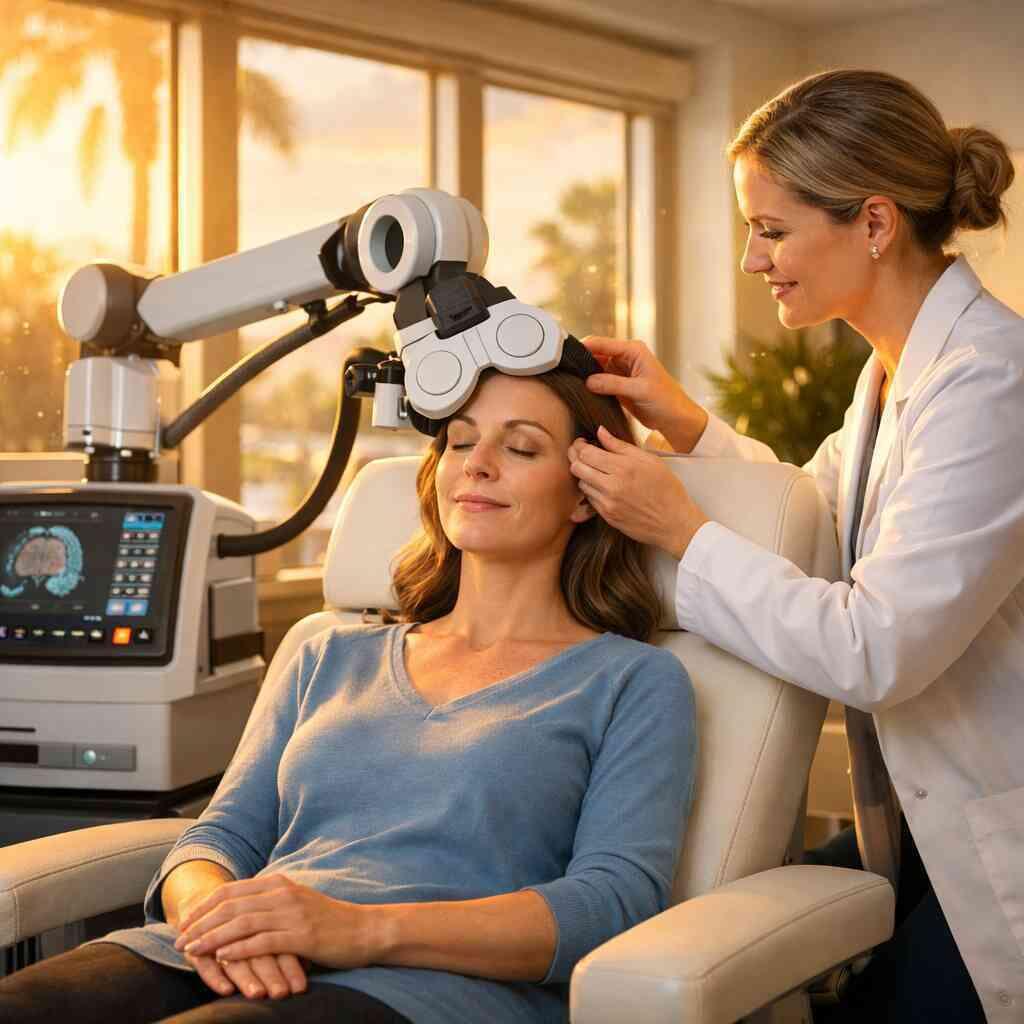
Anxiety disorders and obsessive-compulsive disorder involve intricate neural circuits extending beyond superficial cortical regions. These conditions frequently benefit from modulation of deeper brain structures involved in fear processing and habit formation. Deep TMS protocols specifically designed for anxiety and OCD target these deeper networks with promising clinical results. The technology’s ability to influence the anterior cingulate cortex and related limbic structures proves particularly relevant. Patients exploring TMS for anxiety and OCD should consider depth of stimulation as a crucial factor.
Expanding Horizons: TMS for Bipolar Disorder and Migraine Headaches
The therapeutic applications of TMS continue expanding beyond traditional mood disorders. Emerging protocols for the depressive phases of bipolar disorder show promise, though they require careful clinical management. Similarly, TMS has gained FDA clearance for acute migraine treatment, representing a novel application of neuromodulation. These expanding indications demonstrate the versatility of magnetic stimulation for various brain-based conditions. Patients should consult with experienced specialists regarding these newer applications.
Analyzing TMS Clinical Outcomes: Data from Leading Florida Clinics
Florida’s position as a TMS innovation hub generates valuable clinical outcome data. Leading clinics across the state consistently report impressive response and remission rates for appropriately selected patients. This data reveals important patterns regarding which patients benefit most from specific TMS modalities and protocols. Analysis suggests that factors including diagnosis, symptom severity, and previous treatment history significantly influence outcomes. Such real-world evidence provides crucial guidance for anyone considering brain stimulation therapy in Florida.
The Patient-Centric Decision Framework: Navigating Your TMS Therapy Options in Florida
Choosing between TMS modalities requires careful consideration of multiple factors. A patient-centered approach balances clinical evidence with individual circumstances, preferences, and therapeutic goals. This decision framework empowers individuals to participate actively in designing their treatment pathway. The following sections provide structured guidance for navigating this important choice within Florida’s advanced TMS therapy landscape.
Personalized TMS Therapy Plans: Beyond a One-Size-Fits-All Approach
Effective TMS therapy begins with comprehensive assessment and individualized treatment planning. This process evaluates diagnostic considerations, neurological factors, lifestyle elements, and personal treatment goals. Clinicians then match these individual characteristics with the most appropriate TMS modality and protocol. This personalized approach recognizes that the question of which TMS is more effective depends entirely on the individual patient’s unique presentation. Such customization represents the gold standard in modern TMS therapy.
Evaluating TMS Therapy Cost and Efficacy for Long-Term Mental Wellness
Financial considerations play a significant role in treatment decisions, though they should be balanced against clinical effectiveness. TMS therapy cost structures vary depending on modality, treatment duration, and insurance coverage. Patients should evaluate both immediate expenses and long-term value, considering potential reductions in other healthcare costs. Many find that investing in effective TMS treatment yields substantial returns through improved functioning. Understanding TMS therapy insurance coverage in Florida is essential for accurate financial planning.
The Treatment Experience: Comparing Session Duration and Patient Comfort
The practical experience of undergoing TMS therapy differs between standard and Deep TMS approaches. Session duration, sensation intensity, and immediate side effects all vary based on the technology employed. Generally, Deep TMS sessions may be slightly shorter due to the broader stimulation pattern covering more brain area simultaneously. Patient comfort is another crucial consideration, with individual sensitivity to the tapping sensation varying considerably. For more on this, see our guide on Comparing TMS Therapy Session Lengths at Florida Clinics in 2026.
Choosing Your Path with a Leading TMS Clinic in South Florida
Selecting the right treatment provider is as important as choosing the appropriate technology. A leading TMS clinic in South Florida offers not just advanced equipment but comprehensive clinical expertise and supportive care. The ideal clinic provides thorough assessment, clear explanation of options, and ongoing support throughout the treatment journey. Patients should seek providers who demonstrate deep understanding of both TMS modalities and their appropriate applications. Such expertise ensures that technological capabilities align optimally with individual therapeutic needs.
The Transformative Next Step in Your Brain Stimulation Therapy Journey
Embarking on TMS therapy represents a step toward reclaiming mental wellness. This decision reflects a commitment to exploring advanced, evidence-based solutions for persistent mental health challenges. The journey involves partnership with skilled clinicians who can navigate the complexities of TMS modality selection and implementation. With proper guidance and personalized planning, TMS therapy offers genuine potential for transformative change and sustained recovery.
Frequently Asked Questions
Question: What are the main differences between Deep TMS and standard TMS therapy, and how does TMS Treatment Florida help me choose the right one?
Answer: At TMS Treatment Florida, we guide patients through the key differences between Deep TMS and standard TMS to personalize their mental wellness journey. The primary distinction lies in the TMS coil design and magnetic stimulation depth. Standard TMS uses a focused coil for precise, superficial stimulation, ideal for targeting specific cortical areas. Deep TMS utilizes an H-coil to penetrate deeper brain structures and cover a broader brain coverage area, which can be beneficial for complex mood disorders. There is no universal answer to which TMS is more effective-it depends entirely on your individual neuroanatomy and condition. Our clinic provides a comprehensive assessment, using advanced TMS technology Florida is known for, to create personalized TMS therapy plans. We analyze your specific diagnosis, such as treatment-resistant depression, anxiety, or OCD, and match you with the optimal TMS treatment protocol. Trust our expertise in TMS therapy comparison to navigate your brain stimulation therapy Florida options and recommend the most transformative TMS treatment for your needs.
Question: I read your blog ‘Comparing Deep TMS and Standard TMS Therapy in Florida 2026’. For someone with treatment-resistant depression, which TMS modality typically offers better success rates?
Answer: Thank you for engaging with our insights on next-generation TMS therapy. For treatment-resistant depression, both modalities show strong efficacy, but the optimal choice is personalized. At TMS Treatment Florida, our clinical outcomes data indicates that Deep TMS therapy Florida protocols can be particularly advantageous for some individuals because they reach deeper limbic structures involved in emotional regulation. However, standard TMS treatment Florida remains a highly effective, well-established approach for many patients. The decision isn’t about a blanket statement on success rates; it’s about which technology aligns with your unique brain circuitry. Our leading TMS clinic Florida uses detailed evaluations to determine this fit. We consider your symptom profile, previous treatment history, and specific neurological factors to tailor a plan aimed at achieving the best possible TMS treatment success rates. Our commitment is to your long-term mental wellness, using cutting-edge TMS therapy advancements to open new pathways to healing.
Question: How does TMS Treatment Florida personalize TMS therapy plans for conditions like anxiety, OCD, or bipolar disorder?
Answer: Personalization is the cornerstone of our approach at TMS Treatment Florida. We understand that conditions like anxiety, OCD, and bipolar disorder involve distinct neural networks, so we move far beyond a one-size-fits-all TMS treatment protocol. Our process begins with an in-depth consultation and assessment to understand your specific challenges and goals. For TMS for anxiety and OCD, we often consider Deep TMS due to its ability to modulate deeper brain structures like the anterior cingulate cortex. For depressive phases of bipolar disorder, we proceed with specialized caution and tailored protocols. We weave TMS treatment personalization into every step, from determining the precise stimulation site using neuro-navigation principles to adjusting the treatment parameters throughout your course. This meticulous, patient-centric framework ensures your advanced TMS technology Florida experience is specifically calibrated for your brain, maximizing the potential for a transformative outcome in your mental wellness journey.
Question: What is the typical TMS therapy patient experience like at your Florida clinic, and how do session duration and comfort compare between the two types?
Answer: At TMS Treatment Florida, we prioritize a comfortable and supportive patient experience throughout your TMS therapy. A typical session involves sitting in a reclining chair while a magnetic coil is positioned near your head. You’ll hear a clicking sound and feel a tapping sensation on your scalp. Regarding session duration, both standard and Deep TMS sessions are relatively brief. Standard TMS sessions often last around 19-37 minutes, while Deep TMS sessions can be slightly shorter, sometimes around 20 minutes, due to its broader stimulation pattern. Patient comfort is similar for both; the sensation is generally well-tolerated, and you can resume normal activities immediately after. Our team is expertly trained to ensure you are at ease, and we continuously monitor your response. As a leading TMS clinic Florida residents trust, we provide a nurturing environment where you can confidently pursue this non-invasive depression treatment Florida offers, focusing on your comfort and progress every step of the way.
Question: Can you explain the TMS therapy cost and insurance coverage process at TMS Treatment Florida?
Answer: We believe financial clarity is essential for your TMS therapy journey. The TMS therapy cost can vary based on the specific treatment modality (Deep TMS vs. standard TMS) and the prescribed protocol length. The great news is that TMS therapy for major depressive disorder is widely covered by most insurance plans, including Medicare. At TMS Treatment Florida, our dedicated insurance specialists handle the entire verification and authorization process for you. We will thoroughly check your TMS therapy insurance coverage in Florida, explain your benefits clearly, and manage all necessary paperwork. Our goal is to remove financial barriers and make this transformative TMS treatment accessible. We encourage you to view this as an investment in long-term mental wellness, one that can reduce reliance on other treatments and improve overall quality of life. Contact our TMS clinic Florida team today for a personalized consultation and a detailed breakdown of your coverage and options.