Comparing TMS and Ketamine for Mood Wellness Near You
Awakening Hope: Navigating Modern Mood Wellness Catalysts
From drug resistant depression to possibility with neuroplasticity stimulation therapies
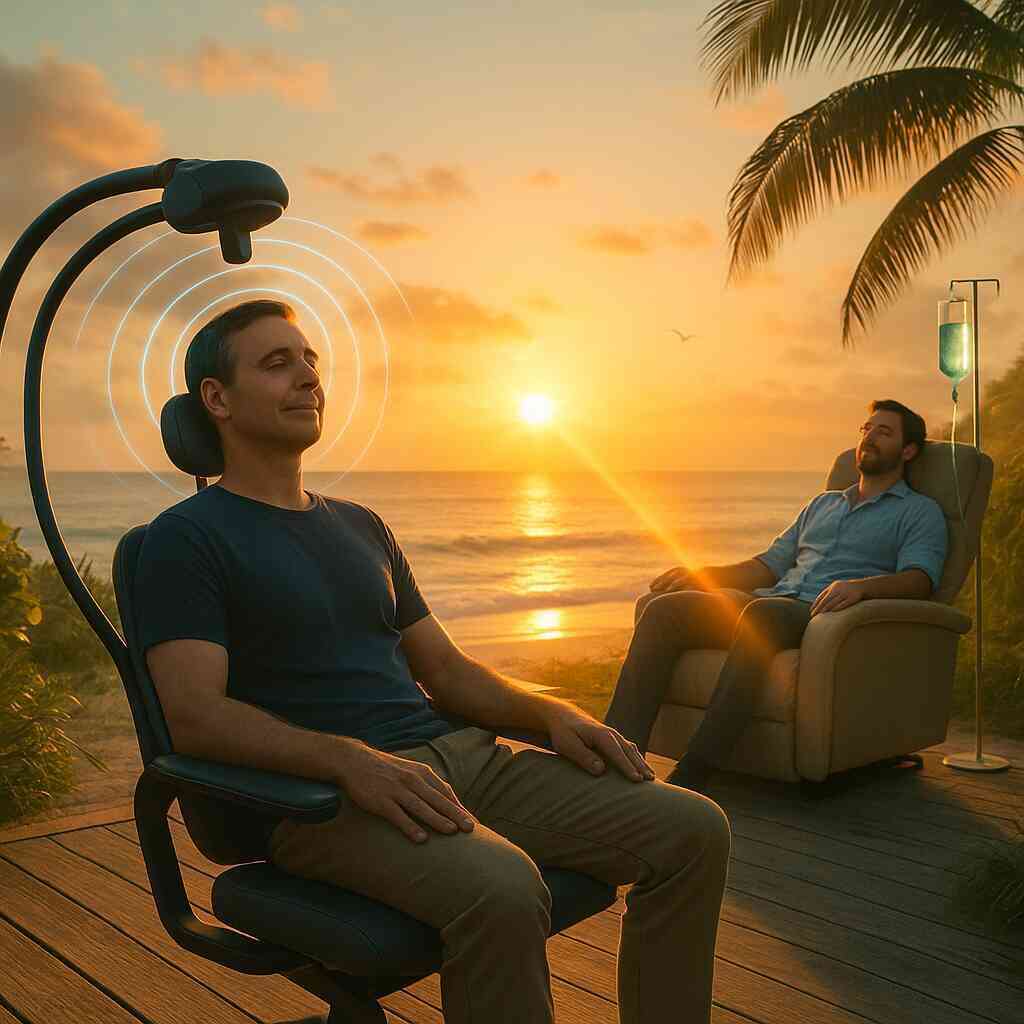
Living with drug-resistant depression can feel like walking through endless dusk. Traditional medications sometimes plateau, leaving symptoms stubbornly in place. Fortunately, neuroscience keeps opening doors to neuroplasticity stimulation therapies that re-train circuits instead of masking them. Transcranial magnetic stimulation for depression targets specific networks with focused magnetic pulses that spark natural recovery pathways. Likewise, ketamine infusion therapy rapidly modulates glutamate signaling, sometimes lifting mood within hours when other medicines failed.
Both approaches stimulate the brain’s innate ability to reorganize, a phenomenon called plasticity. Plasticity turns hopeless neural ruts into flexible highways where healthier thoughts travel. Florida clinicians monitor outcomes to keep every protocol aligned with evidence-based transcranial magnetic stimulation for depressive symptoms. Real-time data allow staff to adjust coil placement or ketamine dosage, maximizing comfort and response. This scientific vigilance transforms possibility into measurable progress that patients feel in daily life.
Why Florida leads in integrative mental health innovation and personalized care
The Sunshine State has quietly become a national hub for integrative mental health innovation. Academic hospitals, community practices, and forward-thinking policymakers collaborate to expand access to non-invasive brain stimulation in Florida. Robust telehealth laws shorten waitlists, while year-round residency attracts top neuromodulation doctors from across the country. In diverse cities, rapid relief depression clinic models blend TMS with psychotherapy under one roof. Travelers and locals alike can easily locate a TMS treatment near me, search and schedule on the same day.
Financial commitment often dictates care, so providers here negotiate creative payment plans and insurance partnerships. Many clinics, including ours, layer ketamine assisted psychotherapy sessions with outpatient TMS sessions for personalized mental health care. Stakeholders share findings at statewide conferences, continuously refining a holistic mood disorder approach. Patients meet multidisciplinary specialists and feel heard, a hallmark praised in reports about our neuromodulation team at TMS Treatment Florida. This community spirit keeps Florida moving ahead in delivering sustainable mood wellness strategies everyone deserves.
Dual Pathways to Neuroplasticity TMS Treatment Versus Ketamine Infusion Therapy
The brain continuously remodels itself, even when mood disorders feel immovable. This section explores how two distinct approaches-transcranial magnetic stimulation and ketamine infusion therapy-unlock that adaptive power. By comparing mechanisms, results, safety, and affordability, you gain clarity on realistic mood disorder treatment options available near you. Each pathway offers promise for drug-resistant depression alternatives, anxiety relief, and long-term mood stabilization plans. Understanding their differences empowers you to craft sustainable mood wellness strategies alongside qualified Florida clinicians.
Non invasive brain stimulation and FDA approved TMS therapy explained
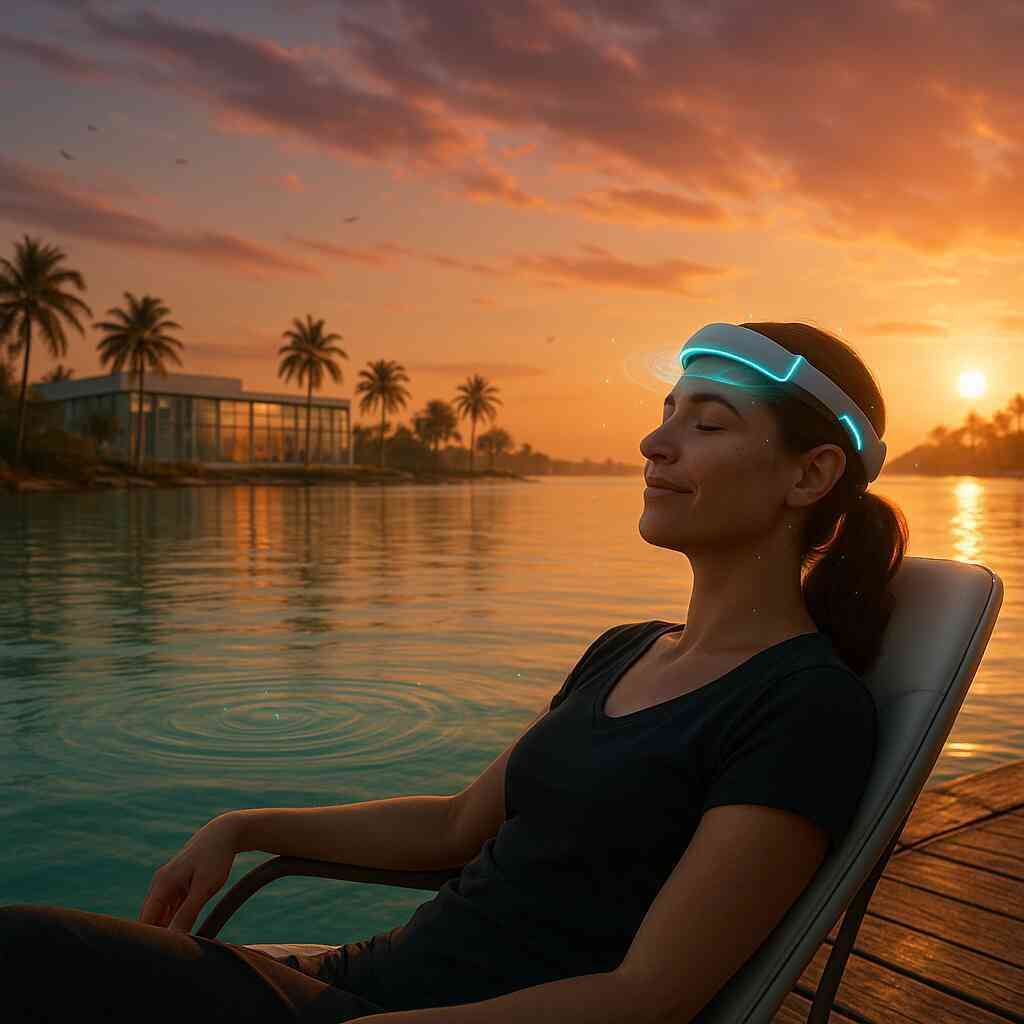
Transcranial magnetic stimulation delivers focused, painless pulses that stimulate neural circuits linked to motivation and calm. As an FDA approved TMS therapy, it targets regions involved in depression, OCD, and bipolar symptoms without medication side effects. During outpatient TMS sessions, magnetic fields induce tiny electrical currents that strengthen healthier pathways and weaken ruminative loops. Over several weeks, this non-invasive brain stimulation in Florida can restore daily energy and cognitive clarity. Because sessions occur while you relax in a chair, treatment integrates smoothly with work or parenting schedules.
Clinicians fine-tune coil placement using anatomical maps, ensuring precise engagement of each patient’s unique circuitry. Research confirms that repeated pulses trigger neuroplasticity stimulation therapies, increasing synaptic density and neurotransmitter efficiency. For many, this results in steady mood elevation and sharper focus rather than abrupt spikes. An overview of FDA-cleared TMS therapies and indications details why protocols differ for depression versus OCD or smoking cessation. Reviewing these distinctions with your provider helps set realistic expectations and timelines.
Rapid relief at a ketamine clinic Florida mechanisms and myths demystified
Ketamine, originally an anesthetic, gained attention for its rapid antidepressant effects at sub-anesthetic doses. Infusions modulate glutamate, the brain’s primary excitatory neurotransmitter, within hours-not weeks-of administration. At a reputable ketamine clinic Florida residents receive monitoring in a serene environment that supports safety and comfort. Dissociative sensations may arise during infusion, yet many describe the experience as insightful and emotionally freeing. This rapid relief depression clinic model can break through acute suicidal thoughts, allowing space for deeper therapy work.
Misconceptions still circulate, including fears of addiction when using medical ketamine protocols. However, controlled dosing schedules, medical screening, and integrated psychotherapy reduce misuse risk significantly. Clinicians often incorporate mindfulness or cognitive-behavioral tools immediately after sessions, when neuroplastic windows are widest. Access to ketamine therapy options in Florida state has broadened, yet quality varies; always verify board-certified supervision and evidence-based dosing guidelines. Thoughtful education dissolves myths and encourages informed consent.
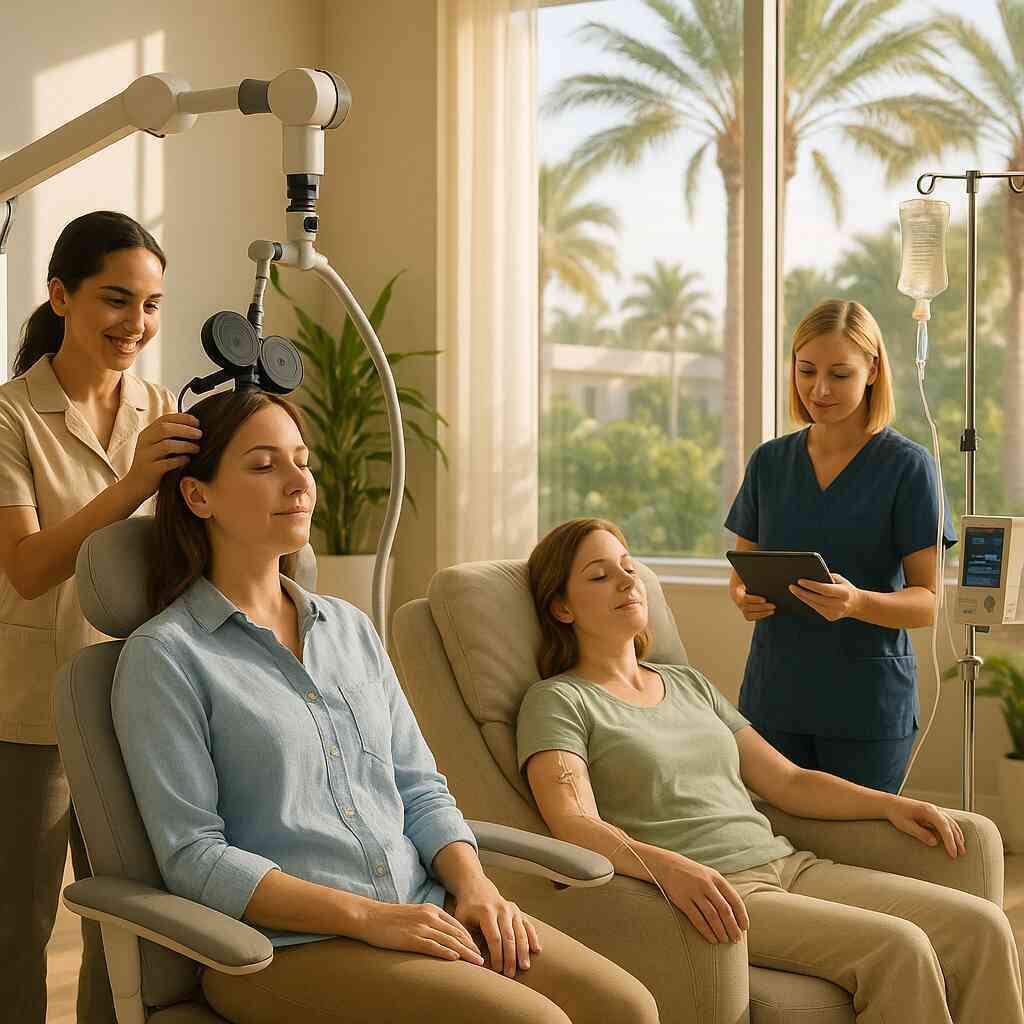
TMS vs ketamine effectiveness for mood disorder treatment options
Side effects of ketamine versus TMS safety and lifestyle considerations
Safety profiles differ markedly between the two treatments. TMS side effects are typically mild scalp discomfort or brief headaches that fade within sessions. No sedation means you can drive home and continue daily tasks, supporting a balanced routine. Conversely, ketamine infusion therapy induces temporary dissociation, nausea, or elevated blood pressure, requiring onsite monitoring and a ride home. Yet these sensations usually resolve quickly, and many patients report a renewed perspective afterward.
Longer-term data show minimal cognitive or organ toxicity for both modalities when administered properly. However, repeated high-dose ketamine outside clinical settings can stress bladder or liver function, underscoring the need for medical oversight. Transparent dialogue about side effects of ketamine versus TMS fosters trust and adherence. Individuals seeking personalized mental health care should weigh lifestyle demands, comfort with medical environments, and openness to mind-altering experiences. In Florida, clinics provide education sheets and peer testimonials to contextualize risks honestly.
Insurance coverage and affordable TMS treatment Florida realities
Coverage landscapes continue evolving, yet momentum favors accessibility. Major insurers often reimburse FDA-approved TMS after documented trials of antidepressants and psychotherapy. Providers assist with prior authorizations, making affordable TMS treatment Florida a reachable goal. Sliding-scale plans and financing options support those facing high deductibles, reflecting the state’s commitment to mental health innovation in South Florida and beyond. Some employers even include neuromodulation riders within wellness benefits, recognizing productivity gains from stabilized mood.
Ketamine coverage remains more variable, though insurers increasingly allow limited infusions for severe, drug-resistant depression. Out-of-network benefits, health savings accounts, and clinical-trial enrollment can offset costs. Flexible spending for ketamine assisted psychotherapy sessions also emerges as research validates efficacy. Clinic navigators outline realistic budgets and coordinate care, ensuring no surprise bills disrupt progress. For detailed policy guidance, explore our FAQ page addressing common questions on TMS sessions in Florida, then consult your carrier directly.
Choosing Your Compass Crafting a Sustainable Mood Wellness Strategy
Integrative continuum combining outpatient TMS sessions with ketamine assisted psychotherapy
Modern neuroscience shows that treatment gains multiply when approaches cooperate instead of competing. An integrative continuum allows outpatient TMS sessions to reinforce insights uncovered during ketamine assisted psychotherapy sessions. Patients start feeling calmer quickly, then consolidate those gains through non-invasive pulses that keep neuroplastic windows open. This synergy builds sustainable mood wellness strategies because it addresses biochemical, cognitive, and behavioral layers together. Providers at TMS Treatment Florida coordinate schedules so therapies dovetail smoothly rather than overwhelm daily life.
Equally important, personalized mental health care respects individual pacing. Some people tolerate frequent stimulation, while others need slower ramps to maintain equilibrium at home and work. Clinicians therefore monitor sleep, nutrition, and stress markers between visits, adjusting frequency before setbacks appear. Transparent metrics-such as mood charts and heart-rate variability-guide timely tweaks without guesswork. Collaborative planning empowers patients to remain active architects of their recovery journey.
Long term mood stabilization for anxiety relief and bipolar disorder neuromodulation
Lasting mood stability requires more than short bursts of symptom relief; it demands rewiring emotional circuits until balance feels natural again. Anxiety relief with TMS therapy emerges gradually as fear-generating loops weaken and rational networks gain strength. For individuals managing bipolar disorder neuromodulation, maintenance protocols schedule booster sessions at intervals that match each person’s cycle. Structured follow-ups prevent dramatic swings, reducing both manic spikes and depressive troughs.
Lifestyle integration amplifies these clinical gains. Regular exercise, mindfulness practice, and nutrition rich in omega-3s extend synaptic resilience long after equipment powers down. Support groups add social ballast, normalizing setbacks and celebrating progress. Over months, patients often notice deeper sleep, steadier focus, and restored confidence when facing everyday stressors. These shifts illustrate how neuroplasticity becomes a lived experience rather than an abstract concept.
Community resources to find TMS treatment near me and ketamine in South Florida
Navigating options feels easier when credible information sits one click away. Regional directories, peer forums, and nonprofit helplines map providers by specialty, language, and insurance compatibility. For a curated overview, explore finding ketamine and TMS clinics across South Florida to compare credentials, safety records, and patient testimonials. Transparent reviews help families evaluate travel distance, parking access, and cultural sensitivity before scheduling consultations. Knowledge removes guesswork, letting energy focus on healing instead of logistics.
After choosing a clinic, establish a communication plan that keeps your broader support network informed. Share treatment calendars with therapists, primary-care doctors, and trusted friends so everyone can respond quickly to emerging needs. Remember to verify coverage details and discuss contingency funding well in advance of start dates. Many centers offer hardship grants or no-interest payment plans that protect progress when finances tighten. By leveraging both digital resources and human allies, you transform a complex landscape into a clear, hopeful pathway.
 Frequently Asked Questions
Question: How does transcranial magnetic stimulation for depression at TMS Treatment Florida compare to ketamine infusion therapy in terms of effectiveness and long-term mood stabilization?
Answer: Both treatments leverage neuroplasticity stimulation therapies, yet they do so in different ways. FDA approved TMS therapy sends focused magnetic pulses to strengthen mood-regulating circuits gradually, leading to durable remission that can last months or years with the help of periodic maintenance sessions. Ketamine infusion therapy, delivered in our ketamine clinic Florida suite, works within hours by modulating glutamate and providing rapid relief when symptoms are severe. Meta-analyses show comparable initial response rates, but TMS generally offers longer stability, while ketamine excels at fast symptom reduction. Many patients benefit from a stepped-care plan-starting fast with ketamine for crisis relief, then transitioning to outpatient TMS sessions for sustained mood wellness strategies. Our clinicians review your history, biology, and goals to recommend a personalized mental health care roadmap that maximizes both safety and lasting benefit.
Question: I read the blog Comparing TMS and Ketamine for Mood Wellness Near You-how do I know which mood disorder treatment option fits my lifestyle and insurance coverage in Florida?
Answer: First, we schedule a no-cost consultation to discuss your symptom timeline, previous medication trials, and practical factors such as work schedule, childcare, and travel distance. Non-invasive brain stimulation in Florida (TMS) requires daily weekday visits for 6-8 weeks but allows you to drive yourself home, making it ideal if you need to maintain routine. Ketamine therapy in Florida involves fewer visits, yet each infusion demands a ride home and brief downtime. Regarding finances, most major insurers reimburse TMS after documentation of drug-resistant depression alternatives, and our team handles prior authorizations to secure affordable TMS treatment Florida coverage. Ketamine coverage is improving but still variable; we help you explore out-of-network benefits, HSAs, and payment plans. By aligning clinical needs with lifestyle and insurance realities, we craft the most attainable, effective path forward.
Question: What are the main side effects of ketamine versus TMS, and how does your clinic ensure safety during outpatient TMS sessions and ketamine assisted psychotherapy sessions?
Answer: TMS side effects are typically mild scalp tingling or a brief headache that fades quickly; no sedation means you can resume daily tasks immediately. Ketamine infusion therapy may cause temporary dissociation, nausea, or elevated blood pressure, so we monitor vitals continuously in a calming environment. Our board-certified psychiatrists set evidence-based dosing and spacing schedules to minimize bladder or liver strain. Whether you receive anxiety relief with TMS therapy or ketamine depression treatment in Florida, you’ll have a dedicated care team tracking mood charts, sleep quality, and vital signs. We also provide detailed post-session guidance and a 24/7 on-call nurse line to keep every patient safe and supported.
Question: Can TMS Treatment Florida create an integrative mental health solution that combines non-invasive brain stimulation in Florida with rapid relief depression clinic services for drug-resistant depression alternatives?
Answer: Absolutely. We specialize in integrative mental health solutions Florida residents can rely on. For many patients we start with ketamine assisted psychotherapy sessions to achieve quick symptom reduction, especially if suicidal thoughts are present. Within days, we introduce TMS treatment near me scheduling so magnetic pulses reinforce the fresh neural pathways opened by ketamine. This dual approach addresses biochemical, cognitive, and behavioral layers simultaneously, accelerating recovery while laying a foundation for long-term mood stabilization plans. All treatments occur under one roof, so coordination is seamless and progress metrics are shared in real time among your multidisciplinary team.
Question: Does your team offer affordable TMS treatment Florida plans, and what support do you provide with insurance coverage for TMS therapy or ketamine depression treatment in Florida?
Answer: Yes. Our insurance specialists handle everything from verifying benefits to submitting clinical documentation for prior authorization. If deductibles are high, we arrange interest-free financing, sliding-scale fees, or access to manufacturer assistance programs. Employers in South Florida increasingly add neuromodulation riders, and we’re happy to supply the evidence they need to approve coverage for TMS or ketamine in South Florida. For ketamine, we help patients leverage HSAs, FSAs, or out-of-network claims and guide them toward clinical trials when appropriate. Transparent cost estimates and proactive advocacy ensure finances never become a barrier to the mood disorder treatment options you deserve.