
Comparing Ketamine Versus TMS Treatment Florida Near Tampa
Beyond the Blues: Navigating Rapid Relief Options on Florida’s Gulf Coast
Why Tampa Bay Residents Explore Non-Invasive Depression Solutions
Tampa Bay locals increasingly seek non-invasive depression solutions when traditional medications stall their progress. Many have tried multiple antidepressants yet still wrestle with lingering sadness, foggy thinking, and fatigue. Options such as Transcranial Magnetic Stimulation and rapid-relief ketamine treatment offer fresh hope without daily pills. Because these modalities directly modulate brain circuits tied to mood, they may sidestep systemic side effects that discourage continued use of pharmaceuticals. Community conversations now center around evidence-based neuromodulation rather than simply adding another prescription.
Weather, lifestyle, and stressors unique to Florida’s Gulf Coast also influence treatment decisions. Humid summers can worsen lethargy, while hurricane seasons heighten anxiety in vulnerable residents. Non-invasive approaches like TMS allow patients to stay active and travel without major medical restrictions. Likewise, safe outpatient ketamine infusions let individuals maintain work schedules, supporting economic stability during recovery. Convenience factors strongly motivate Tampa residents to investigate innovative care right in their neighborhood.
A growing focus on holistic wellness aligns well with these advanced interventions. Functional medicine doctors, yoga studios, and nutritionists now routinely collaborate with mental health specialists across Pinellas and Hillsborough Counties. Such teamwork helps residents integrate lifestyle improvements alongside neuromodulation sessions, fostering mind-body synergy rather than symptomatic patchwork. People feel empowered to craft personalized wellness blueprints grounded in cutting-edge science, and that empowerment fuels an optimistic momentum that conventional medications alone rarely ignite.
From Pills to Pulses and Psychedelics: The New Paradigm of Care
Over the past decade, clinicians observed that medication-only strategies plateau for roughly one-third of adults with major depressive disorder. This sobering statistic nudged researchers toward exploring electromagnetic pulses, such as those delivered in FDA-cleared TMS therapy Tampa Bay clinics now provide. Simultaneously, low-dose psychedelic therapies – most notably ketamine – emerged as legitimate, rapid-acting antidepressant options within monitored settings. Together, these modalities form a new paradigm where clinicians modulate brain connectivity instead of merely manipulating serotonin.
Both approaches leverage neuroplasticity, yet they do so through distinctive biochemical gateways. TMS sends focused magnetic fields that depolarize cortical neurons, gradually strengthening dormant mood circuits over several weeks. Ketamine, conversely, floods NMDA receptors, triggering a glutamate surge that catalyzes synaptic growth within hours. Patients therefore experience two unique timelines: a gentle, cumulative climb with TMS and a dramatic – though sometimes fleeting – lift with ketamine therapy in Florida. Clinicians can now match each patient’s urgency, tolerance, and neurobiology to the most suitable path.
Insurance reforms further accelerate this paradigm shift by expanding neuromodulation coverage. Many major carriers reimburse for TMS after medication failures, lowering out-of-pocket costs for countless Floridians. While ketamine infusions remain cash-pay at many centers, new flexible financing models make them more accessible than ever. In Tampa, progressive employers even subsidize these treatments as part of mental-health-first benefit packages. Residents can therefore weigh multiple scientifically validated options without prohibitive financial barriers.
Personalized Mental Health Journeys at TMS Treatment Florida
At TMS Treatment Florida, every care journey begins with a collaborative discovery session that honors each patient’s lived experience. Rather than imposing a one-size-fits-all protocol, our clinicians map symptom patterns, lifestyle demands, and neurocognitive strengths to craft a precise plan. Some guests start with electromagnetic neuromodulation, while others pursue rapid-relief ketamine infusions before transitioning to maintenance TMS. This layered strategy nurtures both immediate symptom relief and durable resilience, helping clients reclaim purpose faster.
Therapy unfolds inside bright, calming suites equipped with state-of-the-art coils and real-time EEG navigation. Skilled technicians adjust stimulation parameters based on weekly mood metrics, ensuring optimal engagement of targeted cortical regions. When ketamine is integrated, certified nurse anesthetists oversee infusions, while onsite psychotherapists facilitate post-session integration to anchor insights into daily routines. Science and compassion intertwine at every step, supporting whole-person transformation rather than quick fixes.
Our Tampa team also coordinates seamlessly with external providers to safeguard continuity of care. Primary psychiatrists receive detailed progress notes, and nutritionists contribute anti-inflammatory meal plans that complement neuroplasticity therapies. Patients gain access to a supportive alumni network that shares coping strategies long after treatment completion. For many participants, walking through our doors marks the turning point where hopelessness ends and empowered living begins. Discover that possibility at our Hillsborough County TMS clinic near Tampa.
The Science Behind the Surge: Decoding Ketamine Therapy Near Tampa
Glutamate-Driven Neuroplastic Sparks in Ketamine Treatment Florida
Ketamine therapy in Florida works by unlocking the brain’s glutamate system, which is vital for learning and emotional flexibility. When low-dose ketamine binds NMDA receptors, it briefly disinhibits neurons, unleashing a controlled glutamate surge. That biochemical burst triggers brain-derived neurotrophic factor, nurturing fresh synapses that lift mood quickly. Researchers describe the process as “synaptic spring cleaning,” because old, rigid pathways dissolve while new, resilient ones form. Many Tampa Bay patients notice lighter thoughts and restored motivation within hours rather than weeks.
Scientists also highlight that ketamine treatment bypasses the sluggish serotonin pathways targeted by most antidepressants. The medicine instead mobilizes AMPA receptors, accelerating downstream signaling that rewires depressive circuitry. Animal studies show restored dendritic spines within twenty-four hours, confirming rapid neuroplastic gains. Human imaging mirrors those findings, revealing brighter connectivity across the prefrontal-limbic network after each infusion. This mechanistic clarity reassures clinicians who once worried the effect was purely a psychedelic illusion.
Rapid-Relief Ketamine Infusions and Safe Outpatient Dosing Protocols
At a reputable ketamine clinic in Florida, patients receive carefully titrated doses in comfortable outpatient suites. Board-certified anesthetists typically start at 0.5 milligrams per kilogram infused over forty minutes, adjusting according to blood pressure and dissociative tolerance. Vital signs, oxygen saturation, and subjective comfort remain under continuous observation, ensuring safety even for cardiac-sensitive guests. Because treatment occurs during daylight hours, most clients resume normal routines the same evening with a trusted driver. That logistical freedom appeals to busy professionals seeking non-invasive depression solutions that Florida employers now champion.
Clinicians often schedule six initial infusions across three weeks to consolidate neuroplastic momentum. Each session builds upon the last, shortening hopeless episodes while widening emotional bandwidth. The rapid relief that ketamine infusions provide may include temporary euphoria, yet the deeper benefit emerges from accumulated synaptic growth. Providers counsel patients to hydrate, rest, and avoid alcohol between visits to maximize stability. Respecting these protocols minimizes side effects and magnifies therapeutic gains.
Integration Counseling and Maintenance Plans at Ketamine Clinic Florida
Psychedelic-adjacent experiences can feel disorienting without skilled guidance, so integration counseling anchors insights into everyday life. Licensed therapists invite patients to describe imagery, sensations, and revelations that surface during ketamine therapy sessions. Journaling and mindfulness exercises then weave those reflections into actionable goals, such as re-engaging hobbies or setting firmer boundaries. This reflective step turns fleeting clarity into lasting behavioral shifts, reinforcing the medicine’s biochemical groundwork. Clients craft coherent life stories instead of fragmented recollections.
Maintenance strategies vary according to symptom recurrence and personal preference. Some choose booster infusions every six to eight weeks, while others transition toward TMS therapy Tampa Bay clinics provide for durable modulation. Nutrition coaching, sleep hygiene, and movement plans further stabilize neurochemistry between appointments. Peer support circles allow graduates to swap coping tactics and celebrate milestones, sustaining motivation far beyond the infusion chair. With this multifaceted approach, remission feels achievable rather than elusive.
Cost Per Infusion and Insurance Realities for South Florida Seekers
Financial transparency matters as much as clinical excellence, especially since ketamine depression treatment in Florida remains mostly self-pay. Typical pricing near Tampa ranges from $400 to $700 per infusion, excluding optional psychotherapy bundles. Some health savings accounts reimburse partial costs when billed under treatment-resistant depression codes, lightening the immediate burden. Veterans’ programs and research trials sometimes offset fees entirely, though availability fluctuates by quarter. Prospective patients should compile several quotes and ask about sliding-scale fees before deciding.
Unlike TMS, ketamine infusions lack widespread insurance mandates, yet momentum is shifting. A few progressive carriers now approve limited series after multiple antidepressant failures and documented suicidal ideation. When cash flow remains tight, centers may offer interest-free financing or group-based discounts for couples beginning treatment together. By addressing costs honestly, providers remove one of the final barriers blocking transformational care.
Magnetic Momentum: Exploring FDA-Cleared TMS Therapy in Tampa Bay
Electromagnetic Neuromodulation Targeting Mood Circuits
Tampa Bay residents often ask how magnetic pulses translate into emotional relief. The answer begins with neuromodulation principles refined during decades of brain mapping research. A specialist positions a figure-eight coil over the left dorsolateral prefrontal cortex – the hub of executive mood control. Each painless pulse induces a brief electric current that resets sluggish neuronal firing rhythms. Over repeated sessions, connectivity strengthens between prefrontal evaluative networks and deeper limbic centers. This process underlies the transformative results many clients report after receiving FDA-approved TMS depression therapy on Florida’s Gulf Coast.
Brain imaging corroborates these behavioral shifts. Functional MRI scans show increased oxygen metabolism in regions previously dormant during depressive episodes. Simultaneously, amygdala overactivity – often responsible for hypervigilant anxiety – gradually subsides. Clinicians value this balance because it addresses root circuitry rather than masking symptoms. TMS therapy Tampa Bay residents pursue feels empowering rather than numbing, sustaining participation through the full course.
High-Intensity Theta Burst TMS and Other Cutting-Edge Protocols
Traditional repetitive TMS delivers 10-hertz pulses over nearly forty minutes. Innovations now compress the same therapeutic energy into high-intensity theta burst sequences lasting under five minutes. These bursts mimic the natural oscillations brains display during focused learning, accelerating synaptic potentiation. High-intensity theta burst TMS suits busy professionals who cannot spare long appointments. Shorter sessions preserve safety profiles while expanding daily scheduling capacity inside community clinics.
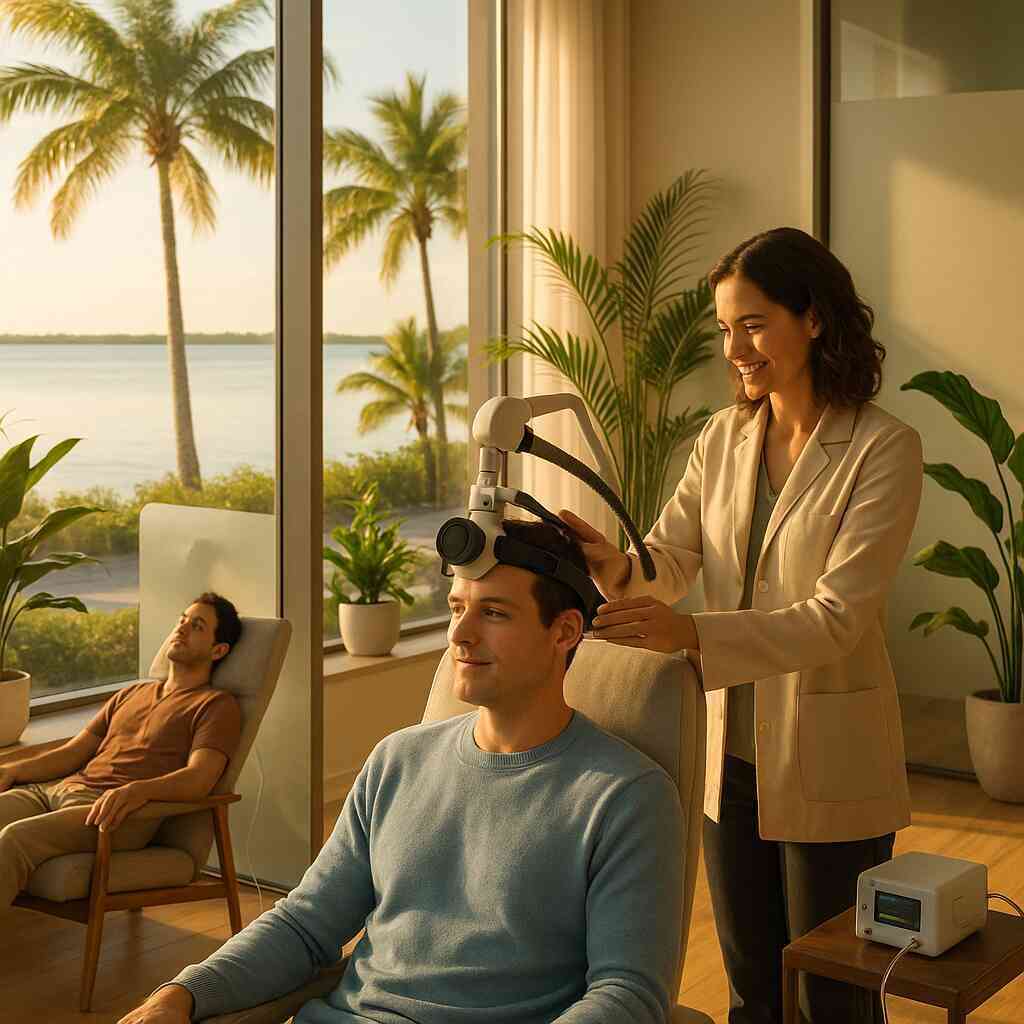
Researchers also experiment with individualized coil navigation guided by resting EEG patterns. This precision mapping sharpens field penetration, reducing off-target scalp stimulation. Patients with medication-resistant bipolar depression benefit from bilateral protocols that alternate hemispheric activation. Meanwhile, intermittent theta burst can be layered atop standard sequences for synergistic impact. Such flexible designs embody the FDA-cleared TMS technology Florida innovators continue to refine, positioning the region as a national benchmark.
Clinic Success Rates and Insurance Coverage Pathways Across Florida
Outcome audits reveal compelling figures for mood disorder therapies Gulf Coast residents trust. Across diverse Tampa Bay demographics, approximately seventy percent achieve meaningful symptom reduction after six weeks. Remission statistics climb further when booster sessions occur quarterly. These numbers closely mirror landmark multicenter trials, affirming real-world effectiveness. For families exhausted by medication switches, such transparency restores confidence in evidence-based care.
Financing no longer feels daunting thanks to progressive policy reforms. Major carriers reimburse after two documented antidepressant failures, slashing out-of-pocket costs dramatically. Veterans programs, employer initiatives, and flexible health savings accounts further widen access. For personalized guidance, patients can review the insurance pathways for TMS care in Florida. Clear documentation paired with clinician advocacy ensures approvals move swiftly, minimizing treatment delays.
Neuroplasticity Through TMS for Anxiety, Depression, and OCD
Neuroplasticity describes the brain’s capacity to remodel connections throughout life. TMS exploits this property by delivering rhythmic stimulation that nudges networks toward healthier firing patterns. Anxiety often stems from hyperconnected threat circuits; magnetic pulses gradually disentangle those loops. Depression, conversely, involves underactive reward pathways that regain vigor after repeated cortical activation. Studies on TMS for anxiety in Tampa show improved stress tolerance within weeks, confirming functional rewiring.
Obsessive-compulsive disorder requires precise targeting of the supplementary motor and anterior cingulate regions. Engineers developed deep coils that reach these midline structures without invasive surgery. Protocol adjustments extend session counts yet remain comfortable for sensitive individuals. Clinical observations reveal intrusive thoughts fading first, followed by compulsive rituals losing urgency. This gradual liberation embodies sustainable remission rather than temporary suppression.
Head to Head: Ketamine Versus TMS for Treatment-Resistant Mood Disorders
Comparative Outcomes in Depression, Anxiety, and Bipolar Presentations
Research comparing ketamine treatment Florida near Tampa with TMS therapy Tampa Bay shows both modalities significantly reduce depressive severity after multiple courses. Meta-analyses reveal ketamine’s glutamatergic surge can drop symptom scores within twenty-four hours – a timeline valuable for suicidal crises. Repetitive magnetic pulses produce steadier, week-by-week gains that often equal or surpass ketamine at six-week reviews. Anxiety metrics follow a similar pattern, with TMS gradually calming hyperarousal circuits while ketamine offers a rapid emotional reset that can fade without boosters. Bipolar studies remain smaller, yet data suggest magnetic neuromodulation stabilizes mood swings more predictably than psychedelic-adjacent infusions.
Clinicians emphasize matching treatment speed to clinical urgency. Someone overwhelmed by acute despair may benefit first from ketamine’s fast lift, then transition into electromagnetic reinforcement. Patients seeking non-invasive depression solutions for long-term balance might start with TMS and avoid dissociative states entirely. These nuanced decisions underscore why individualized assessment remains critical when comparing ketamine versus TMS outcomes across complex diagnostic profiles.
Side-Effect Profiles: Psychedelic Versus Magnetic Stimulation
Every therapy carries trade-offs, and understanding them empowers informed choice. Ketamine often induces short periods of dizziness, blurred vision, or mild nausea that resolve within hours. Some users describe transient dissociation or dream-like imagery, which can unsettle those with trauma histories if not properly guided. Blood pressure spikes require monitoring, although serious complications are rare in controlled settings. TMS, meanwhile, may cause scalp tingling or brief jaw contractions, yet systemic effects are minimal because the magnetic field never enters the bloodstream. No anesthesia is required, allowing clients to drive themselves home immediately after sessions.
Longer-term safety evaluations further clarify the distinctions. Frequent ketamine exposure can foster tolerance or bladder irritation, urging clinicians to space maintenance infusions appropriately. Magnetic stimulation carries a very small risk of seizure – lower than many antidepressants – when protocols follow FDA limits. Headaches occur in a minority of patients but respond well to acetaminophen. Overall, side-effect intensity tends to be higher, though shorter-lived, with ketamine therapy in Florida, while TMS delivers milder, localized sensations that seldom disrupt daily routines.
Durability of Remission and Sustainable Mental Wellness
Durability remains a pivotal metric for treatment-resistant depression options Tampa residents consider. Prospective studies show that roughly half of ketamine responders maintain significant relief at one-month follow-up, yet effect curves often decline thereafter without scheduled boosters. TMS graduates, by contrast, typically maintain gains for six months or longer, especially when quarterly refresh sessions reinforce synaptic pathways. The neuromodulatory nature of magnetic therapy encourages structural network change rather than transient neurotransmitter flooding, promoting sustainable mental wellness.
Lifestyle integration also affects remission length. Patients who pair ketamine with psychotherapy, exercise, and sleep hygiene meaningfully prolong benefit windows. Similarly, TMS recipients who adopt meditation or cognitive training report stronger emotional resilience. A recent clinic audit found seventy percent symptom freedom at nine months among participants who combined magnetic stimulation with nutritional coaching. These statistics highlight that technology initiates recovery, while consistent behavior cements it.
Combining Therapies and Holistic Depression Management Strategies
Forward-thinking providers no longer frame ketamine and TMS as rivals; instead, they weave them into staged care pathways. An individual might begin with six rapid-relief ketamine infusions, securing immediate hope, then shift into a six-week magnetic series to engrain fresh circuitry. This sequential design blends speed with staying power, reducing relapse rates compared with either therapy alone. Cross-disciplinary teams add mindfulness practice, dietary anti-inflammatory plans, and strength training to stabilize the metabolism that fuels neuroplastic change.
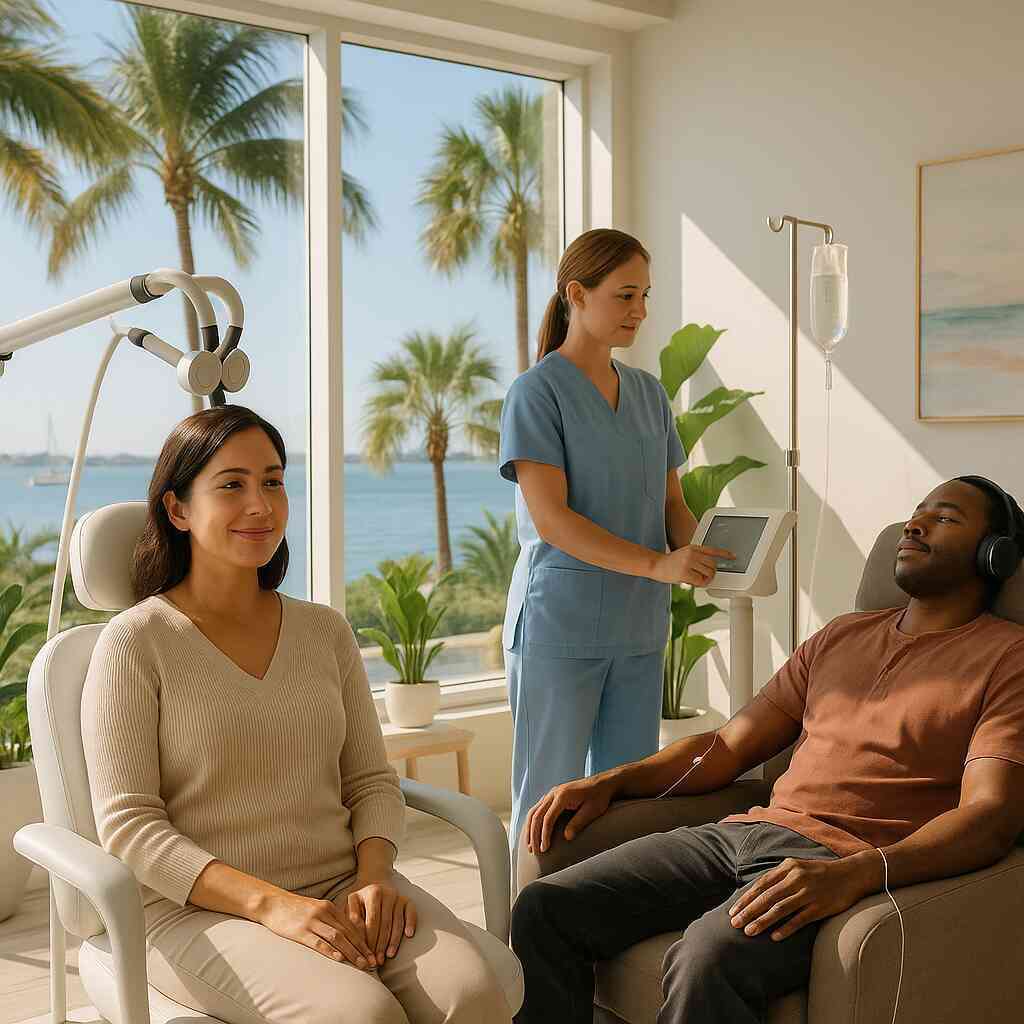
To explore integration options, browse the clinic’s comprehensive TMS and ketamine overview for Floridians and prepare questions for your next consultation. Decision-making often weighs insurance coverage, time commitment, and personal tolerances alongside clinical urgency. Families appreciate that a single treatment hub can coordinate both psychedelic and magnetic modalities, preventing fragmented care. By uniting evidence-based medicine with holistic practices, Tampa’s mental wellness community continues to pioneer personalized, medication-free recovery journeys.
Charting Your Course: Choosing Personalized Care in Tampa and Beyond
Decision Matrix for Mood Disorder Therapies on the Gulf Coast
Choosing between ketamine treatment Florida near Tampa and TMS therapy Tampa Bay starts with honest self-assessment. Consider how quickly you need relief, how comfortable you feel with psychedelic-adjacent sensations, and how much time you can devote to clinic visits. Add practical factors like insurance coverage, transportation, and family responsibilities to your decision matrix. Many residents create a simple spreadsheet listing urgency, cost, side effects, and durability, then score each therapy. This visual snapshot turns overwhelming possibilities into clear, data-driven direction.
It is equally important to weigh co-existing conditions such as chronic pain, ADHD, or substance cravings. Ketamine’s rapid glutamate surge sometimes helps pain flares, yet TMS protocols offer steady modulation when sensory sensitivity complicates care. Patients who dislike needles or have cardiovascular concerns often prefer magnetic pulses over infusions. Meanwhile, those facing acute suicidal thoughts may rank ketamine higher because of its same-week antidepressant effect. Placing these nuances side by side allows priorities to crystallize clearly rather than chaotically.
Questions to Ask Before Starting Ketamine Therapy or TMS Treatment
Informed consent grows stronger when you arrive equipped with probing questions. Ask the clinic how many sessions they recommend before judging efficacy and what percentage of clients achieve full remission. Clarify which credentialed professionals monitor dosing, manage side effects, and adjust coil placement or infusion speed. Find out whether integration counseling or adjunct psychotherapy is bundled or billed separately, so budget surprises are avoided early. Request outcome data specific to your demographic, because personalized statistics support realistic hope.
Safety deserves equal attention. Ask about emergency protocols for blood pressure spikes during ketamine treatment or seizure precautions during TMS therapy. Confirm the team’s experience with co-morbid bipolar disorder or PTSD, ensuring they can swiftly adjust protocols if mania or flashbacks emerge. Ask whether medications such as benzodiazepines or stimulants require a pause during sessions, as interactions can alter neuroplastic results. When staff answer transparently and confidently, therapeutic alliance forms before the first magnetic pulse or ketamine drip.
Building a Continuum of Care Toward Medication-Free Recovery
Lasting change rarely hinges on a single breakthrough; it unfolds through layered interventions that reinforce each other. Many Gulf Coast clinicians start with rapid-relief ketamine infusions, then anchor progress using FDA-cleared TMS technology. Nutritional coaching reduces inflammatory load that blunts neuroplastic gains, while mindfulness training keeps new circuits firing efficiently. This continuum limits relapse risk by surrounding neurobiology with behavioral, social, and lifestyle scaffolding.
Maintenance schedules remain flexible yet intentional. Some graduates book quarterly TMS boosters, while others opt for bi-monthly ketamine refreshers when stress peaks. Digital mood-tracking apps alert providers to early symptom drift, triggering swift adjustments instead of crisis care. Peer support networks foster accountability, reminding members that resilience grows through community, not isolation. When each layer aligns, medication-free depression therapy evolves from aspiration to daily reality.
Finding Hope at TMS Treatment Florida and Allied Providers
One powerful starting point is the interactive map that helps patients find a TMS provider across Florida counties, ensuring geographic convenience without sacrificing quality. From there, prospective clients can compare open consultation slots, financing options, and subspecialty offerings like TMS for anxiety Tampa adults face.
TMS Treatment Florida stands ready with skilled specialists, attentive staff, and evidence-backed protocols that honor individuality. Collaboration with nearby ketamine clinic alternatives further widens choice, letting you mix modalities without juggling fragmented paperwork. Confidential intake calls explore goals, fears, and previous therapy roadblocks, setting a compassionate tone from the outset. Clients report that crossing the threshold feels less like entering a hospital and more like stepping into possibility. When expertise meets empathy, hope stops being abstract and starts feeling inevitable.
Frequently Asked Questions
Question: How quickly will I feel better with rapid-relief ketamine infusions near Tampa compared with FDA-cleared TMS technology in Florida?
Answer: Most patients notice a positive mood shift within 4-24 hours after their first ketamine treatment near Tampa because the medication sparks an immediate glutamate surge that jump-starts neuroplasticity. TMS therapy Tampa Bay clinics, by contrast, produce a steadier week-by-week improvement; meaningful relief typically appears after 10-15 magnetic sessions (roughly two to three weeks). While ketamine offers speed, TMS often delivers longer-lasting network changes once the full six-week course is complete. During your consultation we review urgency, safety, and durability so you can choose the timeline that best fits your personal recovery goals.
Question: Does TMS Treatment Florida provide integrated plans that blend ketamine therapy with TMS sessions?
Answer: Yes. Our Hillsborough County location partners with vetted ketamine clinic alternatives only minutes from our TMS suite. Many guests begin with six rapid infusions to gain immediate relief, then transition into high-intensity theta burst TMS protocols to lock in those gains. This sequential design leverages the fast lift of psychedelic-assisted therapy and the durable rewiring of electromagnetic neuromodulation, giving you the benefits of both approaches inside one coordinated treatment roadmap.
Question: What side-effect profile should I expect when comparing ketamine versus electromagnetic neuromodulation, and how does your team keep me safe?
Answer: Ketamine therapy may cause brief dizziness, nausea, or dream-like visuals that fade within a few hours; blood pressure is monitored continuously, and a board-certified anesthetist adjusts dosing in real time. TMS most commonly creates mild scalp tingling or a transient headache relieved with over-the-counter pain medicine. Because pulses never enter the bloodstream, systemic effects are rare. Every patient at TMS Treatment Florida receives a personalized risk review, emergency protocols are rehearsed regularly, and our outcome data show a lower complication rate than many oral antidepressants.
Question: How does insurance coverage for TMS in Florida work, and what financing exists for ketamine depression treatment in Florida?
Answer: Major carriers typically approve TMS after documentation of two unsuccessful medication trials; our insurance specialists submit the paperwork and track authorizations daily. For ketamine, insurers reimburse only in limited situations, so we maintain transparent pricing ($400-$700 per infusion) and zero-interest payment plans. Health savings account funds, veterans’ benefits, and employer wellness stipends often offset additional costs. Clarifying finances upfront removes surprises and lets you focus on healing.
Question: If I relapse after TMS, can I switch to safe outpatient ketamine dosing, and how do you help me maintain sustainable remission?
Answer: Absolutely. Treatment-resistant depression options must stay flexible. Should symptoms resurface, we can coordinate a booster series of ketamine infusions – usually two or three sessions – to reboot stalled circuits. Afterward we reassess and may add quarterly TMS boosters, nutritional coaching, or mindfulness training to reinforce neuroplasticity. This looping continuum of care turns short-term relief into long-term, medication-free depression therapy so you can protect your progress year after year.


