Exploring Ketamine Versus TMS for Mental Health in Orlando
Exploring Ketamine Versus TMS for Mental Health in Orlando
Awakening Minds in the City Beautiful
State of mental health and treatment-resistant depression solutions in Orlando
Orlando’s vibrant skyline often obscures a sobering reality: the region faces surging rates of depression and anxiety. The CDC reports Florida’s suicide rate exceeds national averages, with Central Florida contributing a substantial portion. Within that demographic, treatment-resistant depression solutions remain elusive, fueling frustration among patients and clinicians. Traditional antidepressants help many, yet nearly one-third stall after multiple medication trials and psychotherapy cycles. Families search for safer, faster interventions that protect functioning while restoring hope.
In Orange County emergency departments, mood disorders now trail only heart disease for admissions. Clinicians highlight limitations of ubiquitous selective serotonin reuptake inhibitors when inflammation or genetic factors blunt response. Consequently, policymakers and hospital systems collaborate on public education surrounding neuromodulation and psychedelic-assisted care. Community forums routinely explore transcranial magnetic stimulation programs in Orlando alongside novel pharmacological approaches, such as esketamine. These conversations set the stage for pioneering resources now reshaping Central Florida’s mental health landscape.
Why holistic mental health in Orlando demands innovative care pathways
Living in the City Beautiful means embracing diversity, creativity, and occasionally overwhelming professional pressure. A holistic mental health Orlando vision, therefore, extends beyond symptom suppression toward complete cognitive, emotional, and social restoration. Integrative providers coordinate nutrition, movement, psychotherapy, and comprehensive TMS care in Florida to support sustainable wellness. By integrating evidence-based technology with lifestyle coaching, practitioners can honor the biological, psychological, and social dimensions of their clients. Such systems thinking guides families when choosing between outpatient ketamine therapy and non-invasive brain stimulation.
Moreover, rapid relief depression Orlando measures must dovetail with long-term relapse prevention to prevent revolving-door care. Innovative pathways incorporate digital mood tracking, peer support, and flexible scheduling around theme-park or hospitality shifts. Clinics that offer both ketamine assisted psychotherapy in Florida and TMS for anxiety in Orlando can titrate modalities as needs evolve. This adaptive model respects unique neurobiological signatures while empowering active participation in one’s mental recovery journey. Ultimately, Orlando residents deserve customized roadmaps that illuminate multiple routes toward resilience and enduring joy.
Neuromodulation Crossroads Ketamine Infusion Meets Magnetic Pulses
Rapid relief from depression in Orlando through ketamine assisted psychotherapy in Florida
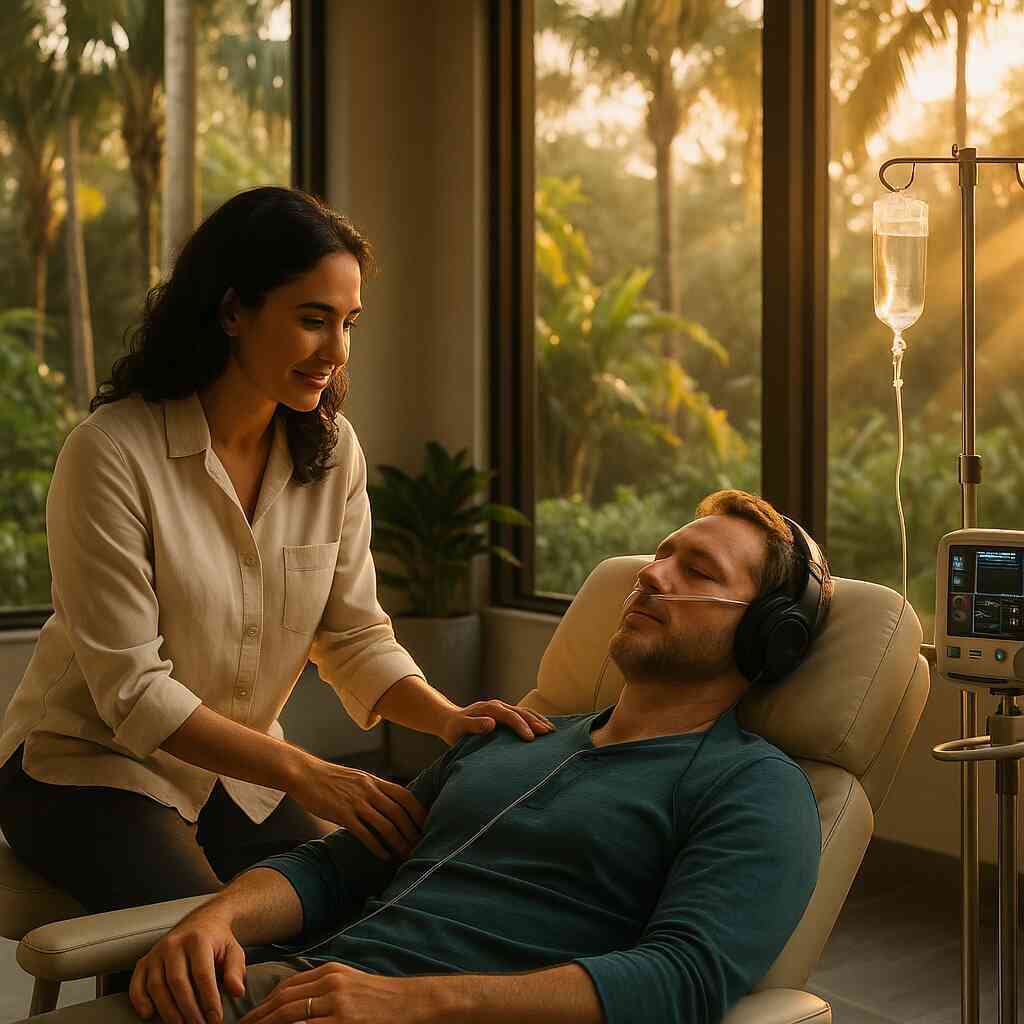
Low-dose ketamine infusion in Orlando programs delivers biochemical speed that stunned psychiatry only a decade ago. By modulating NMDA receptors, glutamate floods spark downstream synaptogenesis within hours, creating rapid relief from depression, as Orlando patients celebrate. Clinicians often combine mindful breathing, soft lighting, and real-time vitals to elevate ketamine assisted psychotherapy in Florida into a whole-person ritual. For residents researching next steps, the ketamine treatment options in Florida summarize protocols, eligibility, and statewide provider quality indicators. Understanding those guardrails empowers families to strike a balance between urgency and safety.
A second wave of innovation involves integrating reflective talk therapy immediately after dosing, when neuroplasticity is at its peak. Therapists guide clients through entrenched cognitive distortions while neural circuits remain flexible, potentially helping to lock in healthier narratives. This approach suits treatment-resistant depression solutions because it targets both cellular and psychological levels simultaneously. Many ketamine clinic teams in Orlando also monitor inflammatory biomarkers, tailoring the frequency once symptom remission stabilizes. Such customization reinforces the notion that breakthrough biology still benefits from nuanced human connection.
Non-invasive brain stimulation with TMS therapy in Florida and magnetic pulses for cortical modulation
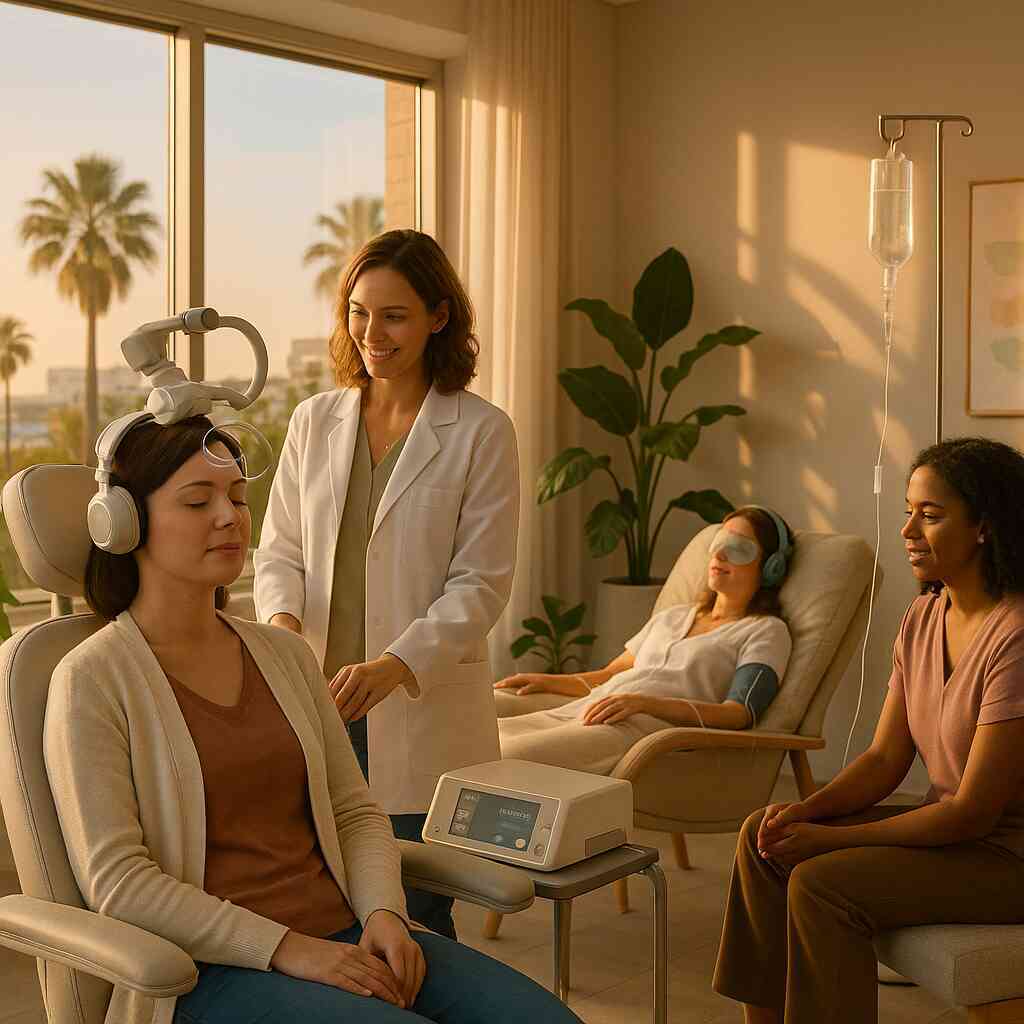
Transcranial magnetic stimulation Orlando offers equally exciting momentum, yet follows an entirely different engineering path. Repetitive magnetic pulses pass painlessly through the scalp and skull, inducing tiny electrical currents that upregulate underactive prefrontal networks. Over several weeks, synaptic strength improves, resulting in progressively brighter moods without the need for systemic medication. Patients exploring choices can review the complete range of TMS treatments on Florida clinics to compare coil designs, stimulation frequencies, and session lengths.
Unlike pharmacologic interventions, non-invasive brain stimulation demands no fasting, anesthesia, or recovery downtime. Guests sit comfortably, often streaming music or mindfulness tracks as the device hums. Magnetic pulses cortical modulation remains highly focal, minimizing off-target effects common with oral drugs. Because sessions run under thirty minutes, professionals frequently schedule them before shifts at the parks or after hospitality closing hours. This logistical ease widens access across Central Florida’s nonstop economy.
Neuroplasticity enhancement treatments contrasting ketamine versus TMS efficacy
Both modalities champion neuroplasticity enhancement treatments, yet the timelines and mechanisms differ dramatically. Ketamine quickly jump-starts glutamatergic cascades, offering mood lifts sometimes within a single afternoon. TMS builds change more gradually, requiring repeated stimulation to engrain healthier firing patterns. A recent white paper on comparative outcomes of ketamine versus TMS for depression in South Florida highlighted similar six-month remission rates despite contrasting velocities. The takeaway: speed and durability can coexist when interventions align with individual neurobiology.
Clinicians increasingly design stepwise algorithms rather than pitting treatments against each other. Someone needing crisis stabilization may begin with ketamine, then transition to maintenance TMS once life steadies. Conversely, a patient preferring drug-free care might start with TMS, reserving ketamine as a backup during seasonal dips. By plotting these crossroads in advance, providers transform uncertainty into a personalized roadmap. Data continues to accumulate, refining prognostic markers that predict which brains prefer chemical versus electromagnetic nudges.
Personalized TMS mapping and bipolar disorder TMS protocol for targeted outcomes
Gone are the days of one-size-fits-all stimulation; personalized TMS mapping now tailors coil placement using functional MRI or EEG guidance. This precision ensures magnetic fields concentrate on the exact cortical coordinates driving an individual’s symptoms. When mood instability dominates, the FDA-cleared bipolar disorder TMS protocol in Florida centers fine-tunes pulse sequences to avoid triggering mania. Combining mapping with protocol specialization maximizes efficacy while protecting emotional stability.
Technicians also adjust motor thresholds periodically, accounting for neural adaptation and changes in medication. Patients receive progress dashboards charting energy levels, sleep quality, and cognitive sharpness alongside clinical scales. These visuals validate subtle gains that sometimes precede dramatic mood shifts. Additionally, coordination with psychiatrists enables cautious medication tapering once objective improvements hold steady. Tailored neuroscience thus converts abstract currents into individualized momentum toward wellness.
Esketamine nasal spray: Orlando safety profile versus outpatient ketamine therapy
Orlando pharmacies now stock FDA-approved esketamine, a stereoisomer administered intranasally under supervision. Its safety profile mirrors IV ketamine yet benefits from standardized dosing and pharmaceutical manufacturing oversight. Observational studies show comparable symptom reduction, although dissociation may peak sooner than resolve quickly. Recent grand rounds shared insights comparing ketamine with TMS in Florida clinics to help providers sequence therapies responsibly. The conversation underscored clear protocols for blood pressure monitoring, ride-home requirements, and integration therapy following each spray session.
Outpatient ketamine therapy remains valuable, especially for individuals who metabolize esketamine differently or need tailored infusion titrations. Experienced anesthesiologists can lengthen infusion duration or add adjunct magnesium to smooth psychomimetic effects. Clinics also incorporate calming audio-visual elements that many patients find grounding during altered states. Whether choosing spray or drip, the decision ultimately hinges on genetics, co-morbidities, and lifestyle logistics. Transparency around risks and benefits fosters confident shared decision-making.
Insurance covered TMS Florida accessibility and ketamine cost Orlando considerations
Health-care economics frequently dictate which breakthrough therapies reach a household. Fortunately, Medicare and most commercial plans now recognize TMS as medically necessary for treating depression that is resistant to other treatments, creating broad insurance-covered TMS pathways in Florida. Providers assist with pre-authorization paperwork and explain deductible impacts, often referencing up-to-date figures from TMS treatment availability in Orange County, Florida. Once approved, many families owe only standard copays, comparable to those for primary care visits.
Ketamine costs in Orlando, on the other hand, run wider because infusions remain off-label for mood disorders. Clinics charge per session, and cumulative totals can climb without reimbursement. Some patients negotiate single-case agreements or use health savings accounts to offset expenses. Exploring bundled packages, financial counseling, and research trials may ease the burden. By juxtaposing both financial landscapes, consumers gain clarity to plan sustainable, stepwise recovery investments.
Charting Your Journey to Lasting Wellness
Integrating OCD neuromodulation, TMS, and anxiety solutions for comprehensive care
Orlando residents often juggle overlapping symptoms that blur diagnostic lines between obsessional loops and chronic worry. Clinicians therefore integrate OCD neuromodulation TMS with established anxiety protocols to address both circuits in tandem. During personalized mapping, technicians identify hyper-connected striatal hubs while also measuring limbic reactivity that sustains panic spikes. Sequential pulse trains then dampen intrusive thoughts and soothe anxious arousal within the same treatment window. Patients appreciate this comprehensive approach because it reduces the need for clinic visits while maximizing neuroplastic gains.
Collaboration across disciplines deepens results further. Psychotherapists teach exposure strategies immediately after stimulation when cortical flexibility peaks. Meanwhile, dietitians recommend omega-3-rich plans that reinforce synaptic repair initiated by each magnetic burst. For additional calm, biofeedback coaches track heart rate variability, revealing steady improvements in autonomic function. Many clients report that holistic synergy finally quiets the internal chatter that previous medication trials were unable to silence. When symptoms include compulsions, providers reference the FDA-cleared OCD neuromodulation using TMS in the Florida protocol to ensure safety.
Beyond compulsive rituals, unchecked anxiety can paralyze decision-making and amplify depressive spirals. Therefore, TMS Treatment Florida positions TMS for anxiety Orlando sessions directly after morning mindfulness groups to cement relaxation training. Real-time feedback shows reduced amygdala activation within weeks, validating subjective progress. Clients share these dashboards with family, transforming private struggles into measurable victories. Such transparency builds trust and encourages consistent attendance. Ultimately, integrated care restores confidence that was once felt impossible during relentless worry cycles.
Long-term remission depression: TMS maintenance and follow-up strategies
Achieving remission marks a milestone, yet neuroscience reminds us that synapses remain adaptable, for better or worse. Long-term remission depression TMS programs schedule tapering “booster” sessions every few months to reinforce healthy firing patterns. These brief visits, often fifteen minutes, refresh cortical connectivity without disrupting work schedules. Clinicians also monitor sleep quality and cognitive speed, looking for subtle dips that might foreshadow relapse. Early intervention prevents small setbacks from ballooning into full depressive episodes.
Technology now personalizes maintenance even further. Wearable devices track circadian rhythms and mood-linked activity, sending secure updates to care teams. If metrics drift, nurses schedule check-ins or recommend app-based cognitive exercises. This proactive stance mirrors preventive cardiology, where lifestyle tweaks avert hospitalizations. Evidence shows that such vigilance significantly reduces recurrence rates, saving both emotional and financial costs. Individuals exploring sustained relief can review targeted TMS for depression in Florida to understand protocol specifics.
Patients often ask how many boosters they may need in the long term. The honest answer depends on genetics, exposure to stress, and changes in medication. However, data suggest frequency decreases over time as networks stabilize. Importantly, side effects remain minimal because stimulation stays localized. That predictability contrasts sharply with systemic drugs that may accumulate tolerability issues. Therefore, many find TMS maintenance both empowering and sustainable compared with lifelong pharmacotherapy.
Psychedelic medicine clinics in Florida and ethical horizons in mental health innovation in South Florida
While TMS and ketamine dominate current headlines, psychedelic medicine clinics in Florida continue to emerge, promising fresh therapeutic frontiers. Researchers study psilocybin’s capacity to disrupt rigid thought patterns, potentially complementing existing neuromodulation pathways. However, ethical considerations around consent, set, and setting demand scrupulous standards before widespread adoption. Clinicians emphasize the integration of therapy, ensuring that insights translate into daily life rather than fleeting revelations. Regulatory bodies likewise insist on robust training to protect vulnerable populations.
South Florida’s multicultural mosaic positions it as a testbed for culturally competent psychedelic care. Community forums invite spiritual leaders, neuroscientists, and patient advocates to collaboratively shape guidelines. Discussions cover equity in access, insurance reimbursement, and long-term outcome tracking. Enthusiasts remain optimistic yet cautious, recognizing the field’s complex history. For balanced perspectives, readers can explore studies on emerging psilocybin therapy in Florida, acknowledging both promise and unanswered questions.
Integration with established modalities may yield synergistic effects. For example, a client might receive psilocybin-assisted therapy to dismantle core shame, then engage TMS sessions to cement new cognitive schemas. Early pilot data suggest that biochemical and electromagnetic interventions may work synergistically to enhance durability. Nevertheless, institutional review boards mandate rigorous oversight to guard against overstated claims. Ethical horizons thus expand responsibly, ensuring innovation never outruns patient safety.
Selecting between a ketamine clinic in Orlando and TMS Treatment Florida for personalized recovery
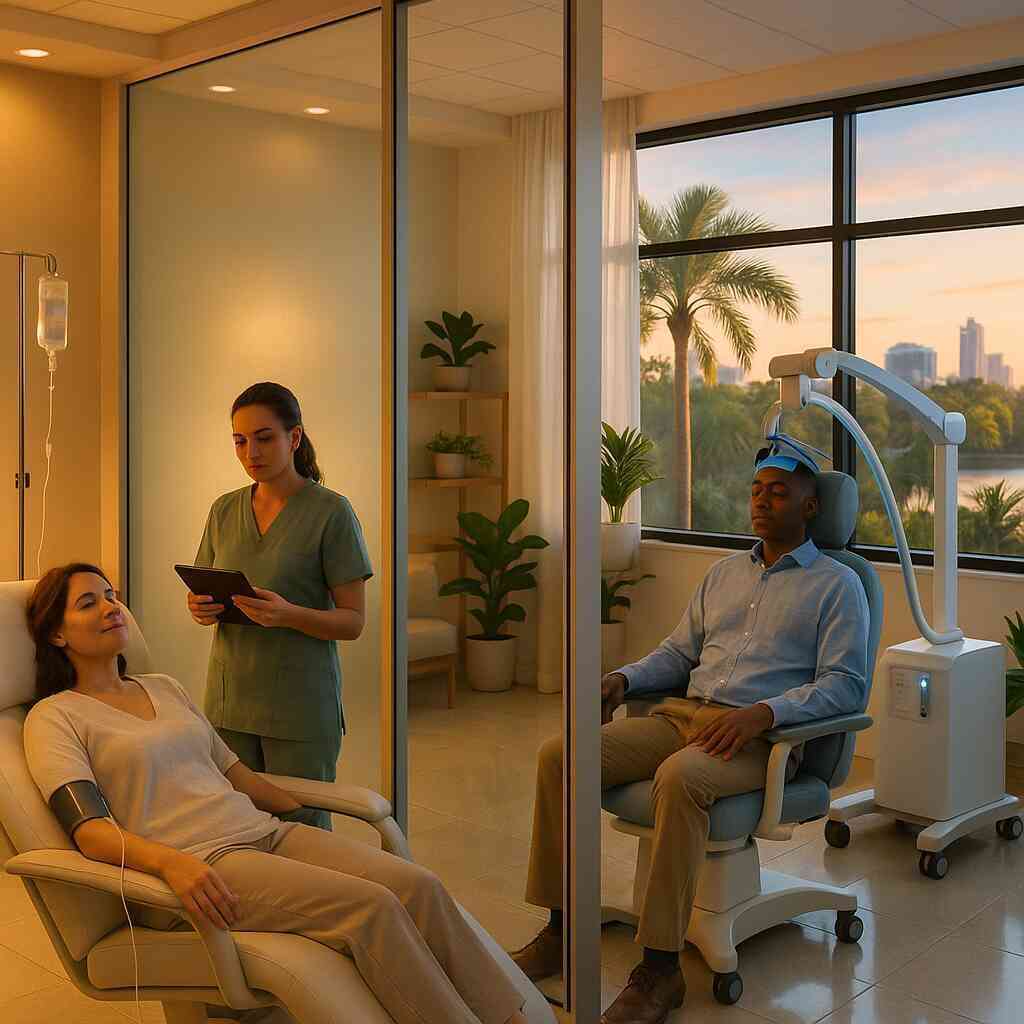
Choosing a pathway amid multiple innovative options can feel daunting. Start by clarifying immediate priorities: rapid relief, maintenance potential, or medication-free care. Ketamine infusion in Orlando offers speed, often lifting mood within hours, yet requires supervised transport home and ongoing cost considerations. Conversely, non-invasive brain stimulation offers a gradual transformation without sedation, aligning with the busy schedules of professionals. Comparing these variables helps families match treatment to lifestyle, safety profile, and budget.
Geography also guides decisions. Residents near theme parks may prefer local infusions, while those elsewhere might value statewide TMS accessibility. The navigation guide to ketamine and TMS clinics in South Florida outlines commute times, parking tips, and telehealth follow-up options. Reviewing such logistics reduces friction that can derail continuity. Importantly, many clients eventually use both modalities sequentially, starting with ketamine then transitioning to maintenance TMS.
Financial planning remains crucial because insurance-covered TMS Florida often offsets costs that infusions do not. Nevertheless, some insurers are now piloting bundled reimbursement models for integrated care, reflecting the evolving evidence. Patients should request itemized estimates, clarify deductible status, and explore health savings accounts. Transparent dialogue prevents surprise bills and strengthens therapeutic alliance. Finally, statewide outreach programs, including service areas for TMS therapy across Florida’s counties, ensure that high-quality care reaches both urban and rural communities.
A thoughtful decision ultimately considers clinical data, personal values, and practical logistics. By consulting multidisciplinary teams, patients create flexible plans that adapt to life’s inevitable changes. Whether beginning with ketamine therapy in Florida or entering a TMS suite, the shared objective remains lasting wellness. TMS Treatment Florida is ready to guide you through each step, combining scientific rigor with compassionate support. Your journey toward renewed vibrancy can start today.
Frequently Asked Questions
Question: How does TMS Treatment Florida decide whether ketamine infusion Orlando or transcranial magnetic stimulation Orlando will work best for my treatment-resistant depression?
Answer: Every new patient begins with an in-depth clinical assessment that reviews medical history, current medications, lifestyle, and previous treatment-resistant depression solutions. Our multidisciplinary team-psychiatrists, TMS technicians, and anesthesiology-trained ketamine providers-uses evidence-based decision trees to match therapy to your neurobiology and goals. If you need rapid relief from depression, Orlando results because suicidal thinking or functional decline is urgent, we may start with low-dose ketamine infusion or esketamine nasal spray, Orlando. If you prefer non-invasive brain stimulation without sedatives, insurance-covered TMS Florida becomes the first line. Many clients ultimately use both modalities sequentially: ketamine for crisis stabilization followed by maintenance TMS therapy in Florida to lock in neuroplasticity enhancement treatments. This personalized roadmap maximizes safety, cost-effectiveness, and long-term remission.
Question: I enjoyed your blog, ‘Exploring Ketamine Versus TMS for Mental Health in Orlando.’ Can you explain how personalized TMS mapping the efficacy of ketamine versus TMS?
Answer: Thank you for reading! Personalized TMS mapping employs MRI or EEG guidance to pinpoint the exact prefrontal or limbic coordinates driving your symptoms, ensuring that magnetic pulses reach the right cortical circuits. When we combine that precision with insights gained during ketamine-assisted psychotherapy sessions in Florida, where cognitive patterns surface while the brain is highly plastic, we can fine-tune coil placement and stimulation frequency. The result is a synergistic approach: ketamine opens neural “windows of opportunity,” and targeted TMS for anxiety or depression protocols reinforces healthier pathways for months or years. Early outcome data show this integrative strategy improves remission rates compared with using either treatment alone.
Question: What does insurance typically cover for TMS therapy in Florida, and how does that compare to the cost in Orlando?
Answer: Most major insurers, including Medicare, recognize repetitive TMS as medically necessary for treatment-resistant depression and increasingly for OCD neuromodulation TMS. Once we submit prior authorization documentation, patients are often responsible only for standard specialist copays. By contrast, outpatient ketamine therapy remains off-label for mood disorders, so infusions are usually self-pay. A single injection ranges from $350 to $550, and an induction series can total $2,000 to $4,000. We provide transparent pricing, health savings account guidance, and research trial referrals to reduce the cost of Orlando’s burdens. Many families utilize their insurance for TMS and reserve ketamine funds for acute flare-ups, thereby creating a balanced and sustainable financial plan.
Question: Does TMS Treatment Florida offer a specialized bipolar disorder TMS protocol, and how is it different from standard depression treatment?
Answer: Yes. We follow the FDA-cleared bipolar disorder TMS protocol that Florida centers are adopting. Compared with unipolar depression settings, pulse frequencies and session schedules are modified to minimize the risk of inducing mania. Our clinicians track mood charts and motor thresholds each week, coordinating closely with your prescribing psychiatrist to adjust mood-stabilizing medications when necessary. This protocol allows many bipolar clients to experience mood elevation and cognitive clarity without the systemic side effects associated with higher-dose pharmacotherapy.
Question: How do you integrate ketamine therapy in Florida with long-term remission depression TMS maintenance for holistic mental health in Orlando?
Answer: Integration begins the moment you enter our clinic. During ketamine clinic Orlando infusions, a licensed therapist guides mindfulness and narrative restructuring so insights translate into action. Once depressive scores improve, we shift to scheduled TMS booster sessions-often 1-2 times per month-to reinforce synaptogenesis sparked by ketamine’s glutamatergic surge. Simultaneously, you’ll meet with nutritionists, sleep coaches, and anxiety specialists, ensuring lifestyle factors support neuroplastic gains. Wearable tech tracks mood, activity, and circadian rhythms; if data hint at relapse, we can re-introduce a brief ketamine series or adjust TMS parameters quickly. This closed-loop, holistic model keeps you thriving rather than simply symptom-free.