Top 6 Lifestyle Habits That Strengthen TMS Therapy Results
Introduction: The Synergistic Path to Mental Wellness
Understanding the Foundation of TMS Therapy
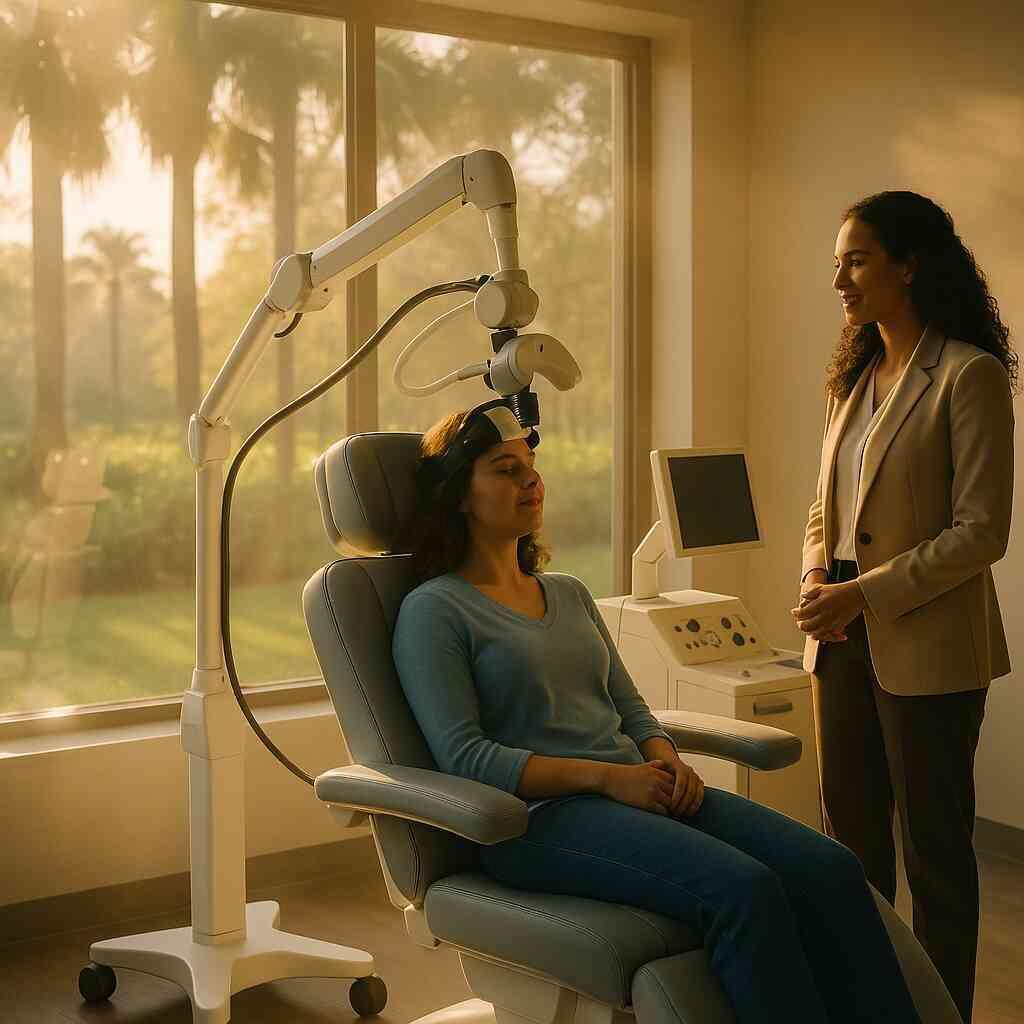
Transcranial Magnetic Stimulation (TMS) represents a significant advancement in mental health care, offering a non-invasive path to healing. This therapy uses targeted magnetic pulses to stimulate underactive brain regions associated with mood regulation. TMS promotes neuroplasticity-the brain’s ability to form new, healthier neural connections. Unlike systemic medications, this precise approach directly addresses the neural circuitry involved in conditions like depression and anxiety. Understanding this foundation empowers you to participate actively in your healing journey with informed confidence.
Why Lifestyle Integration is Crucial for TMS Treatment Success
While TMS provides a powerful neurological catalyst for change, your daily habits build the scaffolding for lasting recovery. Integrating supportive lifestyle practices is crucial because it creates an optimal biological environment for your brain to heal and solidify new pathways. Your daily routine can either amplify or diminish the work happening during your sessions at a TMS clinic. By adopting complementary habits, you protect your investment in treatment and accelerate your progress toward mental wellness. This synergy between advanced treatment and daily self-care is key to unlocking the most profound and enduring results.
The Holistic Philosophy at TMS Treatment Florida
At TMS Treatment Florida, our philosophy extends beyond the treatment chair. We believe sustainable healing emerges from a comprehensive approach that honors the connection between mind, body, and lifestyle. Our team guides you through not just the technical aspects of Transcranial Magnetic Stimulation treatment, but also the daily practices that support it. We view each patient’s journey as a unique opportunity to blend cutting-edge technology with personalized wellness strategies. This commitment to holistic care ensures your path to recovery is as nurturing as it is scientifically advanced.
-
The Neuro-Nutrition Protocol: Fueling Brain Plasticity
Essential Nutrients That Support TMS Treatment Outcomes
Your brain requires specific nutritional building blocks to repair itself and strengthen the new connections forged by TMS. Omega-3 fatty acids, found in fatty fish, are fundamental for maintaining neuronal health and facilitating communication between brain cells. B vitamins, particularly B12, B6, and folate, are vital for producing neurotransmitters like serotonin and dopamine. Antioxidants from colorful fruits and vegetables combat oxidative stress that can impede neural growth. Minerals like magnesium and zinc play critical roles in modulating the brain’s response to stimulation. Prioritizing these nutrients is a powerful strategy for improving Transcranial Magnetic Stimulation outcomes.
Dietary Patterns for Optimizing TMS Therapy
Adopting a consistent, brain-healthy dietary pattern can significantly elevate your TMS therapy experience. The Mediterranean diet, rich in plants, whole grains, and healthy fats, is extensively researched for its positive impact on mood and cognitive function. This pattern provides steady energy and reduces inflammatory responses that can cloud mental clarity. Focusing on whole, unprocessed foods ensures a steady supply of glucose, your brain’s primary fuel, without the crashes associated with refined sugars. Planning meals around your therapy schedule can also help; a light, nutritious snack beforehand can stabilize your energy, while a protein-rich meal afterward supports recovery.
Foods to Embrace and Avoid During Your TMS Treatment Journey
Mindful food choices can directly influence your treatment trajectory. Embrace foods like wild-caught salmon, walnuts, leafy greens, berries, and legumes to supply essential fats, vitamins, and antioxidants. Conversely, minimize intake of processed foods, refined sugars, and excessive caffeine, as these can promote inflammation, anxiety, and energy instability. Highly processed foods can also negatively affect gut health, which is intimately linked to mood through the gut-brain axis. Making conscious choices to nourish your body is a profound act of self-care that synergizes with your clinical treatment.
-
The Chronotherapy Alignment: Mastering Sleep Architecture
Sleep Hygiene as a Cornerstone for Enhancing TMS Therapy
Sleep is not merely downtime; it is an active, essential period of neural maintenance and consolidation critical for TMS success. During deep sleep, the brain clears metabolic waste, solidifies new neural pathways, and regulates emotional centers. Prioritizing sleep hygiene is non-negotiable for optimal results. Establish a consistent sleep-wake schedule, even on weekends, to regulate your body’s internal clock. Create a cool, dark, and quiet bedroom environment. Limiting screen exposure for at least an hour before bed prevents blue light from suppressing melatonin, the hormone essential for sleep onset.
Synchronizing Your Circadian Rhythm with TMS Treatment Sessions
Aligning your daily rhythm with your treatment schedule creates a powerful synergy for healing. If possible, schedule your TMS clinic appointments for a consistent time of day, preferably in the morning or early afternoon. This consistency helps regulate your circadian rhythm. Exposure to natural sunlight soon after waking powerfully reinforces your internal clock, boosting daytime alertness and improving nighttime sleep quality. Avoiding heavy meals, intense exercise, and stimulating conversations too close to bedtime allows your nervous system to transition smoothly into rest.
How Quality Sleep Strengthens TMS Therapy Efficacy for Depression and Anxiety
The link between restorative sleep and improved mood is exceptionally strong, making it a vital component of TMS for depression. Deep sleep stages are crucial for processing emotional experiences and reducing the reactivity of the brain’s fear center, the amygdala. For individuals managing anxiety, consistent, quality sleep increases resilience to stress and improves prefrontal cortex function. When you are well-rested, your brain is more receptive to the neuromodulatory effects of TMS. Viewing sleep as an active part of your treatment protocol empowers you to directly contribute to strengthening TMS therapy efficacy every night.
-
The Targeted Movement Regimen: Beyond General Exercise
Exercise Modalities That Complement TMS Therapy for Specific Disorders
Movement is a potent co-therapy, but its application should be as thoughtful as your TMS protocol. For depression, rhythmic aerobic exercises like brisk walking, swimming, or cycling are superb for boosting endorphins and brain-derived neurotrophic factor (BDNF), a protein that supports neuroplasticity. For anxiety disorders, mind-body practices such as yoga, tai chi, or Pilates can be transformative, as they directly teach regulation of the breath and nervous system. Patients with OCD may benefit from exercises that require focused attention. Understanding these nuances allows you to select exercise modalities that complement TMS therapy for your specific needs.
Building a Routine for TMS Treatment Success
Consistency trumps intensity when building an exercise routine to support your mental health journey. Start with manageable goals, such as a 15-minute daily walk, to build momentum. Anchor this activity to an existing habit, like taking a walk right after your morning coffee or before your scheduled TMS session. As your energy and mood begin to improve, you can gradually increase the duration or intensity. The primary goal is neurological support and mood regulation, not athletic performance. This sustainable approach ensures physical activity becomes a reliable pillar in your lifestyle integration.
Movement as Medicine for OCD and Bipolar Disorder Management Alongside TMS
For conditions like OCD, exercise can serve as a healthy channel for restless energy and intrusive thoughts, providing a tangible sense of control and present-moment focus. For individuals managing bipolar disorder, a consistent, moderate exercise regimen is invaluable for stabilizing mood cycles, improving sleep, and managing stress without triggering mania. In both cases, movement acts as a grounding force, complementing the neuromodulation achieved through TMS. Discussing your exercise plans with your treatment team ensures your regimen supports your overall stability.
-
The Stress Deactivation Framework: Cultivating Psychological Resilience
Advanced Mindfulness and TMS Therapy Lifestyle Integration
Mindfulness is the practice of anchoring your awareness in the present moment without judgment, and it is a powerful ally to TMS. While TMS works on a physiological level to calm overactive neural circuits, mindfulness trains the mind to observe thoughts and feelings without being hijacked by them. Techniques like focused breathing, body scans, or mindful walking can be seamlessly integrated before or after your treatment sessions to center yourself. This practice enhances neuroplasticity by strengthening the prefrontal cortex, the brain region responsible for executive function and emotional regulation.

Techniques for Managing Anxiety and Chronic Pain During TMS Treatment
Specific mindfulness-based techniques can directly address common co-occurring challenges like anxiety and chronic pain. Diaphragmatic breathing, or “belly breathing,” activates the parasympathetic nervous system, counteracting the fight-or-flight response that fuels anxiety. For managing persistent pain, practices like guided imagery or progressive muscle relaxation can help modulate pain perception and reduce associated muscular tension. Learning to differentiate between the physical sensation of pain and the catastrophic thoughts about it can reduce suffering. These techniques provide you with an internal toolkit for self-regulation.
Creating a Low-Stress Environment for TMS Therapy Recovery
Your external environment significantly impacts your internal state. Dedicate time to declutter and organize your living spaces, as visual chaos can contribute to cognitive overload and anxiety. Introduce calming elements like soft lighting, comfortable textures, or soothing nature sounds. Be intentional with your digital environment by setting boundaries on news consumption and social media use. Learn to protect your time and energy by politely saying “no” to non-essential commitments that drain you. Crafting this sanctuary supports the deep work of neural reorganization.
-
The Social Synergy Strategy: Building a Support Ecosystem
The Role of Connection in TMS Treatment Long-Term Results
Human connection is a fundamental neurobiological need and plays a pivotal role in sustaining TMS benefits. Positive social interactions release oxytocin and dopamine, neurotransmitters that promote feelings of safety, reward, and well-being. Sharing your experiences with trusted individuals can reduce the burden of isolation often associated with mood disorders. A supportive network provides practical help, such as transportation to appointments or encouragement on difficult days. This web of connection reinforces the new, healthier patterns your brain is learning.
Communicating Your TMS Journey in Duval, Orange, and Miami-Dade Counties
Opening up about your treatment can feel daunting, but clear communication empowers both you and your support system. You might explain TMS as a non-invasive, FDA-cleared therapy that uses magnetic fields to help your brain regulate mood more effectively. Share what you need, whether it’s a listening ear after a session, help with daily tasks, or simply patience. Connecting with local support groups in communities from Duval to Miami-Dade Counties can provide invaluable peer understanding.
Leveraging Community for TMS Therapy Adherence and Lifestyle Support
Your community is a powerful resource for maintaining momentum. A workout buddy can help you stick to your movement regimen, while a friend interested in healthy cooking can make nutritional changes more enjoyable. Consider joining a meditation group or a book club to foster connection around positive activities. For those in South Florida, engaging with community wellness events or nature groups can blend social support with healthy habits. This collective engagement transforms healthy living from a solitary task into a shared, enriching experience.
-
The Consistency Blueprint: Ritualizing Your Healing Journey
Structuring Your Day Around TMS Clinic Appointments
Consistency is the engine of habit formation and neural change. Treat your TMS clinic appointments as immovable pillars in your weekly schedule, planning other activities around them. Build a predictable pre- and post-session ritual to signal to your brain that it is entering a healing phase; this could involve listening to a specific playlist during your commute or enjoying a calming tea afterward. Block out time following your appointment for gentle activity or reflection. This structured approach reduces decision fatigue and anxiety, allowing you to fully receive the benefits of each session.
Habit Stacking for Holistic Support for TMS Treatment
“Habit stacking” is a powerful technique where you attach a new, desired habit to an existing one. This method seamlessly weaves supportive practices into your day. For example, after your morning tooth brushing (existing habit), you could practice one minute of deep breathing (new habit). After sitting down for lunch, you might take three moments to express gratitude. Following your afternoon TMS therapy session, you could go for a ten-minute walk. These small, stacked actions compound over time, creating a robust framework of holistic support without relying on sheer willpower.
Tracking Progress and Optimizing Your TMS Treatment Routine
Objective tracking provides invaluable feedback and motivation on your journey. Use a simple journal or app to note daily moods, energy levels, sleep quality, and adherence to your supportive habits. Record any observations following your TMS sessions. Over weeks, patterns will emerge, revealing which lifestyle factors most powerfully boost your well-being. Perhaps you notice significantly better mood on days you exercise or worse sleep after consuming caffeine in the afternoon. Share these insights with your treatment team; this data allows for personalized tweaks to your overall plan.
Conclusion: Your Personalized Roadmap to Sustained Transformation
Integrating Habits for a Comprehensive TMS Therapy Experience
True healing is an active, daily practice of integration. The six lifestyle pillars-neuro-nutrition, sleep mastery, targeted movement, stress deactivation, social synergy, and consistent ritual-work synergistically with your TMS protocol. They create the fertile ground in which its seeds can take deepest root. By mindfully incorporating even one or two of these habits, you dramatically increase your agency in the recovery process. This comprehensive approach ensures your TMS therapy experience is multidimensional, addressing your well-being from every angle for the most robust and lasting outcome.
Partnering with TMS Treatment Florida for a Holistic Approach to Wellness
Your journey is one you never have to walk alone. At TMS Treatment Florida, our dedicated team is your partner in crafting this holistic path. We provide not only state-of-the-art Transcranial Magnetic Stimulation treatment but also the guidance and resources to support your lifestyle transformation. From our clinics across the state, we are committed to understanding your unique story and challenges. Partnering with experts who view you as a whole person is the ultimate strategy for optimizing TMS treatment with healthy habits and achieving the wellness you deserve.
Embracing the Journey Toward Long-Term Mental Wellness
The path to mental wellness is a journey of courage, patience, and self-compassion. Each supportive habit you build is a brick in the foundation of a healthier, more resilient future. Celebrate your progress, however small, and practice grace with yourself on challenging days. The goal is sustainable transformation, not perfection. By combining the powerful neuromodulation of TMS with intentional daily living, you are not just seeking symptom relief-you are reclaiming your life. We at TMS Treatment Florida are honored to support you as you embrace this journey toward enduring vitality and long-term mental wellness.
Frequently Asked Questions
Question: How does TMS Treatment Florida integrate lifestyle habits with Transcranial Magnetic Stimulation treatment to improve outcomes?
Answer: At TMS Treatment Florida, we believe in a holistic approach to mental wellness. Our Transcranial Magnetic Stimulation treatment is most effective when combined with supportive daily habits. We provide personalized guidance on neuro-nutrition, sleep hygiene, targeted exercise, stress management, social support, and consistent routines that create an optimal environment for your brain to heal. This integration is key to enhancing TMS therapy and achieving long-term mental wellness. Our team works with you to develop a customized plan that complements your TMS therapy, ensuring you receive comprehensive care that addresses both neurological and lifestyle factors for the best possible results.
Question: What specific lifestyle recommendations does TMS Treatment Florida offer to support TMS depression treatment in Florida?
Answer: For patients undergoing TMS depression treatment in Florida, we emphasize several core lifestyle habits. We recommend a neuro-nutrition protocol rich in omega-3s and B vitamins to fuel brain plasticity, a consistent sleep schedule to strengthen therapy efficacy, and a targeted movement regimen like aerobic exercise to boost mood-regulating neurotransmitters. We also teach stress deactivation techniques such as mindfulness and help you build a supportive social ecosystem. These complementary habits for TMS are designed to work synergistically with your clinical sessions, optimizing recovery and providing holistic support throughout your journey.
Question: Can you explain the importance of sleep hygiene as mentioned in the blog ‘Top 6 Lifestyle Habits That Strengthen TMS Therapy Results’?
Answer: Absolutely. Sleep hygiene is a cornerstone for enhancing TMS therapy because quality sleep is when your brain consolidates the new neural pathways formed during treatment. At our TMS clinic, we educate patients on synchronizing their circadian rhythm with their treatment schedule. This includes maintaining a consistent sleep-wake cycle, creating a restful environment, and limiting screen time before bed. Proper sleep architecture directly strengthens TMS therapy efficacy for depression and anxiety by improving emotional processing and neural receptivity. We view sleep as an active component of your TMS treatment plan, crucial for boosting benefits and ensuring sustainable recovery.
Question: How does TMS Treatment Florida assist patients in Duval, Orange, and Miami-Dade Counties with TMS therapy lifestyle integration?
Answer: Across all our service areas, from Duval to Miami-Dade Counties, we provide consistent, personalized support for TMS therapy lifestyle integration. Our approach includes one-on-one consultations to help you structure your day around TMS clinic appointments, habit-stacking strategies to seamlessly incorporate wellness practices, and progress tracking to optimize your routine. We also help you communicate your TMS journey to build a local support network. This dedicated patient guidance ensures that no matter where you are in Florida, you receive the tools and encouragement needed for TMS treatment adherence and lifestyle support, fostering a holistic approach to wellness.
Question: What makes TMS Treatment Florida’s approach to TMS in South Florida unique in terms of patient care and aftercare?
Answer: Our approach to TMS in South Florida is defined by a commitment to comprehensive, compassionate patient care and aftercare. Beyond providing advanced Transcranial Magnetic Stimulation treatment, we focus on empowering you with lifelong wellness strategies. This includes detailed aftercare plans that encompass the six lifestyle pillars-nutrition, sleep, movement, stress management, social connection, and consistency. We offer ongoing guidance to help you maintain and build upon your treatment gains, ensuring long-term results. Our holistic support for TMS extends well beyond the final session, as we partner with you to cultivate mental health habits that sustain your recovery and promote enduring mental wellness.