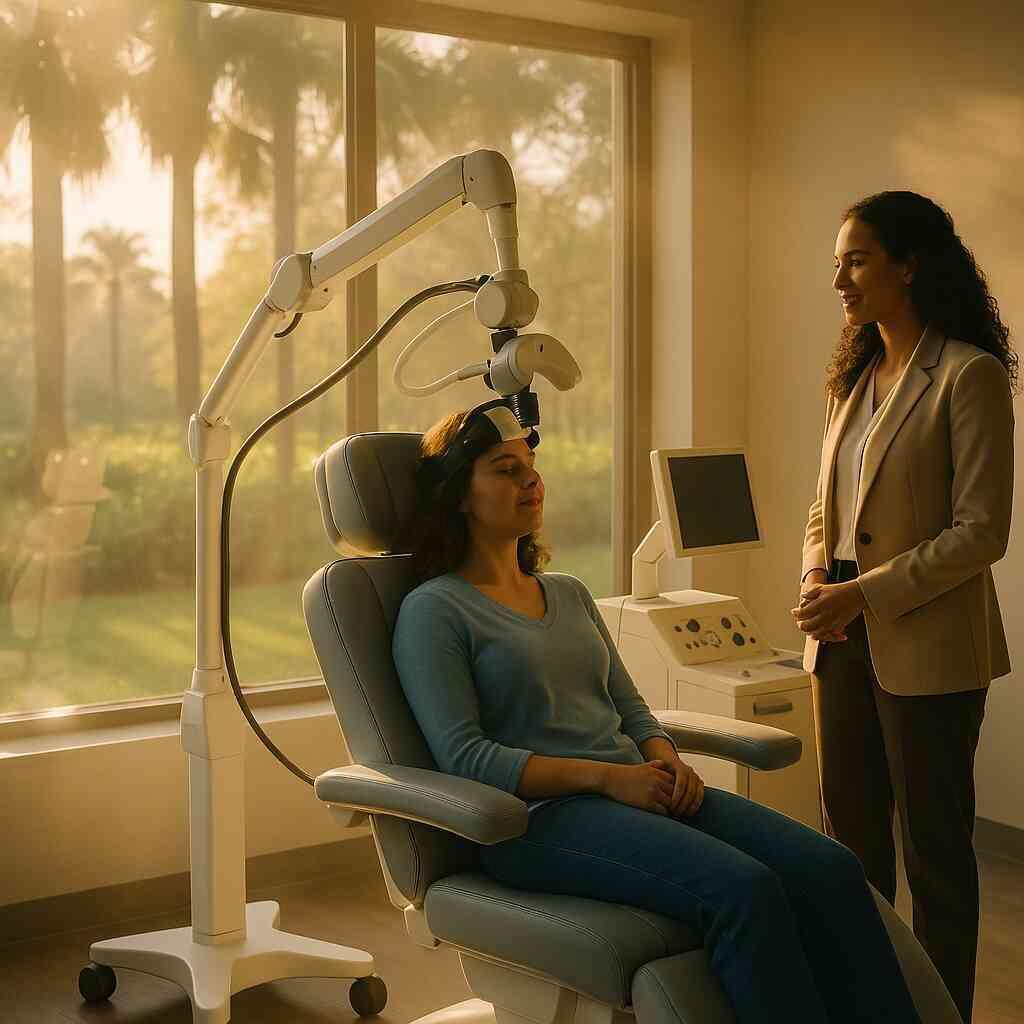
Top 6 Signs TMS Treatment Florida May Be Right for You
Modern psychiatry has reached a fascinating intersection where conventional pharmaceutical approaches meet advanced technological interventions. Many patients find that standard medication protocols provide insufficient relief for complex neurological conditions. As a result, individuals with persistent symptoms often seek alternative pathways toward mental wellness. Determining your transcranial magnetic stimulation eligibility in Florida is a promising avenue for those who have exhausted traditional treatment options. This innovative approach represents a paradigm shift toward precision neuromodulation techniques.
Spring Season Emotional Renewal Options Amidst Subtropical Climate Mood Regulation Challenges
Florida’s unique subtropical climate presents distinct challenges for individuals managing seasonal affective patterns and mood disorders. The intense humidity and sunlight variations can exacerbate existing neurological vulnerabilities during spring months. Many residents also experience heightened emotional dysregulation when atmospheric pressure fluctuates rapidly. A guide to spring season emotional renewal options provides essential strategies for navigating these environmental stressors effectively. Patients often report increased irritability and energy depletion during these transitional periods.
Therapeutic interventions must account for these regional climatic factors when addressing mental health concerns. Traditional talk therapy alone frequently proves inadequate against such powerful environmental triggers. Medication adjustments often fail to address the root neurological causes of climate-sensitive mood disorders. Therefore, specialized approaches targeting brain circuitry directly become necessary for sustainable recovery. Transcranial magnetic stimulation offers precisely this type of targeted intervention for affected individuals.
Interventional Psychiatry Candidacy Markers: Identifying Treatment Algorithm Exhaustion Signs
Recognizing when standard psychiatric protocols have reached their therapeutic limits requires careful clinical assessment and self-awareness. Patients typically undergo multiple medication trials before encountering the frustrating reality of treatment-resistant conditions. Many individuals also experience partial responses that plateau far below optimal functional capacity. An evaluation of interventional psychiatry candidacy markers helps identify those ready for advanced neuromodulation approaches. Specific indicators include failed responses to at least two antidepressant classes over adequate durations.
Clinicians examine longitudinal symptom patterns to distinguish between temporary setbacks and genuine algorithm exhaustion. Persistent functional impairment despite adherence to evidence-based pharmacotherapy strongly suggests candidacy for alternative interventions. The presence of intolerable adverse effects often accelerates the need for non-pharmaceutical solutions. Understanding these markers empowers patients to advocate for appropriate care escalation. Early identification prevents years of unnecessary suffering and disability.
From Psychopharmacological Tolerance Issues to Neuromodulation Possibilities
Prolonged exposure to psychotropic medications frequently leads to tolerance phenomena and diminishing therapeutic returns. Patients observe that previously effective dosages gradually lose their efficacy over months or years. Dose escalation attempts often yield only incremental benefits while amplifying side effect burdens. Alternative pathways for pharmacological intervention failures include cutting-edge neuromodulation techniques that bypass traditional drug mechanisms. These approaches directly influence neural plasticity without relying on receptor site modifications.
Neuromodulation therapies offer sustainable alternatives that do not depend on daily chemical ingestion. Transcranial magnetic stimulation specifically targets dysregulated cortical regions with magnetic pulses. This methodology also avoids systemic side effects common to oral medications. Patients experiencing pharmacological tolerance find renewed hope through these technological innovations. The transition represents a logical progression rather than a desperate last resort.
1) Persistent Anhedonia Despite Medication and Refractory Major Depressive Disorder Signs
Anhedonia, the profound inability to experience pleasure, represents one of depression’s most debilitating and treatment-resistant features. Many individuals continue suffering from emotional numbness despite diligent adherence to antidepressant regimens. This symptom often persists even when other depressive indicators show modest improvement. Treatment for persistent anhedonia despite medication specifically addresses this challenging clinical presentation. The condition significantly impairs social relationships and occupational functioning.
Pharmacological Intervention Failures and Therapeutic Plateau Identification
Accurately identifying therapeutic plateaus requires distinguishing between temporary response fluctuations and genuine treatment failures. Patients often spend months titrating dosages before recognizing that maximal benefits remain insufficient. Partial responders frequently normalize their suboptimal functioning, believing this represents their best possible outcome. Understanding therapeutic plateau identification expectations helps establish realistic benchmarks for recovery. A true plateau occurs when symptoms persist despite optimal medication management over twelve weeks.
Clinicians must evaluate functional outcomes alongside subjective mood reports. Cognitive symptoms such as concentration difficulties often indicate incomplete treatment response. Comprehensive assessment tools become essential for recognizing when standard care proves inadequate. Patients deserve access to advanced interventions before their condition deteriorates further. Early transition to neuromodulation prevents chronicity and disability.
Dorsolateral Prefrontal Cortex Targeting Therapy Indicators for Chronic Depressive Episode Persistence
The dorsolateral prefrontal cortex serves as a critical hub for mood regulation and executive functioning. Neuroimaging studies consistently reveal hypoactivity in this region among treatment-resistant depression patients. Chronic depressive episodes correlate strongly with structural changes in this specific neural circuit. Explanations of magnetic pulse neuromodulation indications demonstrate how targeted stimulation restores normal activity patterns. This precision approach addresses the root neurobiological dysfunction.
Patients experience improved cognitive flexibility and emotional processing capabilities. Dorsolateral prefrontal cortex targeting therapy shows particular efficacy for anhedonia symptoms. Individuals with persistent executive dysfunction represent ideal candidates for this intervention. The specificity of this approach minimizes unwanted effects while maximizing therapeutic benefits. Recovery becomes achievable through this scientific understanding of brain circuitry.
Antidepressant Side Effect Intolerance and Neurostimulation Therapy Prerequisites
Many patients discontinue pharmacotherapy due to intolerable adverse effects including weight gain, sexual dysfunction, and emotional blunting. These side effects often prove as disabling as the underlying mood disorder itself. Some individuals exhibit paradoxical reactions to standard antidepressant classes. Relief for medication-resistant mood disorder symptoms requires alternative mechanisms that bypass gastrointestinal and systemic side effects. Neurostimulation offers localized treatment without these complications.
Patients previously unable to tolerate medications find sustainable options through magnetic stimulation protocols. The absence of drug interactions makes this approach suitable for complex medical histories. Side effect intolerance represents a valid and common indication for TMS therapy. Prerequisites include adequate screening for metallic implants or seizure disorders. Most adults otherwise qualify for this gentle yet effective intervention.
2) Obsessive Compulsive Neurological Circuit Dysregulation and Intrusive Thought Patterns
Obsessive-compulsive disorder involves dysfunctional communication between the orbitofrontal cortex, striatum, and thalamus. These hyperactive circuits generate intrusive thoughts and compulsive behavioral patterns that resist standard therapeutic interventions. Many patients experience significant anxiety and depression comorbidities that complicate treatment. Neuroplasticity stimulation candidacy for OCD offers hope for those trapped in rigid neurological loops. The condition severely impacts daily functioning and quality of life.
Neuroplasticity Stimulation Candidacy for Treatment Resistant Obsessive Compulsive Disorder
Traditional exposure and response prevention therapy helps many OCD patients, yet substantial numbers remain symptomatic. These individuals often cycle through multiple serotonin reuptake inhibitors without achieving remission. Augmentation strategies with antipsychotics frequently provide only marginal improvements. An overview of brain pathway activation therapy explains how targeted stimulation modifies dysfunctional circuits. This approach leverages the brain’s inherent plasticity to establish healthier patterns.
Patients report decreased urge intensity and improved impulse control following neuromodulation protocols. Neuroplasticity stimulation candidacy extends to those with contamination fears, checking compulsions, and intrusive taboo thoughts. Severe OCD represents a primary indication for advanced TMS protocols. Treatment specifically targets the supplementary motor area and orbitofrontal regions. Recovery becomes possible through these precise neurological interventions.
Brain Pathway Activation Therapy Suitability for Compulsive Behavioral Loops
Compulsive behaviors persist because they temporarily reduce anxiety while reinforcing maladaptive neural pathways. Breaking these loops requires intervening at the circuit level rather than merely managing surface symptoms. Patients often feel trapped by their own neurological wiring despite intellectual awareness of irrationality. Comparative non-invasive brain stimulation methods include various approaches, though TMS offers superior focal precision. This specificity proves crucial for OCD circuit modification.
Brain pathway activation therapy demonstrates particular efficacy for symmetry, ordering, and hoarding subtypes. Treatment accessibility has improved significantly with modern TMS technology. Individuals suffering from treatment-resistant compulsions should consider neuromodulation assessment. The therapy requires no anesthesia and allows immediate return to daily activities. Lasting relief becomes achievable through these scientific advances.
Medication Resistant Mood Disorder Symptoms Within the OCD Spectrum
OCD frequently coexists with major depression, creating complex diagnostic and therapeutic challenges. Patients experiencing this comorbidity often face prolonged suffering due to medication interactions and compounded side effects. Standard treatments may address one condition while exacerbating the other. Breakthrough depression therapy indicators for ketamine offer comparisons to TMS for complex cases. Both represent essential tools in the interventional psychiatry arsenal.
Clinicians must evaluate whether symptoms stem primarily from depressive or obsessive circuitry. TMS protocols can target both conditions simultaneously through specific coil placements. Comprehensive assessment determines the optimal neuromodulation approach for each individual. Patients benefit from integrated care that addresses the full spectrum of their suffering. Recovery encompasses both mood stabilization and anxiety reduction.
3) Bipolar Depression Cyclical Stagnation and Affective Disorder Treatment Stagnation
Bipolar disorder presents unique treatment challenges due to its cyclical nature and mood state fluctuations. Depressive phases often prove more difficult to treat than manic episodes, lasting longer and causing greater functional impairment. Standard antidepressants risk inducing manic switches or rapid cycling in vulnerable individuals. Solutions for affective disorder treatment stagnation provide safe options during depressive phases. These approaches avoid the destabilization risks associated with pharmacological interventions.
Magnetic Pulse Neuromodulation Indications for Bipolar Spectrum Mood Stabilization
Bipolar depression requires careful differentiation from unipolar depression to ensure appropriate treatment selection. Patients experiencing depressive episodes without concurrent mania may benefit from targeted neuromodulation. Magnetic pulse neuromodulation indications specifically include bipolar II disorder and cyclothymic presentations. Non-invasive brain stimulation suitability options extend to these complex affective conditions. The treatment avoids the metabolic and cognitive side effects of mood stabilizers.
Patients maintain greater clarity and energy levels throughout the therapeutic process. TMS does not carry the same teratogenic risks as many anticonvulsant mood stabilizers. Bipolar individuals of childbearing potential find particular value in this approach. Treatment protocols typically involve careful monitoring for any emergence of hypomanic symptoms. Safety remains paramount throughout the neuromodulation course.
Transcranial Magnetic Stimulation Eligibility for Cyclical Affective Conditions
Determining candidacy for TMS among bipolar patients requires thorough psychiatric evaluation and mood state stabilization. Clinicians must ensure patients are not actively manic or mixed before initiating treatment. Medication regimens often continue during neuromodulation to maintain mood stability. Transcranial magnetic stimulation eligibility criteria generally accommodate bipolar depression under professional supervision. This inclusive approach recognizes the suffering associated with depressive phases.
Many patients experience significant mood elevation without crossing into manic territory. Maintenance TMS protocols may help prevent future depressive relapses. Cyclical affective conditions respond well to scheduled neuromodulation interventions. Patients report improved inter-episode functioning and greater emotional resilience. Long-term management strategies incorporate these technological advances effectively.
Advanced Depression Intervention Necessity During Depressive Phases
Depressive phases in bipolar disorder often resist standard antidepressant monotherapy due to biological differences from unipolar depression. Patients require sophisticated interventions that address the unique neurobiology of bipolar mood states. The risk of suicide increases significantly during these debilitating episodes. Benefits of medication-free mood disorder treatment include rapid response without pharmaceutical delays. This speed proves crucial for acute crisis intervention.
The necessity for advanced depression intervention drives innovation in bipolar care protocols. TMS offers a middle ground between medication and electroconvulsive therapy. Patients avoid the cognitive side effects associated with more invasive procedures. Treatment occurs in outpatient settings without anesthesia requirements. Recovery integrates seamlessly into daily life activities.
4) Generalized Anxiety Neurotransmitter Dysfunction and Persistent Hyperarousal
Generalized anxiety disorder involves chronic dysregulation of GABA and glutamate systems throughout the cortical and limbic regions. Patients experience persistent hyperarousal, catastrophic thinking, and physical tension that persist despite anxiolytic medications. Many develop dependence on benzodiazepines while seeking relief from overwhelming worry. Non-invasive brain stimulation suitability options provide sustainable alternatives to pharmacological management. These approaches target the anxiety circuitry directly.
Non-Invasive Brain Stimulation Suitability for Anxiety Disorders
Anxiety disorders respond variably to cognitive behavioral therapy and medication combinations. Treatment-resistant cases often involve overactive amygdala responses that override prefrontal regulatory mechanisms. Chronic anxiety leads to structural brain changes that perpetuate the disorder. Comparative non-invasive brain stimulation methods offer various approaches, with TMS showing robust evidence for specific anxiety subtypes. This technology modulates cortical excitability safely.
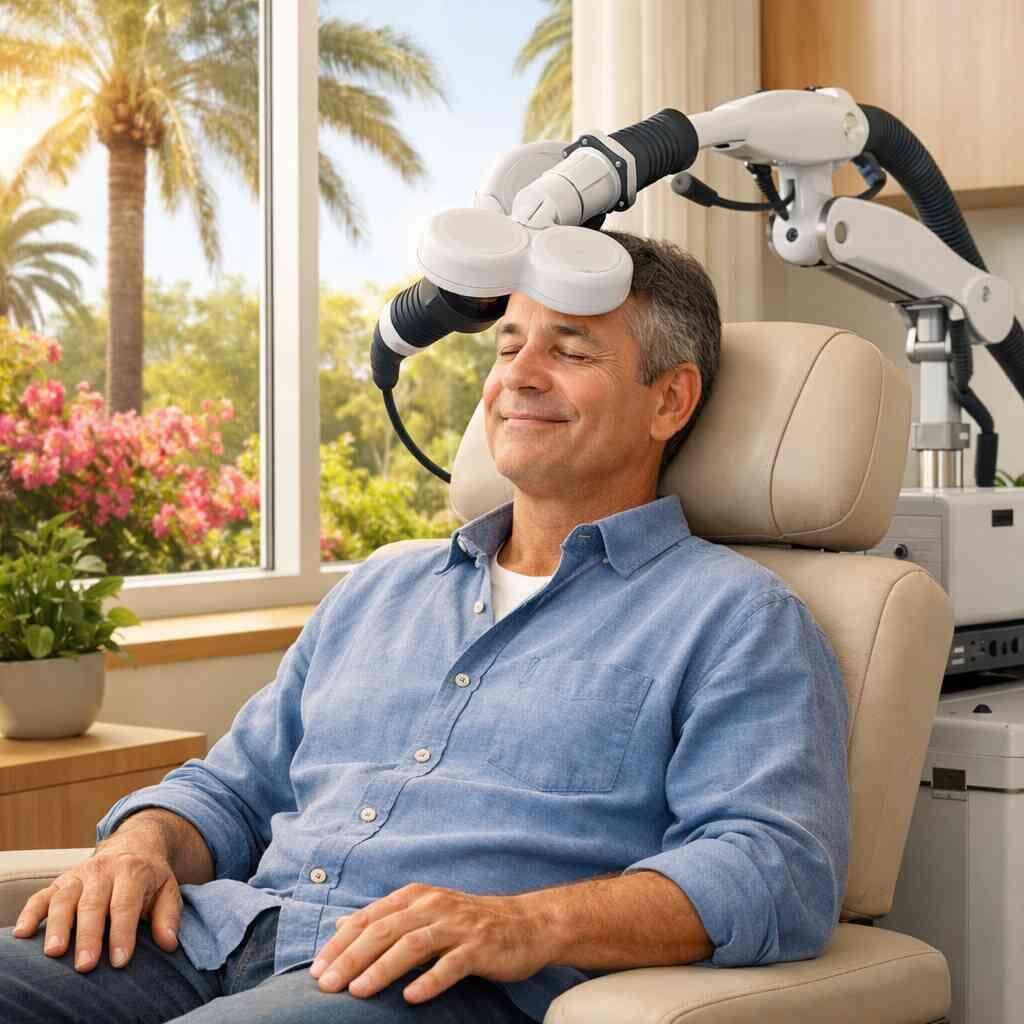
Patients experience reduced physiological arousal and improved stress tolerance. Non-invasive brain stimulation suitability extends to panic disorder, social anxiety, and PTSD presentations. Anxious individuals who fear medication dependence find particular appeal in this approach. Treatment sessions occur in comfortable, office-based environments. Anxiety reduction often begins within the first two weeks of therapy.
Neuromodulation Appropriateness Assessment for Chronic Worry and Panic Patterns
Chronic worry represents a cognitive avoidance strategy that maintains anxiety through neural reinforcement loops. Breaking these patterns requires interrupting the default mode network’s overactivity. Panic attacks involve sudden amygdala activation that cognitive strategies alone cannot prevent. A neuromodulation appropriateness assessment evaluates the severity and treatment history of these symptoms. Clinicians examine previous responses to exposure therapy and pharmacological interventions.
Patients with prominent somatic anxiety symptoms often show excellent responses to TMS. Those experiencing panic-related depression comorbidities benefit from combined targeting approaches. Comprehensive evaluation ensures optimal treatment customization. The assessment process includes detailed neurological and psychiatric histories. Appropriate candidates proceed quickly to therapeutic intervention.
Psychiatric Medication Discontinuation Considerations for Anxiolytic Dependence
Benzodiazepine dependence represents a significant public health crisis among chronic anxiety patients. Many individuals find themselves unable to discontinue these medications despite wanting alternative treatments. Withdrawal phenomena often prevent successful tapering attempts without adequate support. Solutions for treatment algorithm exhaustion and coverage help patients access neuromodulation as they transition from medications. Insurance coverage increasingly recognizes TMS for anxiety indications.
TMS serves as a bridge therapy during medication discontinuation processes. The treatment reduces withdrawal-related anxiety and depressive symptoms effectively. Patients achieve medication-free status through structured neuromodulation support. Clinical teams coordinate closely with prescribing physicians during tapers. Successful outcomes include sustained remission without pharmacological dependence.
5) Chronic Pain Somatic Symptom Clusters and Neuroinflammatory Depression Comorbidity
Chronic pain and depression frequently coexist through shared neuroinflammatory pathways and central sensitization mechanisms. Patients suffering from fibromyalgia, neuropathic pain, or migraine often experience comorbid mood disorders that amplify suffering. Traditional pain medications provide inadequate relief while carrying significant addiction risks. Somatic symptom resolution alternatives for pain address both conditions simultaneously through neuromodulation. This integrated approach recognizes the mind-body connection.
Somatic Symptom Resolution Alternatives Through Magnetic Stimulation
Somatic symptoms including unexplained pain, fatigue, and gastrointestinal distress often resist conventional medical explanations. Patients frequently encounter dismissal or minimization of their physical complaints within standard healthcare settings. Psychotropic medications offer limited relief for physical manifestations of distress. Somatic symptom resolution alternatives target the somatosensory cortex and related pain processing networks. Magnetic stimulation reduces central sensitization effectively.
Patients report decreased pain intensity and improved functional capacity. Sleep quality often improves as pain levels diminish. Individuals with complex somatic presentations find validation through this neurobiological approach. Treatment acknowledges the real neural basis of their physical suffering. Recovery encompasses both physical comfort and emotional wellbeing.
Medication-Free Mood Disorder Treatment Approaches for Pain Depression Intersections
The intersection of chronic pain and depression creates treatment complexity that polypharmacy often fails to address adequately. Patients juggling multiple medications for pain and mood frequently experience drug interactions and cumulative side effects. Opioid medications specifically worsen depression through neurochemical mechanisms. Medication-free mood disorder treatment approaches break this cycle of pharmaceutical dependence. Neuromodulation offers genuine healing rather than mere symptom suppression.
Patients regain cognitive clarity and physical energy previously dampened by medications. The absence of systemic drug effects allows natural healing processes to occur. Pain-depression syndromes respond particularly well to TMS interventions. Treatment protocols may target both the prefrontal cortex and motor cortex regions. Lasting relief becomes sustainable without chemical dependencies.
Breakthrough Depression Therapy Indicators When Analgesics Fail
When traditional analgesics fail to address pain-related depression, patients require innovative therapeutic strategies. Persistent suffering despite adequate pain management indicates underlying neurological dysfunction requiring targeted intervention. The psychological toll of unremitting pain often exceeds the physical discomfort itself. Breakthrough depression therapy indicators include treatment-resistant mood symptoms alongside chronic pain conditions. These patients deserve access to advanced interventions.
TMS serves as a critical tool in multidisciplinary pain management programs. Mood improvement often precedes and facilitates pain reduction through descending inhibitory pathways. Addressing depression directly improves pain outcomes significantly. Patients experience renewed hope and engagement with rehabilitation activities. Comprehensive care integrates neuromodulation with physical therapy and psychological support.
6) Migraine Aura Cortical Hyperexcitability and Sensory Processing Disruption
Migraine involves cortical spreading depression and abnormal neuronal excitability that disrupts sensory processing systems. Patients experience debilitating headaches, visual disturbances, and cognitive fog that interfere with daily functioning. Many develop medication overuse headaches from frequent acute treatments. Transcranial magnetic stimulation eligibility for refractory headache disorders provides preventive and acute relief options. This approach modulates the hyperexcitable cortex directly.
Transcranial Magnetic Stimulation Eligibility for Refractory Headache Disorders
Refractory migraines resist standard prophylactic medications including beta-blockers, anticonvulsants, and monoclonal antibodies. Patients often cycle through numerous preventive therapies without achieving adequate relief. Many experience intolerable side effects from these pharmaceutical interventions. Dorsolateral prefrontal cortex targeting for migraines offers a novel mechanism for headache prevention. This targeting reduces cortical hyperexcitability effectively.
Patients experience fewer migraine days and reduced headache severity. Acute TMS devices can abort attacks when used at aura onset. Comprehensive migraine management incorporates both preventive and abortive neuromodulation strategies. Treatment avoids the cardiovascular and cognitive side effects of traditional preventives. Quality of life improves significantly through this technological innovation.
Magnetic Pulse Neuromodulation Indications for Cortical Spreading Depression
Cortical spreading depression represents the neurophysiological basis of migraine aura and pain generation. This wave of neuronal depolarization travels across the cortex, triggering inflammatory responses and pain signaling. Repeated episodes may cause cumulative neurological damage over time. Magnetic pulse neuromodulation indications specifically include interrupting this pathological cascade. Stimulation stabilizes neuronal membranes before spreading depression initiates.
Patients report reduced aura frequency and diminished photophobia during attacks. Cognitive symptoms associated with postdrome phases show significant improvement. Early intervention prevents the full migraine cascade from developing. Treatment protocols vary between preventive and acute applications. Both approaches demonstrate substantial efficacy in clinical trials.
Florida Mental Health Alternative Solutions for Seasonal Migraine Patterns
Florida’s intense sunlight and weather fluctuations trigger seasonal migraine patterns among sensitive individuals. The state’s unique climate challenges require specialized management strategies beyond standard pharmaceutical protocols. Seasonal variations in barometric pressure exacerbate underlying neurological vulnerabilities. Florida mental health alternative solutions near you provide accessible care throughout the peninsula. Patients find relief without traveling extensively for specialized treatment.
Local access removes barriers that previously prevented consistent migraine management. Specialized clinics understand the specific challenges of subtropical living. Floridians benefit from geographically informed care approaches. Treatment schedules accommodate the busy lifestyles of working professionals and families. Sustainable headache management becomes achievable through these regional resources.
The Dawn of Neuromodulation: Your Pathway to Neuroplastic Recovery in the Sunshine State
The evolution of psychiatric care has reached a pivotal moment where technology enables genuine neuroplastic transformation. Patients throughout Florida now access treatments that were unavailable mere decades ago. The stigma surrounding mental health intervention continues to diminish as biological bases become understood. Determining your transcranial magnetic stimulation eligibility in Florida represents the forefront of this medical revolution. Hope persists for those who previously believed recovery impossible.
Reclaiming Cognitive Vitality Through Transcranial Magnetic Stimulation Treatment
Cognitive impairment frequently accompanies mood disorders, affecting memory, concentration, and decision-making capacities. These deficits often persist even after mood symptoms improve with traditional treatments. Many patients feel mentally “foggy” from medication side effects. Reclaiming cognitive vitality through transcranial magnetic stimulation treatment addresses these executive function deficits directly. The therapy enhances prefrontal cortex efficiency and connectivity.
Patients report improved work performance and clearer thinking within weeks. Enhanced cognitive function supports better engagement with psychotherapy and lifestyle modifications. TMS offers comprehensive recovery extending beyond mere symptom relief. The treatment restores the neural infrastructure necessary for optimal functioning. Patients rediscover their intellectual capabilities and creative potentials.
Assessment Protocols for Transcranial Magnetic Stimulation Eligibility
Determining candidacy for TMS involves comprehensive psychiatric evaluation and medical screening procedures. Clinicians assess previous treatment histories, current symptom severity, and neurological status thoroughly. They evaluate metallic implants or seizure history that might contraindicate treatment. Transcranial magnetic stimulation eligibility criteria ensure patient safety while maximizing therapeutic potential. Most adults with treatment-resistant conditions qualify readily.
Individualized treatment planning establishes specific targeting parameters and session schedules. Clinicians coordinate with existing healthcare providers to ensure integrated care. The assessment process serves as the foundation for successful outcomes. Patients receive thorough education regarding expectations and procedures. Transparency throughout this process builds trust and therapeutic alliance.
Next Steps Toward Medication-Free Mood Disorder Treatment and Lasting Wellness
Achieving sustainable mental wellness often requires moving beyond dependence on daily medications. Patients deserve treatment options that provide lasting benefits without ongoing pharmaceutical burdens. Many seek to avoid the side effects and lifestyle constraints associated with chronic medication use. Medication-free mood disorder treatment benefits include improved physical health and greater autonomy. TMS offers this possibility through durable neuroplastic changes.
Maintenance treatment protocols may involve periodic sessions rather than daily drug ingestion. Patients often develop enhanced resilience against future mood episodes. The journey toward lasting wellness begins with a single consultation. Recovery encompasses biological, psychological, and social dimensions of health. Ultimately, transcranial magnetic stimulation opens pathways to lives previously unimaginable for those suffering from treatment-resistant conditions.
Frequently Asked Questions
Question: Your recent blog titled Top 6 Signs TMS Treatment Florida May Be Right for You mentions several treatment-resistant depression indicators. How do I know if my persistent anhedonia despite medication and refractory major depressive disorder signs make me a candidate for your services?
Answer: At TMS Treatment Florida, we specialize in identifying interventional psychiatry candidacy markers that indicate when traditional approaches have reached their limits. If you are experiencing persistent anhedonia despite medication, where the profound inability to feel pleasure continues even after trying multiple antidepressant classes, you likely meet the transcranial magnetic stimulation eligibility criteria. Our clinical team looks for refractory major depressive disorder signs such as failed responses to at least two antidepressant classes over adequate durations, therapeutic plateau identification where symptoms persist despite optimal medication management for twelve weeks or more, and chronic depressive episode persistence that significantly impairs social and occupational functioning. We utilize dorsolateral prefrontal cortex targeting therapy to address the root neurobiological dysfunction, specifically targeting the hypoactivity in this critical mood regulation hub. This precision approach restores normal neural activity patterns without the systemic side effects of oral medications, offering genuine hope for those who have exhausted standard psychiatric protocols.
Question: What specific neuroplasticity stimulation candidacy factors should I consider if I am experiencing psychopharmacological tolerance issues or antidepressant side effect intolerance?
Answer: When patients develop psychopharmacological tolerance issues, where previously effective dosages gradually lose efficacy over time, or suffer from antidepressant side effect intolerance including weight gain, sexual dysfunction, or emotional blunting, non-invasive brain stimulation suitability becomes a critical consideration. At TMS Treatment Florida, we evaluate your medication history to identify pharmacological intervention failures and determine if magnetic pulse neuromodulation indications are present in your case. Our approach bypasses traditional drug mechanisms by directly influencing neural plasticity without relying on receptor site modifications. This medication-free mood disorder treatment alternative avoids gastrointestinal and systemic complications while providing sustainable relief through targeted cortical stimulation. We assess whether you exhibit breakthrough depression therapy indicators such as partial responses that plateau below optimal functional capacity, ensuring that advanced depression intervention necessity is properly established before recommending brain pathway activation therapy suitability for your specific neurological profile.
Question: How does TMS Treatment Florida address affective disorder treatment stagnation, particularly for patients with bipolar depression or OCD who have reached treatment algorithm exhaustion signs?
Answer: Patients experiencing affective disorder treatment stagnation, whether from bipolar depression cyclical patterns or obsessive-compulsive neurological circuit dysregulation, often present with treatment algorithm exhaustion signs after cycling through numerous medications without remission. Our neuromodulation appropriateness assessment carefully evaluates whether you qualify for specialized protocols that target the supplementary motor area and orbitofrontal regions in OCD cases, or safe magnetic pulse applications for bipolar depression without risking manic switches. We recognize that chronic depressive episode persistence in bipolar disorder requires sophisticated interventions distinct from unipolar depression protocols. Our team examines your longitudinal symptom patterns to distinguish between temporary setbacks and genuine algorithm exhaustion, ensuring that psychiatric medication discontinuation considerations are managed safely. For those with anxiety comorbidities or somatic symptom clusters, we provide comprehensive evaluation to determine if somatic symptom resolution alternatives through magnetic stimulation can address both your mood and physical manifestations simultaneously.
Question: Can you explain how TMS Treatment Florida provides Florida mental health alternative solutions that account for subtropical climate mood regulation challenges and spring season emotional renewal options?
Answer: Florida’s unique subtropical climate presents distinct challenges for individuals managing seasonal affective patterns, with intense humidity, rapid atmospheric pressure fluctuations, and sunlight variations exacerbating neurological vulnerabilities. At TMS Treatment Florida, we understand that traditional talk therapy alone frequently proves inadequate against these powerful environmental triggers, which is why we offer advanced neurostimulation therapy prerequisites specifically designed for regional climatic factors. Our spring season emotional renewal options guide provides essential strategies for navigating these environmental stressors through targeted neuromodulation that addresses climate-sensitive mood disorders at the circuit level. Whether you are dealing with migraine aura cortical hyperexcitability triggered by barometric pressure changes or generalized anxiety neurotransmitter dysfunction worsened by seasonal transitions, our medication-free mood disorder treatment approaches offer lasting wellness without daily pharmaceutical burdens. We provide accessible care throughout the peninsula, ensuring that local residents can achieve sustainable recovery without traveling extensively, while our specialized clinics understand the specific challenges of subtropical living and seasonal migraine patterns unique to our region.