When SSRIs and rituals make a Florida clinic feel like the last honest option
If you are reading this while your medication bottle sits unopened on the counter, that feeling matters. The haze, the nausea, the flatness, the rituals that keep growing louder. For many people, anxiety and OCD start to blur together after months of trying to outrun them. The hard part is that they can look alike from the outside, yet feel very different inside your body. At TMS Treatment Florida, people often arrive after that blur has worn them down.
Why anxiety and OCD can look similar on the outside but feel different in the body
Anxiety can feel like dread, muscle tension, and a mind that never powers down. OCD often adds intrusive thoughts, checking, counting, repeating, or mental rituals that promise relief and then demand more. Both can steal sleep. Both can disrupt work. Both can make a simple grocery run feel enormous. Still, OCD usually has a sharper loop: obsession, distress, compulsion, brief relief, then repetition.
Here is the part most people miss. Panic and compulsions can feed each other quickly. A person may check the stove five times because they feel anxious, then feel anxious because they checked five times. That is not weakness. It is a nervous system stuck in a pattern. In Florida clinics, that distinction matters because comparing TMS treatment for anxiety and OCD in Florida clinics starts with the pattern, not the label.
What changes when Florida TMS clinics evaluate TMS for anxiety and TMS OCD therapy side by side
When clinicians look at TMS for anxiety and TMS OCD therapy together, they are not picking a winner. They are matching the right brain target to the right symptom picture. That is why a careful intake matters more than a fast promise. Transcranial magnetic stimulation therapy works best when the plan fits your specific loop. It is one reason people compare a transcranial magnetic stimulation treatment in Florida plan with their medication history.
In the cases we have seen this year, the best conversations usually happen when the patient describes what daily life actually looks like. Not just “I feel anxious.” More like, “I check the door until I’m late,” or “I cannot stop replaying one thought after lunch.” Those details help the team decide whether repetitive TMS or deep TMS therapy makes more sense. That is also where a thoughtful Florida mental health clinic earns trust. The goal is clarity, not hype.
How medication resistant depression, intrusive thoughts, and panic can overlap in real life
The overlap can be exhausting. Medication resistant depression may leave you drained enough that every thought feels heavier. Intrusive thoughts can then latch onto that fatigue. Panic can show up next, especially when you are already sleep-deprived or managing side effects like dry mouth, restlessness, or weight changes. This is why many people search for TMS after failed medications and non-drug depression treatment options at the same time.
One client in South Florida described it plainly. “I was not just anxious,” she said. “I was tired of thinking about being anxious.” That sentence captures the trap. Depression can dull motivation, while OCD keeps the mind busy, and panic keeps the body on alert. A clinic that understands all three can talk honestly about alternative depression treatment without pretending one tool fixes everything.
Why people in Miami, Fort Lauderdale, West Palm Beach, Orlando, and Tampa search for TMS near me Florida after failed medications
People usually do not start with TMS. They start with hope in a prescription, then another, then therapy, then a higher dose, then another specialist. By the time they search TMS near me Florida, they often want a quieter life more than they want another theory. That is especially true across TMS clinic Miami, TMS Fort Lauderdale, TMS West Palm Beach, TMS Orlando, and TMS Tampa, where traffic and scheduling already make care harder.
Florida adds its own pressure. Snowbirds want predictable visits. Working parents need evening logistics. People commuting from Aventura, Coral Gables, Boca Raton, Delray Beach, or Winter Park want a plan that fits real life. A practical clinic will talk about location, insurance, and time honestly. It will also point you toward the right Florida TMS treatment locations in Miami-Dade, Broward, Palm Beach, Orange, and Hillsborough counties without making the process feel impossible.
What actually happens inside transcranial magnetic stimulation therapy and why the brain hears it differently than talk therapy
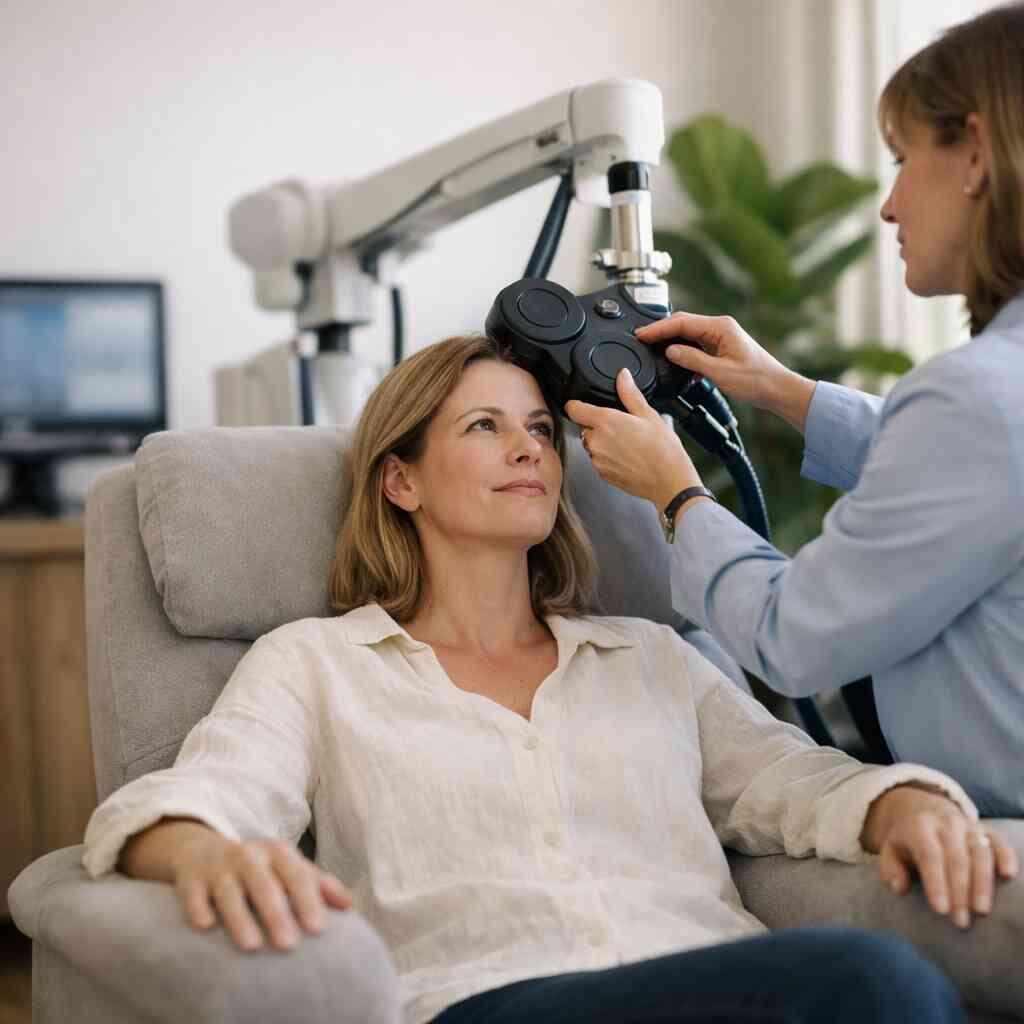
TMS feels unusual the first time because it is both simple and precise. You sit in a chair. A coil rests near your scalp. You hear clicking. You feel tapping. Then you go on with your day. That is the surface version. Underneath, the treatment uses magnetic pulses to influence circuits linked to mood, fear, and repetitive thinking. For many people, that difference matters more than any sales pitch.
How repetitive TMS and deep TMS therapy aim at brain circuits involved in fear loops and compulsions
How does TMS work in plain language? It sends magnetic pulses through the skull to nudge activity in targeted brain regions. Repetitive TMS usually focuses on cortical areas tied to depression and anxiety regulation. Deep TMS therapy can reach broader or deeper networks, depending on the device and protocol. Clinics sometimes choose one over the other based on symptoms, history, and the device available.
Research gives us a useful frame, not magic. The 2018 Stanford study by Carpenter and colleagues helped strengthen the discussion around TMS for depression, especially for people with hard-to-treat symptoms. That work sits alongside broader transcranial magnetic stimulation research and consensus guidance from groups such as the Clinical TMS Society. The point is not to overclaim. The point is to say the science is real, and it keeps growing. For depression-specific care, many clinics also reference FDA-approved depression treatment pathways, including devices such as NeuroStar and BrainsWay, while staying careful not to promise a fixed result.
What a session feels like, from the chair hum to the scalp sensation to the timing of visits
A good first session is rarely dramatic. The room is quiet. The machine makes a steady clicking sound. Some people feel a tapping or light thumping on the scalp. Others mainly notice the tension of waiting for it to start. Most describe it as odd, but tolerable. That matters, because fear of the unknown often feels bigger than the treatment itself.
The schedule is usually the part people have to plan around. Visits happen often enough that consistency matters. That can be hard if you work in hospitality, healthcare, real estate, or school schedules. One young adult from Broward told us the therapy felt less like a medical event and more like a standing appointment that slowly became routine. That rhythm helped. For readers comparing magnetic brain therapy options, routine is often where adherence lives or dies. If you want the mechanics, what to expect during TMS therapy in Florida clinics is the kind of explanation many people wish they had earlier.
How clinicians measure change with PHQ-9, MADRS, and symptom tracking without promising a fixed outcome
Good TMS clinics measure more than mood by gut feeling. They often use PHQ-9 scores, MADRS ratings, and symptom check-ins over time. That makes conversations more grounded. If sleep improves but intrusive thoughts stay loud, the team sees that. If panic softens but motivation stays low, that matters too. You deserve that kind of specificity.
The honest part is important. No ethical clinician should promise a specific TMS therapy success rate for your case. Response varies. Some people feel change early. Others notice it later. Some need a different protocol or a maintenance plan. The right question is not, “Will this cure me?” It is, “How will we track whether this is helping enough to matter?” That is where a careful TMS clinic comparison in Florida for best results can help you think clearly.
What TMS side effects safety usually means in plain language and why non-invasive brain stimulation appeals to people who want a non-drug depression treatment
Most people ask about safety very early, and they should. TMS side effects safety usually means mild scalp discomfort, headache, or temporary fatigue. Some people feel nothing more than the tapping sensation during treatment. Serious risks are uncommon, but screening still matters. That is why a clinic should review your history carefully before starting.
For many readers, the appeal is simple. Non-invasive brain stimulation does not involve anesthesia, surgery, or daily systemic medication. If pills have left you foggy, nauseated, or emotionally flattened, that matters. It is also why many people prefer a non-drug depression treatment when they have already tried medication after medication. A treatment can still be serious without being harsh. That balance is often what people want most.
Why anxiety and OCD do not always respond the same way at Florida TMS clinics
Anxiety and OCD share some wiring, but they are not twins. That is why one person may improve with one approach while another needs a more specific target or a different rhythm. The smartest Florida clinics do not flatten these differences. They study them. They explain them. Then they build a plan that respects them. 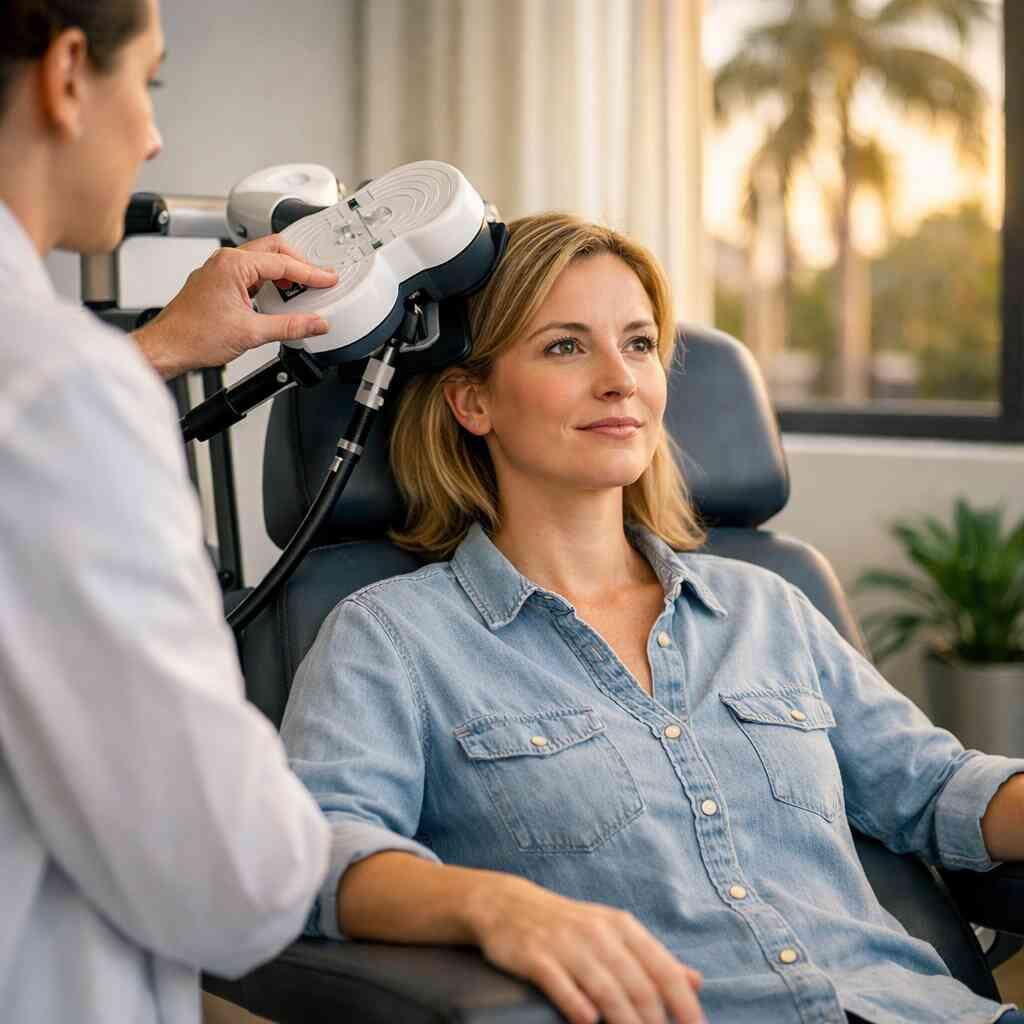
Where the research is stronger for one condition and still developing for the other
The evidence base is stronger for depression than for anxiety and OCD, though both continue to grow. TMS depression treatment Florida clinics often start from the clearest data, then adapt for related symptoms. For anxiety, results look promising in many studies, but protocols vary. For OCD, evidence is also improving, especially when teams use devices and settings designed for compulsive circuits.
That is why you should listen for nuance. If a clinic claims certainty for every diagnosis, be cautious. The better answer sounds more measured. It may mention the APA practice guidelines, the Clinical TMS Society consensus review, and the fact that protocols continue to evolve. That kind of honesty is a strength, not a weakness. It means the team understands the limits as well as the promise.
How TMS for anxiety differs from TMS OCD therapy in target, frequency, and treatment planning
TMS for anxiety usually focuses on reducing hyperarousal, worry loops, and the body’s alarm response. TMS OCD therapy often aims at networks tied to compulsive repetition and intrusive thought control. That means the treatment plan can differ in coil placement, frequency, and the number of sessions discussed. Sometimes a clinician may also consider a different device type or pairing with therapy.
Here is a simple comparison:
AreaTMS for AnxietyTMS OCD TherapyMain focusWorry, panic, hyperarousalObsessions, compulsions, intrusive loopsCommon planningSymptom reduction and calmingCircuit targeting and ritual reduction supportTreatment discussionOften tied to mood and stressOften tied to repetition and control patternsMeasurementAnxiety scales and symptom logsOCD symptom tracking and ritual frequencyThis is where understanding TMS for anxiety in Florida and specialized OCD planning can help you avoid a one-size-fits-all mistake. The brain does not care about marketing. It responds to precision.
When Florida mental health clinic teams consider bipolar depression, PTSD, or dual diagnosis treatment Florida in the same conversation
Many people do not fit into one clean box. A person might have anxiety, depression, and a trauma history. Another might have OCD plus substance use. Another might have bipolar depression and panic symptoms. That is why a thoughtful Florida mental health clinic asks about the whole picture. It matters especially when TMS for PTSD Florida, TMS for bipolar depression, or dual diagnosis treatment Florida may also belong in the discussion.
The mistake we see most often is rushing to a label before the story is clear. A clinician should ask about mood swings, sleep, panic, alcohol use, smoking, and past hospitalizations. That is not nosy. It is clinically responsible. It also helps avoid poor fits, especially when medications have already created side effects or mixed results.
How TMS and EMDR combination ideas fit into a broader care plan without turning one treatment into a magic answer
People often ask about TMS and EMDR combination care because they want trauma treated from more than one angle. That is a fair question. TMS may help regulate brain circuits and lower reactivity. EMDR may help process trauma memories and reduce emotional charge. Together, they can fit inside a broader plan when a clinician thinks the mix makes sense.
Still, no responsible team should turn that idea into a miracle promise. TMS is not a substitute for every therapy. EMDR is not a substitute for every brain-based treatment. In addiction or trauma-heavy cases, the strongest plans often combine medication management, psychotherapy, and careful follow-up. If substance use is part of the picture, a clinic may also discuss TMS addiction recovery or TMS for substance use disorder research alongside therapy and support services.
What to ask before choosing a TMS clinic in Miami, Fort Lauderdale, West Palm Beach, Orlando, or Tampa
Choosing a clinic can feel surprisingly personal. You are not just picking a device. You are choosing people who will see you repeatedly, track your symptoms, and help you decide if the plan is working. That deserves care. It also deserves practical questions about licensing, insurance, and travel time.
How to compare TMS psychiatrist Florida support, Florida behavioral health licensing, and the clinic’s intake process
Start with the basics. Ask who evaluates you. Ask who reviews your history. Ask how the clinic handles safety screening and medication coordination. If a clinic has a TMS psychiatrist Florida team, confirm how they participate in care. Then ask how the clinic follows Florida behavioral health rules and outpatient standards, including relevant AHCA expectations for licensed settings.
A strong intake process should feel organized, not rushed. You should leave knowing who to call, what to bring, and how symptoms will be tracked. If a clinic seems vague about staff roles, that is a signal. If you want to review the team before calling, about the clinicians and credentials should be easy to find and easy to understand.
What to know about TMS insurance coverage Florida, does insurance cover TMS in Florida, and TMS cost Florida before you commit
Money stress can make every health decision harder. So ask early about TMS insurance coverage Florida. Ask plainly, does insurance cover TMS in Florida for your diagnosis, your plan, and your referral requirements? Ask what documentation the clinic needs from prior medications and therapy. Those conversations save time and reduce surprises.
You should also ask about TMS cost Florida if insurance does not cover every part. Clinics should explain verification, copays, and any self-pay options clearly. I cannot give exact pricing here, because it changes by plan and protocol. A good office will not guess either. For a practical overview, TMS insurance coverage and cost in Florida can help frame the right questions before you sign anything.
How location matters for working adults, snowbirds, and families commuting from Aventura, Coral Gables, Boca Raton, Delray Beach, and Winter Park
Location is not a small detail. It can decide whether treatment stays consistent. People commuting from Aventura or Coral Gables need access that works with traffic. Families in Boca Raton or Delray Beach need appointments that fit school pickup. Seasonal residents want a plan that survives travel. Orlando and Tampa patients often face their own drive-time realities.
That is why people search TMS clinic Miami, TMS Fort Lauderdale, TMS West Palm Beach, TMS South Florida, TMS Orlando, and TMS Tampa so often. Convenience is not vanity. It is adherence. And adherence matters. If the drive feels punishing before the first session, it may be worth comparing location options before you commit. The best plan is the one you can actually keep.
When to consider maintenance therapy, long-term planning, and whether a best TMS clinic Florida feels calm enough to trust
Some people improve and then need a maintenance plan. That is normal. TMS maintenance therapy can help clinics discuss durability and TMS long-term results without overpromising. If symptoms return, the right clinic should talk through relapse patterns, booster sessions, and follow-up care. That conversation should feel calm, not defensive.
Trust also has a feel to it. The office should not feel rushed or chaotic. Phones should be answered. Instructions should be clear. You should leave with less confusion than you brought in. If you are comparing the best TMS clinic Florida options, listen to your body during the visit. Calm matters. So does respect. And if you want a place to compare next steps, the FAQ page can help you ask sharper questions before you call.
Frequently Asked Questions
Does TMS work differently for anxiety and OCD?
Yes. TMS for anxiety often targets worry, panic, and hyperarousal. TMS OCD therapy usually focuses on intrusive loops and compulsive patterns. Both can use similar equipment, but the target and treatment plan may differ. A clinician should review your symptom pattern, medication history, and goals before recommending a protocol.
How does TMS work in plain English?
TMS uses magnetic pulses to nudge activity in specific brain circuits. Those circuits help regulate mood, fear, and repetitive thinking. The treatment is non-invasive, so it does not require surgery or anesthesia. Most people sit in a chair and return to normal activities afterward.
Is TMS safe if medications made me feel worse?
Often, yes, but only after screening. TMS side effects safety usually involves mild scalp discomfort, headache, or temporary fatigue. A good clinic should review seizure history, medications, and other risk factors first. If pills caused side effects or did not help, TMS may be worth discussing with a qualified clinician.
Does insurance cover TMS in Florida?
Sometimes, but coverage depends on the plan and diagnosis. Many plans ask for proof of medication resistant depression and prior treatment history. Some also require documentation from therapy or psychiatry. The clinic should verify benefits and explain any out-of-pocket costs before treatment starts.
What should I ask during a Florida TMS clinic consultation?
Ask who evaluates you, how progress gets measured, what device they use, and how they handle anxiety versus OCD. Also ask about insurance verification, scheduling, and maintenance options. If trauma, bipolar depression, or substance use is part of your history, mention that early. The right answers should feel clear and respectful.
Can TMS help if I also have substance use concerns?
It may be part of the conversation. Research on rTMS and cravings is growing, including work from centers such as the Medical University of South Carolina. Clinics may discuss TMS addiction recovery, TMS for substance use disorder, or TMS for smoking cessation alongside therapy and support services. It should never replace a full substance use treatment plan on its own.
What makes a Florida clinic feel trustworthy?
Look for clear communication, careful screening, and honest language about limits. A trustworthy clinic will not promise a cure or give vague pricing. It will explain the device, the timeline, the follow-up, and the role of insurance. It will also feel calm enough that you can ask hard questions without pressure.