Redefining Anxiety Relief: The Neurostimulation Revolution in Florida
From Talk Therapy to Targeted Brain Modulation
The landscape of mental health treatment has shifted dramatically in recent years. For decades, talk therapy and medication dominated the conversation around anxiety management. While these approaches have helped countless individuals, they do not work for everyone. Many people continue to struggle with persistent symptoms despite committing fully to traditional treatments. This reality has driven researchers and clinicians to explore more direct methods of influencing brain function. The result is a growing interest in neurostimulation for anxiety relief in Florida, where advanced technology meets compassionate care.
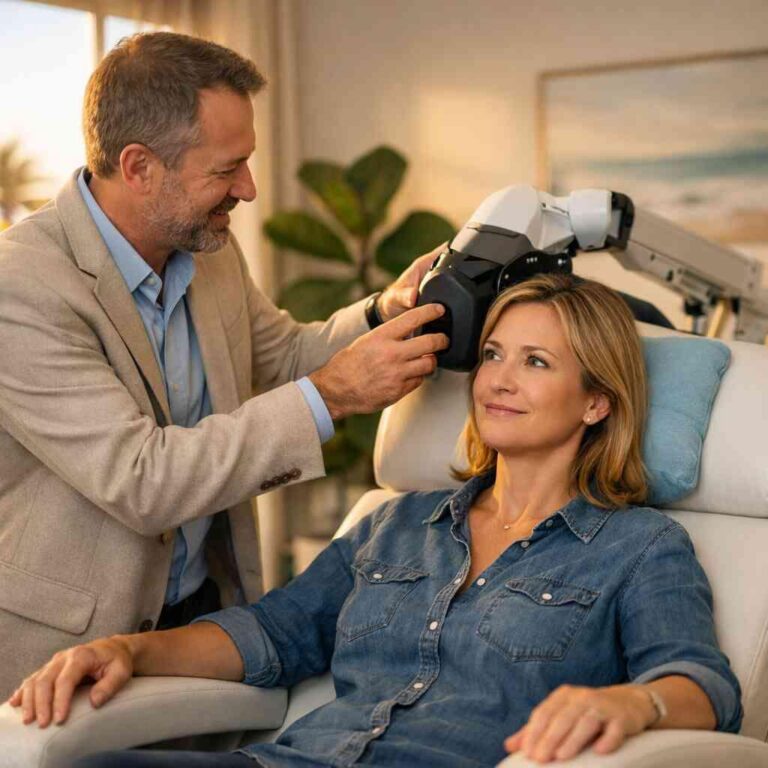
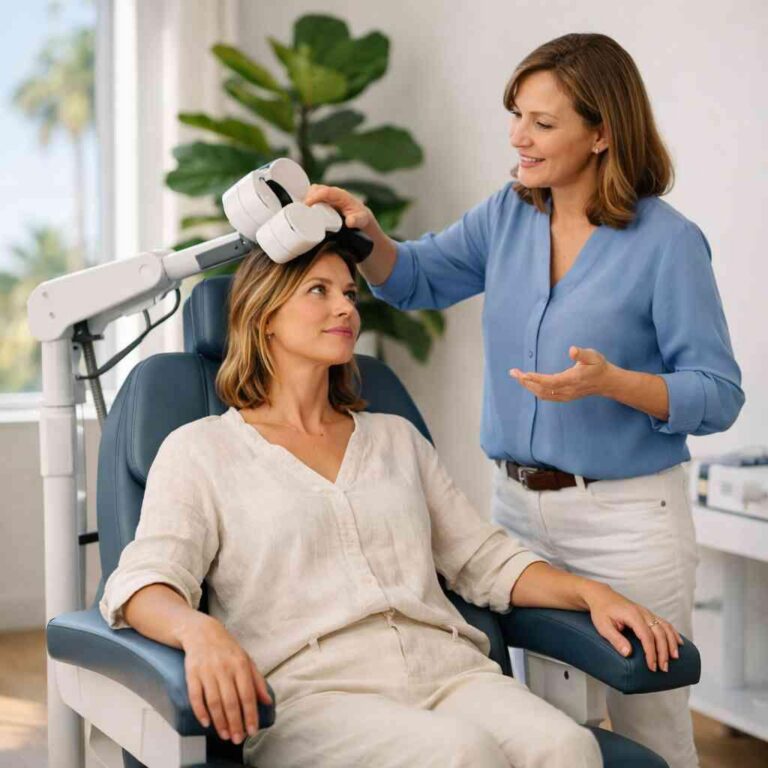
Transcranial Magnetic Stimulation represents a fundamentally different approach to treating anxiety disorders. Instead of relying on external interventions like pills or lengthy conversations, TMS directly modulates neural activity in specific brain regions. This method uses magnetic pulses to stimulate underactive areas or calm overactive circuits linked to anxiety. The precision of this technology allows clinicians to target the exact neural pathways responsible for anxious thoughts and behaviors. Patients experience a completely new way of addressing their symptoms without systemic side effects.
The shift from passive therapies to active brain modulation marks a turning point in psychiatric care. Talk therapy requires patients to consciously reframe their thoughts over months or years. Medication introduces chemicals that affect the entire body, often with uncomfortable side effects. TMS, by contrast, works with the brain’s natural electrical activity to restore balance. This targeted approach offers hope to those who have felt stuck in their recovery journey. It represents a true revolution in how we understand and treat anxiety.
Understanding the Shift Toward Non-Invasive Anxiety Treatment in Florida
Florida residents increasingly seek relief that does not involve daily pills or invasive procedures. The demand for non-invasive anxiety treatment Florida options has grown as more people learn about TMS therapy. This treatment requires no surgery, no anesthesia, and no recovery time between sessions. Patients can drive themselves to appointments and return to their daily activities immediately. This convenience matters greatly for busy professionals, parents, and students managing hectic schedules.
The appeal of non-invasive treatment extends beyond mere convenience. Many individuals worry about the long-term effects of psychiatric medications on their physical health. Weight gain, sexual dysfunction, and emotional blunting are common medication complaints. TMS offers a path to relief that avoids these systemic complications entirely. The magnetic pulses only penetrate a few centimeters into the brain, leaving the rest of the body unaffected. This focused approach aligns perfectly with the growing preference for natural, targeted healthcare solutions.
Florida’s warm climate and active lifestyle make non-invasive treatments particularly attractive. Residents here value time outdoors and physical activity as part of their wellness routine. TMS fits seamlessly into this lifestyle because it does not interfere with exercise or sun exposure. The treatment sessions last about twenty minutes and require no downtime afterward. Patients can schedule appointments during lunch breaks and return to work immediately. This flexibility makes consistent treatment achievable for even the busiest individuals.
TMS Therapy for Generalized Anxiety Disorder: A Paradigm Shift
Generalized anxiety disorder affects millions of Americans with relentless worry and tension. Traditional treatments often provide partial relief but rarely eliminate symptoms completely. TMS therapy for generalized anxiety disorder offers a new paradigm by addressing the neurological roots of the condition. Research shows that GAD involves hyperactivity in certain brain networks, particularly the prefrontal cortex and amygdala. TMS can calm this overactivity and restore more balanced neural communication.
The paradigm shift lies in how TMS approaches the underlying cause rather than just the symptoms. Medications temporarily alter neurotransmitter levels but do not change brain function permanently. TMS encourages lasting neuroplastic changes that persist long after the treatment course ends. Patients often report that their anxious thoughts lose their intensity and frequency over time. This represents a fundamental change in their relationship with anxiety itself.
For Florida residents who have tried multiple medications without success, TMS opens a new door. The treatment works especially well for those with treatment-resistant anxiety who meet specific clinical criteria. Clinicians at leading centers use advanced brain mapping to identify the optimal stimulation targets. This personalized approach ensures that each patient receives precisely the treatment their brain needs. The result is a genuine alternative for those who felt they had exhausted all their options.
The Neuroscience of Anxiety and Magnetic Brain Stimulation
Cortical Excitability and Anxiety: How TMS Calms the Overactive Brain
Anxiety disorders involve measurable changes in brain physiology beyond just psychological distress. Researchers have identified a condition called cortical hyperexcitability in many anxious individuals. This means certain brain regions respond too strongly to stimuli that others find neutral. Understanding cortical excitability and anxiety helps explain why TMS works so effectively. The magnetic pulses can reduce this excessive responsiveness and bring neural activity back to normal levels.
The science behind this process involves the balance between excitation and inhibition in neural circuits. Healthy brains maintain a careful equilibrium between these two forces. Anxiety disrupts this balance, pushing the brain toward excessive excitation in fear-related networks. TMS applies precisely timed magnetic fields that strengthen inhibitory connections in these regions. Over multiple sessions, this repeated stimulation trains the brain to maintain a calmer baseline state.
Florida patients often describe their anxiety as a constant hum of tension they cannot escape. This sensation directly reflects the hyperactivity occurring in their neural circuits. TMS targets this physical aspect of anxiety that talk therapy cannot always reach. By reducing cortical excitability, the treatment diminishes the raw neurological discomfort driving anxious thoughts. Patients frequently report feeling physically calmer before they even notice changes in their thinking patterns.
Dorsolateral Prefrontal Cortex Stimulation and Emotional Regulation
The dorsolateral prefrontal cortex plays a critical role in how we manage emotions and make decisions. This region helps us evaluate threats accurately and override fear responses when appropriate. In anxiety disorders, the DLPFC often shows reduced activity and connectivity with other brain areas. Dorsolateral prefrontal cortex stimulation through TMS can strengthen this region’s regulatory capacity. This allows patients to better control their emotional reactions to stressful situations.
Research demonstrates that stimulating the left DLPFC improves top-down control over the amygdala. The amygdala acts as the brain’s alarm system, triggering fear responses automatically. When the DLPFC is weak, these alarms sound too frequently and too loudly. TMS therapy essentially strengthens the brain’s brake system, giving patients more control. This neurological change translates directly into real-world improvements in emotional regulation.
Clinicians in South Florida use neuronavigation technology to target the DLPFC with remarkable precision. This ensures that each magnetic pulse reaches the intended neural circuit every time. The consistency of this targeting contributes significantly to treatment success rates. Patients often notice they can pause before reacting to stressful events rather than immediately panicking. This newfound ability to regulate emotions represents a profound improvement in quality of life.
TMS and Anxiety Neuroplasticity: Rewiring the Anxious Brain
One of the most exciting aspects of TMS therapy is its ability to harness neuroplasticity. Neuroplasticity refers to the brain’s capacity to reorganize itself by forming new neural connections. Anxiety disorders keep the brain stuck in maladaptive patterns of worry and avoidance. TMS and anxiety neuroplasticity work together to break these rigid patterns and build healthier ones. The magnetic stimulation encourages the brain to strengthen pathways associated with calm and resilience.
Each TMS session creates a brief window of heightened neuroplasticity in the targeted region. During this window, the brain becomes more receptive to learning new patterns of activity. This explains why combining TMS with therapy or mindfulness practices often enhances results. The stimulation prepares the brain to change, and the therapeutic work guides that change in positive directions. Together, these approaches create lasting transformation rather than temporary relief.
The neuroplastic changes from TMS accumulate gradually over the course of treatment. Early sessions may produce subtle shifts in mood and anxiety levels. By the middle of the protocol, patients often notice more pronounced improvements in their daily functioning. After completing the full course, many people experience reductions in anxiety that persist for months or years. This durability distinguishes TMS from treatments that require continuous medication to maintain effects.
Personalized TMS Protocols for Treatment-Resistant Anxiety
Mapping Anxiety Subtypes for Targeted TMS Therapy
Not all anxiety disorders look the same in the brain, even when symptoms seem similar. Some patients experience primarily cognitive anxiety with racing thoughts and worry. Others feel mostly somatic symptoms like racing heart, sweating, and muscle tension. Personalized TMS protocols for anxiety treatment require identifying each patient’s specific neural signature. Advanced brain mapping techniques allow clinicians to visualize which circuits are overactive or underactive.
The mapping process typically involves quantitative EEG or functional MRI to assess brain activity patterns. These tools reveal critical information about connectivity between the prefrontal cortex and limbic system. Some patients may need stimulation targeting the right hemisphere, while others benefit more from left-sided treatment. The protocol can also adjust the frequency of magnetic pulses based on individual neural characteristics. This level of personalization was impossible with earlier generations of psychiatric treatment.
Florida clinicians leading this approach understand that one size rarely fits all in mental health care. A patient with social anxiety may have different neural patterns than someone with panic disorder. Even within the same diagnosis, individual variations require customized stimulation parameters. The goal is always to match the treatment to the patient rather than forcing the patient into a standard protocol. This philosophy drives the excellent outcomes seen at specialized TMS centers throughout the state.
Repetitive TMS Anxiety Outcomes: What the Latest Research Shows
Clinical research continues to validate the effectiveness of repetitive TMS for anxiety disorders. Recent studies demonstrate response rates between sixty and seventy percent for generalized anxiety disorder. Repetitive TMS anxiety outcomes have improved significantly as protocols have become more sophisticated. Researchers now understand which stimulation frequencies and locations produce the best results. This evidence base continues to grow, providing solid support for TMS as a first-line anxiety treatment.
A landmark meta-analysis published in major psychiatric journals confirmed TMS efficacy across multiple anxiety subtypes. The analysis included studies on GAD, panic disorder, social anxiety, and PTSD. Results showed moderate to large effect sizes for anxiety reduction with TMS compared to sham treatment. Importantly, the benefits appeared to increase over time as neuroplastic changes accumulated. This suggests that TMS does not just suppress symptoms temporarily but actually rewires the brain.
Florida researchers have contributed significantly to this growing body of evidence. Local clinical trials have explored innovative protocols combining TMS with cognitive behavioral therapy. These integrated approaches have shown even greater efficacy than TMS alone in some studies. The research community continues to refine protocols to maximize response rates and minimize treatment duration. This commitment to scientific advancement benefits every patient who seeks TMS therapy in Florida.
Anxiety and Depression Dual Treatment TMS: Integrated Protocols in Florida Clinics
Many individuals struggling with anxiety also experience depressive symptoms. The two conditions frequently co-occur, creating complex clinical pictures that challenge traditional treatments. Anxiety and depression dual treatment TMS protocols address both conditions simultaneously through strategic brain stimulation. Clinicians can target regions involved in both mood regulation and anxiety processing. This integrated approach saves patients time and money while producing superior outcomes.
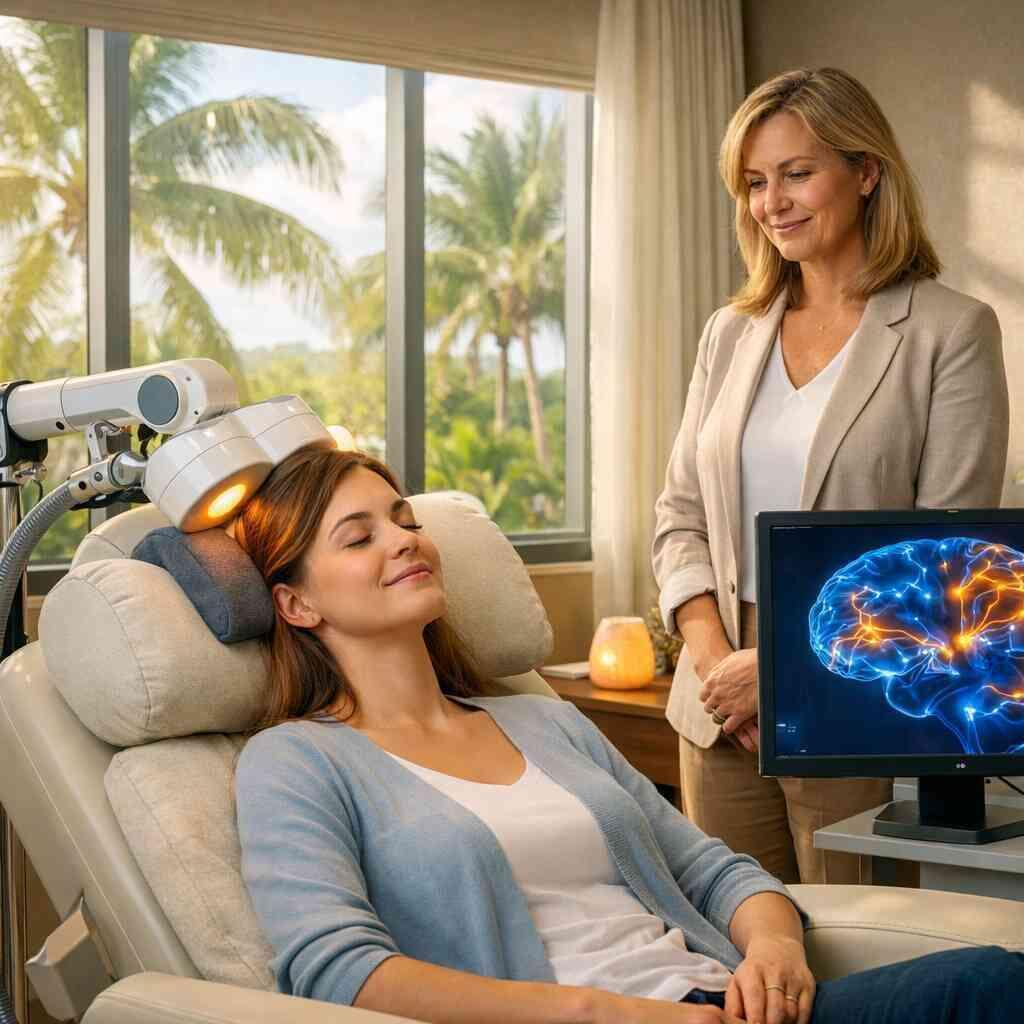
The standard TMS protocol for depression targets the left dorsolateral prefrontal cortex. For anxiety, clinicians may also stimulate the right DLPFC or additional regions involved in fear processing. Dual protocols often alternate between these targets during each treatment session. Some advanced protocols use theta burst stimulation to deliver more pulses in less time. This allows patients to receive comprehensive treatment for both conditions within a manageable appointment schedule.
Florida clinics specializing in dual treatment have developed expertise that attracts patients from across the Southeast. These centers understand the nuanced relationship between anxiety and depression in individual patients. Some patients may need more emphasis on depression protocols early in treatment. Others may require stronger anxiety focus before mood improvements become apparent. Skilled clinicians adjust protocols dynamically based on patient response throughout the treatment course.
Beyond Generalized Anxiety: TMS for Panic, Social Anxiety, and OCD
TMS Treatment Florida for Social Anxiety: Overcoming Avoidance Patterns
Social anxiety disorder traps people in cycles of fear and avoidance that shrink their worlds over time. The brain’s threat detection system becomes hypersensitive to social evaluation and rejection. TMS treatment Florida for social anxiety targets these neural circuits directly to reduce fear responses. Patients often find they can gradually re-enter social situations they previously avoided. This represents a profound liberation from the constraints of social anxiety.
The neural targets for social anxiety overlap with but differ from those for generalized anxiety. Clinicians often focus on the medial prefrontal cortex and amygdala connectivity in social anxiety cases. These regions process social information and generate fear responses to perceived judgment. TMS can dampen amygdala hyperactivity while strengthening prefrontal regulation of social fears. The result is a calmer response to social situations without the need for avoidance.
Florida’s social culture makes overcoming social anxiety particularly meaningful for residents. Opportunities for connection and community abound throughout the state. Patients who complete TMS treatment often describe rediscovering the joy of social interaction. Simple activities like dining out, attending events, or meeting new people become possible again. This restoration of social functioning dramatically improves quality of life and opens doors to new relationships.
Anxiety Remission with TMS in Panic Disorder and Phobias
Panic disorder creates terror with unpredictable panic attacks that seem to strike without warning. The brain’s alarm system becomes sensitized, firing false alarms that feel genuinely life-threatening. Anxiety remission with TMS in panic disorder involves recalibrating this hypersensitive alarm system. Treatment targets the insula and anterior cingulate cortex, regions involved in interoceptive awareness. These areas interpret bodily sensations and can trigger panic when they misread normal signals as dangerous.
Patients with panic disorder often develop agoraphobia, avoiding places where escape might be difficult. This progressively restricts their lives as fear generalizes to more environments. TMS can break this pattern by reducing baseline arousal levels and panic vulnerability. As the false alarms become less frequent and intense, patients regain confidence in their ability to cope. This confidence allows them to gradually re-enter previously avoided situations without overwhelming fear.
Phobias represent another anxiety subtype that responds well to targeted TMS protocols. Specific phobias involve exaggerated fear responses to particular objects or situations. TMS can reduce the amygdala’s reactivity to phobic stimuli while strengthening regulatory control. Some protocols combine TMS with brief exposure therapy during the window of enhanced neuroplasticity. This combination accelerates the extinction of phobic responses and reduces relapse risk.
TMS for Obsessive-Compulsive Anxiety: Targeting the Cortico-Striatal Circuit
Obsessive-compulsive disorder involves a distinct neural circuit that differs from other anxiety disorders. The cortico-striatal-thalamo-cortical circuit becomes stuck in repetitive loops of obsessive thoughts and compulsive behaviors. TMS for obsessive-compulsive anxiety specifically targets this circuit to interrupt the cycle. The FDA has approved TMS for OCD treatment, recognizing its effectiveness for this challenging condition. Florida clinics offer specialized protocols designed specifically for OCD neuroanatomy.
The treatment approach for OCD often involves stimulating the medial prefrontal cortex and anterior cingulate cortex. These regions play crucial roles in error detection and behavioral inhibition in OCD. TMS can normalize activity in these areas, reducing the intensity of obsessive thoughts. Patients report that intrusive thoughts lose their compelling quality and become easier to resist. The compulsive behaviors that once felt necessary gradually become optional.
OCD treatment typically requires more sessions than protocols for generalized anxiety or depression. Many patients benefit from longer courses of treatment to achieve lasting symptom reduction. The commitment required is substantial, but the potential rewards are life-changing. Patients who complete OCD-focused TMS protocols often experience reductions in symptoms that medication could not achieve. This makes TMS an invaluable option for the many individuals whose OCD resists conventional treatment.
The Florida TMS Experience: Holistic Care and Lasting Resilience
Anxiety Reduction TMS Mechanism: From Brainwave Modulation to Symptom Relief
Understanding exactly how TMS reduces anxiety helps patients appreciate the sophistication of the treatment. The magnetic pulses induce electrical currents that change how neurons fire in targeted brain regions. This leads to measurable changes in brainwave patterns associated with calm and focus. The anxiety reduction TMS mechanism involves multiple interconnected processes that unfold over weeks of treatment. Each session builds on the previous one, creating cumulative changes in brain function.
Brainwave modulation represents one of the most direct effects of TMS on anxiety symptoms. Anxious brains typically show excessive high-frequency beta waves in frontal regions. TMS can shift these patterns toward more balanced alpha and theta activity associated with relaxation. Patients often notice improvements in sleep quality and daytime calmness as these brainwave changes occur. The physical sensation of anxiety diminishes alongside these objective neurological changes.
The symptom relief that follows brainwave modulation transforms daily experience for most patients. Racing thoughts slow down enough to examine rationally. Physical tension in the shoulders and jaw begins to release. The constant vigilance that characterizes anxiety starts to fade into background awareness. Patients describe feeling more present in their lives rather than trapped in worried anticipation. This cascade of improvements demonstrates the profound connection between brain function and lived experience.
TMS Clinic Florida Holistic Anxiety Care: Integrating Lifestyle and Neurostimulation
The most effective TMS programs recognize that brain stimulation alone is not enough for lasting change. TMS clinic Florida holistic anxiety care incorporates lifestyle factors that support neurological health. Sleep hygiene, nutrition, exercise, and stress management all influence how well the brain responds to TMS. Clinicians educate patients about these factors and help them make sustainable changes. This comprehensive approach maximizes treatment outcomes and builds resilience against future episodes.
Exercise, in particular, enhances the neuroplastic effects of TMS by increasing brain-derived neurotrophic factor. Florida’s year-round pleasant weather makes outdoor exercise accessible throughout the year. Patients can incorporate walks on the beach, bike rides, or swimming into their recovery routine. These activities complement the neurological changes from TMS and promote overall wellness. The combination of neurostimulation and healthy lifestyle creates powerful synergy for anxiety reduction.
Nutrition also plays a supporting role in TMS treatment success. Anti-inflammatory diets rich in omega-3 fatty acids support healthy brain function. Reducing caffeine and alcohol intake can help stabilize mood and sleep during treatment. Clinicians provide practical guidance that fits Florida’s food culture and seasonal availability. Patients leave treatment not just with reduced anxiety but with tools for maintaining their progress long-term.
Building Anxiety Resilience Through TMS: A Patient-Centered Journey
The ultimate goal of TMS treatment extends beyond symptom reduction to genuine resilience. Resilience means the ability to face stressors without returning to maladaptive patterns. Building anxiety resilience through TMS requires both neurological change and new coping skills. The treatment creates the brain condition necessary for learning, and patients develop skills during this window. This dual approach ensures that gains persist even when life presents inevitable challenges.
The patient-centered journey begins with thorough assessment and education about what to expect. Clinicians explain how TMS works, what sensations patients might feel, and how to track progress. This transparency builds trust and empowers patients to take an active role in their recovery. Throughout the treatment course, adjustments are made based on patient feedback and symptom monitoring. This collaborative approach honors each patient’s unique experience and preferences.
Florida patients who complete TMS treatment often describe feeling equipped for whatever comes next. They have experienced firsthand that their brains can change and heal. This knowledge provides confidence that future challenges will not undo their progress. Many patients continue periodic maintenance sessions to sustain their gains over time. The journey does not end with the initial treatment course but opens into a new chapter of empowered mental health.
At TMS Treatment Florida, we invite you to discover how neurostimulation can transform your relationship with anxiety. Our experienced team combines cutting-edge technology with compassionate, personalized care. We understand the unique challenges Florida residents face in managing anxiety disorders. Contact us today to schedule a consultation and take the first step toward lasting relief. Your journey to resilience begins here, supported by expertise and genuine care.
Frequently Asked Questions
Question: What makes TMS therapy different from other non-invasive anxiety treatment options in Florida, especially for those who haven’t found relief with medication?
Answer: Transcranial Magnetic Stimulation stands apart from traditional anxiety treatments because it directly modulates neural activity rather than relying on systemic chemicals or verbal processing. As a truly non-invasive anxiety treatment Florida residents can access, TMS uses magnetic pulses to target the specific brain regions linked to anxiety, such as the dorsolateral prefrontal cortex. Unlike medications that affect the whole body and often cause side effects like weight gain or emotional blunting, TMS focuses exclusively on the neurological root of the problem. For those with treatment-resistant anxiety, this approach offers a new pathway to relief when pills and talk therapy have fallen short. At TMS Treatment Florida, our personalized protocols are designed to restore balance to overactive circuits, allowing patients to experience lasting calm without daily dependence on pharmaceuticals.
Question: How does the blog Understanding TMS for Anxiety A 2026 Florida Perspective highlight the role of neuroplasticity in overcoming anxiety?
Answer: The blog emphasizes that TMS and anxiety neuroplasticity work together to rewire the brain from maladaptive patterns of worry into healthier, more resilient circuits. Each session of magnetic brain stimulation encourages the formation of new neural connections, particularly in regions like the dorsolateral prefrontal cortex that regulate emotional control. This process reduces cortical excitability and anxiety, meaning the brain becomes less prone to hyper-reacting to stressors. At TMS Treatment Florida, we leverage this science to help patients not just manage symptoms but fundamentally change their brain’s response to fear and uncertainty. The result is anxiety resilience through TMS, where gains persist long after the treatment course ends, empowering individuals to face challenges with newfound confidence.
Question: Can TMS therapy address both panic disorder and social anxiety, or is it only effective for generalized anxiety?
Answer: Absolutely. While TMS therapy for generalized anxiety disorder is highly effective, our protocols are adaptable to a wide range of anxiety subtypes. For Florida TMS therapy for panic disorder, we target the insula and anterior cingulate cortex to recalibrate the hypersensitive alarm system that triggers false panic attacks. Similarly, TMS treatment Florida for social anxiety focuses on the medial prefrontal cortex and amygdala to reduce the fear of judgment and avoidance behaviors. Each condition responds to personalized stimulation parameters, ensuring that whether you face daily worry, sudden panic, or social fears, you can find relief. Our team at TMS Treatment Florida uses advanced brain mapping to identify your unique neural signature, making anxiety symptom targeting with TMS precise and effective for your specific struggles.
Question: What does a typical patient experience look like during TMS therapy in South Florida, and how quickly do results appear?
Answer: The TMS therapy Florida patient experience begins with a comprehensive consultation to map your brain and tailor a plan. Each session lasts about 20 minutes, during which you sit comfortably while magnetic pulses are delivered to the targeted area. There is no downtime, allowing you to resume daily activities immediately-a key advantage for those seeking anxiety reduction TMS mechanism without disrupting their routine. Many patients notice subtle shifts in calmness within the first week, but significant anxiety remission with TMS typically builds over four to six weeks as neuroplastic changes accumulate. At our TMS clinic Florida locations, we integrate holistic anxiety care, including lifestyle guidance on sleep and exercise, to maximize results. This comprehensive approach ensures that your journey to resilience is supported every step of the way.
Question: Is TMS therapy effective for obsessive-compulsive disorder (OCD) or co-occurring anxiety and depression?
Answer: Yes, TMS for obsessive-compulsive anxiety is a proven application, with FDA approval for OCD. It targets the cortico-striatal circuit to interrupt repetitive thought loops and compulsive urges. For those facing anxiety and depression dual treatment TMS needs, our integrated protocols stimulate both mood and anxiety-regulating regions, such as the left and right dorsolateral prefrontal cortex. This dual approach is ideal for individuals whose conditions overlap, offering a streamlined solution that saves time while producing superior outcomes. At TMS therapy in South Florida anxiety clinics, we customize the frequency and location of stimulation to address your unique combination of symptoms. Whether you are dealing with intrusive thoughts, low mood, or both, our personalized Transcranial Magnetic Stimulation treatment can help you achieve lasting wellness without the side effects of multiple medications.
Question: Why should I choose TMS Treatment Florida for my anxiety care over other providers in the state?
Answer: TMS Treatment Florida stands out because we combine cutting-edge technology with a deep commitment to personalized TMS protocols anxiety care. Our team understands the unique challenges Florida residents face, from the high-stress pace of urban life to the need for treatments that fit an active, outdoor lifestyle. We use advanced neuronavigation for precise dorsolateral prefrontal cortex stimulation, ensuring each pulse reaches its intended target. Our holistic approach incorporates lifestyle adjustments that enhance anxiety brainwave modulation TMS, helping you build resilience that lasts. With a focus on anxiety treatment without medication Florida, we provide a non-invasive, side-effect-free option that has transformed lives. From your first consultation to maintenance sessions, we are dedicated to your journey toward mental wellness.