
When the hum of the coil feels like the last real option after medications went quiet
You may be reading this because the pills stopped helping, or because the side effects started to feel heavier than the symptoms. That frustration is real. We hear it every week from people who have tried several medications, therapy, or both, and still feel stuck. In the rTMS vs. Deep TMS conversation, the difference between rTMS and Deep TMS in Florida comes down to coil design, pulse reach, and how a clinic matches treatment to your symptoms.
Why rTMS and Deep TMS enter the conversation after SSRIs, therapy, or other treatments stall
For many people, antidepressants help for a while and then lose effectiveness. Others never get enough relief to make daily life feel manageable. That is where transcranial magnetic stimulation therapy often enters the discussion as a non-drug depression treatment and an alternative depression treatment. It can also come up after failed medications, especially when side effects like nausea, emotional numbness, weight change, or sexual dysfunction pile up. If you have been carrying that burden, the search for TMS depression treatment Florida can feel urgent and very personal.
One client we spoke with in South Florida described the experience as “trying five things and getting five almosts.” That is a common story. The challenge is not just depression itself. It is the exhaustion that comes from repeated disappointment. For people in that position, medication-resistant depression is not an abstract phrase. It is the lived experience of getting through the day while feeling like your brain is working against you.
What medication-resistant depression and other stubborn symptoms look like in real life
Medication resistance can look messy. You might sleep too much, barely sleep, or wake at 3 a.m. with a racing mind. You might notice that motivation, concentration, appetite, or hope have all thinned out at once. Some people describe a fog that never fully lifts. Others describe irritability, shame, or the feeling that they are failing at tasks that used to be easy. That is why FDA-approved depression treatment options like TMS matter so much for people searching beyond pills.
The picture is not limited to depression. We also hear from people asking about TMS for anxiety, TMS OCD therapy, TMS for PTSD Florida, and TMS for bipolar depression. The common thread is distress that has not responded well enough to standard care. If that sounds familiar, you may be looking for a Florida mental health clinic that explains the options clearly, without pressure. You deserve that kind of conversation.
Why Florida patients often search for transcranial magnetic stimulation therapy when side effects pile up
Florida patients often have an extra layer to sort through. Some are seasonal residents. Some split time between cities. Some are balancing work, caregiving, and long drives between appointments. Others are searching for TMS near me Florida after medication side effects have worn them down. In that setting, magnetic brain therapy can sound technical, but the hope behind it is simple: a treatment that does not add more chemical burden.
Here is the part most people miss. The appeal is not only effectiveness. It is tolerability. People often want non-invasive brain stimulation because they want a treatment that fits into real life. That includes people looking for TMS clinic Miami, TMS Fort Lauderdale, TMS West Palm Beach, TMS Orlando, or TMS Tampa options that are practical for work and family schedules. If you are in Aventura, Coral Gables, Boca Raton, Delray Beach, or Winter Park, access may matter as much as the device itself.
How to tell whether TMS treatment Florida is being considered for depression, anxiety, OCD, or another condition
A good evaluation starts with symptoms, history, and goals. It should not start with a sales pitch. If depression is the main issue, a clinic may discuss TMS for anxiety only as a related concern, or may focus on TMS depression treatment Florida first. If intrusive thoughts and rituals dominate the picture, TMS OCD therapy may get more attention. If you are also in recovery, a clinic may ask about TMS addiction recovery or TMS for substance use disorder.
The best question is not, “Which label sounds strongest?” The better question is, “Which treatment fits my pattern?” That is how thoughtful TMS treatment Florida planning should work. It should also respect the reality of dual diagnosis treatment Florida, where anxiety, depression, and substance use can overlap. When that happens, your plan should feel coordinated, not fragmented.
What every patient should know before comparing deep transcranial magnetic stimulation with repetitive transcranial magnetic stimulation
The comparison sounds technical, but the idea is simple. Both methods use magnetic pulses to influence brain activity. Both are forms of repetitive transcranial magnetic stimulation in the broad sense, but people usually use rTMS to mean standard focused stimulation and deep TMS therapy to mean a broader magnetic field from a specially shaped coil. The difference matters because the pulse pattern may change which brain networks receive the strongest stimulation. If you want the short version, how does TMS work begins with targeted magnetic pulses and ends with changes in neural signaling over time.
How does TMS work and why does the pulse depth matter
TMS uses a coil placed over the scalp. The coil delivers brief magnetic pulses. Those pulses create small electrical currents in the brain surface beneath the coil. Over repeated sessions, that stimulation may help rebalance activity in circuits linked to mood, compulsions, or cravings. The depth matters because a deeper field can reach broader networks, while a more focused field targets a narrower area. That is why the conversation often centers on deep transcranial magnetic stimulation versus repetitive transcranial magnetic stimulation.
A practical way to think about it is this: one approach is more like a precise beam, while the other spreads a little wider. Neither is “better” in every case. The right match depends on diagnosis, anatomy, tolerance, and the clinic’s protocol. For readers who want a neutral reference point, the broader science of how transcranial magnetic stimulation works explains the mechanism, but treatment decisions should always come from a qualified clinician. In Florida, that often means a consultation with a TMS psychiatrist Florida provider who can separate marketing from medical fit.
What makes repetitive transcranial magnetic stimulation different from deep TMS therapy in plain language
Standard rTMS usually uses a figure-8 coil. It tends to focus stimulation on a smaller cortical target. Deep TMS therapy often uses an H-coil style design, which can stimulate deeper and broader areas. That difference can matter for people whose symptoms involve multiple circuits or who need a different targeting strategy. It is one reason the phrase deep transcranial magnetic stimulation vs. repetitive transcranial magnetic stimulation gets so much attention.
FeaturerTMSDeep TMSCoil styleUsually figure-8Usually H-coil designTargetingMore focalBroader and deeperCommon discussionDepression, anxiety, and some other usesDepression and OCD discussions often emphasize itSession feelBrief magnetic tappingBrief magnetic tapping, often with different headgearMain decision factorSymptom pattern and clinic protocolSymptom pattern and clinic protocolThe table helps, but it does not replace an evaluation. You may hear strong opinions online. Ignore the noise. The real question is which field shape and protocol fit your history. That is the point of a careful TMS therapy consultation.
Why one method may fit TMS OCD therapy while another is often discussed for TMS depression treatment Florida
OCD often involves tightly linked circuits that can respond to targeted stimulation. That is why TMS therapy for OCD in Florida is often discussed alongside deep TMS models. Depression can also respond to either approach, depending on the protocol. In some clinics, non-invasive brain stimulation for depression is the starting frame, and the treatment choice follows from that. If you are comparing options, the safest approach is to ask which device and protocol the clinic uses for your specific diagnosis.
For depression, the evidence base includes major research and clinical guidelines. The Stanford-related body of work often cited in TMS discussions, including Carpenter et al., helped strengthen the case for TMS in difficult-to-treat depression. That does not mean every person responds the same way. It does mean clinicians have real data, not just theory. If you are considering medication-resistant depression treatment in Florida, ask how the clinic defines response and how it tracks progress.
Where TMS for PTSD Florida, TMS for bipolar depression, and TMS for anxiety may fit into the wider treatment picture
This is where caution matters. TMS for these conditions is still a conversation about fit, evidence, and careful screening. TMS for PTSD Florida may be discussed in specialty settings, but it should not be presented as a cure. TMS for bipolar depression may be considered with extra attention to mood history, because bipolar illness needs careful monitoring. TMS therapy for anxiety in Florida can be relevant when anxiety runs alongside depression or obsessive symptoms.
Good clinics do not force a single answer. They ask about sleep, panic, prior mania, substance use, and current medications. They also check whether your goals are symptom relief, relapse prevention, or both. That is how a Florida behavioral health plan stays grounded. It also keeps treatment safe.
The part most people miss when they ask about results, safety, and real-world fit
The hardest part is usually not the science. It is the uncertainty. You want to know if this is worth the time, money, and effort. That is fair. Strong clinics answer that question with data, not hype. They explain what the research supports, what it does not, and how they measure change during treatment. If they cannot do that, keep looking.
What the research actually supports about transcranial magnetic stimulation research without promising a cure
Transcranial magnetic stimulation research supports TMS as a legitimate option for certain mood and obsessive symptoms, especially when medications have not helped enough. The APA and the Clinical TMS Society both describe TMS as an established treatment pathway in appropriate patients. FDA-cleared devices such as NeuroStar and BrainsWay helped bring the therapy into mainstream psychiatry. Still, no honest clinician should promise a cure. That would be reckless. What research supports is a measured chance of improvement for carefully selected patients.
The most responsible way to talk about TMS therapy success rate is to avoid one-size-fits-all numbers. Outcomes vary by diagnosis, history, treatment course, and measurement method. Some people improve meaningfully. Some improve modestly. Some do not respond and need a different plan. That variability is why good providers discuss TMS long-term results and not only session-by-session hope. For readers looking into transcranial magnetic stimulation research in 2026, the key theme remains the same: promising, evidence-based, and not magic.
How clinics measure change with tools like PHQ-9 and MADRS during TMS maintenance therapy and follow-up
Real clinics do not guess. They measure. Two common tools are PHQ-9 and MADRS. These scales help track depressive symptoms over time, so you can see whether treatment is moving the needle. That matters during TMS maintenance therapy because some patients need follow-up sessions after an initial response. It also matters because memory can lie when you are exhausted. Numbers give you a clearer picture.
One patient in Palm Beach County told us the first thing they noticed was not a dramatic mood swing. It was getting through a Monday without the usual wall of dread. That kind of change can be easy to miss unless the clinic asks structured questions. Good care uses the numbers and the lived report together. That is what makes non-drug depression treatment feel clinically serious rather than vague.
What TMS side effects safety usually means for people who want non-invasive brain stimulation
Most people want to know if the treatment hurts. Usually, it does not. The common complaints are scalp discomfort, headache, or brief jaw tension early in treatment. Serious side effects are uncommon, which is one reason TMS side effects safety is a major selling point for people who cannot tolerate medications. Even so, screening matters. A clinic should ask about seizure history, implants, and medications that may affect risk.
If a website makes the process sound perfectly effortless, be careful. Honest care acknowledges discomfort without inflating it. The sessions can feel strange at first. There is a tapping sound. There may be a clicking rhythm. Then the body usually adapts. If you are comparing magnetic brain therapy options, ask how the clinic handles sensitivity, monitoring, and adjustments.
How TMS cost Florida and TMS insurance coverage Florida are usually handled and why does insurance cover TMS in Florida depends on the plan
Money questions are not shallow. They are part of treatment reality. TMS cost Florida depends on diagnosis, number of sessions, the device used, and payer rules. TMS insurance coverage Florida often depends on prior authorization, diagnosis criteria, and documented medication history. So does insurance cover TMS in Florida? Sometimes yes, sometimes no, and sometimes only after specific requirements are met. Good clinics explain the process before you commit. They should help you understand deductible issues, benefits checks, and out-of-pocket estimates. If you are comparing options, review a trusted guide on TMS cost and coverage in Florida and ask for plain-language clarification. If you need help with both access and location, the clinic’s locations page can also help you sort Miami, Fort Lauderdale, West Palm Beach, Orlando, and Tampa options. Florida’s insurance landscape can be uneven, so verification matters. 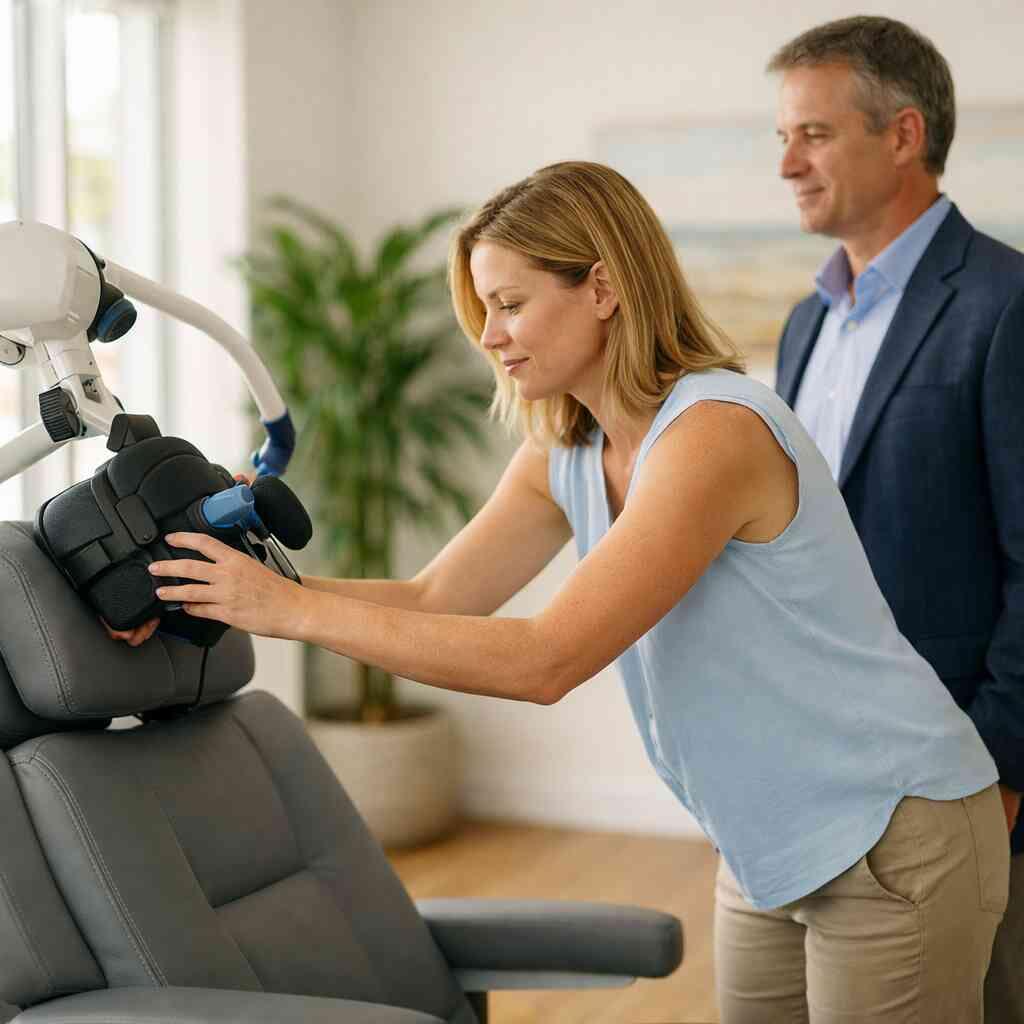
What Florida settings such as TMS clinic Miami, TMS Fort Lauderdale, TMS West Palm Beach, TMS Orlando, and TMS Tampa can mean for access and scheduling
Location affects adherence more than many people expect. A treatment series takes time. If traffic, work, or family logistics get in the way, even a good protocol can stall. That is why local search terms like TMS clinic Miami, TMS Fort Lauderdale, TMS West Palm Beach, TMS Orlando, and TMS Tampa matter. They are not just SEO phrases. They are real-world access points.
In South Florida, some patients prefer a clinic close to Aventura or Coral Gables. Others want something reachable from Boca Raton or Delray Beach. Central Florida patients may look for access near Winter Park. If you are comparing clinics, the best TMS clinic Florida is often the one you can actually attend consistently, with a team that respects your schedule and explains follow-up. For more on provider access, TMS treatment in Miami and Miami-Dade County is a useful place to start.
Where TMS for substance use disorder, TMS addiction recovery, TMS for smoking cessation, and dual diagnosis treatment Florida may intersect with addiction rehab Florida
This is an area of growing interest. Research on rTMS and cravings has expanded, including work discussed by centers such as the Medical University of South Carolina. The evidence is still developing, so no one should oversell it. But TMS for substance use disorder, TMS addiction recovery, and TMS for smoking cessation are real clinical conversations, especially in dual diagnosis settings. Some clinics frame this as alcohol addiction brain stimulation when cravings and mood symptoms overlap.
The SAMHSA TIP guidance reminds clinicians to think carefully about co-occurring conditions. That means TMS may sit alongside counseling, medication management, relapse prevention, and behavioral care. It is not a standalone fix. In a strong addiction rehab Florida setting, TMS should support the plan, not replace it. If that is your situation, ask whether the clinic coordinates with your therapist or recovery team.
Choosing the right path without getting lost in jargon or guesswork
This final question matters most: what should you actually do with all this information? Start with fit, not labels. Start with your symptoms, your history, your travel limits, and your comfort level. Then compare protocols. A clinic worth your trust will not rush that conversation. It will help you compare options like a clinician, not like a salesperson.
When deep TMS therapy may feel like the better fit and when rTMS may be the simpler match
If OCD symptoms dominate, deep TMS therapy may come up more often because of its broader field design. If your main issue is depression and you want a more focused approach, rTMS may be the simpler match. That said, the answer depends on the clinic’s protocol and your history. The phrase difference between rTMS and Deep TMS sounds neat, but the real-world decision is usually more nuanced. Depth, target, session time, and diagnosis all matter.
Here is a practical way to frame it:
- Choose the conversation around rTMS if you want a focused, familiar protocol.
- Explore deep TMS if OCD or broader circuit targeting is central.
- Ask about both if you have depression plus anxiety, or depression plus compulsions.
- Look for measurement-based care no matter which path you choose.
That list can save you time. It can also keep the visit honest.
How to think about TMS psychiatrist Florida consultations if you want a clear treatment plan and not a sales pitch
A good consultation should feel calm and precise. You should leave knowing what diagnosis is being treated, why TMS is being considered, and how progress will be tracked. Ask how the clinician screens for bipolar history, seizure risk, and substance use. Ask what happens if the first protocol does not fit. Those questions are not difficult. They are smart.
You may also ask whether the clinic offers support for TMS therapy for anxiety in Florida or TMS therapy for OCD in Florida, if those symptoms are part of your picture. The best answer will not sound rehearsed. It will sound individualized. That is what a strong TMS psychiatrist Florida evaluation should deliver.
What a good Florida mental health clinic should explain about TMS reviews Florida, TMS near me Florida, and follow-up care
Reviews can help, but they should not make the decision for you. TMS reviews Florida may tell you whether people felt heard, scheduled smoothly, and respected. They will not tell you whether the treatment fits your brain. That is why follow-up care matters more than marketing. A serious clinic should explain maintenance, coordination with therapy, and what happens after improvement.
If you are comparing a Florida mental health clinic or a luxury TMS center, ask the same questions either way. Who evaluates you? Who checks progress? How do they handle missed sessions? Good care is organized care. It should feel steady from the first call onward.
Why the next move is often about matching symptoms, history, and location, not chasing the loudest label
People get stuck when they chase the trendiest phrase. That can cost time. It can also distract from the real issue, which is matching your symptom pattern to the right tool. Sometimes the better choice is deep TMS. Sometimes it is rTMS. Sometimes it is a different plan altogether. The right answer is the one shaped by your history, not by a headline.
The practical next move is simple. Pick one clinic, ask for an evaluation, and bring your medication list, prior treatment history, and insurance card. If you want a place to compare options, review the clinic’s FAQ page and ask direct questions about access, timing, and follow-up. You do not have to figure this out alone, and you do not have to solve every variable today. Start with one call, then see how the conversation feels.
How TMS and EMDR combination conversations can fit into a broader plan for depression, anxiety, OCD, or recovery support
For some people, TMS works best alongside therapy. That includes trauma-focused work, exposure-based care, and sometimes an TMS and EMDR combination discussion. EMDR may support trauma processing, while TMS may address mood or obsessive symptoms. They serve different roles. That is why coordinated care matters. It keeps the plan from becoming a pile of disconnected services.
If your struggle includes trauma, depression, anxiety, or recovery stress, ask how the clinic coordinates with your therapist. Ask whether TMS is meant to reduce symptom load so therapy becomes easier. That is often the smarter frame. It is also more realistic. And if you want a provider background check before moving forward, the team page is a good place to review clinician information before your consultation.
Frequently Asked Questions
What is the main difference between rTMS and Deep TMS?
rTMS usually uses a more focused figure-8 coil, while Deep TMS uses a broader H-coil design that reaches deeper brain areas. The right choice depends on your diagnosis, symptom pattern, and the clinic’s protocol. For depression, anxiety, or OCD, a clinician should explain why one method fits better than the other. The device matters, but the evaluation matters more.
Does TMS work for medication resistant depression?
TMS can help some people with medication-resistant depression, especially when several antidepressants have not worked well enough. It is an established option in many guidelines, but it does not work for everyone. Clinics should track progress with tools like PHQ-9 or MADRS and discuss realistic expectations. If a provider promises a guaranteed result, that is a red flag.
What are the common side effects of TMS?
Most people report mild scalp discomfort, a tapping sensation, headache, or brief facial tension early in treatment. Serious side effects are uncommon, but screening is still important. A good clinic will review seizure history, implants, and medications before starting. If you are worried about safety, ask for a clear explanation before the first session.
Does insurance cover TMS in Florida?
Sometimes, yes, but coverage depends on the insurance plan and the diagnosis. Many plans want documentation of prior medication trials and medical necessity. Prior authorization is common. A clinic should help verify benefits before treatment starts so you understand possible out-of-pocket costs.
Can TMS help with OCD, anxiety, or PTSD?
TMS is commonly discussed for depression and OCD, and it may also be considered for anxiety or PTSD in certain settings. The strength of evidence and coverage may differ by condition. A careful clinician will explain where the research is stronger and where it is still emerging. The safest path is a diagnosis-specific consultation.
Can TMS be part of addiction recovery?
TMS may be discussed in addiction recovery settings, especially for cravings, smoking cessation, or dual diagnosis care. The research is still growing, so it should not replace counseling, relapse prevention, or medical treatment. In a strong recovery plan, TMS is one tool among several. If you are exploring this, ask how the clinic coordinates with your addiction care team.


