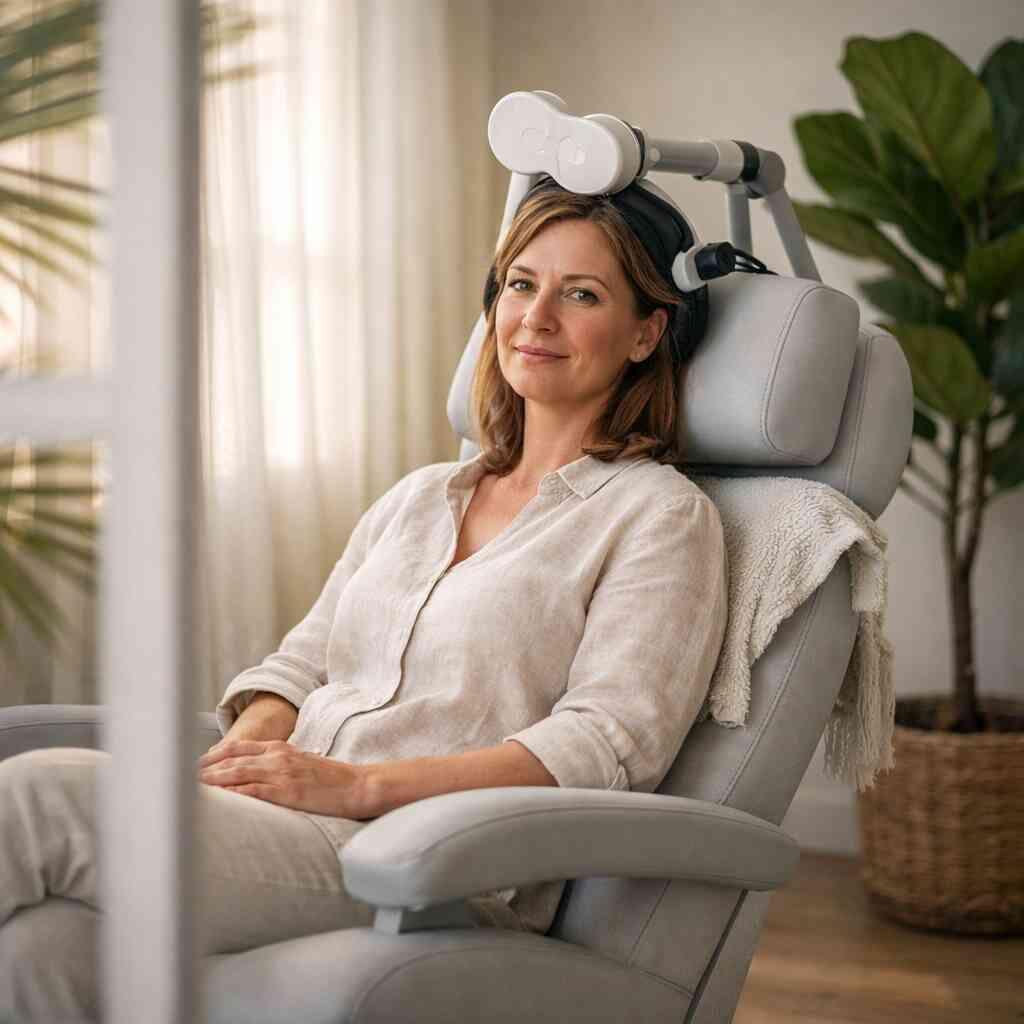
TMS may help with bipolar depression by using focused magnetic pulses to influence mood circuits without the sedation, weight gain, or daily systemic side effects that can make medication hard to stay on. For many people in Florida, it becomes a practical non-invasive brain stimulation option after antidepressants or mood treatments have not held the line.
If you are reading this because you feel stuck, that makes sense. Bipolar depression can be exhausting, especially when one more medication change leaves you more foggy instead of more stable.
Key Takeaways
- TMS treatment Florida is a non-drug option that may be considered for bipolar depression care when symptoms keep returning after medication and therapy.
- Transcranial magnetic stimulation therapy uses magnetic pulses to target mood circuits; it does not work like sedation, and it does not require anesthesia.
- A careful TMS psychiatrist Florida evaluation should screen for mixed symptoms, mania risk, anxiety, OCD, and substance use before treatment starts.
- In Florida clinics, people often ask about TMS cost Florida, TMS insurance coverage Florida, side effects, and safety before they commit to care.
- The most useful next step is a structured consultation, not guessing from internet searches like TMS near me Florida.
When bipolar depression keeps coming back after meds and therapy, what is TMS really doing differently
TMS works differently because it does not flood the whole body with medication. It uses targeted magnetic pulses to influence activity in brain networks linked to mood, attention, and motivation. For some people with medication-resistant depression, that makes it a useful alternative depression treatment after standard options have fallen short.
Why medication resistant depression can feel stuck in a loop even when you are trying everything
Bipolar depression is not just “feeling down.” It can bring heavy fatigue, slowed thinking, loss of interest, and a sense that nothing gets traction. If you have already tried medications, therapy, sleep changes, and lifestyle adjustments, the repetition can feel cruel.
That loop is familiar to many clinicians. One person may do well for a while on an antidepressant, then hit side effects or mood swings. Another may cycle through mood stabilizers and still wake up drained, with no real relief. This is where TMS after failed medications often enters the conversation as a non-drug depression treatment worth evaluating.
The evidence base is strongest for major depression, but bipolar depression care is increasingly discussed in a careful, individualized way. In day-to-day practice, the question is not “Can TMS fix everything?” It is “Does this person have a profile where TMS may fit safely and sensibly?”
A helpful reference point is the broader depression literature, including the Stanford group’s work and later reviews that show measurable symptom improvement in many patients. The exact response varies, and no honest clinic should promise a specific result. If you want the research context, the National Institute of Mental Health offers solid overviews of mood disorders and treatment frameworks.
How transcranial magnetic stimulation therapy targets mood circuits without the heavy sedation or fog some people dread
How does TMS work? In simple terms, a coil placed against the scalp sends magnetic pulses into specific brain areas. Those pulses influence neural firing and connectivity. The person stays awake. There is no IV, no general anesthesia, and usually no recovery time beyond a normal appointment.
That is why people who dislike the “washed out” feeling of some medications often ask about magnetic brain therapy. They want a treatment that can fit into real life, not one that knocks them off balance for the rest of the day. With repetitive TMS and deep TMS therapy, the session is usually structured and predictable.
Here is the part most people miss: TMS is not meant to replace every other part of care. It often works best as part of a thoughtful plan that still includes sleep, medication review, psychotherapy, and follow-up. For depression-focused care, you can also read more on TMS treatments for depression.
What a bipolar depression evaluation at a Florida mental health clinic should actually look like
A proper evaluation should confirm the diagnosis, look for mania or mixed features, review all current medications, and rule out factors that make TMS unsafe or less appropriate. In Florida, a good clinic also explains how follow-up, coordination, and insurance verification work before treatment starts.
How TMS psychiatrist Florida teams decide whether TMS for bipolar depression fits your history, symptoms, and current meds
A careful intake starts with the basics: your diagnosis history, past medication response, sleep pattern, hospitalizations, and any periods of elevated energy, impulsivity, or agitation. That matters because TMS for bipolar depression is not a one-size-fits-all decision. The team should want to know what has failed, what helped, and what side effects you could not tolerate.
Good clinics also use measurement tools such as the PHQ-9 or MADRS to track symptoms over time. Those scores do not tell the whole story, but they give a concrete baseline. On the research side, the broader transcranial magnetic stimulation research field continues to refine protocols, including where deep TMS therapy may help and where standard repetitive TMS may be the better fit.
A clinic that serves Florida patients should also explain the practical side of care: appointment frequency, transportation, and whether the schedule fits your life in places like Aventura, Coral Gables, Boca Raton, Delray Beach, or Winter Park. If you are comparing providers, the About TMS Treatment Florida page is a smart place to start.
Why careful screening matters for bipolar depression care, mixed symptoms, anxiety, OCD, and substance use disorder at the same time
Screening matters because bipolar depression often travels with other conditions. Anxiety can sharpen hopelessness. OCD can drain energy. Substance use can blur the picture even more. A team that sees the whole pattern can decide whether TMS should be paired with other care or postponed until the plan is safer.
This is especially important for people with dual diagnosis treatment Florida needs. If alcohol, nicotine, or other substances are part of the picture, the clinic should ask about that directly, not as an afterthought. The broader addiction field, including guidance from SAMHSA and the National Institute on Drug Abuse, supports careful assessment before any brain-based treatment is started.
For people asking about related concerns, TMS may also be discussed for anxiety or OCD, but the order matters. Safety and diagnosis come first. If a clinic rushes that part, keep looking.
The session room reality check from coil placement to daily life in South Florida
A typical session is outpatient, awake, and repetitive. You sit in a chair, the team positions the coil, and the machine delivers brief pulses with a tapping sound. Most people can drive themselves home afterward, but clinics should still review side effects, seizure risk, medications, and insurance details before the first visit.
What repetitive TMS or deep TMS therapy feels like in TMS clinic Miami, TMS Fort Lauderdale, TMS West Palm Beach, TMS Orlando, and TMS Tampa settings
In practice, the room is usually quiet, bright, and practical. The coil sits against the scalp, often over the left prefrontal area for depression protocols. You may feel tapping or mild scalp discomfort at first. Some people get a headache after the session, but many do not. The schedule is often the biggest adjustment. Weekly routines are not the norm; frequent visits are. That can be manageable if you live near a TMS clinic Miami, TMS Fort Lauderdale, TMS West Palm Beach, TMS Orlando, or TMS Tampa location, but it can be harder if you are commuting from farther away. If you are checking regional access, the Palm Beach County location page and the Miami-Dade County location page can help you compare options. 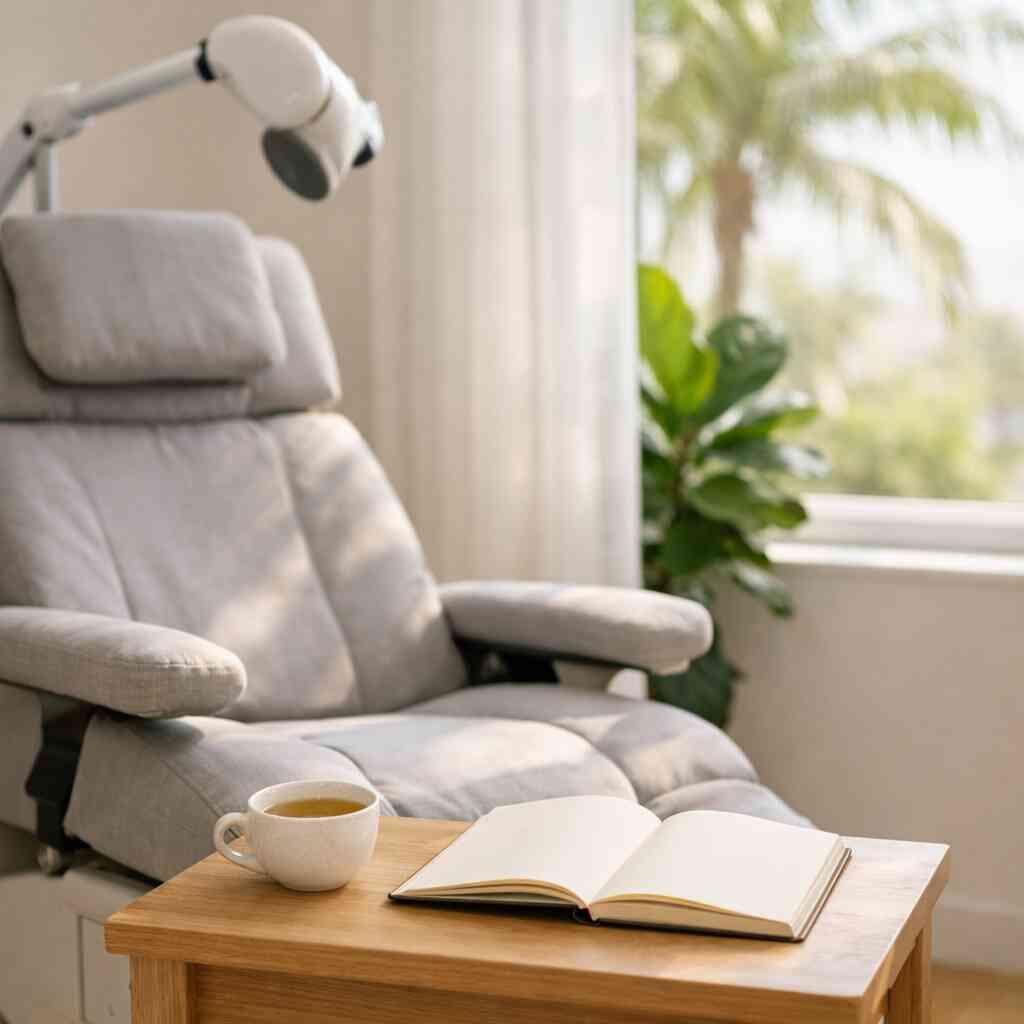
One patient we spoke with described the experience as “less dramatic than I expected, but more tiring than a haircut.” That sounds small, but it captures the truth well. TMS is not usually painful. It is just demanding enough that planning matters.
How side effects, safety questions, TMS cost Florida, and TMS insurance coverage Florida usually get reviewed before treatment starts
Here is the short version: most clinics should review TMS side effects safety, your medication list, your history of seizures or head injury, and whether you have metal implants that matter for treatment. They should also explain that insurance rules can vary, especially for bipolar depression and other off-label discussions.
TopicWhat patients usually askWhat a good clinic should explainSide effectsHeadache, scalp discomfort, fatigueMost side effects are local and temporary, but safety screening is essentialCostTMS cost FloridaExact pricing depends on protocol, visits, and insurance reviewCoverageDoes insurance cover TMS in FloridaCoverage often depends on diagnosis, documentation, and prior treatment historyProtocolDeep TMS therapy vs. repetitive TMSThe team should explain why one approach is being consideredIf you want a practical breakdown of coverage questions, use the insurance and costs page. For context on what outpatient behavioral clinics in Florida are expected to handle, the Florida Agency for Health Care Administration sets licensing and oversight standards that reputable clinics must follow. That is one reason careful intake matters.
A final note on expectations: no one should promise a specific TMS therapy success rate for your case. A trustworthy clinic will talk in ranges, evidence, and follow-up, not hype. If you are comparing providers, look for clear explanations, not flashy claims about a luxury TMS center.
If medication has not been enough, TMS Treatment Florida can help you sort through the evidence, ask the right questions, and compare care options without pressure. You can also review their broader resource hub on mental health and TMS therapy for related topics like TMS for substance use disorder and What does TMS Treatment Florida mean for bipolar depression.
Frequently Asked Questions
Does TMS work for bipolar depression?
TMS may help some people with bipolar depression, but it is not a blanket solution, and it should be screened carefully. The strongest evidence base is for depression in general, including medication-resistant cases, while bipolar-specific use depends on symptoms, medications, and whether mixed or manic features are present. A good clinic will explain where the evidence is strong and where it is still emerging.
Is TMS safe if I have anxiety too?
Often, yes, but the clinic should review the full picture first. Anxiety does not automatically rule out TMS. In fact, many people with depression also have anxiety symptoms that need to be considered in the treatment plan. The key is careful screening, clear monitoring, and realistic expectations about what TMS can and cannot change.
What does a TMS session feel like?
Most people feel tapping or clicking on the scalp during treatment. Some feel mild discomfort or a headache, especially early on. There is no anesthesia, and you stay awake the whole time. Sessions are usually brief enough to fit into a workday, but the schedule can still feel demanding because visits are frequent.
Does insurance cover TMS in Florida?
Sometimes, but coverage depends on the plan, diagnosis, and prior treatment history. Many insurers want proof of medication trials and clinical documentation. It is best to verify benefits before you start, because out-of-pocket costs can change based on network status and protocol. A clinic should help you check that in advance.
How long do TMS results last?
That varies. Some people maintain gains for a long time, while others need maintenance therapy or periodic follow-up. TMS long-term results depend on the condition being treated, overall mental health, medication changes, and ongoing support. No honest provider should promise permanence. They should plan for follow-up care.
Can TMS be used for addiction or PTSD too?
Research is growing, but these uses require careful discussion. TMS for cravings and substance-related symptoms has been studied, including work connected to addiction programs and craving reduction, and some clinics also discuss TMS for PTSD Florida. For addiction concerns, the SAMHSA National Helpline and specialty addiction care should stay part of the conversation.
What should I ask a Florida clinic before I book?
Ask about diagnostic screening, who reviews your case, whether they track symptoms with tools like PHQ-9 or MADRS, how they handle side effects, and how they verify insurance. You can also ask whether they coordinate care for bipolar depression, anxiety, OCD, or substance use concerns. If you want a direct conversation, call +18886883036 and ask what next steps make sense for your situation.