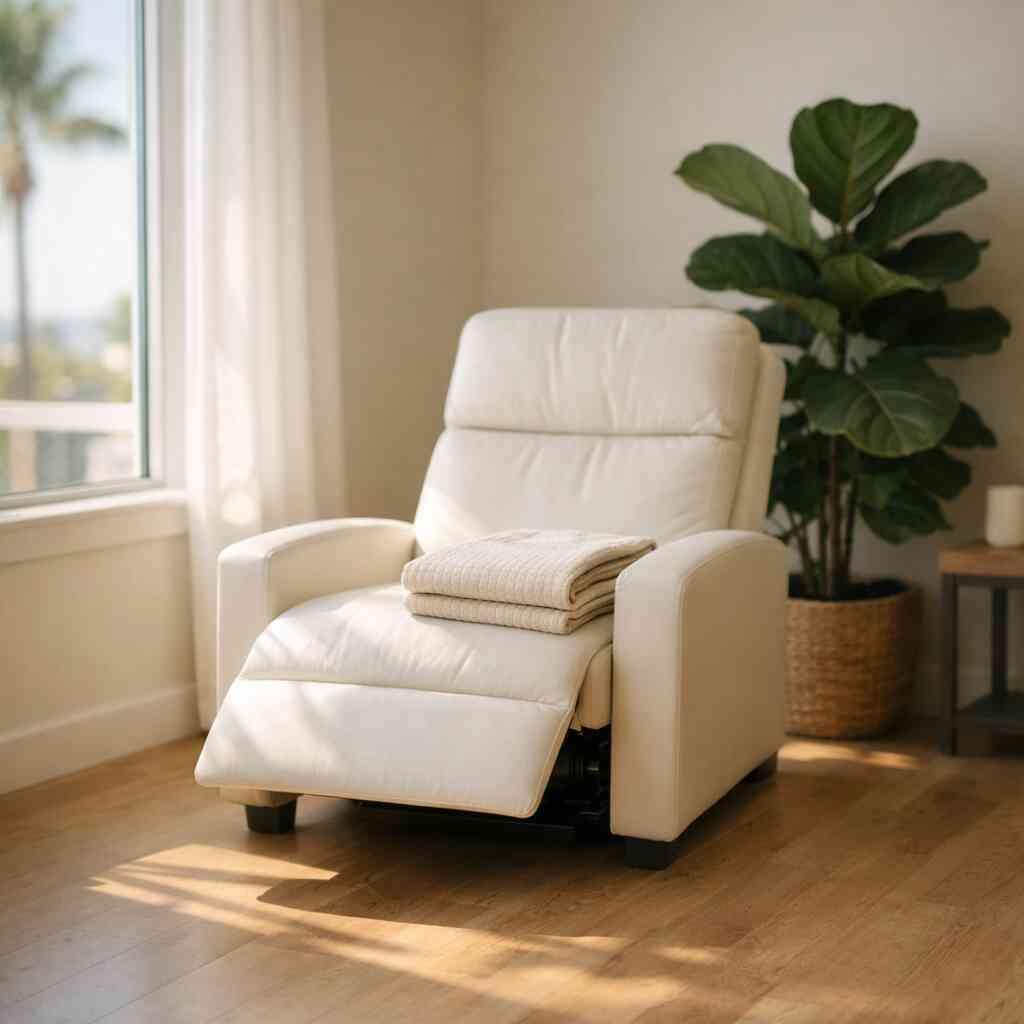
TMS can be a strong option for anxiety symptoms when medication has not helped enough or has caused side effects you do not want to keep living with. It offers non-invasive brain stimulation that may fit people who want a different path than another prescription change.
If you are reading this because your worry feels stuck on repeat, that feeling makes sense. Many people reach this point after trying medication, therapy, or both, and still waking up tense, foggy, or on edge.
Key Takeaways
- TMS for anxiety may be a practical option when symptoms persist after medication or therapy has not brought enough relief.
- Transcranial magnetic stimulation therapy is non-invasive, uses magnetic pulses, and does not require anesthesia or downtime for most people.
- Anxiety often overlaps with depression, OCD, PTSD, or substance use issues, so a personalized plan matters more than a one-size-fits-all approach.
- Access matters in Florida. Choosing a clinic near Miami, Fort Lauderdale, West Palm Beach, Orlando, or Tampa can make it easier to finish treatment.
- Before you choose a clinic, ask about team experience, TMS side effects safety, insurance verification, and what support looks like after treatment.
1) Why does TMS feel like a better fit when anxiety has worn out medication and talk therapy
TMS can feel like a better fit because it offers a non-drug option for people who have not gotten enough help from standard care. It does not replace therapy or medication for everyone, but it may be worth discussing when anxiety stays high despite repeated attempts to treat it.
When SSRIs blur your day and still leave the worry in place
A lot of people describe the same pattern: the medication may dull the edge, but it also dulls focus, energy, or emotional range. That tradeoff can feel worse than the anxiety itself. TMS treatment Florida patients often ask about this after trying SSRIs or other drugs and still feeling trapped in constant alert mode.
One common scenario is the person who can function at work but feels spent by 3 p.m. They are not failing treatment. They are usually tired of repeating a cycle that never quite lands.
For readers who want a broader overview, TMS Treatment for Anxiety Disorders explains how anxiety-focused care is typically framed. If your symptoms sit next to depression, it also helps to understand the overlap with TMS Treatments for Depression, because anxiety and low mood often move together.
Why non-invasive brain stimulation can feel different from another pill bottle
Unlike medication, transcranial magnetic stimulation therapy works from the outside in. It uses magnetic pulses to target networks involved in mood regulation. That makes it a form of non-invasive brain stimulation rather than a systemic drug treatment.
Research on how TMS works continues to grow, including work from major centers and professional groups. The 2018 Stanford study by Carpenter and colleagues, along with broader transcranial magnetic stimulation research, helped strengthen the case for TMS in mood disorders. For depression, the evidence base is strongest, and that matters because anxiety often travels with it.
If you want to see how TMS is described in a Florida setting, What Makes TMS Therapy in Florida a Non Drug Depression Option gives helpful context. People who are comparing options sometimes also ask about Why TMS Treatment Florida Helps After Failed Medications, especially after previous treatments have not worked.
2) What makes the treatment room feel calmer than most people expect
A TMS session usually feels quieter and more structured than people imagine. You sit in a chair, stay awake, and hear a tapping sound as the machine works. For many anxious patients, that predictability matters as much as the technology itself.
What a session at a Florida TMS clinic actually sounds and feels like
A typical visit at a Florida mental health clinic for TMS is usually straightforward. You check in, sit in a reclined chair, and the team positions the coil at the treatment site. Most sessions last around 20 to 40 minutes, depending on the device and protocol.
The sound is often a steady clicking or tapping. Some people compare it to light mechanical drumming. There is no anesthesia, and most people drive themselves home afterward. That simplicity can make a big difference for someone whose nervous system already feels overloaded.
If you are comparing settings, the experience can vary by site and device. Some clinics use deep TMS therapy, while others use standard repetitive TMS. If you want a deeper look at that difference, The Difference Between Deep TMS and Repetitive TMS 2026 is a useful related read.
Why the quiet structure of repetitive TMS can help anxious minds settle
Here is the part most people miss: anxiety often gets worse in unpredictable settings. TMS does the opposite. Same chair. Same process. Same time block. That rhythm can lower anticipatory stress, which is one reason some people tolerate magnetic brain therapy better than they expected.
A common story we hear is someone who arrived braced for discomfort, then realized the session felt more boring than scary. That does not make the condition easy. It does make the visit more manageable.
If you are also exploring depression care, TMS Treatments for Depression is a good companion resource. For clinical context and broader public health information, the National Institute of Mental Health is a solid starting point.
3) Which anxiety patterns seem to respond best to a personalized TMS treatment plan
TMS tends to make the most sense for people whose anxiety is persistent, layered, or tied to other diagnoses. A personalized plan matters because anxiety rarely shows up by itself. It often sits beside depression, OCD, PTSD, bipolar depression, or substance use concerns.
How treatment-resistant anxiety can overlap with depression OCD or PTSD
Many people searching for TMS for anxiety are also dealing with more than anxiety alone. That can include medication-resistant depression, rumination, panic, intrusive thoughts, or the hypervigilance seen in TMS for PTSD Florida. In some cases, OCD symptoms may also be part of the picture, which is why TMS OCD therapy is often discussed in the same conversation.
TMS is not a cure-all. But it can be a thoughtful option when a pattern has resisted standard care. The strongest evidence base remains depression, including FDA-approved depression treatment protocols. In practice, clinicians often use that evidence to guide care when anxiety and depression are tightly linked.
If bipolar depression is part of the picture, the discussion should be more careful and individualized. TMS treatments for Bipolar Disorder explains that overlap more directly.
Why a TMS psychiatrist may pair brain stimulation with therapy or medication changes
A skilled TMS psychiatrist Florida patients can work with will usually think in layers. They may adjust medications, recommend therapy, or coordinate care if OCD, trauma, or mood instability are part of the picture. Some people also ask about a TMS and EMDR combination, especially when trauma keeps the body stuck in high alert.
That same layered thinking matters for addiction recovery. Research on rTMS and cravings is growing, including work discussed by groups such as the Medical University of South Carolina. TMS is not a substitute for rehab, but it may be considered in dual diagnosis treatment Florida plans or alongside addiction rehab Florida services.
For those comparing care options, How TMS Treatment Florida Supports OCD and EMDR Care is useful background, and TMS treatments for Bipolar Disorder can help if mood cycling is part of the history.
4) Why location and access matter more than people think when choosing TMS in Florida
Location matters because TMS works best when you can actually finish the course. If getting to the clinic feels impossible, the treatment plan can fall apart. In Florida, access from Miami, Fort Lauderdale, West Palm Beach, Orlando, or Tampa can make follow-through much easier.
How TMS clinic Miami TMS Fort Lauderdale TMS Orlando and TMS Tampa options change the follow-through
A clinic near home or work reduces missed sessions. That matters because TMS is usually delivered several days a week over a stretch of time. If you are commuting from South Florida, a nearby office can be the difference between staying consistent and dropping out. 
Access factorWhy it mattersShorter driveFewer missed visitsFlexible schedulingEasier to fit work or family needsNearby parkingLess stress before each sessionLocal clinic supportBetter continuity of careFor people searching TMS near me Florida, a good starting point is to look at locations and see which areas are practical. That includes patients coming from Aventura, Coral Gables, Boca Raton, Delray Beach, and Winter Park.
What to ask about TMS insurance coverage Florida TMS cost Florida and travel from South Florida communities
Cost is a real concern, and it should be discussed plainly. TMS insurance coverage Florida can vary by plan, diagnosis, and medical necessity rules. You may also want to ask directly, does insurance cover TMS in Florida, because prior authorization is common.
A clinic should help you verify benefits before treatment starts. They should also explain what is and is not included, without guessing at numbers. For cost questions, insurance and costs is a helpful place to start. If you want a Florida-specific overview, the state’s outpatient setting rules through AHCA also shape how clinics operate.
5) What should you ask before choosing a clinic for anxiety care in Florida
You should ask about credentials, process, safety, and support after treatment. A good clinic answers clearly and does not rush you. The goal is not just to start TMS. The goal is to find a place that feels clinically solid and emotionally steady.
How to compare TMS reviews Florida team credentials and the feel of a Florida mental health clinic
Read TMS reviews Florida with care, but do not stop there. Ask who evaluates you, who supervises treatment, and how the clinic handles follow-up. You do not need every staff resume in hand, but you should feel confident that the team understands anxiety, depression, and related conditions.
A few smart questions help:
- Who performs the evaluation?
- How are symptoms tracked, such as with the PHQ-9 or MADRS?
- What happens if your anxiety spikes during treatment?
- How do you coordinate care with therapy or medication management?
If you want more background on the provider, About TMS Treatment Florida is worth reviewing. For related reading, Best TMS Clinic Miami Options for Medication Resistant Depression can help frame what a strong clinic should offer.
When to ask about TMS side effects safety maintenance therapy and next-step support after treatment
TMS side effects safety is an important conversation, even when the treatment is well tolerated. Common issues can include scalp discomfort, headache, or mild fatigue. Serious side effects are uncommon, but your clinic should review screening carefully and answer questions plainly.
Ask about TMS maintenance therapy if your symptoms improve and you want to understand how follow-up works. Ask how long results tend to last in real practice, not in marketing language. If you want a broader overview of anxiety support resources, Frequently asked questions about TMS and Top 7 Signs Loved Ones Ask About TMS Maintenance Therapy can help.
If medication has not been enough, TMS Treatment Florida can help you explore a noninvasive option and connect you with confidential care resources anywhere in Florida. If you want to talk through next steps, call +18886883036 for 24/7 support.
Frequently Asked Questions
Does TMS work for anxiety symptoms?
TMS may help some people with anxiety symptoms, especially when anxiety overlaps with depression or has not improved enough with standard care. The evidence is strongest for depression, and clinicians often use that research to guide treatment planning when anxiety is part of a broader mood picture. Results vary by person, symptom pattern, and the treatment protocol used.
How long does a TMS session take?
Most sessions take about 20 to 40 minutes. You stay awake, sit in a chair, and can usually return to normal activities right after the visit. That is one reason many people find it easier to fit into work or family life than treatments that require sedation or recovery time.
Is TMS safe for people with anxiety?
For many people, yes, but safety screening matters. A clinic should review seizure risk, metal implants, and other medical factors before treatment starts. Common side effects are usually mild, such as scalp discomfort or headache. Your provider should explain the risks and benefits clearly before you decide.
Does insurance cover TMS in Florida?
Sometimes, yes. Coverage depends on your plan, diagnosis, and medical necessity rules. Many insurers require prior authorization. A Florida clinic should help verify benefits and explain expected costs before treatment begins, rather than leaving you to sort through the paperwork alone.
Can TMS help if I have OCD or PTSD too?
It may be considered as part of a broader plan, especially when symptoms overlap with depression or anxiety. TMS is not the only tool for OCD or PTSD, but some patients discuss it alongside therapy, medication changes, or trauma-focused care. The right plan depends on your full history and current symptoms.
What should I ask before choosing a TMS clinic?
Ask who evaluates you, how progress is tracked, what side effects to expect, and how the clinic handles insurance questions. You should also ask whether they offer maintenance planning if symptoms improve. A good clinic will answer plainly and make you feel respected, not rushed.