When bipolar depression keeps outlasting meds, what does TMS in Florida actually change
If you are reading this after another medication stopped working, that frustration is real. The cycle can feel cruel. You try something hopeful, then side effects, flatness, or relapse show up again. That is often the moment people start searching for TMS treatment Florida and asking what it can actually do.
Why medication-resistant depression can feel like a moving target
Medication-resistant depression does not always look dramatic. Sometimes it looks like exhaustion, brain fog, and the quiet sense that nothing lands. For people with bipolar depression, the pattern can shift fast, which makes treatment feel unpredictable. Many families also hear mixed messages after transcranial magnetic stimulation therapy for depression in Florida.
Here is the part most people miss. The goal is not to promise a cure. The goal is to improve the odds when pills have stalled, especially after TMS after failed medications and repeated side-effect burnout. That is why people explore non-drug depression treatment and alternative depression treatment options that still respect safety.
What transcranial magnetic stimulation therapy does when pills have stalled
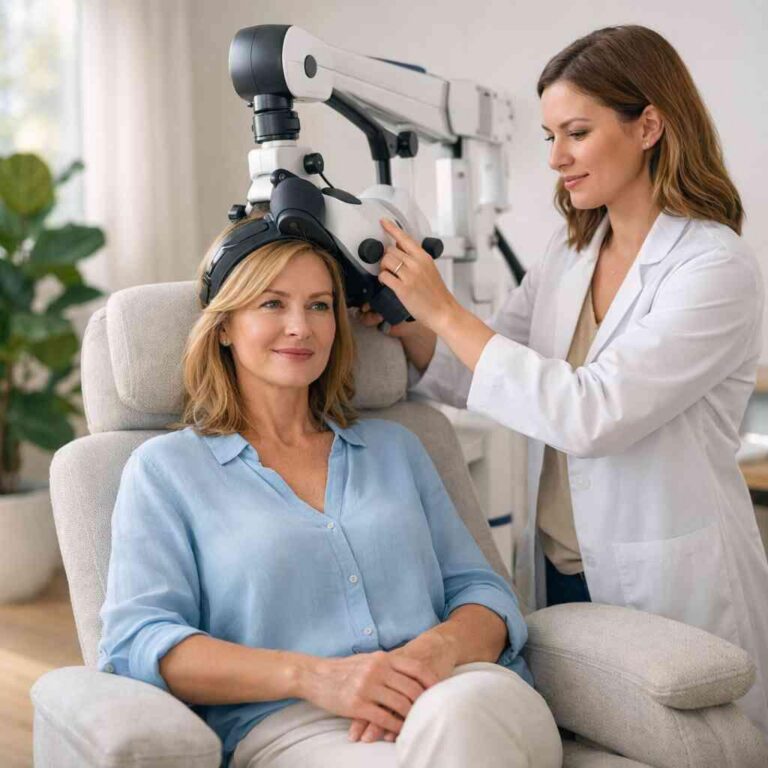
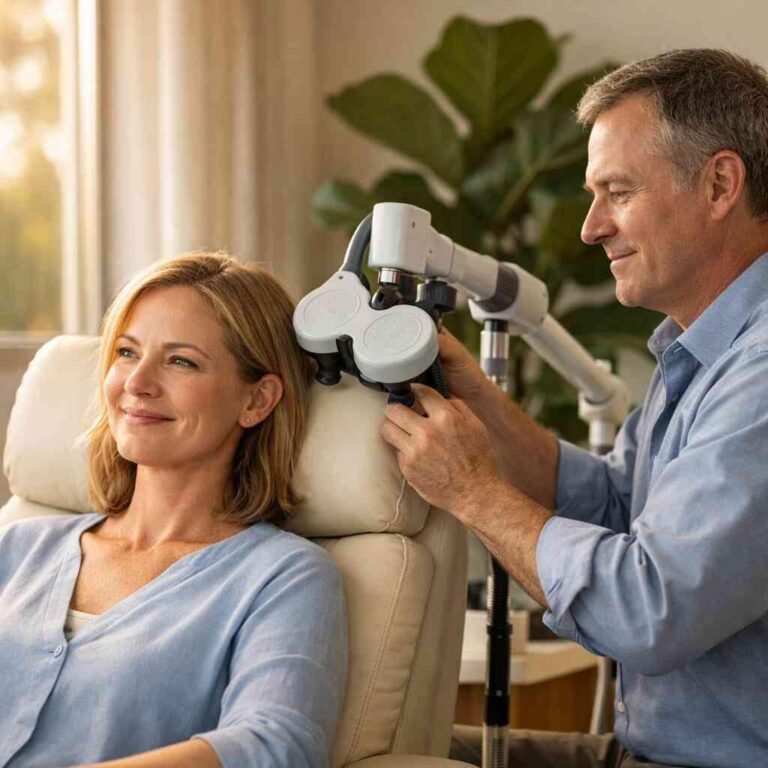
Transcranial magnetic stimulation therapy uses magnetic pulses to stimulate specific brain regions linked to mood. It is a form of non-invasive brain stimulation, sometimes described as magnetic brain therapy. Unlike medication, it does not circulate through your whole body, which matters when dry mouth, weight changes, or sedation have worn you down.
In plain language, TMS tries to wake up underactive mood circuits. That is why people ask how does TMS work. In depression care, providers often discuss it alongside Stanford group findings and later evidence reviews, while still avoiding overpromising. In Florida, many patients first hear about it when they search for a Florida mental health clinic that offers a structured, supervised path.
Why bipolar depression needs a different lens than unipolar depression
Bipolar depression is not simply “more severe” depression. It behaves differently. Mood shifts, sleep changes, energy swings, and antidepressant sensitivity all shape the treatment plan. That is why TMS for bipolar depression is usually discussed with more caution than standard unipolar depression care.
Clinicians often screen for current mania, mixed features, and recent instability before recommending TMS. That careful lens matters. It also explains why a TMS psychiatrist Florida search should focus on teams that understand bipolar illness, not just generic Florida behavioral health services. One patient in Broward described years of “good weeks and sinking weeks,” and what helped most was finally getting a plan that matched bipolar patterns instead of ignoring them.
Where TMS treatment Florida fits after failed medications and side-effect burnout
For many people, TMS enters the picture after long medication trials. That is especially true when TMS depression treatment Florida feels more appealing than another pill adjustment. It can also fit after medication-resistant depression has made daily life smaller than it should be. The appeal is simple: no daily swallowing, no systemic sedation, and no need to “push through” side effects that keep stealing your workday.
That is why a TMS clinic Miami or TMS Fort Lauderdale search often starts with practical relief, not theory. People want to know if they can keep working, driving, and parenting while treatment happens. Many also search TMS near me Florida because access matters when energy is already limited. For a broader view of services, TMS treatments for bipolar disorder is a useful place to start.
The brain-circuit story behind magnetic brain therapy and bipolar mood swings
How repetitive TMS and deep TMS therapy target stuck mood networks
Repetitive TMS sends a series of pulses at a set rhythm. Deep TMS therapy reaches broader and sometimes deeper brain networks, depending on the device and protocol. Both belong to the same family of neurostimulation for mood disorders, but they are not identical. People often compare deep TMS therapy and standard rTMS when they want to understand fit, time, and comfort.
A simple way to think about it is this: depression can leave some circuits too quiet and others too loud. TMS aims to rebalance that pattern. The exact method depends on diagnosis, symptoms, and device choice. If you want a cleaner primer, magnetic brain therapy and repetitive TMS explained helps connect the terms without turning them into jargon.
What the motor cortex and prefrontal areas have to do with mood regulation
The scalp location matters because brain networks are organized by region. In depression protocols, providers often target the left dorsolateral prefrontal cortex or related areas tied to planning, mood, and motivation. The motor cortex matters too, because it helps clinicians find the right stimulation dose by measuring response thresholds.
That is why TMS is more precise than it sounds. It is not random buzzing. It is guided stimulation with a map-like logic. The Florida clinics that explain this clearly tend to earn trust faster, especially for readers comparing TMS clinic Miami, TMS South Florida, TMS West Palm Beach, TMS Orlando, and TMS Tampa.
Why TMS for bipolar depression is usually discussed with careful screening
Bipolar depression needs screening because mood activation can be risky if a person is already moving toward hypomania or mixed symptoms. That does not mean TMS is off the table. It means the timing, target, and monitoring must be thoughtful. Many clinicians rely on guideline language from the APA and consensus reviews from the Clinical TMS Society.
This is also where real-world expertise matters. The question is not only does insurance cover TMS in Florida or TMS cost Florida. The bigger question is whether the clinic understands bipolar timelines, sleep warnings, and medication coordination. The FDA-cleared depression devices most often discussed in practice include NeuroStar and BrainsWay systems, though treatment decisions still depend on the patient, not the brand.
How clinicians think about TMS and EMDR combination when trauma and mood collide
Trauma can sit underneath mood instability. When that happens, some teams consider timing and sequencing with trauma work, including TMS and EMDR combination planning. EMDR is not a substitute for mood stabilization. Still, for some patients, trauma-focused care and TMS may complement each other when handled by a coordinated team.
This is where TMS treatment Florida for dual diagnosis care can matter, especially if anxiety, substance use, or PTSD also show up. Research on rTMS for cravings is growing, including work discussed in addiction settings and in studies from centers such as the Medical University of South Carolina. For related support, TMS treatment Florida for dual diagnosis care can be a helpful resource.
What a Florida TMS clinic visit feels like from the chair to the follow-up
What the evaluation usually looks like at a Florida mental health clinic
A good evaluation starts with history, not equipment. A clinician usually asks about diagnosis, medications, sleep, past mania, past hospitalizations, and substance use. That is normal. It is also where Florida behavioral health care should feel steady and respectful, not rushed.
You may also be asked about other conditions such as TMS for anxiety, TMS OCD therapy, TMS for PTSD Florida, or even TMS for teen depression and TMS for young adults in the family. The goal is to make sure the plan fits the whole picture. If you want to see how a team describes itself, how to choose a TMS psychiatrist in Florida is a practical read.
How providers may use PHQ-9 or MADRS-style measures to track change
Clinics often use measurement tools to avoid guessing. PHQ-9 and MADRS-style scoring help track whether symptoms are shifting over time. That matters because mood can feel subjective on a hard week. Numbers give the team a clearer trail.
Most TMS programs also compare baseline symptoms with progress after several sessions. That does not guarantee a specific outcome. Still, it helps answer whether the treatment is moving in the right direction. If someone is also asking about TMS therapy success rate, the honest answer is that response varies, and measurement keeps the discussion grounded.
What a session may feel like without sedation or downtime
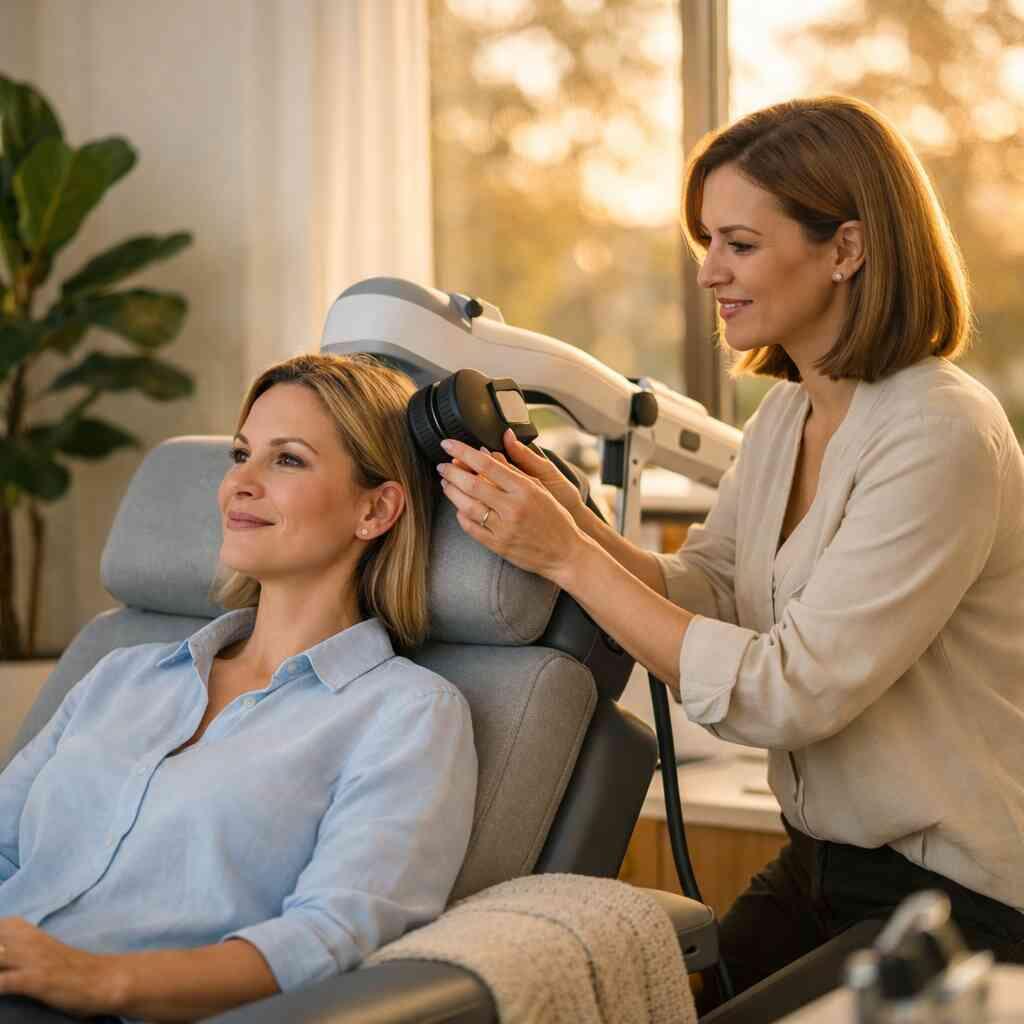
A session usually feels like tapping on the scalp. Some people notice the sound more than the sensation. Others feel a pulsing or pressure at first. There is typically no sedation, and many people return to work, errands, or family life right away.
That practical ease matters in Florida, where traffic and schedules already ask a lot. People commuting from Coral Gables or Winter Park often want treatment that does not wipe out the day. One patient once described the first session as “odd but manageable,” then said the real relief was being able to drive home and eat lunch normally.
How TMS side effects and safety are usually discussed before treatment starts
Side effects are usually mild, but they still deserve a careful conversation. Common discussion points include scalp discomfort, headache, or brief fatigue. Providers should also review seizure-risk screening and medication interactions. For many readers, this is the place where TMS side effects safety becomes less scary once explained clearly.
If you want a fuller overview, TMS Treatment Florida guide to side effects and safety is the right kind of detail to review before committing. The important thing is honesty. Safe care does not hide the tradeoffs. It explains them early.
Why maintenance therapy and long-term results matter after the acute phase
People often ask what happens after the active series ends. That is where TMS maintenance therapy comes in. Some patients need booster sessions. Others simply move into observation and medication follow-up. There is no one-size-fits-all pattern.
Long-term results matter because bipolar depression can recur. The best clinics talk about follow-up as part of the plan, not an afterthought. For a deeper look at planning ahead, TMS maintenance plans for lasting relief is useful. It helps set expectations without pretending every story follows the same arc.
Why Florida families ask about cost, coverage, and clinic fit before they commit
What TMS cost Florida questions usually come down to in real life
Most cost questions are really about uncertainty. People want to know if the time, travel, and paperwork will be worth it. They also want straight answers on TMS cost Florida, not vague marketing. That is fair.
Costs can depend on diagnosis, session count, device type, and insurance benefits. Some clinics also offer verification help before the first appointment. For specific pricing logic, TMS cost Florida questions is the clearest place to look. It is better than guessing and getting blindsided later.
How to think about TMS insurance coverage Florida and whether insurance covers TMS in Florida
Insurance is often the hardest piece. Some plans cover TMS for certain diagnoses when medical criteria are met. Others need more documentation. That is why people search TMS insurance coverage Florida and does insurance cover TMS in Florida before they schedule. Florida’s insurance landscape can feel especially uneven for seasonal residents, employer plans, and changing networks. That makes verification essential. Ask for benefit checks in writing. If you are comparing clinics, a page like TMS treatment in Miami-Dade, Broward, and Palm Beach counties can help you match coverage with proximity. 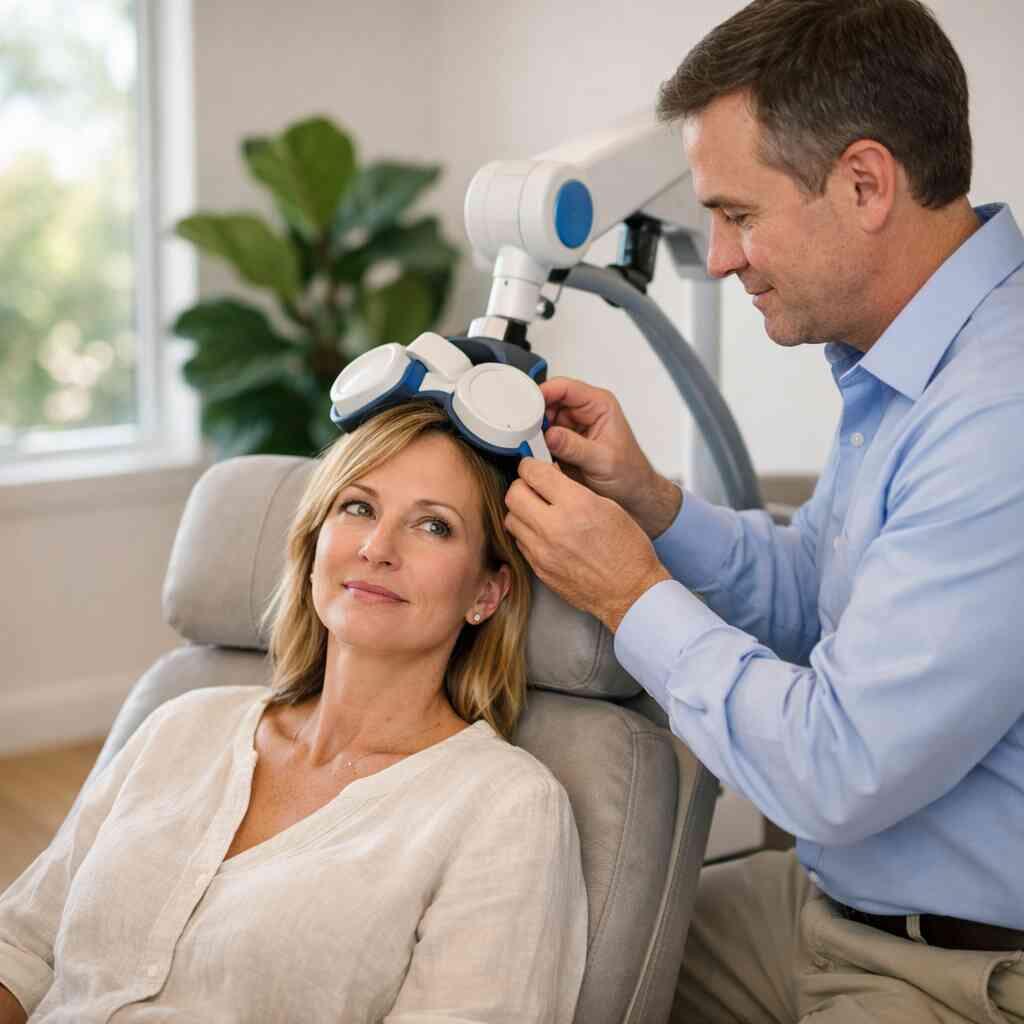
What makes a best TMS clinic Florida search feel different in Miami, Fort Lauderdale, West Palm Beach, Orlando, and Tampa
The best TMS clinic Florida search is rarely about luxury. It is about competence, access, and communication. A clinic can look polished and still miss the basics. You want clear screening, coordinated follow-up, and staff who answer questions without rushing.
That matters whether you are searching TMS clinic Miami, TMS Fort Lauderdale, TMS West Palm Beach, TMS Orlando, or TMS Tampa. Location is part of care, not an afterthought. One family driving in from Palm Beach County told us the difference was not the décor. It was the way the clinic explained the schedule and verified benefits before the first visit.
Why local access matters for people commuting from Aventura, Coral Gables, Boca Raton, Delray Beach, and Winter Park
Local access can make or break consistency. TMS works best when appointments happen reliably. Long commutes can become the reason people drop off. That is why searches like TMS near me Florida are more practical than they look.
Florida traffic, summer storms, and school schedules all matter. If you are coming from Aventura, Coral Gables, Boca Raton, Delray Beach, or Winter Park, even a short drive can feel long after a rough night. Nearby access reduces friction, which protects follow-through. For location planning, TMS Treatment Florida locations is a smart place to compare options.
How TMS psychiatrist Florida support can fit into broader Florida behavioral health care
TMS is not a standalone answer for every person. It often works best inside a larger care plan that may include medication management, therapy, sleep support, or substance-use treatment. That is where TMS psychiatrist Florida support can be central. Bipolar care almost always benefits from coordination.
Florida providers also see overlap with TMS addiction recovery, TMS for substance use disorder, TMS for smoking cessation, and alcohol addiction brain stimulation conversations. Those uses remain more research-driven than standard depression protocols, so expectations should stay careful. If you want to learn more about team structure, About TMS Treatment Florida is the place to check.
What to do next if bipolar depression keeps taking too much from your day
How to compare bipolar depression treatment options without getting lost in jargon
Start with three questions. Does the plan fit your diagnosis? Does it fit your schedule? Does it fit your insurance? That is the real filter for bipolar depression treatment options.
You do not need to memorize every term before you call. You only need enough clarity to ask better questions. That includes TMS for bipolar depression, medication adjustments, psychotherapy, and higher levels of care when needed. For broader resources, TMS treatments can help you compare paths without pressure.
When TMS for bipolar depression may deserve a closer look after therapy and medication
If you have tried several medications, or if side effects keep making treatment harder than the illness itself, TMS deserves a real conversation. It may also be worth discussing if therapy has helped some, but not enough. That is especially true when you keep bouncing between low mood and burnout.
The point is not to chase every new option. It is to choose the one that fits your pattern. For some people, that means TMS for bipolar depression after long medication fatigue. For others, it means holding off and tightening the mood-stability plan first.
What to ask about safety, support, insurance, and scheduling before you book
Ask how they screen for bipolar features. Ask how they handle medication coordination. Ask how often they reassess symptoms. Ask who you call if sleep drops or mood shifts. Those answers tell you a lot.
A simple checklist helps:
- Do they verify insurance before the first visit?
- Do they discuss TMS side effects safety in plain language?
- Do they use PHQ-9 or MADRS tracking?
- Do they offer flexible scheduling for work and family?
- Do they explain maintenance planning up front?
If you are also comparing pricing details, Top 5 questions about TMS insurance coverage in Florida is a useful resource to review before committing.
How to use location pages and resource pages like /depression-tms/ /insurance-and-costs/ and /locations/ to make a calm decision
Use the resources to slow the process down, not speed it up. That sounds backward, but it works. Clear information reduces panic. It also helps you compare TMS reviews Florida with actual service details instead of emotion alone.
If you are weighing a luxury TMS center against a more clinical setting, focus on process quality. Good questions beat polished slogans. You can also review TMS treatment Florida location details, then match them to your commute and insurance. That kind of practical fit is often what keeps treatment going long enough to matter.
Why the right next move is the one that matches your symptoms, support needs, and daily life
The right move is not the flashiest one. It is the one you can actually sustain. If bipolar depression has taken too much from your day, you deserve care that respects your limits and your time. That may mean calling a clinic, reading one more resource, or talking with your psychiatrist about whether TMS belongs in the plan.
If you want a calm, informed conversation with a team that understands Florida access, bipolar screening, and real-world scheduling, reach out to TMS Treatment Florida. Start with one call today, and use the rest of the day to breathe a little easier.
Frequently Asked Questions
Does TMS work for bipolar depression?
TMS may help some people with bipolar depression, but results vary. Clinicians usually screen carefully for mania, mixed symptoms, and current stability before starting. The treatment is more commonly discussed as part of a broader mood plan, not as a replacement for everything else. If you want a bipolar-focused evaluation, ask whether the clinic has experience with bipolar screening and maintenance planning.
How does TMS work without medication?
TMS uses magnetic pulses to stimulate brain regions involved in mood regulation. It is a form of non-invasive brain stimulation, so it does not work through your whole body like medication. That can be appealing if you have side effects from pills. Still, it is not a magic fix, and it works best when the diagnosis and target are chosen carefully.
What are the most common TMS side effects?
Most people discuss scalp discomfort, headache, or temporary fatigue. Some feel tapping or pressure during sessions. Serious side effects are uncommon, but providers should still review seizure-risk screening and medication history. A good clinic will explain safety in plain English before treatment begins, not after.
Does insurance cover TMS in Florida?
Often, yes, but it depends on the plan and medical criteria. Many insurers require documentation of prior medication trials and a qualifying diagnosis. Florida patients should ask for a benefit check in writing before scheduling. That helps avoid surprises and makes cost planning much easier.
How long does a TMS session take?
Session length varies by protocol and device. Many visits are short enough to fit around work or school pickup. You usually do not need sedation, and most people return to normal activities right away. Your clinic should tell you exactly what to expect before the first appointment.
Is TMS only for depression?
No. TMS is best known for depression, but it is also discussed for anxiety, OCD, PTSD, smoking cessation, and addiction-related cravings in some settings. Those uses often depend on the clinic, the diagnosis, and the evidence base for that condition. Ask the provider how they match your symptoms to the right protocol.