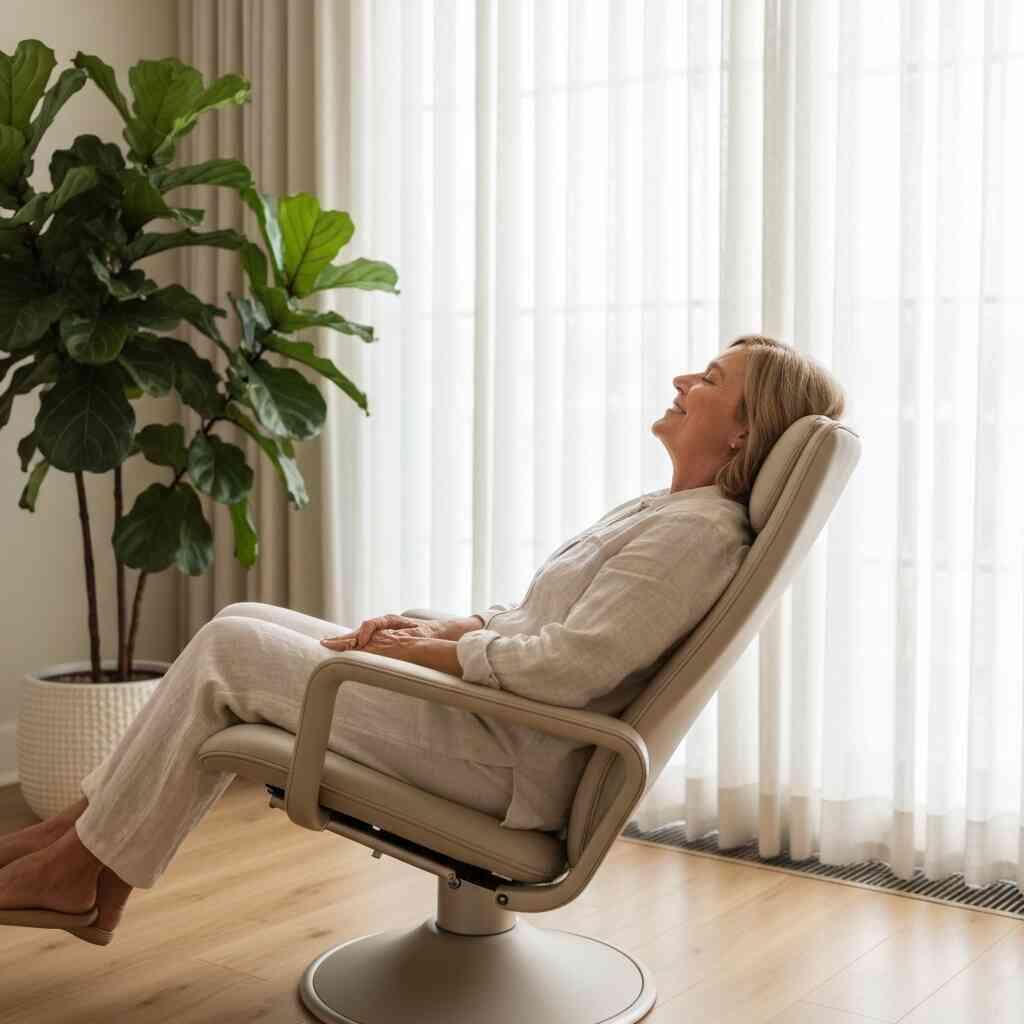
Many people in Florida struggle with the heavy burden of dual diagnosis. This condition involves both a mental health disorder and a substance use issue. Patients often feel trapped in a cycle of feeling down and then seeking relief through substances. Traditional medications might provide temporary relief for some symptoms, but they frequently fail to address the root causes of these complex issues. When pills do not work, it is time to explore other ways to heal the brain. TMS treatment in Florida for dual diagnosis offers a different pathway for those who have exhausted standard options.
Breaking the Cycle of Medication Resistant Depression and Addiction
The frustration of trying multiple medications without success is a common experience. Patients often share stories of dry mouths, feeling numb, or watching their mood crash despite daily pill routines. Standard psychiatric drugs rely on chemical balancing that does not always reach the deeper circuits of the brain. When these chemical messengers fail to trigger the right response, the noise of depression or anxiety remains. This persistent noise often drives individuals toward substances to cope with internal discomfort. Breaking this cycle requires a more direct approach that speaks the language of the brain itself.
Why standard pills often fail to silence the noise of dual diagnosis
Medications work by increasing the availability of neurotransmitters in the synaptic space. This mechanism assumes that a lack of serotonin or dopamine is the sole cause of mental illness. For many, this theory does not fully explain why they continue to struggle with intense emotional pain. Dual diagnosis patients often have complex brain activity patterns that pills simply cannot influence. When medication is the only tool used, the underlying neurobiology remains largely unchanged. This leads to the experience of medication resistance, where hope begins to fade.
The neurobiology of cravings and mood dysregulation
Cravings and mood swings are not just personality flaws or weak willpower. They are physical manifestations of a dysregulated brain circuit that keeps firing incorrectly. The reward centers in the brain become hijacked by the cycle of substance use and emotional distress. This creates a feedback loop where the brain constantly seeks relief in ways that harm long-term health. Understanding that this is a physical, biological event helps remove the shame often associated with addiction. By focusing on the physical nature of these circuits, we can repair them.
Moving beyond the limitations of traditional behavioral health solutions in Florida
Florida residents have access to many behavioral health clinics, yet many patients still report a lack of progress. Traditional talk therapy is valuable, but it is often not enough when the biological foundation of the brain is shaky. Relying solely on talk therapy or standard meds can leave a huge gap in the recovery process. We see people in Aventura or Boca Raton who have tried everything and still feel stuck. By shifting the focus to how the brain functions, we can provide a much-needed bridge for patients. True recovery involves fixing the hardware of the brain alongside the software of therapy.
How Transcranial Magnetic Stimulation Therapy Resets Your Brain Chemistry
Transcranial magnetic stimulation therapy uses precision to change how brain cells communicate. It is a non-invasive way to stimulate specific regions that are underactive in those with mood disorders. Unlike systemic medications, this therapy targets the precise areas responsible for mood and reward. By delivering small, targeted magnetic pulses, we can reboot the brain’s natural rhythm. This is a scientific process refined through years of clinical study and observation. It represents a major leap forward for those seeking a life free from the grip of constant distress.
Understanding non-invasive brain stimulation as a tool for neuroplasticity
The brain has an amazing capacity to change and grow throughout our entire lives. Neuroplasticity is the ability of the brain to form new connections based on new experiences. Non-invasive brain stimulation helps guide this process by waking up dormant neural pathways. Think of it as physical therapy for the brain, strengthening the muscles that control mood regulation. When these circuits become stronger, the brain naturally becomes more resilient to stressors. This is the goal of transcranial magnetic stimulation principles that we apply in our daily practice.
Targeting the underlying neuro-circuitry for substance use disorder and anxiety
Substance use disorder changes the architecture of the brain, particularly in the prefrontal cortex. This area governs decision-making and impulse control, which are vital for recovery from addiction. Anxiety also creates hyperactive circuits that keep the body in a constant state of fight or flight. By targeting these specific regions, we can quiet the noise of anxiety and bolster the strength of the prefrontal cortex. This makes it easier for patients to choose healthy behaviors instead of falling back into old habits. Addressing these circuits directly is what makes this approach so effective for our patients.
Synergistic TMS and substance abuse treatment protocols
Successful recovery often requires more than one type of intervention. We find that combining neuro-stimulation with traditional rehab support provides the best results for our clients. By calming the brain with magnets, the patient becomes more receptive to therapy and lifestyle changes. This creates a synergistic effect where the treatments support each other. Many of our patients find that they can engage in their recovery work with more clarity than ever before. This integrated approach is a cornerstone of our advanced TMS protocols for addiction recovery in Broward County.
Evidence-based TMS for comorbid conditions and long-term mental wellness
Research shows that TMS is a powerful tool for those struggling with more than one issue. Clinical studies have proven its effectiveness in lifting the fog of depression and quieting the storm of anxiety. By focusing on long-term outcomes, we help patients maintain their progress. Our evidence-based TMS for mood disorders in Duval County relies on solid data rather than guesswork. Patients who finish their treatment often report a newfound sense of stability in their daily lives. We focus on achieving results that allow individuals to reclaim their joy and health.
Finding Sustainable Recovery Through Personalized Neuro-Modulation
Every person who comes to our clinic has a unique story and a unique brain map. We do not believe in a one-size-fits-all model because no two brains are identical. Our team works hard to customize each treatment plan to the specific needs of the individual. This level of care helps people feel seen and supported throughout their entire process. We are dedicated to providing integrated mental health and addiction recovery in Florida for everyone who reaches out. Taking the time to personalize the care ensures that the results are as effective as possible.

Why Florida residents choose integrated addiction and mental health recovery
Florida is a diverse and vibrant state, and our clinics reflect that local spirit. Residents in places like Winter Park or Delray Beach deserve care that understands their unique stressors. An integrated model works well because it treats the whole person, not just a single symptom. People choose us because we offer a warm environment that emphasizes human connection alongside advanced technology. Having a local team that cares makes a massive difference during difficult times. Our commitment to the community is reflected in the personalized support we offer every day.
Bridging the gap between clinical efficacy and daily life
Transitioning from a clinical setting back into the rhythm of daily life can feel daunting. We focus on practical outcomes that allow you to go back to work, school, or your family with renewed energy. Many patients worry about the logistics of daily sessions, but we make the process simple. Whether you live in a busy city or a quiet suburb, we make care accessible. Knowing what to expect during TMS therapy in Florida clinics removes the fear of the unknown. We want you to feel empowered and informed about your path to health.
A clear look at TMS maintenance therapy and future outcomes
Recovery is a journey that often requires ongoing care to protect the progress made during the initial sessions. TMS maintenance therapy for long-term recovery helps patients stay on track as they face new life challenges. We see this as a way to build lasting resilience that continues well after the primary sessions conclude. Patients often feel like they have finally found the stability they were looking for. By focusing on future outcomes, we help our patients build the lives they truly want to lead. Investing in your brain health today sets the stage for a better, more stable tomorrow.
Frequently Asked Questions
How does TMS therapy help with addiction recovery?
TMS helps by targeting the brain’s reward and impulse control circuits. By modulating these areas, it can reduce the intensity of cravings and improve emotional regulation. This makes it easier for patients to remain focused on their integrated addiction and mental health recovery in Florida.
Is TMS treatment in Florida covered by insurance?
Many insurance plans now cover TMS, especially for treatment-resistant depression. Our team works closely with you to navigate the verification process and maximize your coverage. We prioritize transparency regarding all costs and benefits for our patients.
How long does a typical session take at a TMS clinic?
A standard session usually lasts between 20 to 30 minutes, depending on the protocol used. Patients can typically return to their normal daily activities immediately after the session concludes. It is a very convenient option for those living busy lives in Florida.
Are there any significant side effects with TMS?
Most patients find TMS to be very well-tolerated with minimal side effects. The most common reports involve mild scalp discomfort or a slight headache during or after treatment. These symptoms generally subside quickly without the need for medications.
Can TMS be combined with other therapies like EMDR?
Yes, many of our patients benefit from using TMS alongside other therapeutic methods. A combined approach often yields the best results for complex cases involving trauma and addiction. We coordinate with your broader care team to ensure your treatment is cohesive.


