The Evolution of Neurostimulation: Why Coil Design Matters More Than Ever
From Magnetic Pulse to Neural Circuit: A Brief History of TMS Innovation
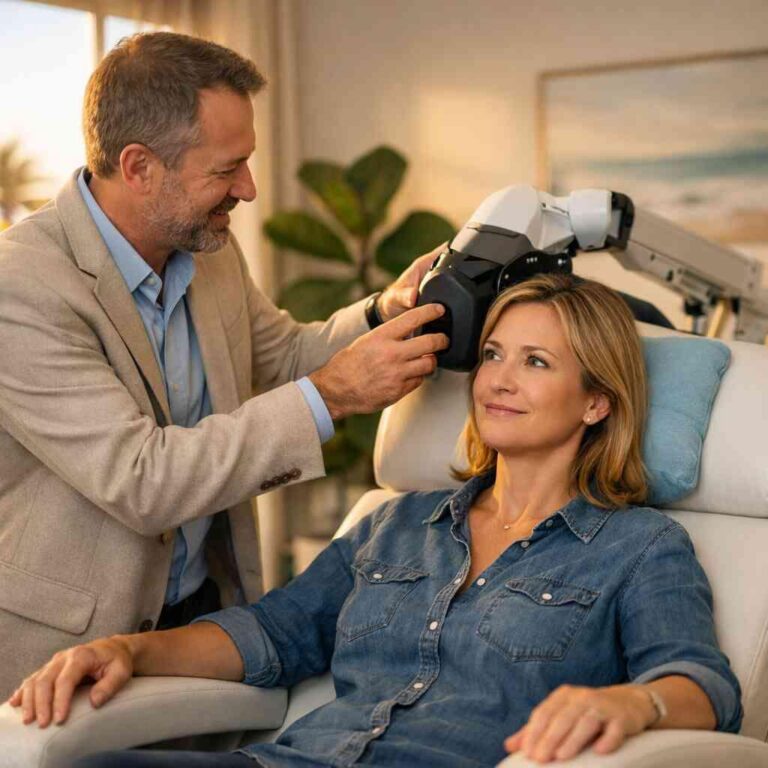
The journey of Transcranial Magnetic Stimulation treatment began decades ago with simple magnetic pulses. Early researchers discovered that electromagnetic fields could influence brain activity without surgery. These initial experiments sparked a revolution in psychiatric care. Today, we understand that the brain operates through interconnected circuits. The real breakthrough came when scientists realized coil design determines which circuits activate. This understanding transformed TMS therapy from a blunt tool into a precision instrument. Every magnetic pulse now targets specific neural pathways with remarkable accuracy.
Early TMS devices used round coils that stimulated broad regions of the cortex. These coils lacked the ability to focus energy on precise brain areas. Patients received treatment that affected large portions of their brain indiscriminately. The results were often inconsistent and difficult to replicate across different clinics. Researchers quickly recognized the need for more sophisticated coil designs. This realization drove innovation in electromagnetic engineering and neuroscientific research simultaneously. The field of neurostimulation began evolving at an unprecedented pace.
Modern TMS therapy has moved far beyond those early experimental setups. Clinicians now understand that depression involves complex networks rather than single brain regions. Anxiety disorders respond to stimulation of deeper limbic structures beyond the cortical surface. The evolution from simple magnetic pulses to targeted circuit modulation represents a paradigm shift. Patients today benefit from decades of iterative improvements in coil technology. The difference between older and newer approaches is nothing short of remarkable. Every advancement brings us closer to truly personalized mental healthcare.
The Physics of Precision: How Coil Geometry Shapes Brain Network Modulation
Coil geometry fundamentally determines how magnetic fields interact with neural tissue. The shape of each coil creates a unique electromagnetic field distribution. This distribution directly affects which brain regions receive stimulation intensity. Standard figure-8 coil designs produce focused fields that reach superficial cortical layers. These fields penetrate approximately 1.5 to 2 centimeters below the skull surface. The resulting stimulation remains highly localized to specific cortical areas. This precision makes figure-8 coils excellent for targeting conditions requiring focal intervention.
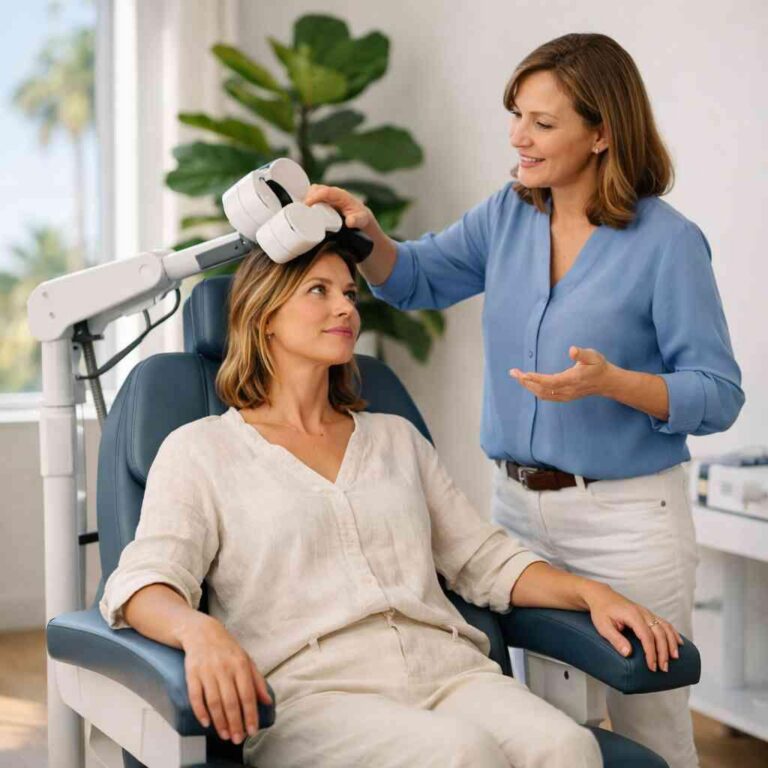
Deep TMS technology utilizes H-coil designs engineered for broader penetration. These specialized coils generate fields that reach subcortical structures up to 4 centimeters deep. The H-coil geometry disperses magnetic energy across larger brain volumes. This wider distribution allows clinicians to modulate deeper neural circuits effectively. Conditions like obsessive-compulsive disorder require stimulation of deeper brain networks. The physics behind H-coil design makes this deeper targeting possible without increasing discomfort. Patients experience similar scalp sensations while benefiting from enhanced brain penetration.
The relationship between coil geometry and treatment outcomes continues driving research forward. Scientists now use computational modeling to predict field distributions before treatment begins. This predictive capability allows clinicians to select optimal coil designs for each condition. The days of one-size-fits-all approaches to neurostimulation are quickly fading. Modern TMS clinic Florida experts understand that coil selection directly impacts patient outcomes. The physics of precision has become central to treatment planning in advanced clinical settings.
Why 2026 Marks a Turning Point in Personalized TMS Therapy Plans
Personalized TMS therapy plans have moved from theoretical concept to clinical reality. Advancements in brain mapping technology now allow unprecedented individualization of treatment protocols. Each patient’s unique brain anatomy and connectivity patterns inform coil selection and placement. This personalized approach dramatically improves response rates across multiple conditions. Clinicians can now predict which patients will benefit from deep versus standard stimulation. The era of trial-and-error treatment selection is finally coming to an end.
TMS technology has reached a point where customization occurs at multiple levels simultaneously. Treatment frequency, intensity, and coil positioning can all be tailored to individual needs. Advanced imaging techniques reveal functional networks that differ between patients with similar diagnoses. These differences explain why some patients respond to standard figure-8 coil TMS therapy. Others require the deeper penetration offered by H-coil deep TMS technology. The ability to match patients with optimal protocols represents a major clinical advancement.
Florida has positioned itself at the forefront of these exciting developments in personalized care. Patients seeking TMS therapy in Florida now have access to cutting-edge diagnostic tools. These tools help clinicians design treatment plans that address specific neural circuit dysfunctions. The combination of advanced coil technology and personalized planning creates unprecedented opportunities for healing. TMS treatment Florida facilities continue investing in the latest innovations to serve their communities better. This commitment to personalized care sets the stage for the future of mental health treatment.
Deep TMS vs Standard TMS: Unpacking the Cortical Targeting Differences
H-Coil Deep TMS Technology: Reaching Subcortical Structures Beyond the Surface
H-coil deep TMS technology represents a significant engineering achievement in neurostimulation. This specialized coil design generates magnetic fields capable of reaching deep brain structures. The prefrontal cortex, anterior cingulate, and insula all become accessible with this approach. These regions play crucial roles in mood regulation and emotional processing. Standard coils simply cannot generate fields strong enough to stimulate these deep areas effectively. The H-coil overcomes this limitation through sophisticated electromagnetic engineering principles.
The clinical implications of reaching subcortical structures are profound for treatment-resistant conditions. Patients who failed multiple standard TMS trials often find relief with deep TMS protocols. The enhanced penetration allows modulation of brain networks involved in complex psychiatric disorders. Obsessive-compulsive disorder responds particularly well to deeper stimulation of limbic circuits. Anxiety disorders involving amygdala hyperactivity can also be addressed more effectively. The ability to reach these previously inaccessible regions opens new treatment possibilities.
Deep TMS technology continues evolving with each generation of H-coil designs. Manufacturers refine coil geometry to optimize field distribution while minimizing side effects. Patients receiving deep TMS report similar comfort levels compared to standard treatment. The primary difference lies in the brain regions that become accessible for modulation. Clinicians at advanced TMS therapy options programs now routinely offer both technologies. This availability ensures patients receive the most appropriate treatment for their specific condition.
Standard Figure-8 Coil TMS: Proven Efficacy for Focal Cortical Stimulation
Standard figure-8 coil TMS therapy has established an impressive track record over many years. This coil design focuses magnetic energy precisely on targeted cortical regions. The resulting stimulation achieves remarkable clinical outcomes for appropriate patient populations. Major depressive disorder responds reliably to standard TMS targeting the dorsolateral prefrontal cortex. The extensive research supporting figure-8 coil efficacy gives clinicians confidence in treatment planning. Patients benefit from decades of accumulated knowledge about optimal treatment parameters.
The focal nature of figure-8 coil stimulation offers distinct advantages for certain conditions. Precise targeting minimizes unintended stimulation of surrounding brain regions. This precision reduces the likelihood of side effects while maintaining therapeutic efficacy. Clinicians can confidently treat patients with specific cortical dysfunctions using this approach. The focused field distribution also allows for more aggressive dosing protocols when needed. Treatment sessions remain comfortable and manageable for most patients.
Standard TMS continues serving as the foundation for most TMS clinic Florida protocols. Many patients achieve excellent results without requiring deep TMS technology. The key lies in proper patient selection and accurate cortical targeting during treatment. Experienced clinicians use neuronavigation systems to ensure consistent coil placement across sessions. This attention to detail maximizes the therapeutic benefits of figure-8 coil stimulation. The proven reliability of standard TMS ensures it remains a valuable treatment option.
Comparing Penetration Depth and Field Distribution in Clinical Practice
Comparing penetration depth between different coil designs reveals important clinical distinctions. Standard figure-8 coils stimulate approximately 1.5 to 2 centimeters of cortical tissue effectively. The magnetic field remains concentrated directly beneath the coil junction point. This focused distribution allows precise targeting of specific gyri and sulci. Deep TMS H-coils achieve penetration depths of 3 to 4 centimeters. The broader field distribution activates larger volumes of neural tissue simultaneously.
Field distribution patterns differ dramatically between these two technologies. Figure-8 coils create a highly focal field that drops off rapidly with distance. This rapid falloff limits stimulation to superficial cortical layers exclusively. H-coils generate more diffuse fields that maintain sufficient strength at greater depths. The trade-off involves activating slightly larger volumes of superficial cortex as well. Clinicians must weigh these factors when selecting appropriate technology for each patient.
Understanding these differences helps patients make informed decisions about their treatment options. The cortical targeting differences in TMS therapy directly influence which conditions can be treated effectively. Some disorders require the precision of focal stimulation offered by figure-8 coils. Other conditions demand the deeper penetration that only H-coil technology provides. A comprehensive TMS clinic offers both options to match technology with patient needs. This flexibility represents the gold standard for modern psychiatric care.
The Impact of Coil Design on Treatment Protocols for Resistant Depression
Treatment-resistant depression presents unique challenges that require sophisticated solutions. Many patients have failed multiple medication trials and standard psychotherapies. These individuals often have brain network dysfunctions extending beyond superficial cortical regions. Standard figure-8 coil TMS therapy helps many but not all resistant depression patients. The deeper penetration offered by H-coil deep TMS technology provides another treatment avenue. Patients who have not responded to standard TMS may still achieve remission with deep protocols.
The impact of coil design on treatment duration and frequency deserves careful consideration. Deep TMS protocols may require fewer total sessions to achieve clinical response. The broader brain network modulation might accelerate the therapeutic process for some patients. Standard TMS protocols have well-established treatment schedules that work reliably for many individuals. Clinicians now have the flexibility to choose between these approaches based on patient history. The availability of both technologies ensures no treatment option remains unexplored.
Research continues illuminating which depression subtypes respond best to each coil design. Patients with melancholic features might benefit more from deep stimulation protocols. Those with anxious depression may require different targeting strategies altogether. The era of personalized medicine demands that clinicians understand these nuanced distinctions. TMS treatment Florida providers stay current with emerging research to optimize patient outcomes. The ability to customize protocols based on coil selection represents a major clinical advancement.
Clinical Outcomes and Patient Profiles: Matching Technology to Condition
Deep TMS for OCD and Anxiety: Modulating Deeper Limbic Networks
Obsessive-compulsive disorder involves dysfunction in deep brain circuits that standard TMS cannot reach. The anterior cingulate cortex and orbitofrontal cortex play central roles in OCD symptoms. These structures sit deeper within the brain than typical figure-8 coil penetration allows. H-coil deep TMS technology for resistant depression also proves effective for OCD treatment. Clinical studies demonstrate significant symptom reduction with deep TMS protocols. Patients experience decreased obsessions and compulsions after completing treatment courses.
Anxiety disorders similarly benefit from deep stimulation of limbic network structures. The amygdala and hippocampus play crucial roles in fear processing and emotional memory. Modulating these deeper structures can reduce hyperarousal and excessive worry. Patients with generalized anxiety disorder often find relief through deep TMS approaches. Panic disorder and social anxiety also respond to appropriate deep stimulation protocols. The ability to target these circuits directly represents a major therapeutic advancement.
TMS treatment Florida innovations for anxiety and OCD continue expanding treatment possibilities. Clinicians now use functional imaging to identify dysfunctional circuits in each patient. This information guides coil selection and stimulation parameters for optimal outcomes. The combination of advanced technology and personalized planning creates powerful treatment opportunities. Patients who previously had limited options now find hope through these innovative approaches. Deep TMS has truly transformed the landscape of OCD and anxiety treatment.
Standard TMS for Bipolar Disorder: Balancing Efficacy with Side Effect Profiles
Bipolar disorder requires careful consideration when selecting TMS treatment approaches. The cyclical nature of this condition demands protocols that avoid triggering manic episodes. Standard TMS has demonstrated safety and efficacy for bipolar depression treatment. The focal stimulation of figure-8 coils minimizes unintended brain network activation. This precision helps maintain mood stability while treating depressive symptoms effectively. Clinicians have established clear guidelines for safely treating bipolar patients with standard TMS.
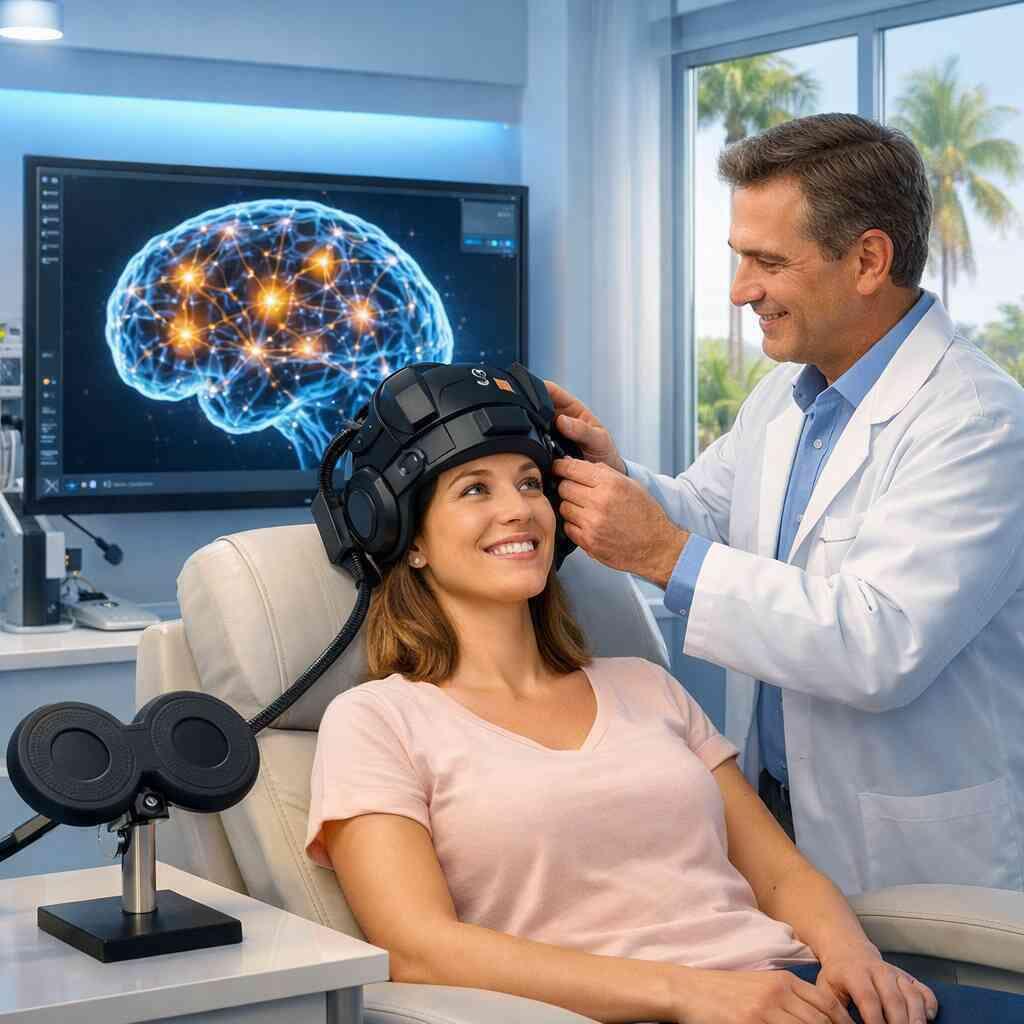
Standard TMS efficacy rates for bipolar disorder continue improving with refined protocols. Research shows response rates comparable to unipolar depression when properly applied. The key lies in appropriate patient selection and careful monitoring throughout treatment. Side effect profiles remain favorable with standard TMS approaches for bipolar patients. Headache and scalp discomfort represent the most common adverse effects. These side effects typically resolve quickly and rarely require treatment discontinuation.
Deep TMS protocols may carry different risk considerations for bipolar patients. The broader field distribution could potentially activate networks that trigger mood cycling. More research is needed to establish safety parameters for deep TMS in bipolar populations. For now, standard figure-8 coil approaches remain the preferred choice. TMS therapy side effect profiles for standard and deep TMS inform clinical decision-making. Patients should discuss their specific condition details with experienced providers.
Migraine and Chronic Pain: Where Advanced TMS Therapy Options Shine
Chronic pain conditions respond remarkably well to certain TMS therapy protocols. Migraine sufferers particularly benefit from targeted stimulation of cortical pain-processing regions. The motor cortex serves as a primary target for chronic pain modulation. Standard figure-8 coils effectively stimulate this region for many patients. Chronic pain syndromes involving deeper brain structures may require deep TMS approaches. The choice depends on the specific pain condition and its underlying neural circuitry.
Migraine prevention and acute treatment both show promising results with appropriate TMS protocols. Patients experiencing frequent migraines often find significant relief through regular treatment sessions. The non-invasive nature of TMS makes it an attractive option for headache sufferers. Many patients prefer this approach over daily preventive medications with systemic side effects. TMS clinic in Florida for migraine relief offers hope to those with refractory headache disorders. Advanced protocols continue improving outcomes for this challenging patient population.
The integration of TMS into comprehensive pain management programs represents an exciting development. Patients with fibromyalgia, neuropathic pain, and complex regional pain syndrome all benefit. The ability to modulate pain perception without medications or surgery changes lives. Advanced TMS therapy options at TMS clinic in Florida continue expanding to serve more patients. Research into optimal stimulation parameters for various pain conditions progresses rapidly. The future of pain management will undoubtedly include TMS as a standard treatment option.
Standard TMS Efficacy Rates vs Deep TMS for Resistant Depression
Comparing efficacy rates between standard and deep TMS requires careful examination of research data. Standard TMS achieves response rates of approximately 50-60% for major depressive disorder. Remission rates typically range from 30-40% in well-conducted clinical studies. These numbers represent significant improvement over medication-only approaches for many patients. Treatment-resistant populations show lower response rates with standard TMS alone. This limitation has driven interest in developing more powerful stimulation technologies.
Deep TMS demonstrates enhanced efficacy for certain treatment-resistant depression subtypes. Studies show response rates approaching 60-70% in patients who failed prior treatments. The deeper penetration appears to engage additional neural circuits involved in mood regulation. Patients with particularly severe or chronic depression may benefit most from this approach. The ability to modulate both cortical and subcortical structures creates more comprehensive treatment effects. These promising results continue driving adoption of deep TMS protocols worldwide.
Combination approaches using both standard and deep TMS may offer the best outcomes. Some protocols alternate between coil types during treatment courses. This strategy allows clinicians to target multiple brain networks effectively. Research into optimal sequencing continues evolving as clinical experience grows. H-coil deep TMS technology for resistant depression provides another tool in the treatment arsenal. Patients should discuss their specific history and symptoms with experienced providers.
The Future of TMS Therapy in Florida: Innovations Shaping Patient Recovery
Patient-Specific TMS Mapping: From One-Size-Fits-All to Customized Protocols
Patient-specific TMS mapping technology in Florida has transformed treatment planning approaches. Advanced imaging techniques now allow clinicians to visualize individual brain anatomy before treatment begins. This personalized mapping ensures coils are positioned precisely over targeted brain regions. The days of using standardized coordinates for all patients are ending quickly. Each person’s unique brain structure requires individualized treatment parameters for optimal results. This shift toward customization represents a fundamental improvement in care quality.
Functional connectivity mapping adds another dimension to personalized treatment planning. Clinicians can now identify which neural networks are dysfunctional in each patient. This information guides decisions about coil selection and stimulation targets. Patients with similar diagnoses may require completely different treatment approaches based on their connectivity patterns. The ability to visualize individual brain function before treatment transforms clinical decision-making. TMS therapy future trends in Florida embrace these sophisticated diagnostic tools.
The integration of mapping technology with advanced coil designs creates powerful treatment opportunities. Clinicians can match precise stimulation parameters to specific neural circuit dysfunctions. This level of personalization was unimaginable just a few years ago. Patients now receive treatments designed specifically for their brains and conditions. The result is improved efficacy and faster response to treatment protocols. This patient-specific approach represents the new standard for excellence in TMS care.
Neurostimulation Precision Targeting: Integrating Imaging with Coil Selection
Neurostimulation precision targeting mechanisms have advanced dramatically through imaging integration. Structural MRI scans provide detailed anatomical information for accurate coil positioning. Functional MRI reveals which brain regions activate during specific mental processes. Combining these imaging modalities creates a comprehensive map for treatment planning. Clinicians can precisely target dysfunctional circuits while avoiding healthy brain regions. This precision minimizes side effects while maximizing therapeutic benefits.
The integration of diffusion tensor imaging offers additional insights into white matter connectivity. These scans reveal the neural pathways connecting different brain regions together. Understanding these connections helps clinicians choose between standard and deep TMS approaches. Some patients require modulation of specific pathways rather than individual brain regions. Transcranial magnetic stimulation neurostimulation precision now extends to circuit-level targeting. This sophisticated approach continues improving treatment outcomes across multiple conditions.
Coil selection based on imaging data represents the cutting edge of clinical practice. H-coils may be preferred when targeting connections involving subcortical structures. Figure-8 coils excel when precise cortical modulation is required. The ability to match coil design to individual anatomy and pathology optimizes treatment results. TMS clinic Florida advanced protocols increasingly incorporate these sophisticated approaches. Patients benefit from clinicians who understand the complex relationship between brain structure and function.
TMS Clinic Florida Advanced Protocols: A Glimpse into Tomorrow’s Standard Care
TMS clinic Florida advanced protocols have become increasingly sophisticated and effective. Clinicians now utilize accelerated treatment schedules that compress therapy into shorter timeframes. These accelerated protocols maintain efficacy while reducing the overall treatment burden on patients. Theta burst stimulation represents one such innovation gaining widespread adoption. This approach delivers patterned stimulation that mimics natural brain rhythms. Patients experience similar benefits in significantly less time per session.
Combination protocols that integrate multiple treatment modalities show promising results. Some clinics combine TMS with psychotherapy sessions to enhance treatment outcomes. Others integrate neurofeedback or cognitive training exercises alongside stimulation sessions. The synergistic effects of combining treatments often exceed what either approach achieves alone. These integrated protocols represent the future of comprehensive mental healthcare delivery. Patients receive holistic treatment addressing multiple aspects of their conditions simultaneously.
Predictive algorithms now help clinicians determine optimal treatment parameters before initiating therapy. Machine learning models analyze patient characteristics to predict which protocols will work best. This data-driven approach reduces trial and error in treatment planning significantly. Patients begin effective treatment faster without wasting sessions on ineffective approaches. The combination of advanced technology and clinical expertise creates powerful treatment opportunities. TMS treatment in Duval County for depression and throughout Florida reflects these innovations.
The Recovery Journey: How TMS Treatment Florida Embraces Emerging Technologies
The TMS treatment Florida recovery journey for depression begins with comprehensive patient evaluation. Clinicians assess each individual’s history, symptoms, and treatment goals thoroughly. Advanced diagnostic tools help identify the specific neural circuits requiring modulation. Patients receive clear explanations of their treatment options and expected outcomes. The journey continues through carefully planned treatment protocols tailored to individual needs. Every step of the process reflects the latest advances in neurostimulation science.
Ongoing monitoring throughout treatment allows clinicians to adjust protocols as needed. Patients report their symptoms regularly through validated assessment tools. This data informs decisions about continuing, modifying, or completing treatment courses. The ability to make real-time adjustments optimizes outcomes for each individual. Clinicians remain responsive to patient feedback and emerging clinical evidence. The recovery journey is truly a collaborative process between patient and provider.
Emerging technologies continue enhancing the treatment experience at every stage. Virtual reality tools help prepare patients for what to expect during sessions. Mobile applications track mood and symptoms between appointments conveniently. Telehealth options allow follow-up consultations without requiring office visits. These innovations make treatment more accessible and convenient for busy patients. The recovery journey at TMS Treatment Florida embraces these advances while maintaining personalized care. Patients receive the benefits of cutting-edge technology within a supportive, nurturing environment.
The difference between Deep TMS and standard TMS in practice ultimately comes down to matching technology with individual patient needs. Both approaches offer valuable treatment options with proven efficacy for appropriate conditions. The availability of both technologies at forward-thinking clinics ensures no patient receives suboptimal care. Advanced diagnostic tools help clinicians make informed decisions about which approach will work best. The future of TMS therapy continues bright with emerging innovations on the horizon. Patients seeking relief from mental health challenges can find hope through these remarkable advances. The journey toward wellness begins with understanding your options and choosing a provider committed to excellence. Contact the compassionate team at TMS Treatment Florida today to learn which advanced TMS therapy options align with your unique recovery goals.
Frequently Asked Questions
Question: How do I know if I need Deep TMS or Standard TMS based on the blog The Difference Between Deep TMS and Standard TMS in 2026?
Answer: The key is in the targeted brain circuits. Standard TMS with a figure-8 coil is highly effective for focal cortical conditions like major depression and bipolar depression, offering proven efficacy with a favorable side effect profile. Deep TMS, using H-coil technology, is designed to reach subcortical structures, making it ideal for resistant depression, OCD, and anxiety disorders. At TMS Treatment Florida, we use advanced diagnostic mapping to determine which approach aligns with your specific neural dysfunction. Our personalized TMS therapy plans ensure you receive the most effective treatment-whether that’s standard or deep stimulation. We are a premier TMS clinic Florida experts trust for tailored, non-invasive depression treatment evolution.
Question: What are the practical differences in side effects and recovery between standard figure-8 coil TMS and H-coil deep TMS technology?
Answer: Both techniques are non-invasive and have minimal side effects, primarily mild scalp discomfort or headache during sessions. The main difference lies in the brain regions stimulated: standard TMS focuses energy on the cortex, while deep TMS reaches deeper limbic networks. This means deep TMS may produce a slightly different sensation, but overall side effect profiles are comparable. At TMS Treatment Florida, we prioritize your comfort throughout the TMS treatment Florida recovery journey. Our advanced TMS therapy options include careful monitoring to minimize any discomfort, and most patients return to daily activities immediately after sessions. We are committed to making your TMS therapy in Florida 2026 as smooth and effective as possible.
Question: Can your clinic help me if I’ve already tried other treatments, including standard TMS, without success?
Answer: Absolutely. The blog highlights that deep TMS for resistant depression can achieve response rates up to 60-70% in patients who didn’t respond to prior treatments. If standard TMS or medications haven’t worked, the deeper penetration of H-coil deep TMS technology may engage additional neural circuits-like the anterior cingulate or insula-that are crucial for mood regulation. At TMS Treatment Florida, we specialize in these complex cases. Our TMS depression treatment in Florida emerging protocols are designed for treatment-resistant conditions, and we use patient-specific TMS mapping to customize your protocol. We are a leading TMS clinic Florida advanced protocols center that offers hope when others have not succeeded. Our team will evaluate your history and develop a personalized plan to help you achieve the recovery you deserve.
Question: How does TMS Treatment Florida use neurostimulation precision targeting to improve outcomes for my specific condition?
Answer: We integrate advanced imaging, like structural and functional MRI, to map your brain’s unique anatomy and neural networks. This allows us to pinpoint the exact circuits linked to your condition-whether it’s depression, OCD, or anxiety-and select the optimal coil (H-coil or figure-8) for targeting. For example, if a patient’s OCD involves deeper limbic structures, we choose deep TMS; for more focal bipolar depression, we may opt for standard TMS. This precision minimizes side effects and enhances efficacy. Our TMS clinic Florida expert insights ensure that your TMS therapy in Florida 2026 is not just a one-size-fits-all approach, but a tailored journey based on your brain’s wiring. This is the essence of our personalized TMS therapy plans and commitment to superior TMS treatment Florida innovations.
Question: What are the latest advancements available at TMS Treatment Florida for anxiety and OCD, as mentioned in the blog?
Answer: For anxiety and OCD, our clinic focuses on H-coil deep TMS technology because these conditions involve subcortical networks like the amygdala and anterior cingulate that standard coils can’t reach effectively. The blog discusses how deep TMS modulates these deeper limbic networks, leading to significant reductions in obsessions, compulsions, and hyperarousal. We also offer accelerated protocols like theta burst stimulation for faster sessions, and we integrate patient-specific mapping to refine targeting. Our TMS in South Florida patient outcomes show that even treatment-resistant cases often find relief. As your trusted TMS clinic Florida, we are at the forefront of TMS therapy future trends Florida, ensuring you receive the most advanced, compassionate care available. Contact us to learn how these advanced TMS therapy options can help you reclaim your life.