When anxiety and OCD keep winning after the meds stop helping
If you are reading this with a tired mind and a long medication history, that heaviness makes sense. Many people feel stuck, not careless. They have tried SSRIs, adjusted doses, pushed through side effects, and still wake up with the same tight chest or looping thoughts. That is often the moment they start looking for best TMS therapy in Florida for anxiety and OCD in 2026, because hope sometimes needs a new path.
Why a brain that feels stuck is not a character flaw
A brain can learn fear the way muscles learn tension. It can rehearse alarms until the alarm feels normal. That does not mean you failed. It means your symptoms may have outpaced the tools that once helped. In Florida mental health clinics, we hear this from people who look fine on paper but feel trapped inside their own patterns.
One client from the Boca Raton area described it plainly: “My thoughts kept grabbing the steering wheel,” he said after months of therapy and medication changes. That kind of exhaustion is real. It also explains why people start asking about transcranial magnetic stimulation therapy in Florida, especially when they want something non-invasive and structured.
What failed SSRIs, side effects, and relapse usually mean for next-step care
Failed SSRIs do not automatically mean nothing works. More often, they mean the current plan needs another lever. For depression, that lever may be TMS treatment for depression in Florida, especially after failed medications or recurring relapse. For anxiety and OCD, the question becomes more specific. You need a treatment that respects the circuitry behind the symptoms, not just the feelings they create.
The best next-step care usually starts with a careful review of symptoms, medication history, and daily function. Some people have medication resistant depression plus anxiety. Others have compulsions that keep expanding into work, family life, and sleep. A thoughtful Florida mental health clinic will sort through those patterns before naming the treatment path.
Why Florida readers keep searching for TMS near me when talk therapy is not enough
Talk therapy matters. It often matters a lot. But therapy can feel too far upstream when your brain keeps locking onto the same dread. That is when searches for TMS near me Florida start rising. People want relief that fits a real schedule, not another vague promise.
Florida adds its own pressure. Seasonal residents, commute patterns, and long drives across Broward or Palm Beach can make weekly care feel harder than it should. We see that from Aventura to Coral Gables, and from Delray Beach to Winter Park. If you need something local and structured, TMS clinic locations in South Florida can matter as much as the treatment itself.
The part of TMS therapy most people misunderstand before they ever sit in the chair
Most people picture something dramatic. It is usually calmer than that. TMS is not surgery. It is not sedation. It is a targeted, office-based form of non-invasive brain stimulation that uses a magnetic coil to influence activity in specific brain regions. That is the core idea behind transcranial magnetic stimulation therapy, and it is why many people call it magnetic brain therapy.
How transcranial magnetic stimulation therapy uses magnetic brain therapy without surgery or sedation
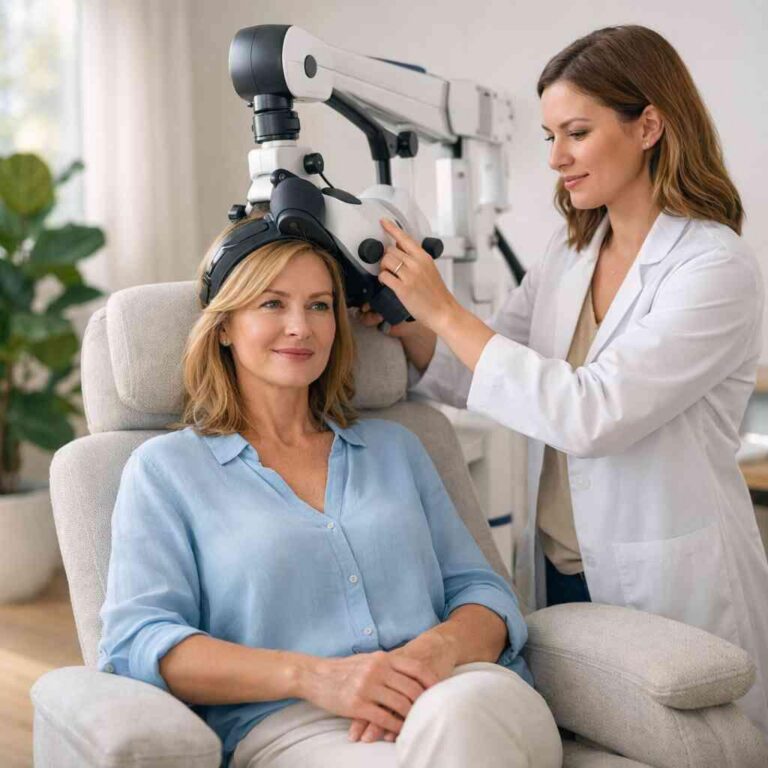
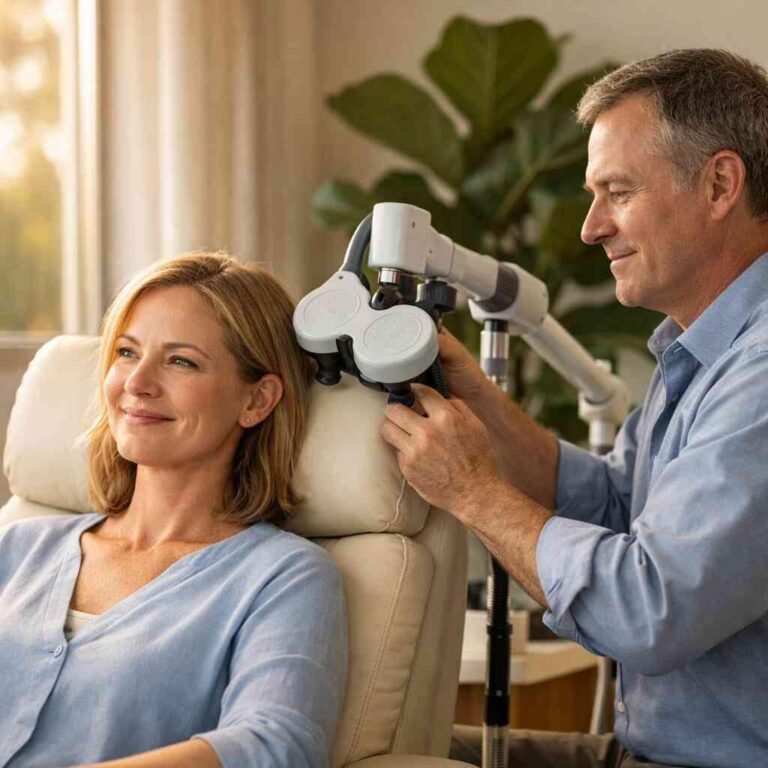
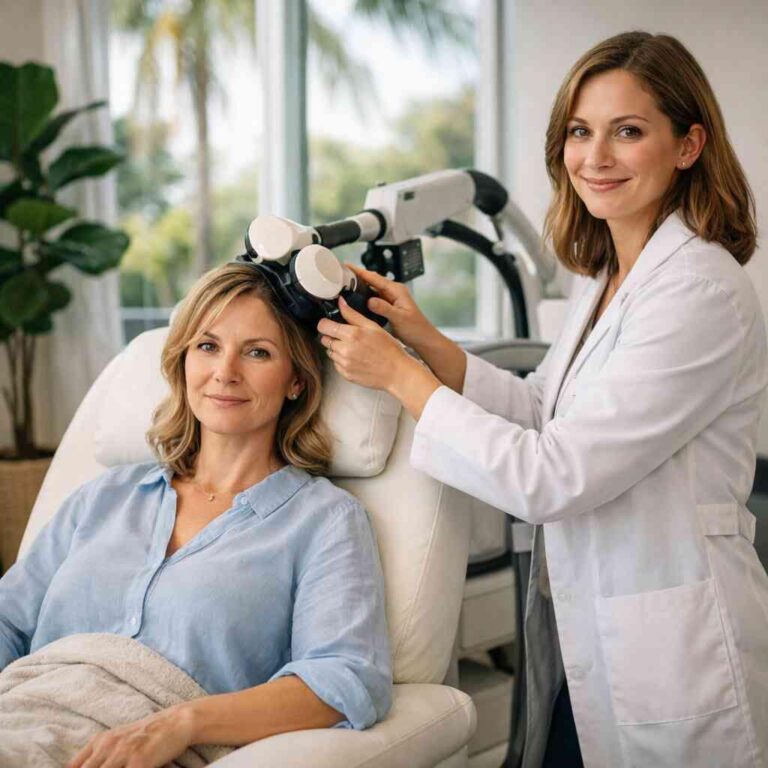
Here is the part most online guides skip: the treatment feels procedural, not traumatic. You sit in a chair. A coil rests near the scalp. You stay awake. The machine delivers brief pulses. The goal is to help brain networks communicate more effectively over time. No anesthesia. No recovery room.
For depression, the FDA cleared certain devices, including NeuroStar and BrainsWay, for treatment use in appropriate settings. For readers comparing options, that matters because it places TMS among legitimate, regulated approaches, not fringe wellness claims. The research base also includes the Stanford Carpenter study and later reviews that helped move TMS into mainstream psychiatric care. For a deeper clinical overview, the Clinical TMS Society consensus review is a useful reference point.
Why repetitive TMS and deep TMS therapy feel different from medication-based treatment
Repetitive TMS works differently from medication. Medication travels through your whole system. TMS targets a specific area, then repeats pulses in measured patterns. Deep TMS therapy goes a bit deeper into certain cortical networks, depending on the device and protocol. That difference can matter for people who want a non-drug depression treatment or an alternative depression treatment that does not add more side effects.
What we see in practice is simple. Some people tolerate pills poorly. Others have partial benefit, then relapse. A structured TMS plan can feel more tolerable because it does not require daily systemic drug exposure. If you want the basics explained in plain language, the how does TMS work discussion on our site helps frame it without jargon.
What the humming coil, short sessions, and daily cadence actually look like in a Florida mental health clinic
A session usually starts with setup and positioning. Then you hear a steady tapping or humming sound. It is odd at first. Most people adjust. Sessions are often short enough to fit around work or family life, which matters in busy places like Miami, Fort Lauderdale, and Tampa. The cadence is steady, which can feel comforting when your thoughts are not.
On the projects we have seen this year, the people who did best with follow-through were the ones who planned around routine. One young professional from Fort Lauderdale scheduled sessions before work and drove straight back to a downtown office. That rhythm reduced friction. It also made treatment feel like part of life, not a disruption.
Why TMS for anxiety and OCD can feel like a better fit than more trial and error
Anxiety and OCD can be stubborn in different ways. Anxiety may spread into sleep, stomach tension, and constant scanning. OCD may tighten into rituals, mental checking, and fear loops. When standard care stalls, TMS for anxiety and TMS OCD therapy can become worth discussing, especially if you want something more focused than another medication switch.
When TMS for anxiety is considered after standard care has stalled
TMS for anxiety is usually discussed after therapy, medication trials, or both have not restored functioning enough. It is not a magic fix. It is a structured option for people whose nervous systems stay over-alert. Some clinics pair it with symptom scales and follow-up checks so the plan stays grounded in data, not guesswork.
In a solid evaluation, you may hear about PHQ-9, GAD-7, or similar tools. Those are not labels. They are snapshots. They help track whether the treatment is helping enough to matter in real life. For anxiety-focused care, TMS treatment for anxiety disorders in Florida is often most useful when symptoms are persistent and function is slipping.
How TMS OCD therapy is typically matched to symptoms, severity, and functional burnout
OCD treatment has to respect the shape of the symptoms. Some people spend hours checking locks. Others mentally repeat phrases or seek reassurance until the day disappears. TMS OCD therapy often fits best when the pattern is severe, repetitive, and wearing you down. It can also be part of a broader plan that includes exposure-based therapy. A clear-eyed clinic will not oversell this. It will ask what interrupts your day, where compulsions concentrate, and how long this has been going on. The goal is practical fit. For readers comparing programs, TMS treatment for obsessive-compulsive disorder in Florida should sound specific, not generic. ### Where TMS and EMDR combination care or therapy support may fit into a larger plan 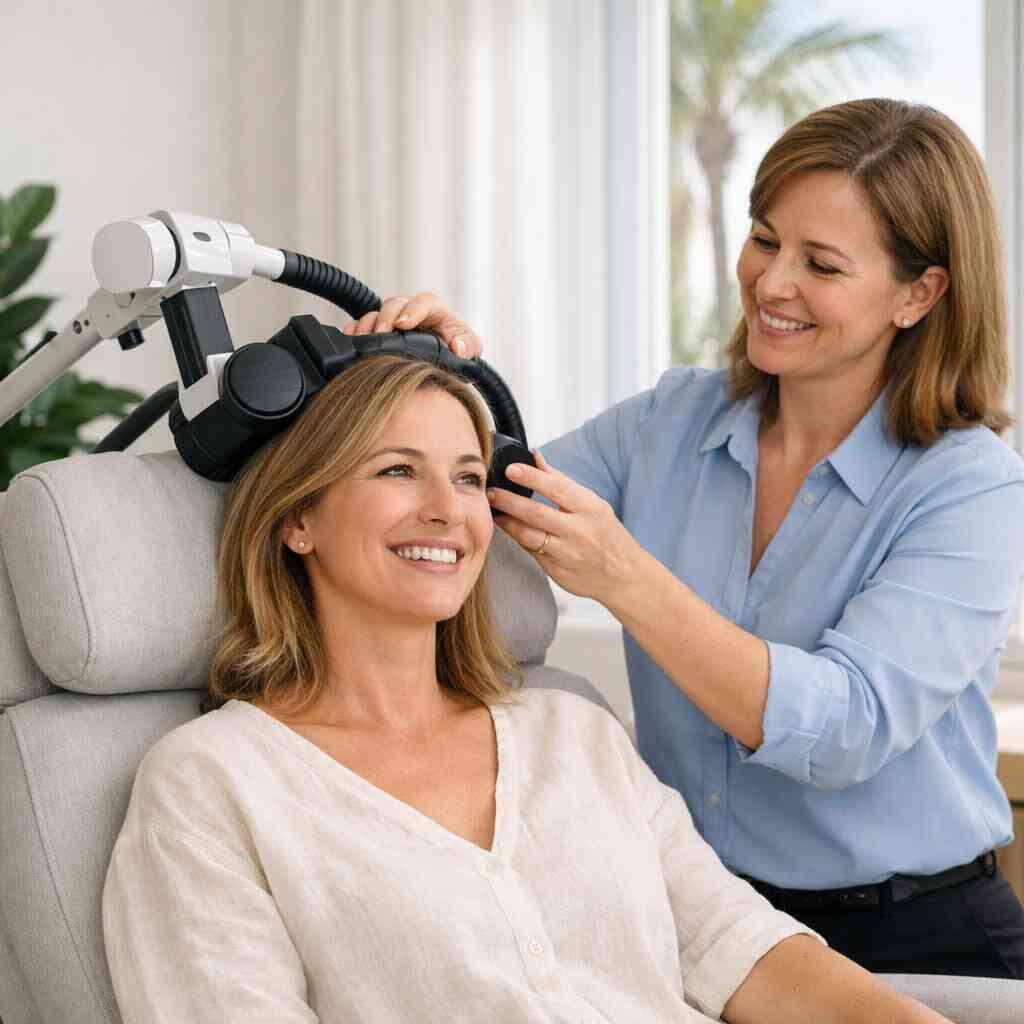
Sometimes TMS is the anchor. Sometimes it is one part of a larger plan. If trauma is feeding the anxiety or OCD loop, therapy support matters. Some people ask about a TMS and EMDR combination because they want both nervous-system and memory-processing support. That can make sense when a clinician sees trauma, compulsions, and hyperarousal together.
The important part is sequencing. TMS can lower the intensity enough for therapy to feel usable again. EMDR or another therapy can then address the deeper pattern. That combination is not right for everyone, but it is reasonable to ask about when the symptoms overlap. A careful team will explain where the boundaries are and where the benefits may stack.
The Florida clinic questions people ask when they are ready to act but still uncertain
Ready to act, but still uncertain. That is a common place to be. You may know you need help, but you still need proof of fit. You may be comparing a best TMS clinic Florida result against a smaller office closer to home. That comparison should include more than star ratings.
How to compare a best TMS clinic Florida search result with a real treatment fit
A polished website is not enough. Look for clear evaluation steps, transparent communication, and a plan for measurement. A real clinic should explain how it tracks progress, how it handles side effects, and how it coordinates with your current therapist or prescriber. For depression care, ask how they use MADRS or PHQ-9 over time.
You also want to know if the clinic offers location access that fits your life. Some people need a TMS clinic Miami option. Others need TMS Fort Lauderdale, TMS West Palm Beach, TMS Orlando, or TMS Tampa. If the drive is impossible, even a strong treatment plan can fall apart.
What to know about TMS psychiatrist Florida access, consults, and care coordination
A TMS psychiatrist Florida consult should feel slow enough to be useful. The clinician should review diagnoses, medication history, prior therapy, sleep, substance use, and safety concerns. If bipolar depression, PTSD, or addiction history is part of the picture, that should not be brushed aside. It should shape the plan.
What almost no online guide mentions is coordination. Good TMS care often includes communication with therapists, prescribers, or addiction teams. That matters for people with dual diagnosis treatment Florida needs. It also matters if you are already in addiction rehab Florida care and wondering how brain stimulation fits the bigger picture.
How insurance coverage, TMS cost Florida, and TMS insurance coverage Florida are usually handled
Money questions are normal. They should be. TMS can be a major decision. Exact pricing varies, and anyone promising a universal number is guessing. TMS cost Florida often depends on diagnosis, number of sessions, insurance benefits, and whether prior authorization is needed. That is why clinics usually verify benefits before treatment starts.
You may also ask, does insurance cover TMS in Florida? Sometimes yes, sometimes partially, sometimes with criteria. Coverage can depend on diagnosis, previous medication trials, and medical necessity review. For a focused overview, Top 5 Questions About TMS Insurance Coverage in Florida is a practical place to start.
QuestionWhat to askWhy it mattersCoverageDoes insurance cover TMS in Florida for my diagnosis?Prevents surprise billsCostWhat is the expected TMS cost Florida after verification?Helps with planningAuthorizationWho handles pre-approval and appeals?Saves time and stressFollow-upIs maintenance therapy discussed if symptoms return?Supports long-term planning### Why location matters from TMS clinic Miami to TMS Fort Lauderdale, TMS West Palm Beach, TMS Orlando, and TMS Tampa
Florida geography changes care. So does traffic. A great clinic that is too far away can quietly become a bad clinic for you. That is why local access matters so much. Communities like Aventura, Coral Gables, Boca Raton, Delray Beach, and Winter Park need options that fit real commutes and real schedules.
If you are comparing sites, use TMS treatment locations in South Florida to see how reach and convenience line up with your week. In Florida, weather also matters. Afternoon storms, bridge traffic, and tourist season can turn a 25-minute drive into an hour. That is not a small detail when treatment happens several times a week.
The decision frame that turns a hopeful search into a real plan
The last piece is not emotional. It is practical. You need to know what symptoms point where, what questions to ask, and how to move without getting overwhelmed. That is how a search for TMS becomes a plan.
Which symptoms point toward TMS depression treatment Florida versus anxiety or OCD focused care
If low mood, loss of interest, hopelessness, and fatigue dominate, TMS depression treatment Florida may be the most direct conversation. If your days are ruled by fear, panic, or hypervigilance, then TMS for anxiety may be the more relevant lens. If the core problem is rituals, checking, or intrusive thoughts, then TMS OCD therapy deserves attention.
Some people need more than one lane. Depression can sit beside anxiety, PTSD, or substance use. TMS may also be discussed in TMS for PTSD Florida, TMS for bipolar depression, or TMS for teen depression cases, depending on the clinical picture and age-related considerations. For those looking for TMS treatment for depression in Florida, symptom matching matters more than a one-size-fits-all promise.
What to ask about TMS side effects safety, long-term follow up, and maintenance therapy
Safety questions are smart questions. Ask about TMS side effects safety, hearing protection, headache risk, and what happens if symptoms change during treatment. Most people want clear expectations, not cheerleading. That is fair. The clinic should also explain how it monitors progress and when it considers maintenance therapy.
Long-term results vary, and no honest provider should promise otherwise. Some people maintain gains for a long time. Others need another course later. TMS maintenance therapy exists because brains change, stress changes, and life changes. The right clinic will talk plainly about follow-up instead of pretending treatment ends the moment the chair stops humming.
How Florida residents can think about logistics, access, and next action without getting lost in the noise
Start with fit. Then verify coverage. Then look at location. That order keeps the process human. If you want a place that already works with anxiety, OCD, depression, and related concerns, explore How TMS Treatment Florida Helps With Anxiety and OCD. If cost is the sticking point, use the insurance page next.
The most useful move today is simple: make one consultation call and ask three things. Ask how they screen diagnoses. Ask how they verify benefits. Ask how soon they can see you. You do not have to sort every detail tonight, and you do not have to carry this alone. Start with one conversation, then let the plan get clearer from there.
Frequently Asked Questions
Question: How does TMS treatment Florida work for people looking for the Best TMS Therapy in Florida for Anxiety and OCD in 2026?
Answer: TMS treatment Florida uses transcranial magnetic stimulation therapy, a form of non-invasive brain stimulation that is delivered in an office setting while you remain awake and comfortable. It is often discussed as a FDA approved depression treatment, and many people also ask about it for TMS for anxiety and TMS OCD therapy when medication or therapy alone has not felt like enough. The exact protocol depends on your symptoms, history, and treatment goals, so a careful evaluation is important. If you are exploring TMS after failed medications, the team can explain how repetitive TMS or deep TMS therapy may fit your plan and what to expect during the process.
Question: Is TMS for anxiety or TMS OCD therapy a good option if I have already tried medication and therapy?
Answer: For many people, TMS for anxiety or TMS OCD therapy becomes a consideration after standard care has not restored daily functioning enough. That does not mean previous treatment failed in a personal sense; it often means the symptoms are stubborn and need another approach. TMS treatment Florida can review your history, current symptoms, and functional challenges to see whether non-drug depression treatment, alternative depression treatment, or a more targeted brain stimulation plan makes sense. If you also live with depression, PTSD, or bipolar depression, a thoughtful TMS psychiatrist Florida should help determine whether your care plan needs to include coordination with your therapist or prescriber.
Question: What should I know about TMS side effects safety, TMS therapy success rate, and TMS long-term results before starting treatment?
Answer: It is smart to ask about TMS side effects safety before starting. Most people want clear, practical information rather than vague reassurance, and that is appropriate. A responsible Florida mental health clinic should explain the common side effects that may happen during treatment, what safety screening looks like, and how progress is monitored over time. As for TMS therapy success rate and TMS long-term results, it is important not to overpromise. Results vary by person, diagnosis, and treatment history, and no clinic should guarantee a specific outcome. What TMS treatment Florida can do is provide a structured, monitored approach, discuss TMS maintenance therapy if needed, and help you understand how follow-up care supports long-term planning.
Question: Does insurance cover TMS in Florida, and what should I ask about TMS cost Florida before scheduling at a TMS clinic Miami, TMS Fort Lauderdale, TMS West Palm Beach, TMS Orlando, or TMS Tampa?
Answer: Coverage depends on the insurance plan, diagnosis, and medical necessity criteria, so the answer to does insurance cover TMS in Florida is often: sometimes, but not always in the same way for every patient. TMS insurance coverage Florida can vary, which is why it helps to have the clinic verify benefits before treatment begins. If you are comparing a TMS clinic Miami option with TMS Fort Lauderdale, TMS West Palm Beach, TMS Orlando, or TMS Tampa, location convenience matters too because consistent attendance is important. TMS cost Florida can depend on your plan and the number of sessions authorized, so the best next step is to ask whether the clinic handles verification, pre-authorization, and appeals. That makes the process less stressful and helps you plan with more confidence.
Question: Can TMS Treatment Florida help with TMS for substance use disorder, TMS addiction recovery, or dual diagnosis treatment Florida?
Answer: TMS treatment Florida may be part of a broader care conversation for people seeking support with TMS for substance use disorder, TMS addiction recovery, or dual diagnosis treatment Florida needs. In some cases, people are dealing with depression, anxiety, trauma, and substance use at the same time, which is why coordination matters. TMS is not a standalone answer for every situation, but it can be discussed as one part of a larger treatment plan alongside therapy, rehab support, and medical care when appropriate. A strong Florida behavioral health team should take the whole picture into account, including whether someone is already engaged in addiction rehab Florida services. If smoking cessation or alcohol-related concerns are part of the story, the clinic can explain whether TMS for smoking cessation or alcohol addiction brain stimulation is relevant to your care goals.
Question: What makes TMS Treatment Florida worth considering if I am searching for the best TMS clinic Florida or looking for TMS near me Florida?
Answer: When people search for the best TMS clinic Florida or TMS near me Florida, they are usually looking for more than a convenient address. They want a place that listens carefully, explains how does TMS work in plain language, and builds a plan around their needs instead of forcing a one-size-fits-all approach. TMS treatment Florida focuses on compassionate, personalized care for people dealing with medication resistant depression, TMS for anxiety, TMS OCD therapy, and related concerns. If you are comparing TMS reviews Florida, it helps to look for signs of clear communication, careful evaluation, and reliable follow-up rather than flashy claims. For some people, the location may also matter a lot, especially if they need access in TMS South Florida or want support for TMS for teen depression or TMS for young adults. The right clinic should make the path forward feel more manageable, not more overwhelming.