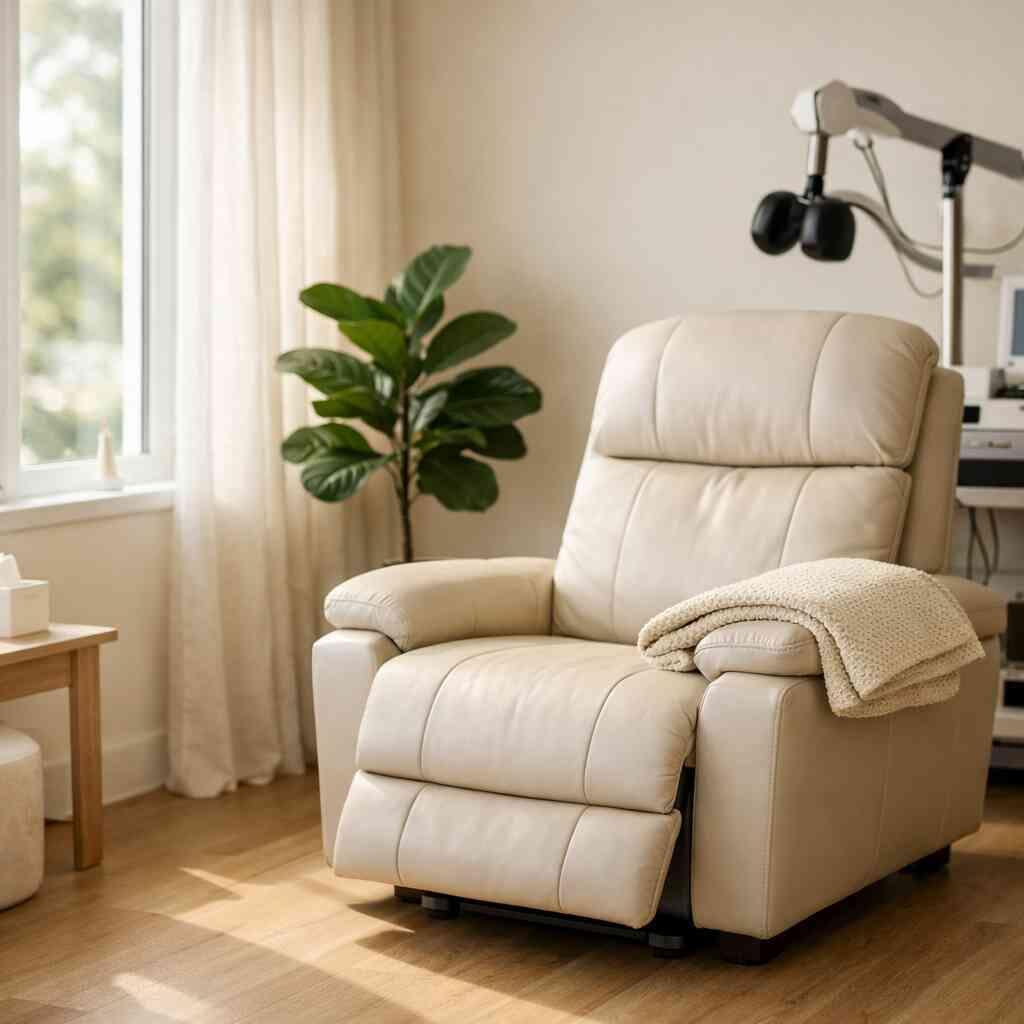
TMS therapy can help when medications fall short because it targets brain circuits directly instead of relying on body-wide chemical effects that may not be enough. For people with depression, anxiety, OCD, or related conditions, transcranial magnetic stimulation therapy offers a non-drug option that can fit after failed medications.
Key Takeaways
- TMS treatment Florida offers a non-invasive brain stimulation option for people who have not improved enough with antidepressants or mood stabilizers.
- Medication resistant depression often means the problem is not just “low serotonin”; it can involve sleep disruption, stress load, and underactive mood circuits.
- How does TMS work? It uses magnetic pulses to stimulate targeted brain regions, which pills cannot reach in the same way.
- Deep TMS therapy and repetitive TMS are used in research and clinical care for depression, anxiety, OCD, PTSD, and some addiction-related patterns.
- If you are exploring TMS after failed medications, a Florida clinic can review fit, safety, insurance questions, and next steps without pressure.
Why do medications stall out when the brain still needs help
Medications can stall out because they work systemically, not with precision. If your brain’s mood, motivation, and threat-response circuits are still underactive or overworked, you may feel only partial relief, even after several medication trials. That is often what people mean by medication resistant depression.
When SSRIs and mood stabilizers stop moving the needle in Florida patients
SSRIs, mood stabilizers, and other psychiatric medicines can help many people, but they do not help everyone enough. In Florida, we often hear from people who have tried two or three medicines, adjusted doses, managed side effects, and still felt flat, foggy, or emotionally stuck. That frustration is real. It can also feel confusing when the meds “work a little” but not enough to get your life back.
Here is the part most people miss: a medication can influence chemistry without fully correcting circuit activity. A person may sleep too lightly, wake too early, or stay locked in a stress loop despite treatment. If you are searching for TMS depression treatment Florida or TMS for anxiety, you are probably looking for something that reaches beyond the limits of pills alone.
One patient in Palm Beach County described it like this: the medication took the sharp edge off, but the low mood never fully lifted. After a careful review, the care team looked at prior trials, current symptoms, and daily function rather than just asking whether the drug was “on board.” That shift in perspective matters.
What medication resistant depression reveals about brain signaling, sleep, and stress load
Medication resistant depression often points to a bigger pattern than one neurotransmitter problem. Sleep disruption, chronic stress, inflammation, trauma history, and reward-system changes can all affect how well a medication works. That is why good clinicians look at the whole picture, not just the prescription list.
The National Institute of Mental Health explains that depression affects thinking, sleep, energy, and physical health, not only mood, and that broader pattern helps explain why some people need more than medication alone. the National Institute of Mental Health
A practical way to think about it is this:
- Sleep may be shallow or fragmented.
- Stress load may keep the nervous system on guard.
- Brain signaling may stay underactivated in areas tied to motivation and attention.
- Daily function may keep slipping even when the prescription is “correct.”
That is where non-drug depression treatment can become worth discussing. For some people, especially those exploring TMS after failed medications, the goal is not to replace every other treatment. It is to add a more direct option when the usual path has not been enough.
What happens inside transcranial magnetic stimulation therapy that pills cannot reach
Transcranial magnetic stimulation therapy uses focused magnetic pulses to stimulate specific brain regions involved in mood, attention, and emotional regulation. Pills circulate through the whole body. TMS works locally in the brain, which is why it can help some people who did not respond well to medication.
How non invasive brain stimulation uses magnetic brain therapy to wake up underactive circuits
How does TMS work? In simple terms, a coil placed near the scalp sends brief magnetic pulses into targeted brain tissue. Those pulses influence neural activity in a specific network, often the prefrontal circuits tied to depression. This is why people also describe it as magnetic brain therapy or non invasive brain stimulation. A standard TMS session is usually done while you are awake and seated. You can read, listen to music, or simply sit quietly. There is no anesthesia, no incisions, and no systemic medication effect. For many people, that makes it feel more manageable than another round of side effects. The evidence base matters here. The 2018 Stanford study by Carpenter and colleagues helped strengthen confidence in TMS for depression, and clinical use has continued to grow alongside broader transcranial magnetic stimulation research. FDA-cleared systems such as NeuroStar and BrainsWay are used in clinical settings, though device choice and fit depend on the clinic and the patient. 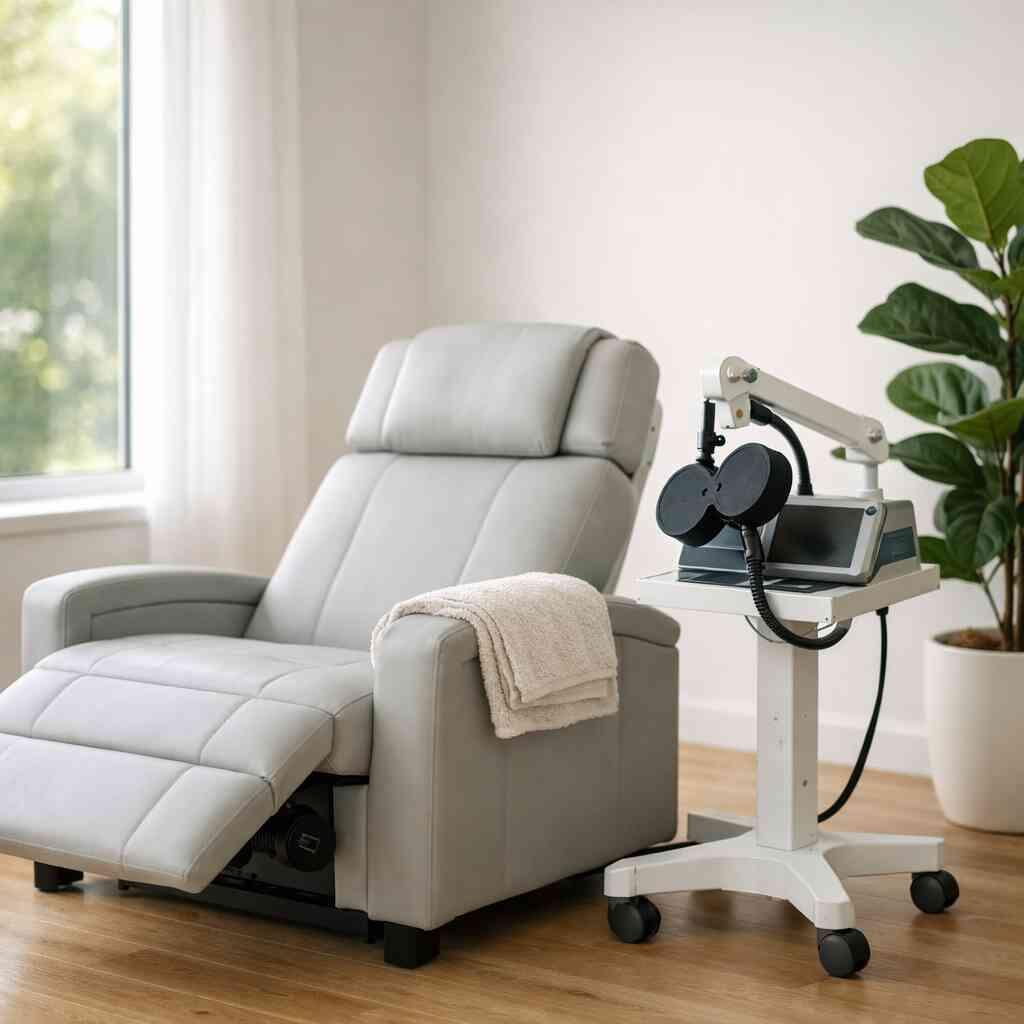
Why repetitive TMS and deep TMS therapy can fit depression, anxiety, OCD, and PTSD patterns
Repetitive TMS sends a train of pulses over repeated sessions, which can help change how circuits fire over time. Deep TMS therapy reaches broader or deeper targets, and some clinics use it when symptoms involve more complex networks. That is one reason people ask about TMS OCD therapy, TMS for PTSD Florida, or TMS for bipolar depression after standard treatment has not been enough.
A simple comparison helps:
TypeMain ideaCommon use casesRepetitive TMSRepeated magnetic pulses to targeted cortexDepression, anxiety symptoms, some OCD protocolsDeep TMS therapyMagnetic stimulation designed to reach broader networksDepression, OCD, some addiction-related researchMedicationBody-wide chemical effectDepression, bipolar disorder, anxiety, many othersResearch on craving and substance use is also growing. Studies from centers such as the Medical University of South Carolina have added to interest in rTMS for cravings, including nicotine and alcohol-related patterns. That does not mean it is a stand-alone cure. It does mean TMS for substance use disorder, TMS addiction recovery, and alcohol addiction brain stimulation are serious topics, especially in dual diagnosis treatment Florida settings.
A clinician should still screen carefully. That usually includes symptom history, prior medication trials, current diagnosis, seizure risk, and whether TMS should be paired with therapy or another treatment. For depression outcomes, clinics often track PHQ-9 or MADRS scores so progress is measured, not guessed.
What TMS looks like in a Florida mental health plan
TMS can make sense when you want a non-invasive, evidence-based option after medications have not done enough. In Florida, the right clinic should screen for fit, explain risks plainly, and help you sort out insurance and logistics without overpromising. That is the standard you should expect from any Florida mental health clinic.
How TMS treatment Florida clinics screen for safety, insurance coverage, and fit without overpromising
A good evaluation should cover your diagnosis, past treatment response, and current symptoms. It should also discuss TMS side effects safety, which commonly includes scalp discomfort, headache, or fatigue, while serious risks remain uncommon and must be reviewed by a qualified clinician. If you are asking does insurance cover TMS in Florida, the honest answer is: often it depends on diagnosis, prior medication history, and your plan.
Florida clinics also need to operate within state outpatient rules and payer requirements. That matters because people in Miami, Fort Lauderdale, West Palm Beach, Orlando, and Tampa often want care that is close to home and easy to verify. If you are searching TMS near me Florida, ask for a benefits review before you assume cost will be out of reach.
For readers comparing options, this is the short list that should be discussed:
- Diagnosis and symptom profile
- Prior medication trials
- Any history of seizures or metal implants
- Expected visit schedule
- TMS cost Florida and insurance verification
- Follow-up plan and possible TMS maintenance therapy
You can also review the clinic’s educational materials, such as the depression treatment guide, the anxiety treatment overview, and the insurance and costs page if available on the site. Those pages should help you compare fit without pressure.
What recovery can look like after failed medications with maintenance therapy, relapse prevention, and a clear path to care in Miami, Fort Lauderdale, West Palm Beach, Orlando, Tampa, and beyond
Recovery after failed medications is often gradual and practical. The goal is not a dramatic promise. It is steadier mood, better follow-through, fewer crashes, and a plan you can sustain. Some people also use TMS and EMDR combination care when trauma symptoms sit beside depression or anxiety, though that decision should be individualized.
For people in South Florida and Central Florida, access matters. A clinic that can coordinate care for patients near Aventura, Coral Gables, Boca Raton, Delray Beach, and Winter Park may reduce the friction that keeps treatment from happening. If you are looking for a TMS clinic Miami, TMS Fort Lauderdale, TMS West Palm Beach, TMS South Florida, TMS Orlando, or TMS Tampa option, location and follow-up planning should be part of the conversation.
If you want to compare treatment paths, the clinic location page and the FAQ page are useful starting points. TMS Treatment Florida can also help you understand whether a noninvasive plan fits your history, especially if you have already tried medication and still feel stuck. For confidential support, call the 24/7 helpline at +18886883036.
Frequently Asked Questions
Question: Why does the blog title Why Does TMS Therapy Help When Medications Fall Short matter for people considering TMS treatment Florida?
Answer: The main idea is that transcranial magnetic stimulation therapy can help when medication resistant depression or other conditions have not improved enough with pills alone. Unlike medications, which work body-wide, TMS uses non-invasive brain stimulation to target specific brain circuits linked to mood, motivation, and emotional regulation. That is why many people exploring TMS after failed medications start looking into TMS depression treatment Florida as a practical alternative depression treatment. It is especially relevant for people who want a non-drug depression treatment option that still feels evidence-based and structured. At TMS Treatment Florida, the goal is to review your history carefully, explain how does TMS work in plain language, and help you understand whether this kind of care may fit your needs without pressure.
Question: How does TMS work, and why might it help when antidepressants or mood stabilizers have not been enough?
Answer: TMS works by using magnetic pulses to stimulate targeted areas of the brain involved in mood and emotional control. That is different from medication, which circulates throughout the body and may not fully correct circuit-level activity. For some people, especially those dealing with medication resistant depression, the issue is not only chemistry but also sleep disruption, stress load, and underactive mood circuits. Repetitive TMS and deep TMS therapy are both used in clinical settings to help address those patterns. Because TMS is a form of magnetic brain therapy and non-invasive brain stimulation, it can be a useful option for people who want a treatment that does not rely on another medication trial. A Florida mental health clinic like TMS Treatment Florida can help determine whether this approach fits your diagnosis, prior treatment history, and current symptoms.
Question: Is TMS therapy an option for conditions beyond depression, such as TMS for anxiety, TMS OCD therapy, or TMS for PTSD Florida?
Answer: Yes, TMS is often discussed for more than just depression, although the best fit depends on the person and the clinic’s clinical review. In addition to TMS depression treatment Florida, some people ask about TMS for anxiety, TMS OCD therapy, TMS for PTSD Florida, and even TMS for bipolar depression. Research on transcranial magnetic stimulation has also expanded interest in TMS for teen depression, TMS for young adults, and certain dual diagnosis treatment Florida settings where mental health and substance-related concerns overlap. Some clinics also discuss TMS for substance use disorder, TMS addiction recovery, and alcohol addiction brain stimulation as part of a broader care plan. At TMS Treatment Florida, the conversation should always start with a careful evaluation rather than a one-size-fits-all promise, because the safest and most appropriate plan depends on your unique history and goals.
Question: What should I know about TMS side effects safety, TMS therapy success rate, and TMS long-term results?
Answer: It is important to keep expectations realistic and evidence-based. TMS side effects safety is usually discussed in terms of common issues like scalp discomfort, headache, or fatigue, while serious risks are uncommon but still need to be reviewed by a qualified clinician. As for TMS therapy success rate and TMS long-term results, those can vary widely from person to person, so no ethical clinic should promise a specific outcome. What a good clinic can do is explain the available evidence, review whether you meet typical criteria, and track progress with measures such as PHQ-9 or MADRS when appropriate. TMS maintenance therapy may also be discussed for some patients to help support continuity of care after an initial response. TMS Treatment Florida focuses on compassionate guidance, honest expectations, and careful monitoring so patients understand both the potential benefits and the limits of treatment.
Question: Does insurance cover TMS in Florida, and how can I find the best TMS clinic Florida or TMS near me Florida?
Answer: Insurance coverage for TMS can depend on your diagnosis, prior medication history, and the details of your plan, so the answer to does insurance cover TMS in Florida is often that it varies. That is why it helps to ask about TMS insurance coverage Florida early in the process. A reputable clinic should help you understand benefits verification, possible out-of-pocket costs, and whether the treatment is a fit before you commit. If you are searching for TMS near me Florida, you may also be comparing options in Miami, Fort Lauderdale, West Palm Beach, South Florida, Orlando, or Tampa. When choosing the best TMS clinic Florida for your needs, look for a Florida mental health clinic that explains the process clearly, respects your concerns, and offers individualized care rather than exaggerated claims. TMS Treatment Florida can help patients explore next steps, including logistics, scheduling, and whether TMS may fit alongside therapy or a TMS and EMDR combination approach when clinically appropriate.