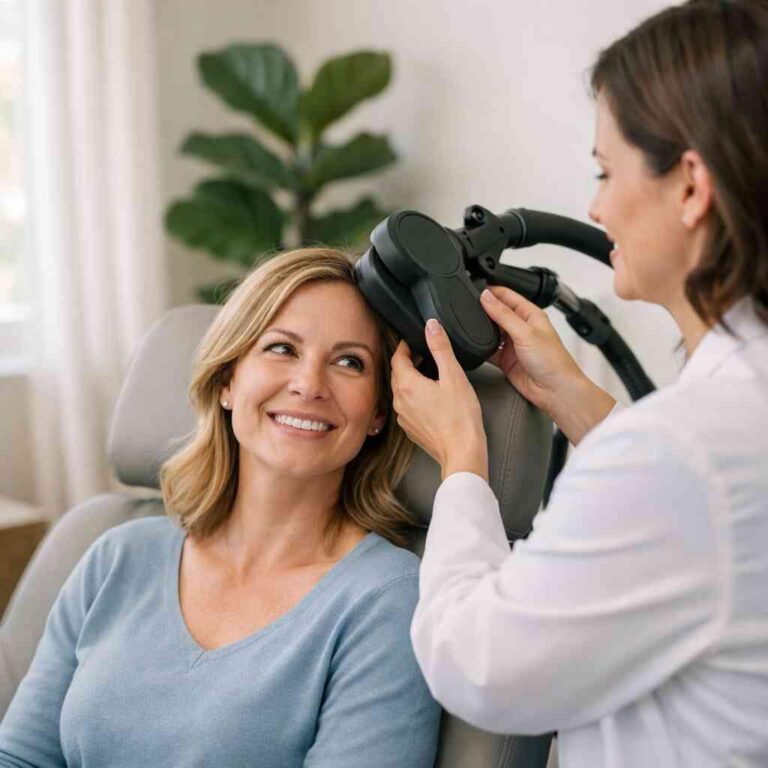
When the fog has outlasted the medication, what is TMS therapy really doing in the brain?
If you are reading this because the pills helped and then stopped helping, that is a hard place to sit. The tiredness can feel personal. The side effects can feel unfair. Many people start searching for TMS treatment Florida after that exact moment, when the routine still exists but hope feels thin.
Why people in Florida start looking at non-drug depression treatment after SSRIs stop working
A lot of readers arrive here after months of trial and error. You may have tried an SSRI, then another, then a dose change that brought dry mouth, sleep trouble, or emotional flattening. That is often when non-drug depression treatment starts sounding less like a novelty and more like relief. For many, medication resistant depression is not a dramatic label. It is just the exhausting reality of trying hard and still feeling stuck.
Needing another path does not mean you failed treatment. It usually means your brain needs a different kind of input. That is where TMS depression treatment Florida often enters the conversation, especially for people who want an option that does not rely on sedation or another daily medication.
How transcranial magnetic stimulation therapy uses magnetic brain therapy without anesthesia or a hospital stay
Transcranial magnetic stimulation therapy uses focused magnetic pulses to stimulate targeted areas of the brain linked to mood regulation. It is a form of non-invasive brain stimulation, so there is no surgery, no anesthesia, and usually no hospital stay. People often describe it as a tapping sound with a brief sensation on the scalp. It is not mystical. It is physics applied to brain circuits.
A useful way to think about magnetic brain therapy is this: it aims to wake up networks that have gone quiet or stuck. The treatment sits between talk therapy and medication. It can fit people who want something more direct than counseling alone, yet less systemic than another drug trial. If you want the clinical overview, TMS Treatments is a good place to start.
What deep TMS therapy and repetitive TMS are trying to change in mood circuits
There are a few versions of the treatment. Repetitive TMS sends repeated pulses to a specific region. Deep TMS therapy aims a bit farther into the brain, depending on the device and protocol. Both are trying to influence circuits involved in mood, attention, and habit loops. The goal is not to “shock” the brain. The goal is to nudge underactive pathways toward better regulation.
The evidence base matters here. Research like the Stanford group work and later clinical reviews helped make TMS a serious option for depression care. That is also why people often ask about transcranial magnetic stimulation rather than another round of medication changes. Still, no honest clinic should promise a specific result. TMS can help some people a great deal, while others need a different plan.
Why TMS depression treatment Florida often enters the conversation after failed medications and relapse
Most people do not search for TMS out of curiosity. They search because relapse keeps happening, side effects became too hard to ignore, or they are tired of trading one symptom for another. That is especially common after failed medications, partial responses, or years of trying to keep functioning while feeling flat inside.
One example we hear about often is the person who can still work, but only by pushing through every hour. They sit in the car after work before walking inside. They are not in crisis, but they are not okay either. That is exactly where TMS after failed medications can feel like a practical next option. For a closer look at depression care, TMS treatments for depression explains how clinics usually frame candidacy.
What actually happens in a Florida TMS clinic from the chair to the checklist
The anxiety before the first appointment is real. People worry about the machine, the cost, the time commitment, and whether they will look silly asking basic questions. That discomfort is normal. A good Florida clinic should expect it and answer plainly.
What a real session feels like when the coil hums and the treatment stays non-invasive
A typical visit starts with a seat, a coil, and a map. The staff identifies the treatment area, then sets the machine based on your response. During the session, you stay awake. You can talk. You can pause if needed. Most people notice a tapping sound and a steady rhythm across the scalp.
The experience is usually simpler than people imagine. No IV. No recovery room. No grogginess afterward. Because the treatment is non-invasive, many people go back to work, errands, or the drive home afterward. If you are comparing methods, the difference between deep TMS therapy and repetitive TMS can matter, and a clinic should explain it clearly. For many readers, that is the point where the idea stops feeling abstract and starts feeling usable.
How clinicians usually think about TMS for anxiety, TMS OCD therapy, and TMS for bipolar depression without overpromising
Clinicians do not treat every diagnosis the same way. TMS for anxiety may be considered when anxiety sits beside depression, though the evidence base varies by symptom pattern. TMS OCD therapy has a stronger, more specific research trail than many people expect, and some clinics also treat carefully selected patients with TMS for bipolar depression. That said, bipolar symptoms need close screening first, because treatment planning matters.
A smart clinic will talk about fit, not hype. It will ask about mania history, current meds, sleep, and safety concerns. It should never sell TMS as a cure-all. If you are looking for a deeper clinical explainer, TMS OCD therapy in Florida and TMS treatment for bipolar depression in Florida are useful references.
Which tools help track change, such as PHQ-9, MADRS, and symptom logs, when progress is being measured
Good care measures more than feelings in the hallway. Many clinics use the PHQ-9, MADRS, and weekly symptom logs to track change. Those tools help separate a good day from real treatment movement. They also protect you from guessing, which is one of the biggest traps in mood care.
In consultations we hear about most often, people want proof that progress is real. That is fair. Small shifts matter: better sleep, less rumination, fewer tearful mornings, more follow-through. The 2018 Stanford study by Carpenter and colleagues helped strengthen the conversation around TMS for depression by showing meaningful clinical promise in difficult-to-treat cases. That does not guarantee your outcome. It does show why careful tracking matters. For more context, TMS side effects and safety facts can help answer the questions people usually ask first.
How Florida clinics may handle TMS insurance coverage Florida screening and questions about does insurance cover TMS in Florida
Insurance questions can feel like a second diagnosis. In Florida, screening usually includes your treatment history, diagnosis details, and prior medication trials. Some plans may require documentation of failed medications or psychotherapy. Others ask for symptom scores and physician notes. That process can feel tedious, but it often prevents surprises later.
If you are wondering, does insurance cover TMS in Florida, the honest answer is: sometimes, but not always, and it depends on the plan. That is why people should verify benefits before starting. Florida outpatient clinics also need to follow state rules that align with AHCA expectations, especially for recordkeeping and patient safety. For a practical overview, TMS insurance coverage in Florida is the right place to compare coverage basics.
Why location and diagnosis matter more than buzzwords in South Florida recovery
Florida is not one simple market. Traffic, weather, seasonal residents, and work schedules all change how care feels. A clinic that fits one person in Coral Gables may be a bad fit for someone commuting from Winter Park. Access matters as much as language.
How TMS clinic Miami, TMS Fort Lauderdale, TMS West Palm Beach, TMS Orlando, and TMS Tampa fit different access needs
The right clinic is often the one you can actually attend consistently. A TMS clinic Miami may work well for someone in Aventura or Coral Gables. TMS Fort Lauderdale may be easier for Broward patients. TMS West Palm Beach can serve people in Boca Raton and Delray Beach. TMS Orlando and TMS Tampa help patients across central Florida who need practical scheduling.
That geography matters because TMS works best when people can stick with the protocol. Missing sessions can complicate momentum. So before you compare names, compare drive times, parking, and appointment windows. A useful locations page can save hours of phone calls, especially when your energy is already low.
What to know about TMS South Florida and TMS near me Florida when traffic, weather, and work schedules shape care
If you search TMS near me Florida, you are usually not looking for marketing copy. You are looking for something workable. In South Florida, that means accounting for traffic on US-1, afternoon storms, and long commutes that can wreck a treatment rhythm. TMS South Florida clinics that respect real-life logistics often make recovery feel more possible.
One woman we met through a consultation lived near Boca Raton and worked near downtown Fort Lauderdale. She could not spare two extra hours a day. The best plan for her was not the fanciest plan. It was the one that fit her route, her lunch break, and her insurance rules. That kind of practical thinking is what separates a polished brochure from real care. For location details, clinic locations should be clear and easy to compare.
How Florida behavioral health settings think about dual diagnosis treatment Florida when depression and substance use overlap
Depression and substance use often travel together. That is why dual diagnosis treatment Florida matters so much. If alcohol, cannabis, stimulants, or opioids are part of the picture, the treatment plan needs more than one lens. TMS may help mood symptoms, but it should sit beside behavioral health care, relapse prevention, and medical oversight. 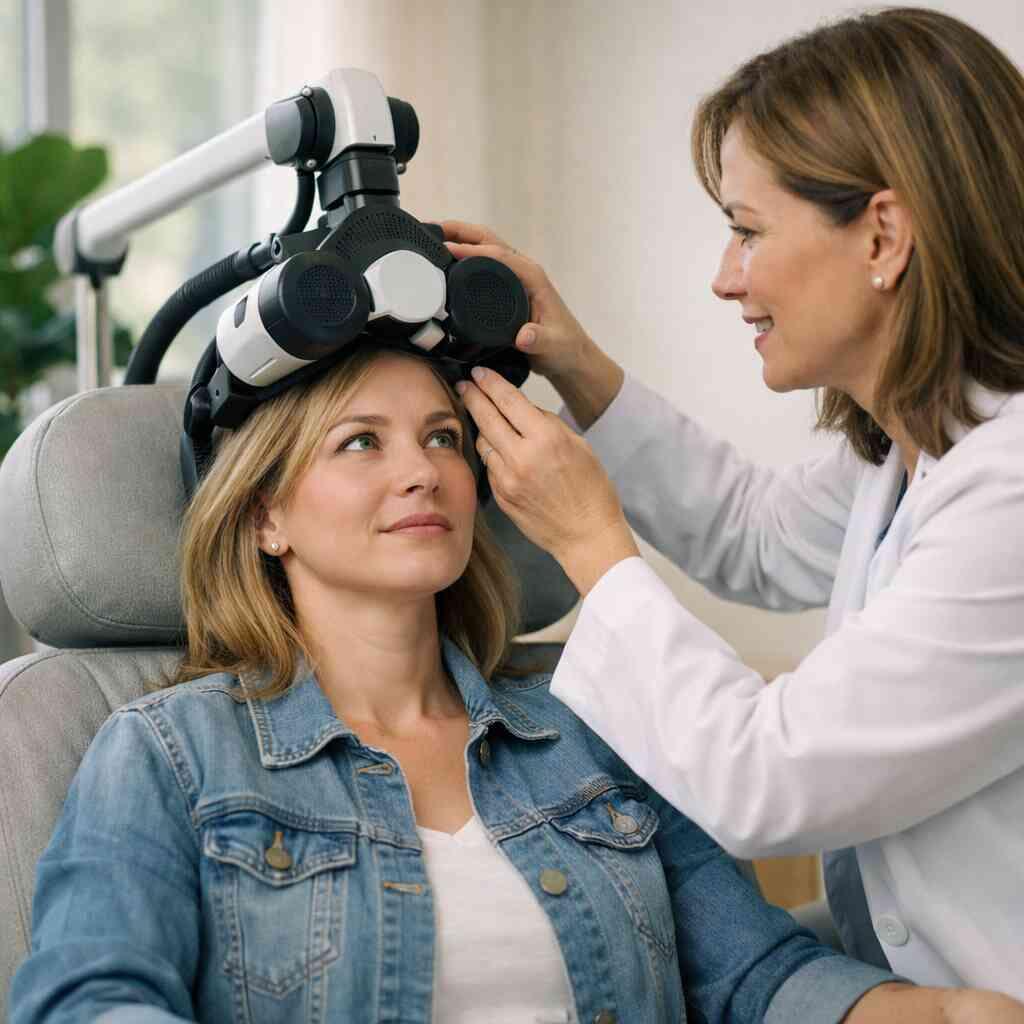
The SAMHSA TIP guidance on substance use disorders emphasizes careful assessment, coordinated care, and recovery supports. That approach fits well with Florida behavioral health settings that already work across levels of care. It also helps clinicians decide if TMS belongs in the plan or if another stabilization step should come first. This is especially important when someone’s sleep, cravings, and mood all rise and fall together.
Where TMS addiction recovery and TMS for substance use disorder may fit alongside rehab Florida services and TMS and EMDR combination care
There is growing research on TMS addiction recovery and TMS for substance use disorder, especially around craving circuits. Some studies, including work from the Medical University of South Carolina, have explored rTMS and craving reduction. The evidence is promising, but still developing. That means careful language matters. TMS is not a magic fix for addiction.
In practice, some people use TMS alongside rehab, counseling, and relapse planning. Others ask about TMS and EMDR combination care when trauma and substance use are tangled together. That can make sense in the right hands, with the right sequencing. If you want a deeper look, Exploring TMS Treatment Florida for Substance Use Support can help frame those questions before a consult. The best plans usually respect both the brain and the behavior.
Why TMS for PTSD Florida, TMS for teen depression, and TMS for young adults need careful evaluation rather than copy-paste protocols
Not every diagnosis should be handled the same way. TMS for PTSD Florida may be considered in select cases, but it needs a thoughtful evaluation. The same is true for TMS for teen depression and TMS for young adults. Young brains, school demands, family systems, and medication history all change the decision.
Here is what almost no online guide mentions. A good clinic spends as much time ruling things out as ruling them in. It asks about sleep, trauma, risk, attention issues, and family support. That is not hesitation. That is responsible care. If trauma symptoms are central, TMS therapy in Florida for PTSD and OCD may help you see why careful screening matters.
What the next move looks like when you want relief without guessing
You do not need to become an expert before you ask for help. You only need enough clarity to ask better questions. That alone can change the quality of a consultation.
How to compare TMS cost Florida, TMS reviews Florida, and best TMS clinic Florida without getting lost in marketing
People often start with price, then get confused by packaging. TMS cost Florida can vary based on sessions, device type, insurance, and whether you need maintenance care. TMS reviews Florida may offer clues, but they should never be your only filter. A review says little about whether a clinic matches your diagnosis or schedule.
A better comparison looks like this:
What to compareWhy it mattersInsurance verificationPrevents billing surprisesDevice typeShapes protocol and comfortLocation and scheduleAffects session adherencePsychiatric oversightImproves screening and follow-upTracking toolsHelps measure real progressThat is how people find the best TMS clinic Florida for their needs, not someone else’s. If you want a practical checklist, best TMS clinic Florida questions to ask is a strong place to compare.
What to ask a TMS psychiatrist Florida about safety, side effects, maintenance therapy, and long-term planning
A good TMS psychiatrist Florida should welcome direct questions. Ask about TMS side effects safety, headache frequency, scalp discomfort, seizure risk screening, and what happens if you need TMS maintenance therapy later. Ask how the clinic handles changes in medication, sleep, and symptom scores. Ask what they consider a meaningful improvement.
The honest answer about TMS therapy success rate is that it varies by diagnosis, history, and adherence. No ethical clinic should promise a set number. What they can do is explain the evidence, review your history, and tell you what they watch during treatment. If you want a plain-language safety guide, TMS side effects and safety facts is useful before you book.
Why some people consider TMS after failed medications as a practical alternative depression treatment instead of a last resort
There is a quiet shift happening in mental health care. More people now see TMS after failed medications as a practical next move, not a final gamble. That mindset matters. It gives room for planning, not panic. It also makes room for a better conversation about alternative depression treatment.
Think of it this way. If your last three medication trials left you foggy, numb, or discouraged, another similar trial may not be the best use of your energy. TMS can offer a different kind of intervention. It may fit better for people who want FDA approved depression treatment options without another daily systemic drug. For those comparing approaches, What Is TMS Treatment Florida in 2026 for Depression can frame the basics before a consultation.
How to use /locations/ /insurance-and-costs/ /about-us/ and /faq/ to check fit before booking a consultation
Before you call, spend ten minutes on the pages that matter. Review locations to see which office fits your commute. Read insurance and costs to understand coverage questions. Look at About TMS Treatment Florida for team context. Then check Frequently asked questions about TMS for the questions people ask most.
That simple review can save you from a rushed decision. It can also help you notice which clinic explains things clearly and which one leans on buzzwords. If you are tired, keep the process small. One page. One phone call. One careful conversation. You do not have to figure it all out today, and you should not have to do it alone.
Frequently Asked Questions
What is TMS therapy, in plain English?
TMS therapy uses magnetic pulses to stimulate brain areas linked to mood, attention, and habit loops. It is non-invasive and usually done while you stay awake in a chair. Many people seek it for depression when medication has not helped enough. Some clinics also discuss anxiety, OCD, and substance use support. It is not surgery, and it does not require anesthesia.
Does insurance cover TMS in Florida?
Sometimes, yes. Coverage depends on your insurance plan, diagnosis, and treatment history. Many plans want proof of medication trials and documentation of symptoms. A clinic’s insurance team should verify benefits before treatment starts. That step can prevent surprises and help you compare options more calmly.
How long does a TMS session take?
Session length varies by protocol and device, but the visit is usually short enough to fit around work or family life. Most people remain awake during treatment. Many return to normal activities right after. The bigger commitment is consistency across the treatment series.
Is TMS safe, and what side effects should I expect?
TMS is generally well tolerated, but no treatment is free of risk. The most common side effects include scalp discomfort, a tapping sensation, headache, or mild fatigue. Clinicians should screen for seizure risk and review your medical history carefully. A responsible clinic will explain safety in plain language before you start.
Can TMS help with OCD, anxiety, or bipolar depression?
It may help some people, depending on diagnosis and clinical fit. TMS OCD therapy has a growing evidence base. TMS for anxiety and bipolar depression may also be considered in select cases, though the evaluation should be more careful. The right clinic will not overpromise and should explain why your symptoms do or do not fit.
What should I ask before choosing a TMS clinic in Florida?
Ask who evaluates you, how they track progress, what insurance covers, and what happens after the first few sessions. Ask about maintenance planning, side effects, and how they handle medication changes. You should also ask whether the clinic has experience with your specific diagnosis. Clear answers usually tell you a lot about the quality of care.