If antidepressants or anti-anxiety medications have not given you enough relief, TMS may be worth considering, especially when side effects, relapse, or only partial improvement keep getting in the way of daily life. The clearest sign is not that you have “tried everything,” but that you are still struggling after appropriate medication trials and a careful evaluation.
Key Takeaways
- TMS after failed medications is often considered when you have medication-resistant depression or another mood disorder that has not improved enough with standard treatment.
- TMS is a non-invasive brain stimulation option that does not use daily medication, so it can be a strong non-drug depression treatment for people who want another path.
- A qualified clinician looks at your diagnosis, symptom pattern, medication history, safety concerns, and screening scores before deciding if transcranial magnetic stimulation therapy is a fit.
- Tools like PHQ-9 and MADRS help measure symptom severity and track whether TMS depression treatment Florida is a reasonable next step.
- Insurance, clinic access, and local availability in places like TMS Miami, TMS Fort Lauderdale, TMS West Palm Beach, TMS Orlando, and TMS Tampa can also affect the decision.
When medications keep fading out and life still feels heavy
TMS is worth looking at when medications have not brought enough relief, the side effects feel harder to live with than the symptoms, or you keep slipping back after an early improvement. If that sounds familiar, you are not being dramatic. You are describing a common reason people start asking about TMS after failed medications.
The signs your antidepressant or anti-anxiety medications are no longer pulling their weight
The clearest warning sign is simple: you have taken a medication long enough, at an appropriate dose, and you still feel stuck. That can look like a flat mood, low energy, trouble sleeping, panic that keeps breaking through, or OCD loops that keep taking over the day. Some people also notice that the medicine helps a little, but not enough to work, parent, or sleep normally.
A common pattern is “better, but not better enough.” You may get a few good hours, then crash again. Or you may feel some symptom relief while gaining brain fog, sexual side effects, weight changes, or emotional numbness. In our conversations with people seeking TMS treatment Florida, that mix of partial relief and poor tolerability is one of the strongest reasons they start asking about an alternative depression treatment.
One patient story we hear often goes like this: someone in South Florida tries two antidepressants, gets mild relief, then spends the next few weeks fighting nausea, dry mouth, and fatigue. They are not improved enough to stay on the same path, but they are still hopeful enough to want another option. That is the exact moment where a real TMS evaluation can help.
Why side effects plus partial relief often point people toward TMS after failed medications
TMS can make sense when the problem is not only “the medicine did not work,” but “the medicine did not work well enough to justify the tradeoff.” That is especially true for people with treatment-resistant mood disorders who have tried more than one medication class, or who cannot tolerate dose increases.
Here is the part most people miss: TMS is not mainly about chasing a miracle. It is about changing the treatment equation. Instead of adding more medication burden, clinicians look at a therapy that uses magnetic brain therapy to stimulate circuits involved in mood regulation.
Some people also compare TMS with ketamine or psychedelic options, but those are different treatments with different eligibility rules and risks. If you are sorting through choices, a clinic can help you understand the difference between TMS therapy success rate claims and what your own history suggests is realistic. For background on related options, some readers also ask about Ketamine Treatment Florida and Psilosybin Treatment Florida, but those are separate discussions from TMS.
What actually makes someone a fit for transcranial magnetic stimulation therapy
A good TMS fit usually means you have a documented mood disorder, one or more failed medication trials, and no major reason that magnetic stimulation would be unsafe or inappropriate. A clinician also looks at your goals, your symptom pattern, and whether you can commit to the treatment schedule. That is how transcranial magnetic stimulation therapy becomes a real plan instead of a vague idea.
The clinical clues that matter most for medication-resistant depression and other mood disorders
TMS is most often discussed for medication-resistant depression, but it may also be considered for some people with TMS for anxiety, TMS OCD therapy, TMS for PTSD Florida, or TMS for bipolar depression when a qualified specialist thinks the benefits outweigh the risks. Depression is the clearest and most established use, which is why many people start with a depression-focused conversation first.
The clinical clues usually include:
- Symptoms that have lasted long enough to disrupt work, school, sleep, or relationships
- One or more antidepressant trials with limited benefit
- Side effects that make medication hard to continue
- A preference for a non-invasive brain stimulation option
- A diagnosis that fits current treatment guidelines
The evidence base matters here. Studies such as the Stanford-led work by Carpenter and colleagues helped strengthen the case for TMS in depression, and professional guidance from organizations like the American Psychiatric Association helps clinicians decide who may benefit. If you want a broad overview of how the treatment is used in Florida, this guide to non-invasive brain stimulation is a useful place to start.
Question a clinician asksWhy it mattersHow many medications have you tried?Helps show whether the condition may be treatment-resistantDid you get partial relief or none?Partial relief can still justify TMSWere side effects a problem?TMS may reduce medication burdenDo you have depression, anxiety, OCD, or bipolar depression?Diagnosis affects protocol choiceCan you attend repeated visits?TMS works best with a consistent schedule### How a TMS psychiatrist Florida patients may see decides whether non-invasive brain stimulation makes sense
A TMS psychiatrist Florida patients may meet usually starts with a detailed history, not a sales pitch. They ask what you took, for how long, at what dose, and what changed. They also screen for seizure risk, implanted metal issues, active substance misuse, and signs that another condition may need to be treated first.
Here is the practical side. A good clinician is not trying to force TMS. They are trying to determine if it matches your diagnosis and your life. That is especially important in Florida behavioral health, where people may come in from seasonal homes, remote areas, or different cities across the state and need a plan that fits real travel patterns.
The clearest sign you may be a candidate is not perfection. It is enough evidence that standard care has not fully worked, plus enough stability to complete treatment safely. If your history points in that direction, a Florida mental health clinic can explain the next steps without pressure.
The quiet medical checks that separate curiosity from a real treatment plan
The difference between “I’m curious about TMS” and “I’m ready for TMS” usually comes down to structured screening, symptom scoring, and practical access. Clinicians often use tools like the PHQ-9 and MADRS to measure how severe symptoms are and whether TMS depression treatment Florida is worth pursuing. Those scores help turn feelings into data.
Why evaluation tools like PHQ-9 and MADRS help map whether TMS depression treatment Florida is worth pursuing
The PHQ-9 is a brief depression screening tool, while the MADRS is a more detailed clinical scale often used to track change over time. Neither one decides your future by itself. They simply help show how severe the symptoms are before treatment and whether they improve during the course of deep TMS therapy or repetitive TMS.
That matters because many people feel “bad enough” but are not sure how to prove it. Scores help answer that. They also help your clinician judge whether the problem is depression alone, anxiety layered on top of depression, or a more complex picture like dual diagnosis treatment Florida may need to address first.
A second story we hear often involves someone from Boca Raton or Coral Gables who assumed they were “not sick enough” for TMS because they could still get through the day. Then the screening showed a much heavier symptom burden than they expected. The score did not label them. It simply clarified the level of care they needed.
The regulatory side also matters. Outpatient clinics in Florida must operate within state and federal rules, and many patients like knowing they are working with a licensed setting rather than a vague referral source. For a closer look at treatment details and local access, this Florida TMS depression treatment page explains how the process is typically framed.
How insurance, clinic access, and local options from TMS Miami to TMS West Palm Beach shape the decision
Even when you are a good clinical fit, logistics can still decide whether treatment happens. TMS insurance coverage Florida varies by plan, diagnosis, prior authorization rules, and whether your records clearly show failed medications. That is why people ask, “does insurance cover TMS in Florida?” The honest answer is: often, but not always, and the paperwork matters. 
FactorWhat to checkInsurancePrior authorization, deductible, in-network statusLocationAccess to TMS clinic Miami, TMS Fort Lauderdale, TMS West Palm Beach, TMS Orlando, or TMS TampaScheduleCan you attend frequent sessions consistently?TravelDriving time from Aventura, Delray Beach, Winter Park, or nearby areasRecordsNotes showing failed medications and prior therapyIf you are searching for TMS near me Florida, convenience matters more than people expect. A treatment plan that looks good on paper can fail if the drive is too long or the schedule is too tight. That is why a local option like locations across Palm Beach County can matter as much as the diagnosis itself. If cost is on your mind, this insurance and cost guide can help you think through the next conversation.
FAQ
How do I know if TMS is right for me after antidepressants failed?
TMS may be right for you if you have depression or another mood disorder that has not improved enough after appropriate medication trials, especially when side effects have become hard to tolerate. A clinician will also look at your diagnosis, safety profile, and whether you can complete repeated sessions. If you are unsure, a screening visit is usually the fastest way to clarify the fit.
Is TMS only for depression?
No. Depression is the most established use, but TMS may also be considered for TMS for anxiety, TMS OCD therapy, and some cases of TMS for bipolar depression. In some settings, clinicians also discuss it for TMS for PTSD Florida, smoking cessation, and addiction-related symptoms, though those uses depend on the diagnosis and clinical judgment.
How does TMS work in simple terms?
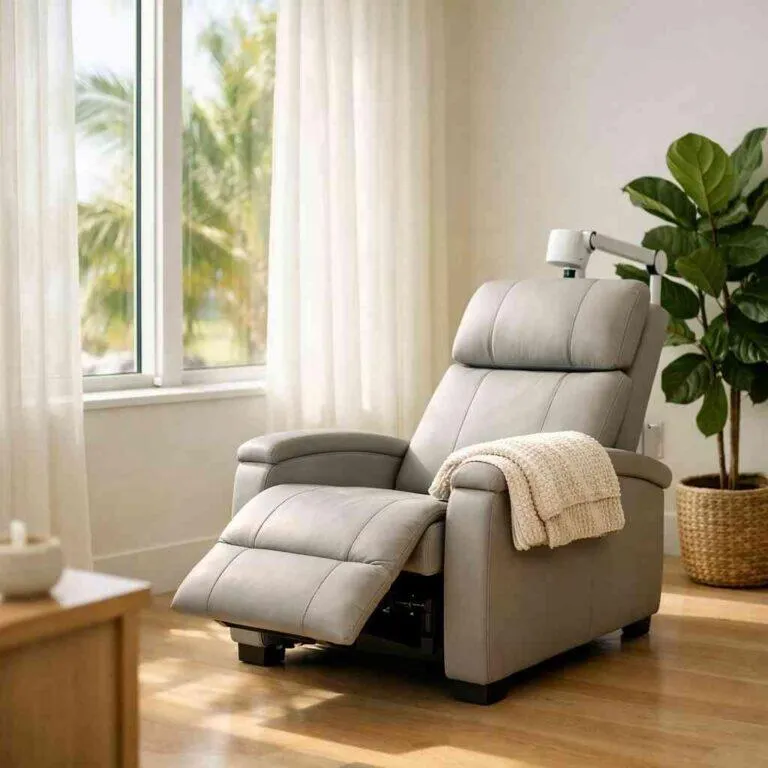
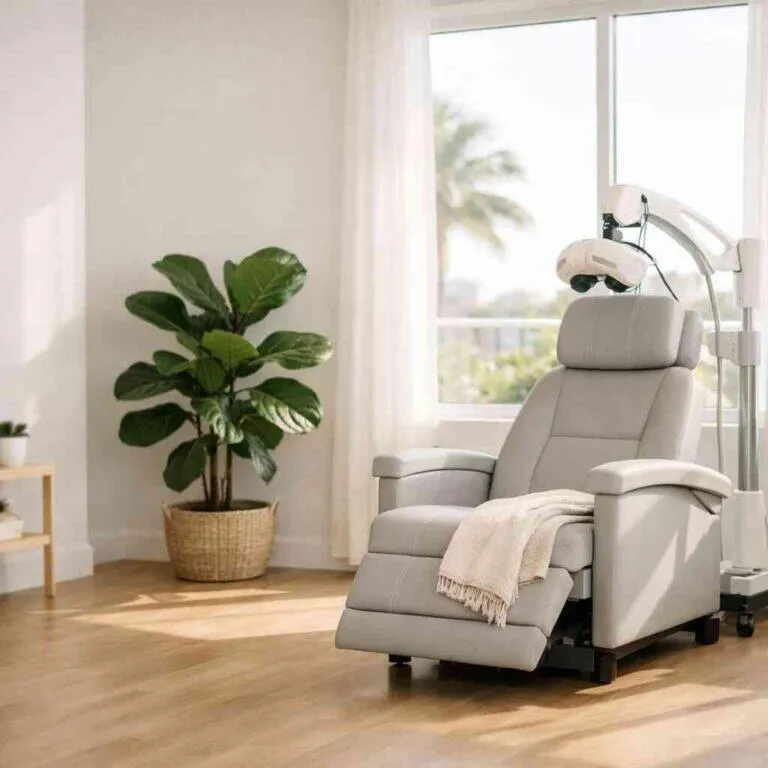
TMS uses a magnetic coil placed near the scalp to stimulate targeted brain regions involved in mood regulation. It does not require surgery or anesthesia. People usually sit in a chair, stay awake, and return to normal activities afterward. That is one reason many patients see it as a practical non-drug depression treatment.
What are the side effects and is TMS safe?
Most side effects are mild and temporary, such as scalp discomfort, headache, or light sensitivity. Safety screening is still important, especially if you have a seizure history or metal implants near the head. A qualified clinic will review risks before treatment starts. If you want a deeper overview, the science and innovation category has more background on the research.
How long does TMS treatment take?
A standard course usually runs over several weeks with frequent visits. That schedule can feel demanding at first, but many people like that it does not require daily medication changes. A clinic can tell you what a typical schedule looks like based on the protocol recommended for your symptoms.
Does insurance cover TMS in Florida?
Often, yes, but coverage depends on your plan, diagnosis, and documentation of failed medications. Some plans require prior authorization and specific records before they approve treatment. The safest move is to verify benefits before starting. That can save time and reduce surprises later.
Where can I learn more before scheduling?
If you want more context, reputable public resources like the CDC mental health resources and NAMI pages can help you understand symptoms and treatment basics. If you are ready to talk through your own situation, TMS Treatment Florida can help you sort out whether TMS depression treatment Florida, TMS for anxiety, or another option makes sense.
If medication has not been enough, and you want a quiet, honest conversation about next steps, call the 24/7 confidential helpline at +18886883036.