When anxiety keeps winning even after the usual fixes
Why SSRIs, talk therapy, and white-knuckle coping can still leave you stuck
You may know the script by heart. You try an SSRI, push through the side effects, and wait for relief that never fully arrives. You keep showing up for therapy, which helps you understand the pattern, but your body still acts like danger is everywhere. That gap feels exhausting. It also makes perfect sense.
We hear this from people who have done everything “right” and still wake up tense, keyed up, or scanning every room. The hardest part is not trying harder. The hardest part is realizing effort alone does not always quiet the nervous system. If you are carrying panic, obsessive loops, or anxiety that rides alongside depression, that fatigue can become its own burden. For readers looking into TMS treatment Florida, that is usually the moment curiosity starts to matter.
What non invasive brain stimulation means in plain English
Non-invasive brain stimulation means using external energy to influence brain activity without surgery, anesthesia, or implanted hardware. In this setting, transcranial magnetic stimulation therapy uses magnetic pulses aimed at specific brain networks linked to mood and anxiety. It is not shock therapy. It is not a sedative. It is a targeted, outpatient form of magnetic brain therapy.
Here is the part most people miss. The goal is not to “force” calm. The goal is to encourage healthier signaling in circuits that have stayed stuck in overdrive. That is why people often ask how TMS works before they ever ask about cost. They want the logic first. Then they want to know if it feels tolerable.
In the clinics we have seen across Florida mental health settings, people usually want one simple answer: “Will this feel like one more thing I cannot handle?” That concern is fair. It is also exactly why a careful clinic should explain the process, the expected sensations, and the follow-up plan before anything starts.
Why Florida readers keep searching for TMS near me Florida when anxiety will not quiet down
Florida adds a few practical wrinkles. Seasonal residents want care that works around travel. Working parents in Broward or Palm Beach need appointments that fit school pickup and traffic. People in Miami, Orlando, and Tampa often want something that does not require weeks away from work or home. That is where searches like TMS near me Florida usually begin.
If you live near Aventura, Coral Gables, Boca Raton, Delray Beach, or Winter Park, access matters more than people realize. A clinic that is closer, easier to reach, and used to coordinating regular visits can make treatment feel less impossible. For some readers, that local convenience is the difference between “maybe someday” and “I can actually do this.” That is especially true when anxiety has already made errands feel heavier than they should.
One client in South Florida described it plainly: the long drive made every appointment feel like a second job. Once the commute shrank, the treatment stopped feeling like a constant negotiation. That does not guarantee anything about symptom change. It does, however, show how much logistics can shape follow-through.
What actually changes in the brain during transcranial magnetic stimulation therapy
How repetitive TMS and deep TMS therapy use magnetic brain therapy without surgery or anesthesia
Repetitive TMS, often shortened to rTMS, delivers repeated magnetic pulses to networks involved in mood regulation, attention, and threat detection. Deep TMS therapy uses a different coil design to reach somewhat broader or deeper cortical regions. Both are forms of non-invasive brain stimulation. Neither requires surgery or anesthesia.
For anxiety, clinicians often look at patterns involving the prefrontal cortex and related circuits. The idea is to reduce rigid, hyper-alert signaling and support more flexible regulation. That may sound abstract, but the practical meaning is simple. Your brain is less likely to stay stuck in the same alarm loop. The treatment is one reason people exploring alternative depression treatment and non-drug depression treatment also ask about anxiety.
The strongest public research still centers on depression. The 2018 Stanford study by Carpenter and colleagues helped shape modern understanding of TMS for mood disorders, especially in treatment-resistant cases. The FDA has cleared devices such as NeuroStar and BrainsWay for specific indications, including major depression. That does not mean every device or every protocol is identical. It does mean TMS has a serious research base, not just marketing polish.
What a session feels like from the chair to the hum to the wrap up
A typical session is straightforward. You sit in a treatment chair. A coil rests against your scalp. The device clicks or hums in a steady rhythm. Some people describe tapping or a light percussion on the head. Others mostly notice the sound and the repetitive rhythm.
Most sessions do not involve downtime afterward. That is why many people compare it favorably with more sedating treatments. You can often drive yourself home, though your clinic should tell you what is appropriate for your situation. A careful provider will also explain the plan in plain language before the first session starts. If you want a deeper primer, repetitive TMS and deep TMS therapy explained can help you picture the setup.
One woman we spoke with in Orlando said the sound was the part she expected to hate. Instead, the predictability helped. “It was odd, then ordinary,” she told us. That is a useful distinction. People often fear the unknown more than the treatment itself.
Why TMS side effects safety matters more than hype when you are already worn out
If you are already tired from medication changes, the safety question comes first. That is smart. TMS side effects safety should be discussed before you consent to anything. Common effects can include scalp discomfort, headache, or mild fatigue. Serious events are uncommon, but every clinic should screen carefully and explain risk honestly.
The best clinics do not oversell. They talk about what is known, what is still being studied, and what you should watch for after sessions. They also respect that anxiety can make even small side effects feel larger. That is why a good chairside explanation matters. If you want a deeper safety overview, TMS side effects and safety information is worth reading before you compare clinics.
Here is the plain truth. If a provider brushes past side effects, keep asking questions. If they answer carefully, they are already showing you how they handle the rest of care.
Where TMS for anxiety fits in Florida mental health care
When TMS for anxiety may make sense after failed medications or medication resistant depression
TMS for anxiety is usually discussed after other options have not brought enough relief. That often includes TMS after failed medications conversations, especially when side effects have been rough or antidepressants have stopped helping. It may also come up when anxiety and medication resistant depression show up together, because the two conditions often overlap in real life.
The clinical logic is practical. If medication has helped only partly, or if it left you foggy, flat, or physically miserable, a non-drug route may deserve attention. TMS is not a cure-all. Still, it has become an important part of the treatment conversation for people who want something more targeted than another medication shuffle. For a broader overview of mood treatment, see TMS depression treatment in Florida.
A good evaluation should use clear measures. Clinics often track change with tools like the PHQ-9 or, in some cases, the MADRS. Those scores do not replace your lived experience. They help providers see patterns more objectively over time. That matters when symptoms are subtle, mixed, or hard to describe on a rushed day.
How TMS depression treatment Florida can overlap with TMS for PTSD Florida, TMS OCD therapy, and TMS for bipolar depression
Anxiety rarely travels alone. It often sits beside depression, trauma symptoms, obsessive thoughts, or bipolar depression. That is why TMS depression treatment Florida can overlap with care discussions involving TMS for PTSD Florida, TMS OCD therapy, and TMS for bipolar depression. The treatment goal changes with the presentation, but the clinical mindset stays the same: match the plan to the brain pattern in front of you.
The evidence is strongest for depression, and research on anxiety-related conditions continues to grow. The APA practice guidance and the Clinical TMS Society consensus reviews both emphasize careful diagnosis, thoughtful targeting, and realistic expectations. That caution is not a weakness. It is what makes the field trustworthy. For people dealing with intrusive thoughts or compulsive loops, TMS OCD therapy and anxiety care may be part of the discussion.
On the addiction side, the research base is still evolving, but it is active. Studies from centers such as the Medical University of South Carolina have helped build interest in rTMS for cravings and substance use patterns. That is relevant when anxiety and substance use feed each other. In those cases, dual diagnosis treatment Florida planning may matter more than any single treatment label.
What to ask a Florida mental health clinic about TMS psychiatrist Florida oversight, evaluation tools, and care planning
The right questions can save you weeks of confusion. Ask who performs the psychiatric evaluation. Ask whether a TMS psychiatrist Florida oversees treatment planning. Ask how symptoms will be measured over time. Ask whether the clinic uses structured screening, medication review, and a follow-up schedule.
You should also ask how the clinic handles safety screening, bipolar history, seizure risk, and concurrent therapy. A solid Florida mental health clinic should not sound vague here. It should sound organized. Under Florida AHCA rules, outpatient clinics must also operate within state licensing and patient safety expectations, so location-specific care should feel orderly, not improvised.
Use this simple checklist:
- Who reviews the diagnosis before treatment starts?
- Which scales do you use for tracking change?
- How do you adjust the plan if anxiety and depression both show up?
- What happens if I miss a session?
- How do you coordinate with my therapist or prescriber?
That kind of conversation is usually more valuable than glossy promises. It shows you whether the clinic thinks in systems or slogans.
How TMS and EMDR combination may be discussed when anxiety sits beside trauma symptoms
When trauma sits under anxiety, people often want a blended plan. That is where TMS and EMDR combination may come up in discussion. TMS can target the neurocircuitry side of the picture. EMDR can address trauma processing and stuck memory networks. They are different tools, and they are usually not interchangeable.
A thoughtful clinic will not treat this as a marketing bundle. It will look at timing, symptom intensity, and what you can tolerate right now. Some people need stabilization before trauma work. Others need a trauma therapist to stay in the loop while brain-based treatment begins. If your anxiety spikes around reminders, sleep, or hypervigilance, that integrated thinking matters.
The Florida decision map that turns curiosity into action
How to compare TMS clinic Miami, TMS Fort Lauderdale, TMS West Palm Beach, TMS Orlando, and TMS Tampa without getting sold to
If you are comparing a TMS clinic Miami, TMS Fort Lauderdale, TMS West Palm Beach, TMS Orlando, or TMS Tampa, start with substance, not sparkle. Ask about evaluation quality, follow-up, and who actually oversees care. A polished lobby does not tell you whether the clinical plan is good. Care structure does. The best TMS clinic Florida choice for you may be the one that is most consistent, not the one with the loudest ad. Check whether the clinic explains candidacy, tracks outcomes, and gives you space to think. If you want to compare service areas, TMS clinic locations in South Florida can help you map access by county. 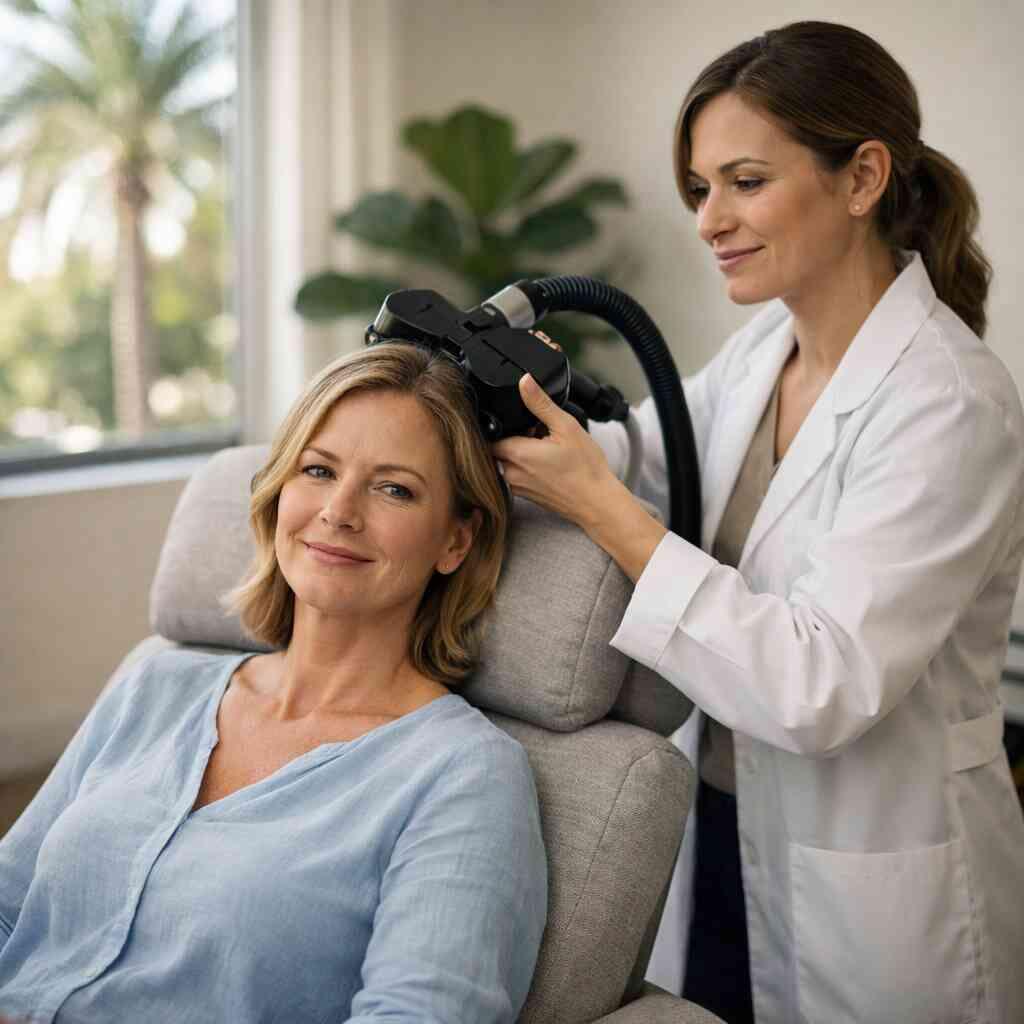
Also ask about the team. You do not need a sales pitch. You need clarity. If the staff cannot explain the difference between a consultation and a medical evaluation, keep looking.
What to know about TMS insurance coverage Florida, does insurance cover TMS in Florida, and TMS cost Florida before you book
Money questions are not side issues. They shape whether treatment is realistic. TMS insurance coverage Florida varies by plan and diagnosis. So does the answer to does insurance cover TMS in Florida. Most clinics should verify benefits before you commit. If they cannot explain that process, be careful.
You should also ask about the full TMS cost Florida picture. That includes consultation, mapping, session count, and whether payment plans are available. The exact price depends on the clinic and your coverage, so no honest provider should invent a number on the spot. For a practical overview, TMS insurance coverage in Florida is a smart place to start.
Florida’s insurance landscape can feel uneven, especially if you split time between states or change plans seasonally. That makes verification even more important. Ask for written benefit details. Ask what is authorized, what is not, and what happens if the claim changes mid-course.
Why local access matters for South Florida communities like Aventura, Coral Gables, Boca Raton, Delray Beach, and Winter Park
Local access changes the whole experience. If you live in Aventura, Coral Gables, Boca Raton, Delray Beach, or Winter Park, a reachable clinic can make the difference between consistency and drop-off. Traffic on US-1, I-95, I-4, or the Turnpike is not a small detail when you are already anxious. It becomes part of the treatment burden.
That is one reason people search for TMS South Florida options close to home. They want continuity. They want a clinic that understands the rhythm of Florida life, from seasonal residents to long commutes to storm-season schedule changes. If you are comparing counties, TMS treatment in Miami-Dade County can be a useful local reference point, and the same applies to Broward, Palm Beach, Orange, and Hillsborough service areas.
One Delray patient told us the biggest relief was not clinical at first. It was practical. “I stopped dreading the drive before I even got there,” they said. That matters. Less friction can mean better follow-through.
What a smart next step looks like if you want compassionate anxiety treatment in Florida without guessing your way through it
If you are ready to move, do it with structure. Pick two or three clinics. Compare evaluation style, insurance handling, and the way they answer questions about anxiety. Ask whether they use PHQ-9, MADRS, or similar tools. Ask who will actually oversee treatment. Ask what happens if your symptoms shift during care.
If you want to look deeper into the broader service menu, transcranial magnetic stimulation therapy for anxiety can help you see how anxiety fits within a larger mental health plan. It is also fair to ask about maintenance sessions, long-term monitoring, and coordination with therapy or psychiatry. TMS maintenance therapy and TMS long-term results are not promises. They are planning topics. Honest planning matters more than hype.
You do not have to solve the whole year tonight. Start with one call. Ask for a real evaluation, not a sales script. If you want a clinic that treats anxiety with care and precision, TMS Treatment Florida is worth a conversation.
Frequently Asked Questions
What is TMS for anxiety, and how does it differ from medication?
TMS for anxiety uses magnetic pulses to influence brain circuits linked to mood and threat response. Medication changes chemistry through the bloodstream. TMS works locally through the scalp, without surgery or anesthesia. That difference matters if you have struggled with side effects, partial response, or medication fatigue. It also means the treatment is usually given in repeated sessions rather than taken daily at home.
Does insurance cover TMS in Florida for anxiety?
Coverage depends on your plan, diagnosis, and medical history. Many plans focus on depression first, especially when there is documentation of failed medications. Some clinics help verify benefits before treatment starts. That matters in Florida, where network rules and authorization details can vary. Always ask for a written explanation before you schedule.
What does a TMS session feel like?
Most people describe tapping, clicking, or a rhythmic sensation on the scalp. The chair is usually comfortable, and sessions are outpatient. Some people feel mild headache or scalp tenderness afterward. Others feel little beyond the sound of the device. A good clinic should prepare you for the sensation in advance so nothing feels surprising.
Is TMS safe if I am already tired from anxiety and antidepressants?
Safety is one of the most important topics to raise. TMS is generally well tolerated, but you should still discuss medical history, seizure risk, bipolar history, and current medications. Side effects are usually mild, though they should never be minimized. A clinic that explains risks clearly and answers questions directly is doing the right thing.
Can TMS help if I have both anxiety and OCD?
It may be part of the conversation. TMS is best known for depression, but many clinics also evaluate people with OCD and related anxiety symptoms. The decision depends on your diagnosis, symptom pattern, and prior treatment history. A careful evaluation helps determine whether TMS OCD therapy, anxiety care, or another plan makes the most sense.
How do I choose the best TMS clinic in Florida?
Look for clinical clarity, not sales language. Ask who oversees treatment, which tools they use to track progress, and how they handle insurance verification. Check whether they have experience with anxiety, depression, PTSD, or OCD when those conditions overlap. You can also ask about locations that fit your daily life, especially if travel is already draining.