TMS for anxiety can fit into a Florida treatment plan when symptoms keep showing up after therapy, medication changes, or both have not brought enough relief. It is usually considered a non-invasive brain stimulation option that may sit alongside counseling, medication management, and other behavioral health care.
If you are reading this because worry keeps looping at night, that feeling is real. It can be exhausting to do “all the right things” and still feel keyed up, tight-chested, or stuck in panic.
Key Takeaways
- TMS for anxiety is usually part of a larger care plan, not a replacement for every other treatment.
- Transcranial magnetic stimulation therapy uses magnetic pulses to target mood circuits without surgery or a daily medication burden.
- In Florida, TMS is often considered when anxiety overlaps with depression, panic, OCD, PTSD, or medication-resistant depression.
- A good evaluation should cover symptoms, medication history, safety, and insurance questions before treatment starts.
- For many patients, the practical questions are location, access, and follow-up care, not just whether TMS sounds promising.
Why anxiety can keep spinning even after therapy and meds have done their job
TMS for anxiety can make sense when anxiety remains severe despite therapy, medication changes, or both. In a Florida treatment plan, it is often considered for people with persistent generalized anxiety, panic symptoms, anxious depression, or mixed mood symptoms that keep returning. The goal is not to promise a cure. It is to add another evidence-based tool when the usual ones have not been enough.
When TMS for anxiety makes sense in a Florida treatment plan
This is the part most people miss: anxiety often does not arrive alone. It may show up with low mood, poor sleep, irritability, and a body that never fully lets go. That is why a Florida mental health clinic may look at the full picture before suggesting transcranial magnetic stimulation therapy.
TMS is often discussed after failed medications, especially when side effects make dose changes hard to tolerate. It can also fit when you want a non-drug depression treatment option that may help mood circuits without adding another daily pill. For people with depression layered under anxiety, the overlap matters. A clinic may also compare TMS depression treatment Florida options with alternative depression treatment plans and talk through whether the main target is anxiety, depression, or both.
One patient from the Boca Raton area described feeling “wired but tired” after several medication switches. Therapy helped with insight, but the physical tension stayed. That is a common reason clinicians start talking about TMS after failed medications: you are not ignoring therapy. You are acknowledging that therapy alone may not reach every symptom.
What Florida patients should know about anxiety, panic, and mixed depression symptoms before choosing transcranial magnetic stimulation therapy
Before you choose TMS, you need a clear diagnosis and a clear goal. Anxiety can look different from panic disorder, OCD, PTSD, or anxious depression. That matters because TMS protocols may differ based on the main symptom pattern. Some clinics also discuss TMS for PTSD Florida or TMS OCD therapy when anxiety sits inside a larger clinical picture.
A careful evaluation usually includes:
- Symptom history and triggers
- Prior medication trials and side effects
- Therapy history, including CBT or EMDR
- Mood screening, often with tools like the PHQ-9 or GAD-7
- Safety review for seizures, implants, or bipolar symptoms
- Insurance and access questions
For readers comparing Florida options, it helps to know that Florida behavioral health services often need to work around busy schedules, seasonal travel, and long drives. Someone in Delray Beach may want a different setup than someone commuting from Winter Park or Coral Gables. That is normal. Access matters because treatment works best when you can actually keep showing up.
What actually happens inside a TMS clinic when anxiety is the main complaint
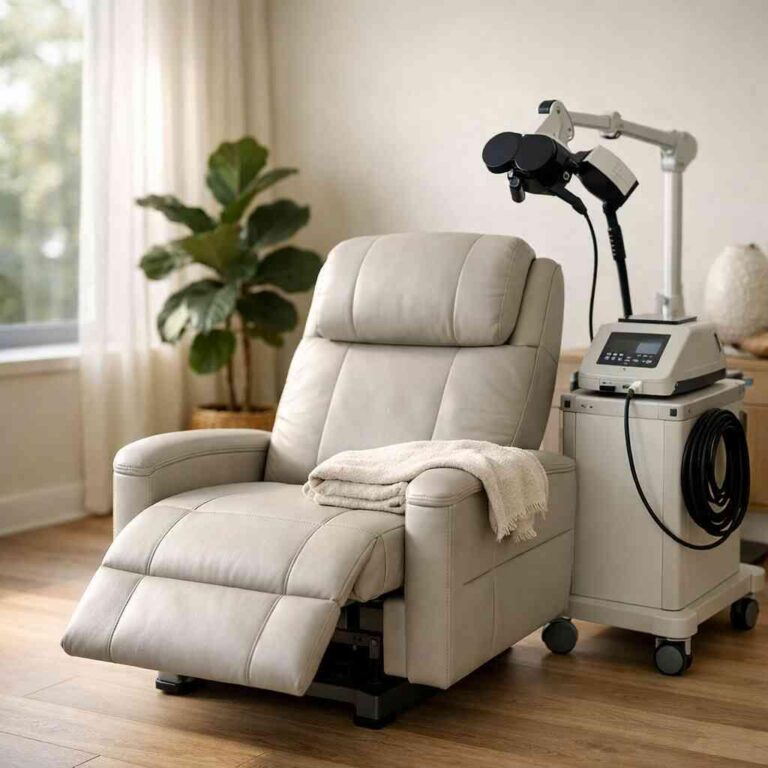
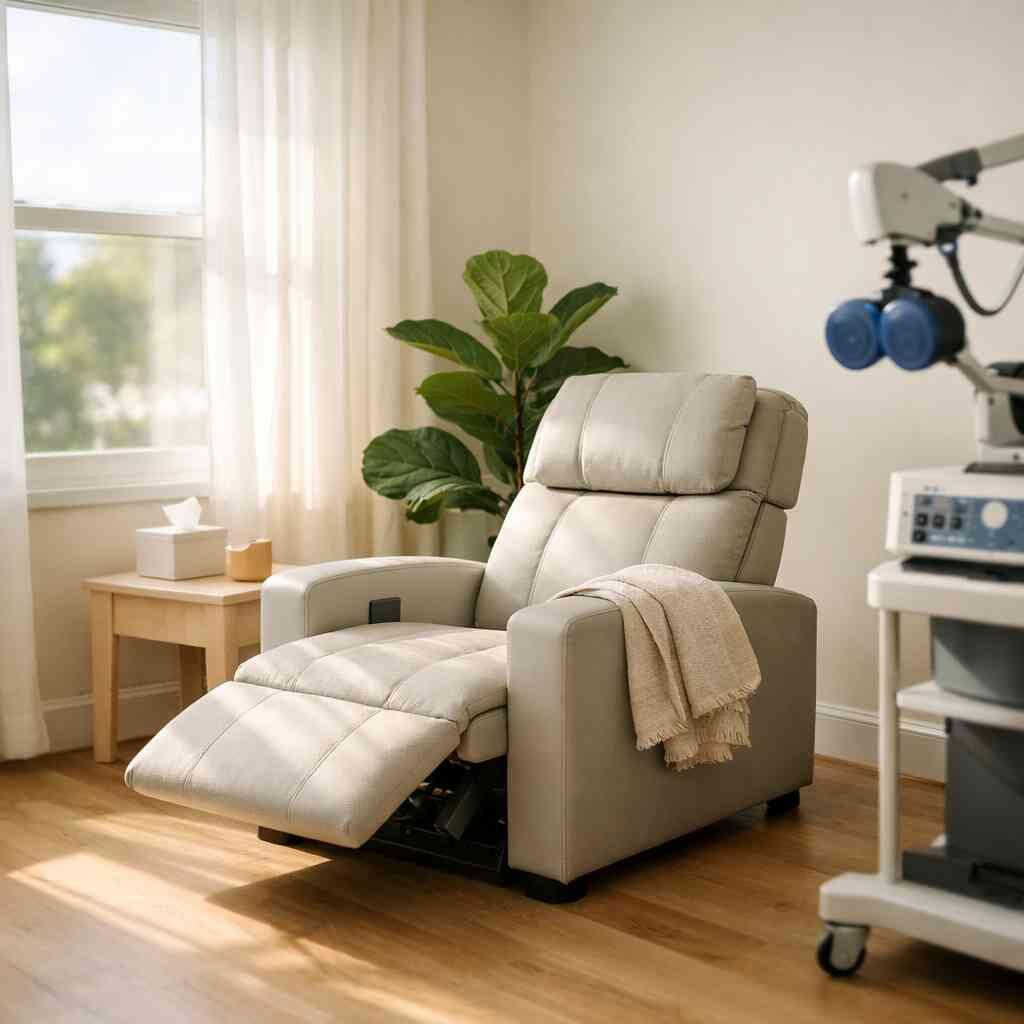
Inside a TMS clinic, the process starts with mapping, not guesswork. The team identifies the area of the brain to target, then delivers magnetic pulses while you sit awake in a chair. Most people describe the experience as odd at first, but manageable. The appeal is simple: non-invasive brain stimulation without anesthesia, surgery, or the sedation that can follow many medication changes.
How non-invasive brain stimulation is mapped to mood circuits without adding daily medication burden
TMS works by using a magnetic coil placed near the scalp to stimulate brain regions involved in mood regulation. That is the basic answer to how does TMS work. In practice, clinics may use repetitive TMS or deep TMS therapy, depending on the protocol and the symptom profile. The goal is to change activity in circuits linked to anxiety and depression over repeated sessions, not in one dramatic moment.
The clinical case for TMS grew from depression research, including broader transcranial magnetic stimulation research that helped shape modern protocols. The FDA has cleared devices such as NeuroStar and BrainsWay for specific uses, and professional guidance from groups like the Clinical TMS Society supports careful patient selection. If anxiety overlaps with depression, a clinic may look at TMS for anxious depression or broader TMS treatments for depression as part of the plan.
Here is a simple comparison:
Treatment pathMain upsideCommon tradeoffMedication changesFamiliar, widely usedSide effects, delayed responseCBT or EMDRStrong skill-buildingCan take time and energyTMSNon-invasive, no daily pill burdenRequires repeated visitsCombined careFlexible and individualizedMore coordinationIf you are also dealing with medication-resistant depression, TMS may be discussed as an FDA-approved depression treatment option rather than a last resort. The evidence base is stronger for depression than for anxiety alone, but many clinicians consider anxiety symptoms within the same circuit-based model. For some patients, that makes TMS feel less like “starting over” and more like finally using a different tool.
What a session at a Florida mental health clinic usually feels like from the chair to the quiet hum of the machine
A typical session is straightforward. You sit in a chair. The team positions the coil. You hear a steady tapping or humming sound. Sessions usually last about 20 to 40 minutes, depending on the protocol. You stay awake, and most people drive themselves home afterward. A few practical details matter: – You may feel tapping or scalp discomfort at first
- A mild headache can happen, especially early on
- Side effects are usually monitored closely for safety
- The clinic should explain what to do if anxiety spikes during treatment


The mistake we see most often is people assuming all TMS clinics run the same way. They do not. A strong Florida clinic should explain TMS side effects safety, how often they monitor response, and what follow-up looks like if symptoms change. If you are comparing TMS near me Florida options, ask how they track progress and coordinate with your therapist or prescriber.
Florida patients often ask about TMS cost Florida and whether does insurance cover TMS in Florida applies to anxiety. Coverage rules can be narrow, and many plans are clearer about depression than anxiety alone. That is why timing, referral paperwork, and benefits verification matter so much. If you are searching for a TMS clinic Miami, TMS Fort Lauderdale, TMS West Palm Beach, TMS Orlando, or TMS Tampa, access and insurance checks can be just as important as the treatment itself.
If medication or therapy has not been enough, TMS Treatment Florida can help you sort through screening, local access, and confidential care options across the state. You do not need to make the whole decision tonight. If you want help thinking it through, call the 24/7 helpline at +1 888-688-3036.
Frequently Asked Questions
Does TMS help with anxiety?
TMS may help some people whose anxiety is tied to depression, OCD, PTSD, or medication-resistant symptoms. The best evidence is still stronger for depression than for anxiety alone, so a careful evaluation matters. A clinic should explain whether your symptoms fit a TMS-friendly pattern or whether another treatment should come first.
How long does TMS take to work for anxiety?
Most people need repeated sessions before they can judge response. Clinics often track symptoms over time with tools like the PHQ-9 or GAD-7, then adjust the plan based on that trend. It is not an instant fix, and that is important to know before you start.
Is TMS safe if I have panic attacks?
TMS is generally considered non-invasive, and many patients with panic symptoms tolerate it well. A good clinic will still review your history, including seizures, implants, bipolar symptoms, and medication changes. If panic is severe, the team should build in support and pacing.
Will insurance pay for TMS in Florida?
Sometimes, but coverage depends on the diagnosis and the plan. Many insurers have clearer coverage rules for depression than for anxiety alone. Ask for benefits verification before you commit, and review both authorization rules and possible out-of-pocket costs.
Can TMS be combined with CBT or EMDR?
Yes. Many treatment plans combine TMS with therapy, especially when the person needs both symptom relief and coping skills. TMS may help reduce the intensity of the symptoms, while CBT or EMDR helps you work on triggers, thoughts, and body responses.
What should I ask before choosing a TMS clinic?
Ask who evaluates you, how they track results, what device they use, how they handle side effects, and whether they coordinate with your therapist or psychiatrist. Also ask about insurance, session frequency, and what happens if your schedule changes. Those answers tell you a lot about fit.