TMS therapy in Florida is a non-invasive brain stimulation treatment that uses magnetic pulses to help reset underactive mood circuits, most often for depression and sometimes for anxiety, OCD, and related conditions. If pills have started to feel like static and therapy alone is not moving the needle, that shift can feel both hopeful and exhausting.
Key Takeaways
- Transcranial magnetic stimulation therapy is an office-based, non-drug treatment that uses focused magnetic pulses to stimulate areas of the brain linked to mood and motivation.
- TMS depression treatment Florida is most often considered when someone has medication-resistant depression or has not responded well to prior antidepressants.
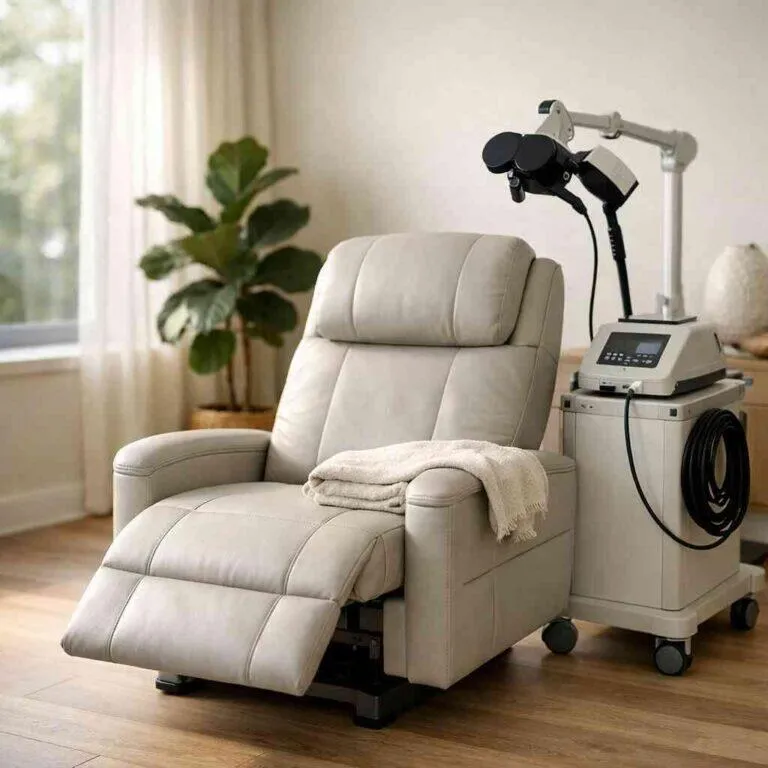
- A typical session feels like sitting in a chair while a magnetic coil clicks against the scalp; most people stay awake and return to normal activity right after.
- TMS may also be discussed for TMS for anxiety, TMS OCD therapy, and some mood-related conditions, but your eligibility depends on screening and diagnosis.
- Safety screening matters. A qualified clinic reviews history, symptoms, medications, and risks before treatment starts, and insurance rules vary by plan and diagnosis.
When the blur of antidepressants and therapy sessions keeps getting heavier: what TMS in Florida actually changes
TMS treatment Florida is different because it does not add another pill to the mix. It targets brain activity directly with non-invasive brain stimulation, which is why many people look into it after medication side effects, a partial response, or repeated setbacks. For people exhausted by trial-and-error care, that difference can matter a lot.
Why medication-resistant depression and treatment fatigue push people to look for non-drug depression treatment
Medication-resistant depression usually means one or more antidepressants did not help enough, or the side effects were too difficult to tolerate. That is often when people start searching for TMS after failed medications, alternative depression treatment, or non-drug depression treatment that does not blunt energy or focus. The frustration is real. So is the fatigue.
One patient we hear about often is someone who has tried two antidepressants, a dose change, and weekly therapy, yet still feels flat, slow, and overwhelmed. That person is not failing treatment. The treatment plan may simply need a different tool. TMS can be that tool when a psychiatrist determines it fits the diagnosis and medical history.
What transcranial magnetic stimulation therapy feels like from the chair to the click of the machine
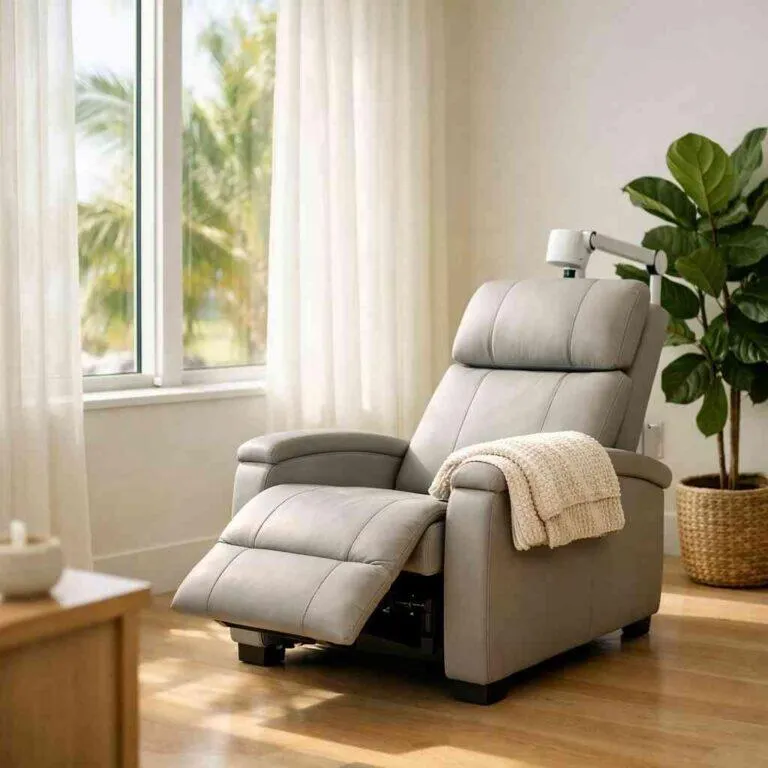
Most people are surprised by how ordinary the room feels. You sit in a chair, a clinician places a magnetic coil near the scalp, and the device makes a steady clicking sound during the session. The treatment itself is usually well tolerated, and people often read, listen to music, or simply rest between pulses.
A common question is, “What does it actually feel like?” The honest answer is that it can feel like tapping or a light pulsing sensation on the head, especially at first. Sessions are brief compared with a full therapy appointment, and you can usually drive yourself home afterward unless your clinic advises otherwise. If you want a plain-language overview, this guide to non-invasive brain stimulation is a helpful place to start.
How Florida patients compare TMS for anxiety, OCD, and mood symptoms when the old plan is no longer enough
People across Florida ask about TMS for anxiety, TMS OCD therapy, and TMS for bipolar depression because symptoms rarely show up alone. Anxiety can ride on top of depression. OCD can make thought loops feel impossible to break. For some patients, mood symptoms and cravings also overlap with TMS addiction recovery or TMS for substance use disorder discussions.
Here is the part most online guides skip: not every symptom cluster gets treated the same way. A clinic may focus first on depression if that is the primary diagnosis, then consider whether anxiety, OCD, or trauma symptoms also deserve attention. That is why a careful consult matters more than a generic promise.
Common questionPractical answerIs it only for depression?No, but depression has the strongest evidence base.Can it help anxiety or OCD?It may be considered in some cases, depending on the diagnosis and clinic protocol.Is it a quick fix?No. It is a course of treatment, not a one-time session.Is it medication-free?Yes, the treatment itself is non-drug.For people comparing options in South Florida, access can matter as much as symptom fit. A clinic search for TMS near me Florida may lead you toward a TMS clinic Miami, TMS Fort Lauderdale, or TMS West Palm Beach location, especially if you live in Aventura, Coral Gables, Boca Raton, Delray Beach, or Winter Park and need something realistic to keep attending.
The quiet mechanics behind magnetic brain therapy and why it is not just another mental health treatment
TMS is not talk therapy, and it is not medication. It is a targeted form of magnetic brain therapy that changes how specific brain circuits fire over time. For depression, the goal is to stimulate areas involved in mood, attention, and motivation. For some conditions, clinics may also discuss related protocols such as repetitive TMS or deep TMS therapy. 
How repetitive TMS and deep TMS therapy target brain circuits tied to mood, cravings, and focus
Repetitive TMS delivers a series of magnetic pulses over repeated sessions. Deep TMS therapy uses a different coil design to reach broader or deeper brain regions, depending on the protocol. The choice between them depends on diagnosis, clinic equipment, and the treatment goal. Some Florida clinics use deep stimulation for certain cases because it may better match the circuit being targeted.
The evidence for depression is serious, not theoretical. Reviews and clinical guidance commonly reference the 2018 Stanford-led work by Carpenter and colleagues, along with broader professional guidance from the Clinical TMS Society and the American Psychiatric Association. TMS is also recognized as an FDA-approved depression treatment for specific indications, though device use and candidacy still need individualized medical review.
For patients asking about cravings, the research is growing rather than settled. Studies from places such as the Medical University of South Carolina have helped build interest in rTMS for craving-related symptoms, which is why some people exploring alcohol addiction brain stimulation or TMS for smoking cessation bring it up during screening.
What a real Florida screening looks like using PHQ-9, MADRS, history, and safety review before treatment starts
A good Florida mental health clinic does not start with the machine. It starts with screening. That can include a symptom history, prior medication review, seizure risk screening, and rating scales such as the PHQ-9 or MADRS so the team can track change in a consistent way. The Florida Agency for Health Care Administration also sets expectations for outpatient clinic oversight, so the setting should feel organized and medically accountable.
A thoughtful evaluation may also cover:
- Past antidepressants and why they stopped
- Sleep, substance use, and trauma history
- Bipolar symptoms or mania risk
- Head injury or seizure history
- Current medications and supplements
If you are looking for an overview of local care pathways, the site’s depression treatment page explains how a treatment plan is usually structured. If anxiety is the main issue, the anxiety treatment page is the more relevant next read. You may also want to review how to compare TMS clinics in Miami, Fort Lauderdale, and Tampa if location and provider fit are part of your decision.
One note that matters: if a clinic skips screening or rushes the consult, that is a problem. Good care feels calm, clear, and specific.
Which concerns people ask most about TMS side effects safety, TMS after failed medications, and insurance coverage in Florida
Most people want to know two things right away: “Is it safe?” and “Will insurance help pay for it?” For many patients, the answer is that TMS side effects safety is generally favorable compared with systemic medication side effects, but it still needs a medical review. Headache, scalp discomfort, or fatigue can happen. Serious risks are uncommon, but they must be discussed honestly.
Insurance is its own maze. Does insurance cover TMS in Florida? Sometimes yes, depending on the plan, diagnosis, documentation, and prior treatment history. For depression, insurance often asks for evidence of failed medications and therapy history. For more detail, the clinic’s insurance and costs page is the right place to check, because TMS cost Florida varies by coverage and protocol. If you want a broader overview, this article on how TMS works for medication-resistant depression and this one on why insurance covers TMS therapy for depression are useful starting points.
If you are comparing clinics, ask how they document outcomes, how they handle prior authorization, and whether they coordinate with a TMS psychiatrist Florida patients can trust. Those questions save time. They also save hope.
Frequently Asked Questions
Question: What is TMS therapy in Florida, and how does TMS work for people looking for non-invasive brain stimulation?
Answer: TMS treatment Florida uses transcranial magnetic stimulation therapy to deliver focused magnetic pulses to specific areas of the brain involved in mood and motivation. In simple terms, it is a form of magnetic brain therapy that aims to support healthier brain activity without surgery or daily medication. Because it is non-invasive brain stimulation, most people remain awake during sessions and can usually return to normal activities afterward. For someone searching for an alternative depression treatment or non-drug depression treatment, this can feel like a meaningful option when traditional care has not been enough.
Question: Is TMS depression treatment Florida a good option for medication resistant depression and TMS after failed medications?
Answer: TMS depression treatment Florida is often considered when someone has medication-resistant depression or has not responded well to prior antidepressants. That is one reason people search for TMS after failed medications or a new alternative depression treatment. A careful Florida mental health clinic will first review symptoms, treatment history, and safety considerations before recommending a plan. At TMS Treatment Florida, the goal is to provide personalized care that fits the individual rather than forcing another one-size-fits-all approach. While no clinic should promise specific outcomes, many patients appreciate having a non-drug option that is designed to work alongside thoughtful psychiatric evaluation.
Question: Can TMS help with TMS for anxiety, TMS OCD therapy, TMS for PTSD Florida, or TMS for bipolar depression?
Answer: TMS is most established as an FDA-approved depression treatment for certain indications, but clinics may also discuss it for TMS for anxiety, TMS OCD therapy, TMS for PTSD Florida, and TMS for bipolar depression depending on the diagnosis and medical screening. Because symptoms often overlap, especially in Florida behavioral health settings, a qualified provider will look at the full picture before suggesting treatment. That may include whether someone also needs support for trauma, intrusive thoughts, or mood instability. The key is not to assume every case is the same. A responsible clinic focuses on screening, safety, and whether the protocol is appropriate for the person in front of them.
Question: What should I expect during screening, and what do TMS side effects safety and TMS insurance coverage Florida usually involve?
Answer: A good screening for transcranial magnetic stimulation therapy usually starts with a detailed consultation, symptom review, medication history, and a safety check. Some clinics also use tools like PHQ-9 or MADRS to track progress over time. This process helps determine whether TMS is appropriate and whether there are any risks that need special attention. In terms of TMS side effects safety, many people tolerate treatment well, though headache, scalp discomfort, or fatigue can happen. Insurance is different for each plan, so does insurance cover TMS in Florida depends on diagnosis, documentation, and medical necessity requirements. If you are comparing TMS cost Florida and coverage, it is best to ask the clinic directly about prior authorization and what your plan may require.
Question: How do I choose the best TMS clinic Florida if I am searching for TMS near me Florida, TMS clinic Miami, TMS Fort Lauderdale, or TMS West Palm Beach?
Answer: When people search for TMS near me Florida, they are usually looking for convenience, trust, and a clinic that feels medically responsible. Whether you are comparing a TMS clinic Miami, TMS Fort Lauderdale, TMS West Palm Beach, TMS South Florida, TMS Orlando, or TMS Tampa location, the most important questions are the same: Do they explain how does TMS work clearly? Do they screen carefully? Do they discuss TMS long-term results, TMS maintenance therapy, and TMS therapy success rate without overpromising? Do they have a TMS psychiatrist Florida patients can consult with directly? A strong clinic should feel compassionate, organized, and transparent about treatment planning, insurance, and follow-up care. If you are seeking support for depression, anxiety, OCD, or even dual diagnosis treatment Florida needs, the right fit should make you feel informed, respected, and never rushed.