
TMS works by using focused magnetic pulses to stimulate underactive brain circuits involved in mood, especially when medication-resistant depression has not improved with SSRIs or SNRIs. It is a form of non-invasive brain stimulation that can help reset signaling without sedation, anesthesia, or daily systemic side effects.
Key Takeaways
- How does TMS work? It delivers magnetic pulses to targeted brain areas linked to mood, which can help improve communication in circuits affected by depression.
- TMS depression treatment Florida is often considered after failed medications, unwanted side effects, or repeated relapse, especially when you want a non-drug depression treatment option.
- TMS is generally discussed as an FDA approved depression treatment for major depressive disorder, but device type, protocol, and screening matter.
- Repetitive TMS and deep TMS therapy are both used in mental health care, but they differ in coil design, depth of stimulation, and common clinical uses.
- Insurance, cost, and fit vary. If you are comparing TMS insurance coverage in Florida, screening and benefits verification usually come before treatment starts.
When medication-resistant depression turns every morning into a rerun
Medication-resistant depression means antidepressants have not brought enough relief, even after good-faith trials at proper doses and durations. TMS offers a different path: it does not rely on medication chemistry. Instead, it uses targeted magnetic stimulation to influence the brain networks that regulate mood, energy, and concentration.
Why SSRIs and SNRIs can stop helping even when you are still doing everything right
This part is genuinely confusing for most people. You may be taking the medication, sleeping a little better, and still feel flat, heavy, or unable to start the day. That does not mean you failed treatment. It often means the depression has become less responsive to the same mechanism.
In clinic, we hear this story often: the first medication helped for a while, then stopped. Another caused nausea, sexual side effects, or emotional blunting. A third barely touched the low mood. That is when people start searching for alternative depression treatment or TMS after failed medications. If you want a plain-language overview of the Florida care pathway, this guide to TMS in Florida is a useful place to start.
For context, major depression is often measured with tools like the PHQ-9 or MADRS so clinicians can track change, not just guess at it. The American Psychiatric Association and other professional groups support TMS as a serious option for appropriate patients, and the evidence base has expanded over time, including studies such as the Stanford work led by Carpenter and colleagues.
What TMS depression treatment Florida looks like when pills, side effects, and relapse have already worn you down
If you are in Florida and your meds have not been enough, TMS can feel like the first option that is not another pill. It is typically an outpatient process, which means you stay awake, sit in a chair, and go home afterward. No sedation. No recovery room.
A typical plan starts with screening, then mapping the treatment target, then a series of short sessions over several weeks. In many cases, people look for a TMS clinic Miami, TMS Fort Lauderdale, TMS West Palm Beach, TMS Orlando, or TMS Tampa because they want access without a long drive. Seasonal residents and traffic patterns matter here too; a clinic near Aventura, Coral Gables, Boca Raton, Delray Beach, or Winter Park can make attendance much easier.
Here is the part most people miss: good TMS care is not only about the machine. It is also about evaluation, follow-up, and coordination with your prescriber or therapist. If you are comparing clinics, the locations page and the insurance and costs page can help you understand access, benefits checks, and practical logistics.
What actually happens inside the coil when repetitive TMS starts changing the signal
TMS works by placing a coil against the scalp and sending brief magnetic pulses into a specific part of the brain, usually the prefrontal cortex for depression. Those pulses create small electrical currents that influence neural activity. Over repeated sessions, that stimulation may help normalize brain circuits involved in mood, attention, and emotional regulation.
How transcranial magnetic stimulation therapy targets the brain circuits tied to mood without sedation or anesthesia
Transcranial magnetic stimulation therapy is a precise form of magnetic brain therapy. The patient stays awake. The clinic team positions the coil over the target area and delivers pulses in short trains. Most sessions take about 20 to 40 minutes, though exact timing depends on the protocol.
A simple way to picture it: depression can act like a dimmed circuit. TMS does not force happiness. It aims to improve communication in the network so the brain can respond better to therapy, daily routines, and medication when medication is still part of the plan. That is why people often call it a non-drug depression treatment rather than a replacement for everything else.
Safety matters too. Most patients ask about TMS side effects safety, and that is the right question. Common side effects are usually mild, such as scalp discomfort or a brief headache. Serious complications are uncommon, but screening is essential, especially if you have a seizure history or certain implants.
TMS therapy success rate is not the same for everyone, and honest clinics should say that. Response depends on diagnosis, protocol, session consistency, and whether depression is the only issue or part of a broader picture. For people exploring a Florida mental health clinic, that honesty is more helpful than hype.
Why deep TMS therapy and repetitive TMS are discussed differently for depression, anxiety, and OCD
Repetitive TMS refers to the repeated pulse pattern itself. Deep TMS therapy uses a different coil design that can reach deeper or broader brain regions. Both are forms of stimulation, but they are not interchangeable in every situation.
FeatureRepetitive TMSDeep TMS therapyCoil styleStandard focal coilH-shaped or deeper-reaching coilCommon useDepression, some anxiety protocolsDepression, TMS OCD therapy, some cravings researchSession feelMild tapping or clickingSimilar, sometimes broader sensationClinical focusPrecise surface targetingWider stimulation fieldFor TMS for anxiety, TMS OCD therapy, and TMS for PTSD Florida, clinicians may discuss different targets and protocols because the symptom patterns are not identical. The same is true for TMS for bipolar depression, where careful screening matters. A strong clinic will not oversell. It will explain where the evidence is solid and where research is still growing.
That is also true in addiction care. Research on rTMS for cravings, including work discussed by groups such as the Medical University of South Carolina, has been growing. Still, TMS addiction recovery or TMS for substance use disorder should be viewed as a possible support, not a standalone cure. If you are comparing options for dual diagnosis treatment Florida or addiction rehab Florida, the addiction TMS page can help you see how TMS may fit alongside recovery care.
If you want a broader read on clinical uses, the science and innovation category is helpful, and the depression treatment page gives a closer look at depressive disorders. For people weighing TMS for teen depression or TMS for young adults, that nuance matters even more, because evaluation should be careful, age-appropriate, and individualized.
How Florida patients decide whether TMS is the next move or just another promise
TMS is worth considering when depression has not improved after well-run medication trials, but the decision should be grounded in screening, coverage, and fit. Most Florida clinics verify benefits, review history, and confirm whether the patient is likely to tolerate and benefit from treatment before scheduling a full course.
What screening, insurance verification, and cost questions usually look like at a TMS clinic Miami Fort Lauderdale West Palm Beach Orlando or Tampa
A good intake usually covers diagnosis, past medications, therapy history, suicide risk, implanted devices, and any seizure history. Many people also ask, does insurance cover TMS in Florida? Sometimes yes, sometimes partially, and sometimes only after prior authorization. Coverage often depends on medical necessity and past treatment history. Here is a practical view: QuestionWhat clinics usually checkAm I a candidate?Diagnosis, failed medications, medical historyWill insurance help?Plan rules, prior authorization, diagnosis criteriaWhat will it cost?Copays, deductibles, out-of-network statusHow long does it take?Usually several weeks of sessionsCan I keep working?Often yes, because there is no sedationFor people searching TMS near me Florida or best TMS clinic Florida, the smartest move is not to chase a promise. It is to ask whether the clinic documents outcomes, uses standardized scales, and explains the full plan clearly. If you want to check related services or provider details, the about page and the FAQ page can help. 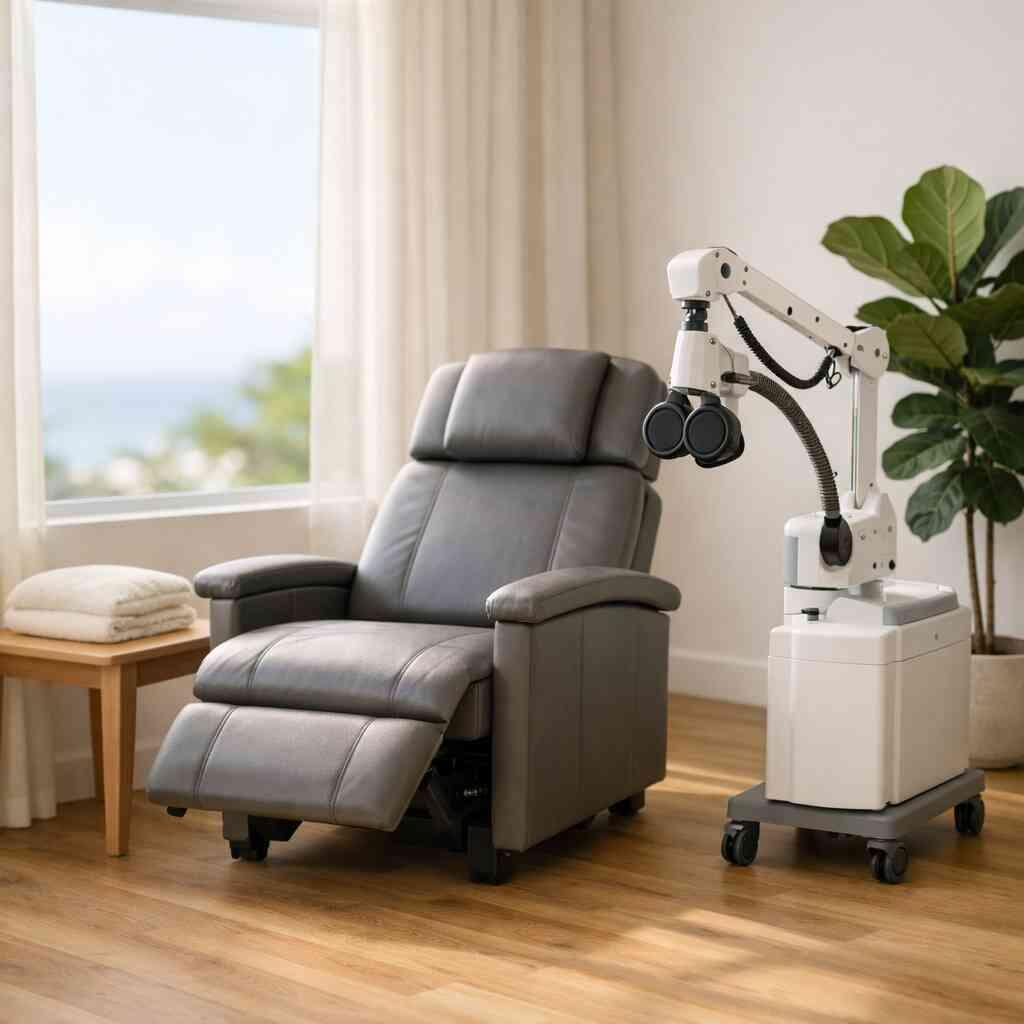
Why maintenance therapy, long-term results, and support for TMS for anxiety TMS OCD therapy TMS for PTSD Florida and TMS for bipolar depression can shape the plan after the first round
TMS is not always a one-and-done decision. Some people do well and later consider TMS maintenance therapy if symptoms return. Others need a different rhythm: booster sessions, therapy support, or medication adjustments. The real goal is TMS long-term results that fit your life, not a short burst of hope that fades.
One patient we saw in South Florida described it plainly: “I was functioning, but barely.” That is common. The person was commuting from near Boca Raton, juggling work, and had already tried two antidepressants that caused intolerable fatigue. Once the team mapped the protocol and clarified insurance, the treatment felt less mysterious and more manageable. That shift alone can matter.
If depression overlaps with OCD, anxiety, PTSD, or bipolar depression, the treatment plan may need extra care. The right clinic will not promise the same pathway for every diagnosis. It will explain the evidence, discuss the likely pace, and keep your psychiatrist or therapist in the loop when appropriate.
People also ask
How does TMS work for depression?
TMS works by sending magnetic pulses to targeted brain areas involved in mood regulation, usually the left prefrontal cortex. Those pulses influence neural activity and may help improve communication in circuits that are underactive in depression. It is outpatient, non-invasive, and does not require anesthesia.
Is TMS an FDA approved depression treatment?
TMS is widely used as an FDA cleared treatment for certain depressive disorders, but the exact approval language depends on the device and indication. A clinic should explain which device it uses and why it fits your diagnosis. Do not rely on marketing copy alone.
What are the side effects of TMS?
The most common side effects are scalp discomfort, facial twitching during pulses, and mild headache. These are usually temporary. Serious risks are uncommon, but screening matters, especially for anyone with a seizure history or metal implants near the head.
Does insurance cover TMS in Florida?
Often, yes, but coverage depends on your plan, diagnosis, prior treatment history, and prior authorization. Some plans require proof of medication trials and psychotherapy history. A clinic that verifies benefits early can save you a lot of time.
How long does TMS treatment take to work?
Many treatment plans last several weeks, with sessions several days a week. Some people notice changes gradually, while others need the full course before improvement becomes clear. Clinics should track progress with tools like PHQ-9 or MADRS rather than relying on guesswork.
Can TMS help with anxiety, OCD, or PTSD?
TMS is most established for depression, but it is also used in some settings for anxiety, OCD, and PTSD-related symptoms. The protocol and target matter. These uses should be discussed carefully, because the evidence and coverage rules are not identical across conditions.
If medication has not been enough, TMS Treatment Florida can help you understand a noninvasive option and connect you with confidential care resources anywhere in Florida. If you are ready to talk with someone who can walk you through screening, insurance questions, and local access, call the 24/7 helpline at +18886883036.
Frequently Asked Questions
Question: How does TMS work for medication resistant depression, and why do people choose transcranial magnetic stimulation therapy after failed medications?
Answer: TMS works by delivering focused magnetic pulses to specific brain regions involved in mood regulation, most often the prefrontal cortex. For people with medication-resistant depression, this approach can be appealing because it does not rely on medication chemistry and does not require sedation or anesthesia. Instead, transcranial magnetic stimulation therapy is designed to influence underactive neural circuits linked to mood, concentration, and motivation. Many people explore TMS after failed medications when SSRIs or SNRIs have not provided enough relief or have caused unwanted side effects. At TMS Treatment Florida, the goal is to offer a compassionate, carefully screened path forward that fits the individual, whether they are looking for a non-invasive brain stimulation option, a non-drug depression treatment, or a clinically guided alternative depression treatment in Florida.
Question: Is TMS depression treatment Florida considered an FDA approved depression treatment, and how do repetitive TMS and deep TMS therapy differ?
Answer: TMS is widely used as an FDA approved depression treatment for certain depressive disorders, but the exact indication depends on the device and protocol being used. That is why a responsible clinic should clearly explain what system is being used and how it fits your diagnosis. Repetitive TMS refers to a stimulation pattern that delivers repeated pulses to a targeted area of the brain, while deep TMS therapy uses a different coil design that may reach broader or deeper brain regions. Both are forms of magnetic brain therapy, but they are not identical in application. At TMS Treatment Florida, the team can help patients understand the differences in a straightforward way so they can make an informed decision. This is especially important for people comparing options for TMS depression treatment Florida, TMS for anxiety, TMS OCD therapy, or TMS for PTSD Florida.
Question: What should I expect from TMS side effects safety, TMS therapy success rate, and the overall experience at a TMS clinic Miami, TMS Fort Lauderdale, TMS West Palm Beach, TMS Orlando, or TMS Tampa?
Answer: Most people tolerate TMS well, and common side effects are usually mild, such as scalp discomfort, facial twitching during pulses, or a temporary headache. That said, TMS side effects safety should always be reviewed carefully during screening, especially if a person has a seizure history or certain implants. As for TMS therapy success rate, it is important to be cautious and realistic: results vary from person to person, and no clinic should promise a specific outcome. A good clinic will track progress with standardized tools and review your history, symptoms, and goals throughout treatment. At TMS Treatment Florida, patients in South Florida and across the state can expect an outpatient experience that is structured, supportive, and designed to respect their time and comfort. Whether someone is searching for a TMS clinic Miami, TMS Fort Lauderdale, TMS West Palm Beach, TMS Orlando, or TMS Tampa, the priority should be individualized care rather than hype.
Question: How does the blog How Does TMS Work for Medication Resistant Depression relate to TMS insurance coverage Florida and does insurance cover TMS in Florida?
Answer: The blog focuses on how TMS can help when depression has not responded well to medication, but practical access matters too. Many patients want to know, does insurance cover TMS in Florida? In many cases, insurance may help, but coverage depends on the plan, diagnosis, prior treatment history, and whether prior authorization is required. That is why TMS insurance coverage Florida is often checked before a full course begins. A clinic that verifies benefits early can save patients time and reduce stress. At TMS Treatment Florida, the intake process is designed to help people understand whether they may qualify, what documentation may be needed, and what the likely financial pathway looks like before treatment starts. This can be especially helpful for people comparing TMS cost Florida, TMS near me Florida, or best TMS clinic Florida options.
Question: Can TMS help with TMS for anxiety, TMS OCD therapy, TMS for bipolar depression, or TMS addiction recovery and TMS for substance use disorder?
Answer: TMS is most established for depression, but it is also used in some clinical settings for anxiety, OCD, PTSD-related symptoms, and carefully screened cases of bipolar depression. For TMS addiction recovery and TMS for substance use disorder, research is still evolving, and it should be viewed as a possible support rather than a standalone cure. Some patients may also ask about TMS for smoking cessation or alcohol addiction brain stimulation, especially when they have a dual diagnosis treatment Florida need. In those situations, the protocol and treatment goals need to be individualized. At TMS Treatment Florida, the focus is on thoughtful evaluation, realistic expectations, and integrated care that may include coordination with therapy or psychiatric support. Patients interested in a TMS and EMDR combination or broader Florida behavioral health support should discuss their full clinical picture so the care plan can be tailored appropriately.


