When PTSD keeps replaying the same scene and meds keep falling flat
If you are reading this with that tight, exhausted feeling in your chest, that makes sense. PTSD can keep replaying danger long after the danger is gone. Sleep gets shallow. Muscles stay braced. Medication can help some people, but sometimes it blunts more than it heals. That is often when people start searching for TMS treatment Florida for PTSD support and wondering whether there is another path.
Why trauma can linger even when therapy and medication have already been tried
PTSD does not always respond in a neat, linear way. You may have already tried therapy, an SSRI, a dose change, or a second medication. Still, the alarm system feels stuck on. That can leave you discouraged, especially if you have done everything “right.” We hear this from clients almost every week.
Here is the part most people miss: trauma lives in both memory and body state. Your mind can know you are safe while your nervous system still reacts as if you are not. That mismatch is draining. It can also make people feel broken when the real issue is that the brain needs a different kind of input.
What transcranial magnetic stimulation therapy is doing in the brain without adding more pills
Transcranial magnetic stimulation therapy uses focused magnetic pulses to influence brain activity from outside the head. It is a form of non-invasive brain stimulation, which means no surgery and no implanted device. Many patients like that it does not add another pill burden. In simple terms, it tries to nudge circuits involved in mood, attention, and threat processing.
If you want a plain explanation of how TMS work, think of it as repeated, targeted stimulation that may help the brain rebalance how certain networks communicate. For depression, this is often described as an FDA approved depression treatment for people with medication resistant depression. For trauma, the evidence base is still growing, but interest is real. The most careful conversations rely on transcranial magnetic stimulation research, not hype.
One client in Boca Raton described it this way: the medications made her feel foggy, but the fear still hit hard at night. She wanted something that felt less numbing and more precise. That is exactly why people explore magnetic brain therapy and ask about non-drug depression treatment alongside trauma care.
Where TMS for PTSD Florida fits for people who feel stuck after failed medications
TMS for PTSD Florida is usually considered when symptoms keep interfering with daily life and standard care has not been enough. It may sit alongside therapy, sleep work, or medication management. It is not a magic reset. Still, for some people, it offers a structured option after failed medications have not helped.
Florida readers often ask about TMS treatment Florida for depression, TMS for anxiety, and trauma support in the same breath. That is common. PTSD rarely travels alone. Anxiety, low mood, and irritability can move in together and make everything feel louder. In a good clinic, the conversation stays broad enough to match your real symptoms, not just one diagnosis code.
Why Florida readers are asking whether TMS can calm the nervous system instead of numbing it
People want relief, but they also want to feel like themselves. That is why interest in TMS treatment Florida keeps growing. Many readers are tired of side effects, tired of guessing, and tired of trying treatments that flatten their day. They want something that feels more targeted.
How repetitive TMS and deep TMS therapy are used in real clinics
In practice, clinics may use repetitive TMS or deep TMS therapy depending on the target, device, and diagnosis. Both use magnetic pulses. The difference lies in how deeply and broadly the stimulation reaches brain tissue. If you are comparing options, a good resource is deep TMS therapy and repetitive TMS in Florida.
For depression, the best-known evidence includes the 2018 Stanford work by Carpenter and colleagues on accelerated protocols, plus broader clinical guidance from the Clinical TMS Society and APA-aligned practice discussions. For PTSD, the conversation is more cautious. That is appropriate. Trauma care should never be sold like a guarantee. It should be offered as a thoughtful option with clear boundaries.
What the research says about TMS therapy success rate without promising a personal outcome
People search TMS therapy success rate because they want honest odds, not marketing fluff. That is fair. Research can show trends across groups, but it cannot promise what will happen for you. Different diagnoses, medications, sleep patterns, and trauma histories all matter. So does consistency with visits.
A more useful question is often: what do outcome measures show over time? In depression care, clinicians commonly track scores like the PHQ-9 or MADRS. Those tools help show movement in symptoms, even when progress feels subtle day to day. For PTSD support, that same measured approach matters even more. It keeps the work grounded.
Why TMS side effects safety matters more than another round of trial and error
Safety matters because people are already worn down. The good news is that TMS side effects safety is usually part of every serious consult. Common issues can include scalp discomfort, headache, or temporary fatigue. Serious risks are uncommon, but they still need to be discussed plainly. If a clinic rushes past this part, that is a bad sign.
You can review a practical overview of TMS side effects and safety guidance. What matters most is careful screening and ongoing monitoring. A responsible clinic will talk about seizure risk factors, hearing protection, and session tolerance. If you already feel medically worn out, you deserve a plan that respects that fatigue.
How TMS and EMDR combination may be discussed when trauma work still feels unfinished
Some people have done trauma therapy, but the body still reacts. In those cases, a clinician may discuss TMS and EMDR combination as part of a broader plan. They are different tools. EMDR works through trauma processing and memory networks. TMS works through brain stimulation and circuit modulation. They can complement each other in the right setting.
On the projects we have seen this year, the best results in care planning came when treatment matched the person’s stage of readiness. If you are too flooded for deep processing, support may need to start with stabilization. That is not failure. That is pacing. It is also why a thoughtful Florida mental health clinic locations for TMS page can help you compare care settings.
What a real TMS treatment plan looks like in a Florida mental health clinic
A good treatment plan feels organized, not mysterious. You should know who is evaluating you, what they are measuring, and how they will adjust care. In Florida, that matters even more because seasonal residents, busy work schedules, and insurance differences can complicate follow-through. A clear plan saves energy.
How a TMS psychiatrist Florida typically starts with screening, history, and symptom tracking
A TMS psychiatrist Florida usually begins with a detailed review of symptoms, past treatment, medical history, and safety factors. They should ask about medications, sleep, substance use, head injury, seizure history, and current trauma symptoms. They may also want to know what felt helpful before and what made things worse. That screening helps determine whether TMS is appropriate.
This is also where Florida rules matter. Outpatient settings should follow Florida Agency for Health Care Administration expectations for safe operation and documentation. Good clinics do not hide the process. They explain it. If you want to read more about team standards, see the about-us page and verify credentials directly.
Which tools such as PHQ 9 and MADRS help measure change over time
Clinics often use the PHQ-9 and MADRS to track symptoms from baseline through treatment. These tools are not the whole story, but they help make change visible. That matters because memory can be unreliable when you are depressed or traumatized. Numbers can show patterns that mood alone misses.
Here is a simple comparison:
ToolWhat it measuresWhy clinics use itPHQ-9Depression symptom severityEasy, quick, and familiarMADRSDepression change over timeSensitive to smaller shiftsSymptom checklistsPTSD, anxiety, sleep, irritabilityHelps match treatment to lived experience
If you are also dealing with depression, a linked overview of non-invasive brain stimulation for medication resistant depression can help you understand the broader context. Measured care is more reassuring than vague promises. It also makes follow-up easier.
What a session feels like from the chair to the clicking sound to the time commitment
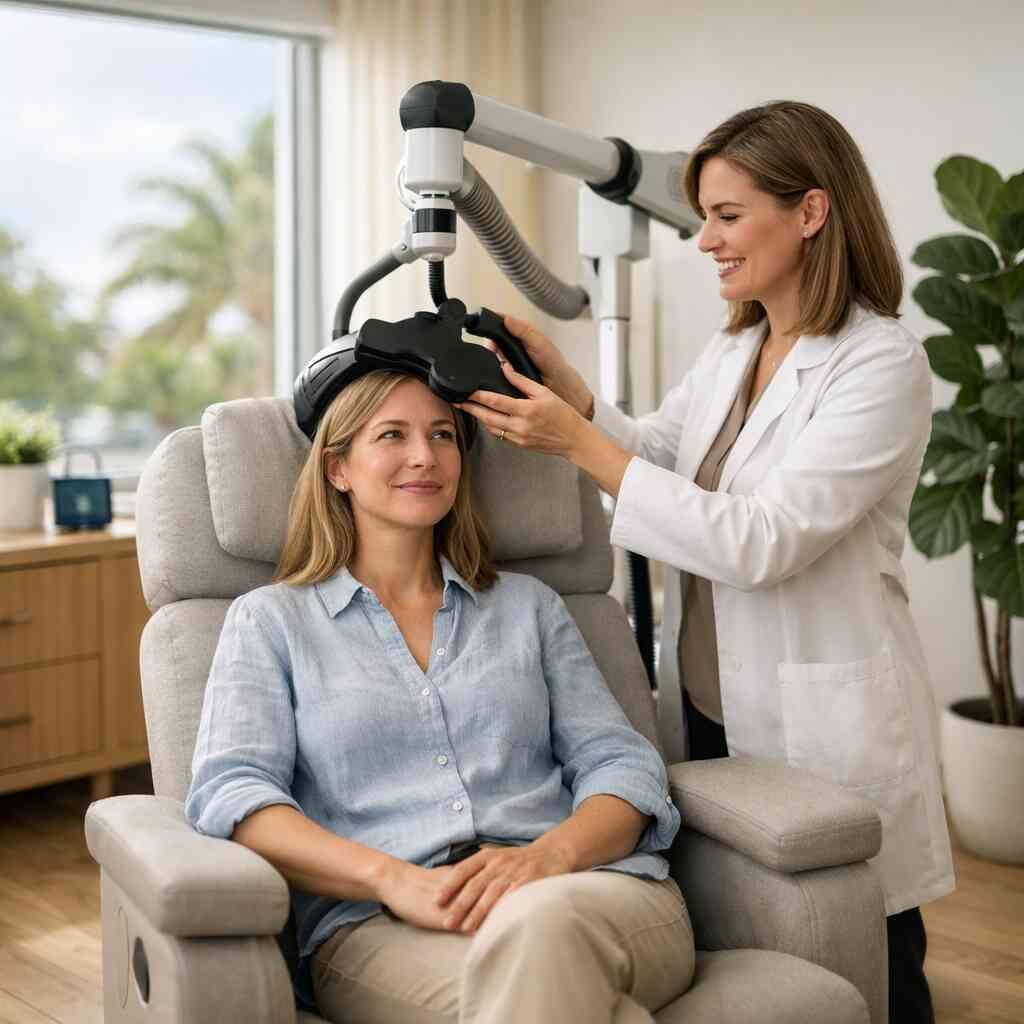
A session is usually simpler than people expect. You sit in a chair. A coil rests near your scalp. You hear a clicking sound. The machine delivers brief pulses while you stay awake and alert. Most people read, listen to music, or just settle into the rhythm.
The time commitment is part of the decision, so be honest with yourself about it. Repeated visits can be hard if you live far away or keep irregular hours. That is why local access matters. It can be easier for people in Aventura, Coral Gables, Delray Beach, or Winter Park when the clinic is close and the schedule is realistic. The best plan is the one you can actually keep.
How TMS maintenance therapy and TMS long-term results are usually talked about in plain language
People often ask about TMS maintenance therapy and TMS long-term results. The honest answer is that plans vary. Some patients need a limited course. Others need periodic maintenance sessions if symptoms return. A good clinic will talk about this without making predictions it cannot prove. 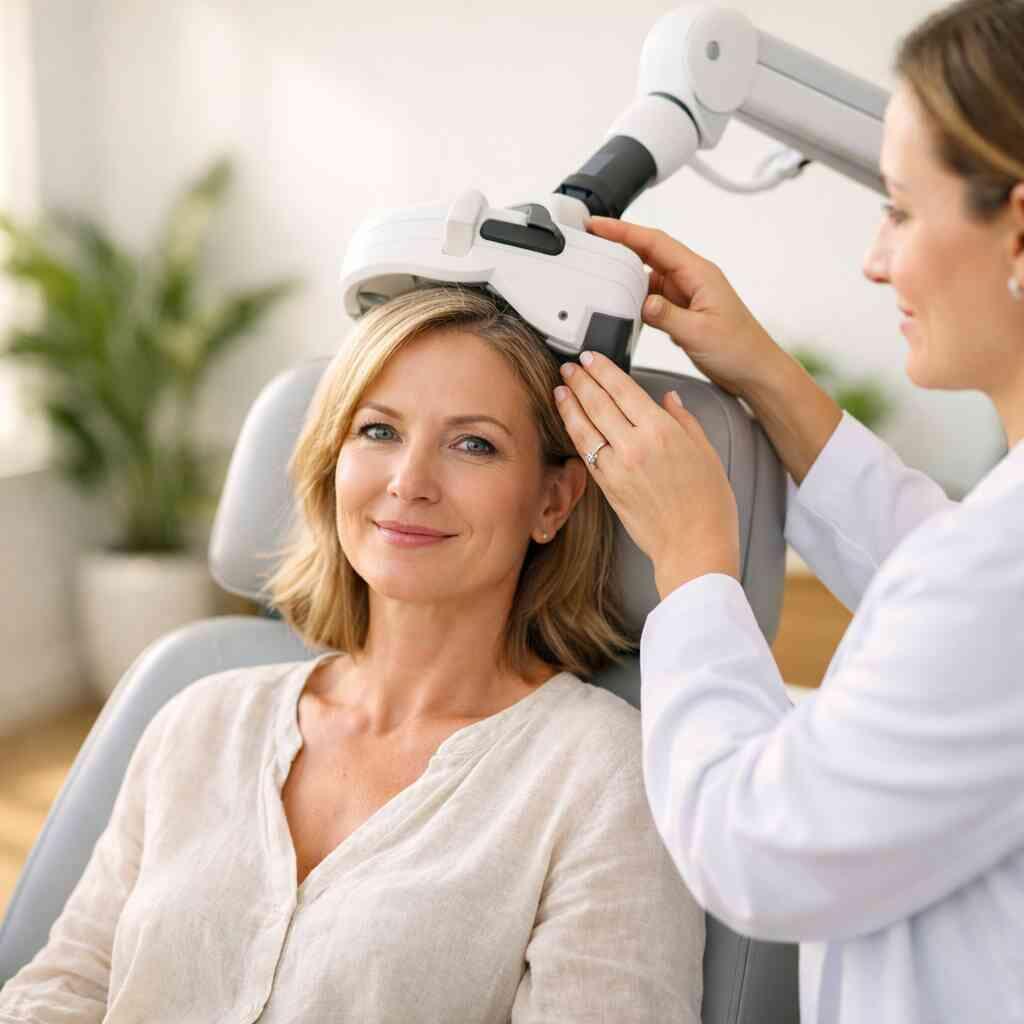
What we know is that TMS long-term results are best discussed as ongoing management, not permanent cure language. That mindset is healthy. It treats the brain with respect. It also helps people avoid feeling blindsided if symptoms shift later. If you want a more detailed look, the what is TMS treatment Florida in 2026 for depression guide offers a useful foundation.
Why TMS insurance coverage Florida and TMS cost Florida need to be checked before treatment starts
Money questions are uncomfortable, but they matter. TMS insurance coverage Florida varies by plan, diagnosis, and prior authorization rules. Some policies cover TMS for depression, while others are narrower. You should confirm benefits before starting. Do not guess.
The same is true for TMS cost Florida. Exact pricing depends on session count, device type, and insurance status. If you want a more practical breakdown, review TMS cost in Florida and payment options and TMS insurance coverage in Florida. This is one place where careful administrative help can save a lot of stress. It also helps answer the question many people ask: does insurance cover TMS in Florida?
How to decide whether this is the right clinic and the right next move
The right clinic should feel organized, respectful, and transparent. It should also understand that PTSD rarely exists in a vacuum. Many people need help with anxiety, sleep, trauma, depression, or substance use at the same time. That is normal. Good care sees the whole picture.
What to ask when comparing a best TMS clinic Florida option with a nearby Florida behavioral health center
If you are comparing clinics, ask direct questions. Does the team include a psychiatrist or medical prescriber? How do they track outcomes? What happens if symptoms change during treatment? Do they screen for safety and medication interactions? Are they experienced with trauma cases?
A strong best TMS clinic Florida option should explain its process clearly. It should also be able to coordinate with your therapist or referring provider. You want a team that communicates well, not one that only sells sessions. The mistake we see most often is choosing speed over fit.
Why location details matter for people looking for TMS clinic Miami TMS Fort Lauderdale TMS West Palm Beach TMS Orlando or TMS Tampa
Florida is big, and distance matters. A person in South Florida may compare a TMS clinic Miami, TMS Fort Lauderdale, or TMS West Palm Beach option. Someone farther north may look for TMS Orlando or TMS Tampa. Local access affects attendance, energy, and consistency. That can shape the whole experience.
If you are searching TMS near me Florida, verify the actual address, parking, and commute time. Seasonal traffic can make a “short drive” feel longer than expected. Hurricane season, bridge delays, and work schedules all matter. If you want regional options, see Area We Serve for TMS Treatment and Therapy, including county-level pages like Miami-Dade, Broward, Palm Beach, Orange, and Hillsborough.
How TMS near me Florida searches should lead to verification of care quality and insurance acceptance
A search result is not a quality check. It is a starting point. After you find a clinic, confirm whether the team handles authorization, what they accept, and who reviews your case. Ask whether the device is appropriate for your diagnosis and whether the staff can explain the treatment in simple language. That is basic, and it matters.
You may also want to check the clinic’s reviews. TMS reviews Florida can tell you whether people felt informed, rushed, or respected. Just remember that reviews are not medical evidence. They are one data point. Use them wisely, and then verify the rest yourself.
When to consider related support for anxiety OCD bipolar depression or substance use disorder alongside PTSD care
PTSD often travels with other conditions. That is why people also ask about TMS for anxiety, TMS OCD therapy, TMS for bipolar depression, and TMS for substance use disorder. Some clinics also discuss TMS addiction recovery, TMS for smoking cessation, or alcohol addiction brain stimulation as emerging areas tied to cravings research. The evidence is growing, but these uses require careful clinical judgment.
If substance use is part of the picture, integrated care matters. Dual diagnosis treatment Florida programs can help when trauma and addiction reinforce each other. The SAMHSA TIP guidance on substance use treatment still matters here, because pacing and relapse prevention must stay central. If you want a related resource, the addiction rehab Florida conversation should always include coordination, not just technology.
What to do next if you want a calmer plan and a clearer path forward
Start by writing down three things: what you have already tried, what still feels hardest, and what you need from a clinic. Then call one Florida office and ask about screening, insurance, and whether they handle PTSD-related cases. If you need a more direct place to begin, check the locations page and ask for a consultation. You do not have to settle for guesswork, and you do not have to sort it all out tonight. Start with one call.
Frequently Asked Questions
Does TMS help PTSD in Florida?
TMS is being studied for PTSD, and some clinics use it as part of trauma-informed care. The evidence is growing, but it is not the same as a guaranteed result. Most responsible teams explain that TMS for PTSD Florida is a consideration, not a promise. They also screen carefully and measure symptoms over time. If you are exploring this route, ask how the clinic evaluates trauma, depression, and anxiety together.
How does TMS work for depression and trauma symptoms?
TMS uses magnetic pulses to stimulate targeted brain areas linked with mood and regulation. For depression, this is often described as a non-invasive, FDA-cleared option for certain patients with medication-resistant depression. For trauma, the goal is different and still under study. The treatment does not add medication. Instead, it aims to influence brain circuits that may be underactive or overreactive.
What are common TMS side effects and safety concerns?
Most people report mild scalp discomfort, headache, or fatigue. These usually improve as treatment goes on or soon after sessions end. Clinics should review seizure risk, hearing protection, and medical history before starting. That safety review matters more than any marketing claim. A careful clinician will answer questions slowly and clearly.
Does insurance cover TMS in Florida?
Sometimes, yes, but it depends on the plan and the diagnosis. Coverage rules can vary a lot across carriers and employer plans. The clinic usually needs to verify benefits and sometimes submit prior authorization. If you are asking does insurance cover TMS in Florida, do not assume. Confirm it in writing before treatment begins.
What should I ask a TMS clinic near me in Florida?
Ask who evaluates you, how they track progress, what device they use, and how they handle insurance. Also ask whether they have experience with PTSD, anxiety, OCD, bipolar depression, or substance use concerns. A good clinic will explain session length, expected follow-up, and any side effects. That conversation should feel respectful, not rushed.
Can TMS be combined with therapy like EMDR?
Yes, it may be discussed that way. TMS and EMDR work differently, so some clinicians see them as complementary tools. EMDR focuses on trauma processing, while TMS focuses on brain stimulation and symptom regulation. The best sequence depends on your stability, symptoms, and treatment history. A thoughtful clinician will match the plan to your current capacity.


