Why TMS coverage in South Florida feels confusing until you read the policy fine print
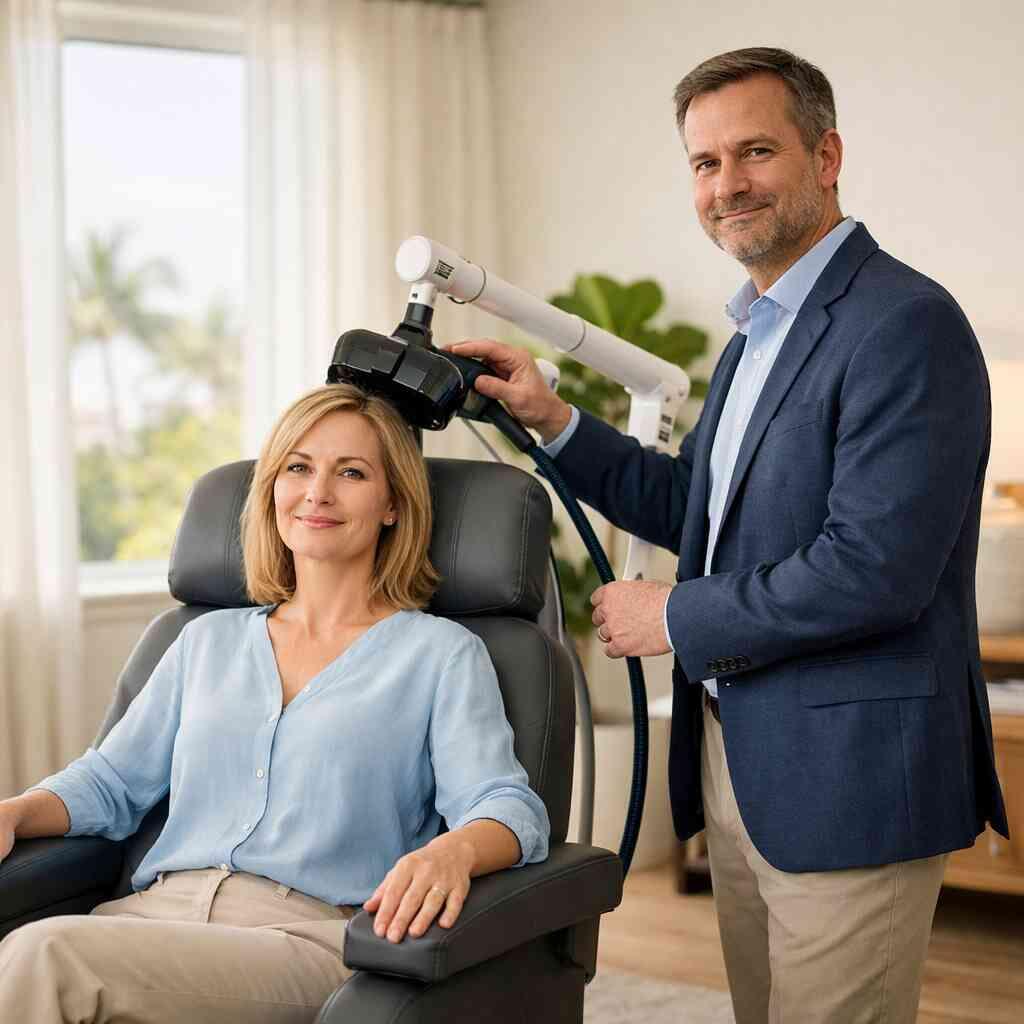
You found a clinic. Maybe you even found hope. Then the insurance question hits, and everything gets murky fast. That confusion is common, especially if you are already tired from medication side effects or another round of stalled progress. In South Florida, the answer depends less on the buzz around transcranial magnetic stimulation therapy and more on what your plan actually says.
What people in Miami, Fort Lauderdale, and West Palm Beach usually miss about behavioral health benefits
Most people look for a simple yes or no. Insurance rarely works that way. Behavioral health insurance benefits often hide behind deductibles, referral rules, and network requirements that change by employer. A plan may cover TMS insurance coverage in Florida only after you meet strict documentation standards. That is why a quick phone answer can feel reassuring, yet still be incomplete.
We hear this from patients searching for TMS clinic Miami, TMS Fort Lauderdale, or TMS West Palm Beach options. The zip code matters less than the benefit design. One client from Coral Gables had a policy that covered behavioral health, but only after prior authorization for TMS therapy and proof of medication-resistant depression. Another caller from Boca Raton had solid mental health coverage Florida, yet their plan treated the clinic as out of network. The fine print changed everything.
Why an FDA-approved depression treatment can still be denied without the right documentation
People often assume an FDA-approved depression treatment should glide through approval. It usually does not. Insurers want records, not just symptoms. They may ask for failed medication history, therapy notes, and a psychiatrist’s rationale for why TMS depression treatment Florida is medically necessary. Without that paper trail, the request can stall even when the treatment itself makes clinical sense.
Here is what almost no online guide mentions: carriers often review the diagnosis, not just the diagnosis code. They want to see duration, severity, and past treatment attempts. If your chart only says “depression,” the reviewer may ask for more. If it clearly shows medication-resistant depression, prior antidepressant trials, and documented side effects, the case becomes easier to evaluate. That is especially true for patients considering FDA-approved depression treatment with TMS.
How TMS insurance coverage Florida changes when a plan treats the clinic as in network or out of network
Network status changes the math fast. An in-network TMS provider in Miami can mean lower out-of-pocket costs and smoother claims handling. Out-of-network TMS benefits may still help, but you may face higher deductibles or reimbursement delays. Some patients see a big difference between clinics in Broward County and Palm Beach County simply because of plan contracts. That is why does insurance cover TMS in Florida is really the wrong single question.
The practical rule is simple. Confirm the clinic’s network status before you schedule. Confirm whether your behavioral health benefits apply to outpatient non-invasive brain stimulation. Then confirm whether the plan wants a referral, prior authorization, or both. Those three checks save time, money, and a lot of frustration.
The insurance paper trail that decides whether TMS gets approved or stalled
The approval process feels slow because it is built on documents, not urgency. That can be hard when you have already tried several medications and feel worn down by side effects. Still, the file you submit often decides whether the request moves or sits. The right notes can make the difference between a clean approval and a repeated denial.
Which diagnosis notes matter most for medication-resistant depression and why carriers ask for them
For medication-resistant depression, insurers want evidence of failed treatment, not just strong feelings. They usually look for diagnoses tied to major depressive disorder, documented symptom severity, and prior antidepressant trials. Many reviewers also want a current assessment tool, such as the PHQ-9 or MADRS, because numbers help show change over time. In medication-resistant depression treatment reviews, those scores often support medical necessity.
The carrier wants to know three things. Did symptoms persist? Were medications tried at an adequate dose and duration? Did side effects or lack of response justify a non-drug depression treatment? If the record answers those questions clearly, approval usually becomes easier to defend. If the chart is vague, the file may bounce back.
How prior authorization for TMS therapy works in Florida mental health clinic settings
Prior authorization for TMS therapy is the insurer’s checkpoint. The clinic sends records, the request form, and the treatment rationale to the plan. Then a reviewer checks whether the request matches policy language. In a Florida mental health clinic, this can include diagnosis confirmation, medication history, and proof that less intensive treatment failed. If the request misses one piece, the insurer may pause it.
You do not need to master every form line yourself. Still, it helps to know what gets submitted. A strong packet often includes office notes, medication trials, therapy history, and a treatment plan with targeted goals. If the insurer asks for more, the fastest response usually comes from the clinic’s authorization team. A clean file saves weeks.
What a psychiatrist letter should show when asking for insurance pre-approval for TMS therapy
A psychiatrist letter should read like a medical argument, not a generic note. It should explain why TMS is appropriate now. It should mention failed medications, side effects, and current symptom burden. It should also state why the treatment requested matches the clinical picture. When asking for prior authorization for TMS therapy, clarity matters more than drama.
One patient from Delray Beach brought a polished packet after three months of setbacks. The psychiatrist had listed two antidepressant failures, one therapy course, and severe fatigue from medication changes. That letter did not promise results. It simply made the medical case plain. The insurer approved the request on the next review cycle.
Why failed medication history and therapy records often matter more than a broad symptom description
“Still depressed” is not enough for most carriers. They need specifics. Which medications did you try? How long did you take them? What happened when you did? Did therapy help at all, or did symptoms remain stuck? Those details often matter more than a broad story about feeling low.
Here is the part most people miss. Insurers are not trying to read your mind; they are trying to match policy rules. A detailed history shows that TMS came after failed medications, not before them. That is why records from past prescribers, therapists, and pharmacy fills can be valuable. If you are assembling this now, keep everything in one folder.
What actually counts as covered care when you ask does insurance cover TMS in Florida
Coverage often sounds broader on paper than it feels in practice. That gap is where most confusion lives. A plan may cover outpatient behavioral health, but still limit how TMS gets billed. It may cover the consultation, yet require separate approval for sessions. Knowing the difference protects you from surprise bills.
How mental health coverage Florida can differ from one employer plan or Medicare plan to another
Mental health coverage Florida is not one single rulebook. Employer plans, ACA plans, and Medicare plans can all handle TMS differently. Some cover repetitive TMS for depression with clear criteria. Others are stricter about diagnosis history, network status, or provider type. If you are comparing plans, read the behavioral health section closely.
For Medicare and employer coverage, the exact benefit language matters. One plan may allow TMS cost in Florida to drop sharply once deductible thresholds are met. Another may apply a separate outpatient mental health copay. That is why a quote from one person’s plan cannot predict your own. Your summary of benefits is the real starting point.
When TMS cost Florida drops because the plan pays for treatment sessions and follow-up visits
TMS cost Florida is not just the session itself. It can also include consultation visits, mapping, follow-up checks, and symptom tracking. When the plan covers those pieces, your total cost can drop meaningfully. When it does not, the balance can rise quickly. Patients often think only of the chair time, but the full episode of care matters more.
From the cases we have seen this year, coverage works best when the clinic bills cleanly and the plan approves the whole course. That includes the initial evaluation, session codes, and follow-up visits tied to treatment response. Some plans also cover measurement tools like PHQ-9 tracking as part of clinical follow-up. That is not guaranteed, so verify it. One denial for a missing visit can create needless stress later.
Coverage pieceWhat it may affectWhy it mattersInitial evaluationStart of careEstablishes medical necessitySession authorizationOngoing treatmentPrevents session-by-session delaysFollow-up visitsOutcome monitoringSupports continued coverage### How deep TMS therapy and repetitive TMS may be reviewed differently by some insurers
Insurers sometimes review deep TMS therapy and repetitive TMS differently. Both are forms of non-invasive brain stimulation, but policy language can separate them. A plan may cover one device category and place another under a different review rule. That is why it helps to ask exactly which protocol the clinic plans to use. If you are comparing deep TMS and repetitive TMS comparison, ask how your insurer classifies each one.
The term “magnetic brain therapy” gets used loosely online, but coverage teams care about specifics. They want the device type, diagnosis, and code set. They may also ask whether the requested course matches current policy for depression, OCD, or another covered indication. That matters for TMS OCD therapy and TMS for PTSD Florida discussions too. Precision helps.
What out-of-network TMS benefits and cash pay estimates can mean for patients in South Florida
Out-of-network TMS benefits can still help if your favorite clinic is not contracted. The plan may reimburse part of the bill after you meet the deductible. Still, the front-end cost can be higher and less predictable. Cash pay estimates can be useful if you need speed or if the plan denies coverage. They give you a real fallback instead of a guess. 
If you are comparing options in South Florida, ask for a written estimate. Ask what the evaluation costs, what each session costs, and whether follow-up visits are separate. Ask whether the clinic verifies benefits before your first appointment. That is especially important if you found the practice through a TMS near me Florida search and still do not know the network details. Clear numbers reduce stress.
The South Florida map for getting care without turning the process into a second job
Distance, traffic, and county lines matter more than people expect. A clinic that looks close on a map may sit inside a different network rule. Aventura, Coral Gables, Boca Raton, and Delray Beach patients all face different commute patterns and insurance quirks. If you are juggling work, family, and an already heavy symptom load, that matters.
Why a TMS clinic Miami patient may face different network rules than someone seeking TMS Fort Lauderdale or TMS West Palm Beach
A TMS clinic Miami patient may live inside a different plan network than someone heading north to Broward or Palm Beach. A TMS clinic in Broward County may be in network for one employer plan and out of network for another. The same is true for TMS treatment in Miami-Dade County and TMS treatment in Palm Beach County. Geography changes convenience, but network status changes cost.
I once spoke with a patient who was ready to drive from Miami to West Palm Beach three times a week. The issue was not willingness. It was parking, work hours, and a plan that treated the farther clinic differently. Once the benefits were verified, the patient chose a closer in-network office and saved themselves weeks of strain. Small logistics can shape treatment success.
How access from Aventura, Coral Gables, Boca Raton, Delray Beach, and nearby communities can affect appointment timing
South Florida traffic does not forgive bad scheduling. If you live in Aventura or Coral Gables, rush-hour timing can decide whether weekly sessions fit your life. If you live in Boca Raton or Delray Beach, you may have more breathing room, but not always more network options. Seasonal residents can add another layer, since they may split time between states and miss standard authorization windows. That can slow the process.
The practical fix is simple. Ask how often sessions occur, how long the appointment lasts, and whether the clinic can batch visits around your work schedule. Ask if they can coordinate with your insurer before the first treatment day. That is especially useful for TMS treatment in Miami-Dade County patients who commute across busy corridors. Timing is part of coverage.
What to ask a TMS psychiatrist Florida office before you drive across county lines for coverage confirmation
Before you drive, ask direct questions. Is the practice an in-network TMS provider for your exact plan? Do they obtain insurance pre-approval for TMS therapy before the first session? What diagnosis codes and records do they need from your prior doctors? Do they verify out-of-network benefits if needed? Those questions save you from guesswork.
You should also ask who handles denials. Some offices have a staff member who tracks appeals and payer follow-up. Others place most of that work on the patient. In a busy Florida mental health clinic, that difference matters. If you want less chaos, choose a practice that explains the process plainly.
How Florida residents and seasonal schedules can change insurance timing and clinic availability
Florida’s seasonal rhythm affects care more than many people realize. Snowbird schedules can interrupt authorizations, session blocks, and follow-up timing. Some patients pause travel plans to avoid breaking treatment rhythm. Others need the clinic to fit around a narrow window between work, family, and a return flight. That is why timing should be part of the insurance conversation from the start.
If you are comparing options, ask whether the clinic can keep your authorization active through a realistic treatment window. Ask whether missed sessions restart the review. Those details can matter for TMS maintenance therapy and long-term results too. A stable plan beats a rushed one.
When the smartest move is to verify benefits before you book and where to go from there
By now, the pattern should be clear. Coverage is possible, but it is rarely automatic. The best outcome usually starts with verification, not hope alone. That does not mean the process has to feel cold or clinical. It just means you deserve facts before you commit time and money.
Which questions to ask about TMS insurance coverage Florida before the first consultation
Ask five things before you book. Is the clinic in network? Do they verify benefits in writing? Does the plan require prior authorization for TMS therapy? What records must come from your psychiatrist or therapist? And does the policy treat the treatment as covered care for your diagnosis? Those questions keep the process grounded.
You can also ask whether the clinic treats TMS treatment in Florida as a depression-only service or supports other indications, such as TMS for anxiety, TMS OCD therapy, TMS for bipolar depression, or TMS for PTSD Florida when clinically appropriate. Coverage depends on the diagnosis, not just the device. The more specific your question, the better the answer. Vague questions produce vague billing surprises.
- Ask for network status in writing.
- Ask for the authorization checklist.
- Ask for a patient estimate.
- Ask which records you need.
- Ask who follows denials.
How to compare in-network TMS provider options against TMS near me Florida searches without guessing
A search result is not a coverage result. A clinic that shows up first may not fit your plan. Compare the actual provider contract, the diagnosis they treat, and the authorization process. If one office can verify benefits fast and another cannot, that is a meaningful difference. A good in-network TMS provider in Miami should be able to explain this without jargon.
Use your search as a starting point, not a final answer. Then compare the clinic’s location, communication style, and experience with insurance verification. If you are reaching for TMS near me Florida searches because you feel stuck, that is understandable. Still, the best match is usually the one that can actually confirm coverage before treatment begins.
What to do if the plan says no and you still want to pursue TMS depression treatment Florida
A denial is discouraging, but it is not always the last word. Ask for the reason in writing. Then ask whether a missing record, missing diagnosis note, or missing authorization form caused the problem. Sometimes one corrected detail changes the result. In other cases, an appeal with stronger documentation helps.
If you still want to pursue TMS depression treatment Florida, ask the clinic about appeal support and self-pay options. You may also want to compare ketamine treatment in Florida as an alternative if your plan excludes TMS and your symptoms remain severe. That is a separate path, and it deserves a separate conversation. The right choice depends on your history, not on pressure.
How to line up the next decision between depression, anxiety, OCD, or addiction-related TMS care
TMS is not only discussed for depression anymore. Some people ask about TMS for anxiety, TMS OCD therapy, TMS addiction recovery, TMS for substance use disorder, or TMS for smoking cessation. Research on rTMS for cravings continues to grow, including work from centers such as the Medical University of South Carolina. Still, coverage may differ by diagnosis and insurer policy. The SAMHSA TIPs for substance use care also remind clinicians to match treatment to the person, not just the symptom label.
If your symptoms cross categories, ask the clinic which path fits best. Some people need depression treatment first. Others need dual diagnosis treatment Florida support, especially when substance use and mood symptoms overlap. If you are trying to choose between depression, anxiety, OCD, or addiction-related TMS care, ask for a plain-English explanation. That conversation should feel careful, not rushed.
What people ask most about TMS insurance coverage Florida
Does insurance cover TMS in Florida for depression?
Often, yes, but only if your plan meets its medical necessity rules. Most insurers want proof of medication-resistant depression, failed medication history, and prior authorization. Network status also matters. A clinic may be covered under one plan and out of network under another. Always verify the exact benefit before you schedule.
What diagnosis usually qualifies for TMS coverage?
Depression is the most common covered indication. Many plans look for major depressive disorder with failed medications and documented symptoms. Some plans also review OCD, and a smaller number may consider other conditions with strict criteria. The diagnosis must match the insurer’s policy language. Your records should support the request clearly.
How long does prior authorization for TMS therapy take?
It varies by insurer and by how complete the records are. A clean submission moves faster than a file missing medication history or therapist notes. The clinic usually submits the paperwork, then follows up with the payer. If a reviewer asks for more information, that can add time. Good documentation shortens the wait.
What if my plan says the clinic is out of network?
You may still have out-of-network TMS benefits, but your share of the cost can be higher. Some plans reimburse part of the bill after the deductible. Others offer little or no reimbursement. Ask for a written estimate before you commit. That gives you a real decision, not a guess.
Can TMS help if medications caused bad side effects?
Yes, that is one reason people explore it. TMS is a non-invasive brain stimulation option that does not rely on daily medication dosing. Many patients ask about it after fatigue, weight change, or sexual side effects from antidepressants. Your psychiatrist will decide whether the treatment fits your history. Insurance still needs the medical record to reflect those failed trials.
Is TMS only for depression, or can it help anxiety and OCD too?
TMS for anxiety and TMS OCD therapy are both common search topics, but coverage depends on the diagnosis and the payer. Some insurers cover OCD more readily than anxiety. Others focus mainly on depression. Ask the clinic which indication your plan recognizes. That one detail can determine approval.
Should I wait until I find the best TMS clinic Florida has to offer?
You do not need perfection, but you do need clarity. Start with a clinic that can verify benefits, explain the authorization path, and talk plainly about cost. A strong Florida mental health clinic should reduce confusion, not add to it. One phone call today can save you a week of uncertainty.
Frequently Asked Questions
Question: What is TMS Insurance Coverage in South Florida 2026, and how do I know if my plan covers TMS treatment Florida for depression?
Answer: TMS insurance coverage Florida usually depends on your specific plan, your diagnosis, and whether the clinic is in network. Many plans will consider transcranial magnetic stimulation therapy for major depression when there is documentation of medication-resistant depression, failed medications, and medical necessity. That means the answer to does insurance cover TMS in Florida is often yes, but only after prior authorization for TMS and a review of your behavioral health insurance benefits. At TMS Treatment Florida, the team can help you understand the approval path, verify benefits, and explain what your plan may require before treatment begins. This makes the process less confusing and helps you move forward with more confidence.
Question: What records do I need for insurance pre-approval for TMS therapy if I have tried multiple medications and still feel stuck?
Answer: Most insurers want a clear paper trail showing TMS after failed medications. That usually includes prior antidepressant trials, dates and dosages, therapy history, symptom severity notes, and sometimes screening tools such as a PHQ-9 or similar assessment. A TMS psychiatrist Florida office may also be asked to provide a letter explaining why non-drug depression treatment is medically appropriate now. If you are seeking TMS depression treatment Florida, the strongest applications are specific, organized, and tied to your diagnosis rather than just a broad description of feeling depressed. TMS Treatment Florida can help guide you through the documentation process so the request is easier for the insurer to review.
Question: How does in-network TMS provider status affect TMS cost Florida for patients in Miami, Fort Lauderdale, and West Palm Beach?
Answer: In-network TMS provider status can have a major impact on TMS cost Florida. If the clinic is in network, your deductible, copay, or coinsurance may be lower and the claims process may be smoother. If the clinic is out of network, your out-of-pocket cost may be higher and your out-of-network TMS benefits may reimburse only part of the bill, if at all. This is especially important for patients searching for a TMS clinic Miami, TMS Fort Lauderdale, or TMS West Palm Beach option, because network status matters more than distance alone. TMS Treatment Florida encourages patients to verify coverage in writing before scheduling so they can avoid billing surprises and better understand the total cost of care.
Question: Does insurance cover deep TMS therapy or repetitive TMS differently, and what should I ask before booking?
Answer: Some insurance plans review deep TMS therapy and repetitive TMS differently, even though both are forms of non-invasive brain stimulation. Coverage may depend on the diagnosis, the device used, and the policy language for FDA-approved depression treatment or other approved indications. Before booking, ask whether the clinic uses deep TMS or repetitive TMS, whether your plan recognizes that protocol, and whether prior authorization for TMS therapy is required. It is also smart to ask about TMS side effects safety, session scheduling, and follow-up visits so you understand the full treatment process. TMS Treatment Florida can help explain these details in plain language so you know what your insurer may review and what steps come next.
Question: Can TMS help with TMS for anxiety, TMS OCD therapy, or TMS for bipolar depression, and will insurance usually cover those services?
Answer: TMS treatment Florida may be discussed for several conditions, including TMS for anxiety, TMS OCD therapy, and TMS for bipolar depression, but insurance coverage is often more limited than it is for depression. Many plans are most familiar with coverage for medication-resistant depression and may require more documentation if the request is for another diagnosis. That is why it helps to ask your clinic how your plan handles mental health coverage Florida and whether the policy recognizes the exact indication being requested. TMS Treatment Florida focuses on compassionate, individualized care and can help you review whether your situation may fit the insurer’s criteria, especially if you are comparing alternative depression treatment options or trying to understand whether TMS near me Florida is covered in your area.
Question: What should I do if my plan denies coverage and I still want to pursue TMS depression treatment Florida or compare other options?
Answer: If your plan denies coverage, the first step is to request the denial reason in writing. Sometimes a claim is denied because of a missing note, incomplete records, or a prior authorization issue rather than because TMS therapy is not an option at all. You can then ask whether the clinic can help with an appeal, additional documentation, or a revised request. If TMS is still not covered, some patients compare self-pay options or look into other services such as TMS addiction recovery, TMS for substance use disorder, or even a separate approach like ketamine treatment depending on their needs and medical history. TMS Treatment Florida can help you think through the next step carefully so you can make a decision that fits your situation, your goals, and your budget without feeling rushed.