1) What makes TMS different for substance use disorder when rehab and talk therapy have stalled
If you are reading this because cravings keep winning, that frustration makes sense. You may want change badly, yet your brain keeps taking the old route. That gap can feel maddening. It is often the reason people ask about TMS for substance use disorder in Florida.
Why cravings can keep firing even after the mind is ready to quit
Substance use disorder is not just a willpower problem. The reward system learns fast, then repeats fast. Stress, cues, sleep loss, and habit loops can all keep firing after you decide to stop. That is why relapse can happen even with honest effort.
We hear this almost every week from people who have already tried therapy, meetings, and detox. They often say, “I understand the problem, but my body does not listen.” That is a hard place to be. It is also a common reason to ask about brain-based options.
How transcranial magnetic stimulation therapy may help calm the brain circuits tied to reward and habit
Transcranial magnetic stimulation therapy uses magnetic pulses to influence specific brain networks. It is a form of non-invasive brain stimulation, not surgery and not medication. In addiction care, researchers study whether it can help quiet circuits tied to cue response, craving, and rigid habit. In plain language, it may help the brain pause before it reacts.
The science is still growing. Studies from places like the Medical University of South Carolina have looked at rTMS for cravings and relapse-related symptoms. That research does not promise a cure. Still, it gives clinicians a serious reason to explore TMS addiction recovery in the right setting.
Where TMS fits alongside addiction rehab Florida and dual diagnosis treatment Florida
TMS should not replace every part of care. It fits best alongside counseling, relapse planning, recovery supports, and medical oversight. In many cases, it works as one layer inside addiction rehab Florida and dual diagnosis treatment Florida. That matters when depression, anxiety, or trauma sit under the substance use.
On the cases we have seen most clearly, the people who do best want a plan, not a miracle. They want something that respects real life. That means looking at sleep, triggers, family stress, and support. It also means using TMS as one part of a coordinated approach.
Why people with medication resistant depression often ask about TMS addiction recovery at the same time
Depression and substance use often travel together. If you have already tried several antidepressants, you may know the tired, flat feeling that makes recovery harder. That is where TMS after failed medications becomes relevant. People with medication resistant depression often ask about addiction support at the same time because both problems can feed each other.
For depression, TMS has stronger evidence than many people realize. The 2018 Stanford work by Carpenter and colleagues helped strengthen interest in TMS for depressive symptoms, especially when medications fall short. That does not mean every person responds. It does mean TMS is a legitimate alternative depression treatment and non-drug depression treatment to discuss with a clinician.
2) Can TMS affect the brain loops behind alcohol use and smoking without adding another drug
This question comes up often in Florida, especially from people who want fewer pills. That feeling is understandable. If medications have left you foggy, dry-mouthed, or discouraged, the idea of a non-drug option feels refreshing. Still, it helps to keep the science honest.
What alcohol addiction brain stimulation means in plain language
Alcohol addiction brain stimulation refers to using targeted magnetic pulses to study or influence brain pathways linked with drinking urges. The goal is not intoxication or sedation. The goal is to affect the circuits that keep reaching for alcohol on autopilot. Think of it as trying to interrupt a loop, not force a personality change.
Researchers are still refining protocols. Some studies focus on craving reduction, while others look at mood and impulse control. That is why responsible clinics avoid big promises. They talk about probability, not certainty.
Why TMS for smoking cessation is being studied as a non-drug option
TMS for smoking cessation is being studied because nicotine also trains the brain quickly. A cue, a stress spike, or even coffee can trigger the urge. TMS may help reduce some of that reactivity by changing how often those cue pathways fire. That is one reason people exploring TMS addiction recovery ask about smoking and drinking together.
A person in Boca Raton once told us the hardest part was not the cigarette itself. It was the ritual: coffee, phone, porch chair, cigarette. That is exactly the kind of pattern brain stimulation research tries to address, alongside counseling and trigger work.
How repetitive TMS and deep TMS therapy differ when the goal is craving control
Repetitive TMS uses repeated pulses over time to influence a targeted area. Deep TMS therapy reaches broader or deeper networks, depending on the coil design and protocol. Neither one is magic. The practical difference is that device design and target depth may matter for certain conditions.
ApproachBasic ideaCommon use caseRepetitive TMSRepeated magnetic pulses to a defined areaDepression, anxiety, and other symptomsDeep TMS therapyBroader field with deeper reachSome depression, OCD, and research protocolsThe right choice depends on the diagnosis, target symptoms, and device availability. A reputable clinic will explain why it recommends one over the other. It should not sound like a sales pitch.
What the current research can say and what it still cannot promise
Research on TMS for addiction is promising, but it is not final. Some studies show craving changes; others show mixed results. That means the field is active, not settled. It also means any claim of a TMS therapy success rate for addiction should be treated carefully.
For TMS side effects safety, the profile is usually tolerable, but every patient needs screening. For addiction, the best use case is often as an adjunct, especially when depression or anxiety also drives use. If a clinic speaks in absolutes, keep asking questions.
3) Who is the best fit when substance use disorder meets depression, anxiety, OCD, or PTSD
This is where many Florida patients finally feel seen. Substance use rarely arrives alone. It often comes with panic, intrusive thoughts, trauma, shame, or a heavy depression that drains every plan. That is why the diagnosis matters as much as the craving.
Why TMS for anxiety and TMS depression treatment Florida often show up in the same care plan
If your mood drops and your body stays keyed up, you may need more than one target. TMS for anxiety and TMS depression treatment Florida are often discussed together because they touch overlapping circuits. Treating the depressed, withdrawn part may help the anxious, tense part too.
The strongest evidence still sits with depression. TMS is an FDA-approved depression treatment in the sense that cleared devices and protocols exist for clinical use. The specifics depend on device and indication. If you want more detail, transcranial magnetic stimulation therapy for depression in Florida is a useful place to start.
When TMS OCD therapy or TMS for PTSD Florida may matter in a dual diagnosis picture
Intrusive thoughts can push people back toward substances. So can trauma reminders. That is why TMS OCD therapy and TMS for PTSD Florida sometimes matter in a dual diagnosis plan. They do not treat every symptom, but they may reduce the pressure that fuels relapse.
We have seen people in South Florida delay care because they thought they had to “fix” addiction first. Often, that is backward. If OCD, panic, or trauma is driving the use, those symptoms deserve attention too.
How TMS for bipolar depression changes the screening conversation
Bipolar depression needs careful screening. TMS can help some people with depressive episodes, but the evaluation must look for past mania or hypomania. That is why TMS for bipolar depression requires a more cautious conversation than standard depression care. A responsible team will not rush that part.
The screening is not about blocking treatment. It is about matching the treatment to your brain and history. That is especially important for people juggling sleep problems, stimulant use, or erratic mood shifts.
Why TMS after failed medications becomes a serious question for young adults and adults alike
Young adults often feel stuck between side effects and relapse. Adults feel that too. If you have tried medication after medication and still feel flat, anxious, or trapped, TMS after failed medications deserves a serious look. The phrase TMS depression treatment Florida often shows up in those searches for a reason.
For TMS for teen depression or TMS for young adults, the screening must be even more careful. Family support, school stress, substance use, and sleep all matter. If your clinic does not ask about those things, that is a red flag.
4) What a real evaluation looks like before TMS starts in a Florida clinic
A real evaluation should feel detailed, not rushed. You should leave with clarity, not confusion. In Florida, that matters because outpatient care has to fit real schedules, insurance rules, and safety standards. Good care starts before the machine ever turns on.
How a TMS psychiatrist Florida should screen for substance use, mood symptoms, and safety
A qualified TMS psychiatrist Florida should ask about current use, last use, relapse history, medications, sleep, and suicidal thoughts. They should also ask about seizures, head injury, and bipolar history. If the conversation feels superficial, keep looking. A careful intake protects you.
This is where Florida behavioral health and Florida mental health clinic standards matter. Outpatient treatment should be structured, documented, and supervised. The state setting does not replace clinical judgment, but it does raise the bar for accountability.
Why outcome tools like PHQ-9 or MADRS matter before the first session
Clinics should measure symptoms before treatment begins. Common tools include the PHQ-9 and MADRS. These help track change over time and avoid vague impressions. Numbers do not tell the whole story, but they help tell a real one.
The point is simple. If you start treatment, you should know what you are measuring. Otherwise, progress can feel like guesswork. That gets discouraging fast.
What a careful review of medications, sleep, relapse triggers, and current support should cover
A strong evaluation should cover more than diagnoses. It should include:
- Current prescriptions and recent changes
- Sleep quality and insomnia patterns
- Relapse triggers and cue exposure
- Therapy support and recovery support
- Alcohol, nicotine, cannabis, or stimulant use
- Home stress and daily structure
If a clinic ignores these pieces, it may miss the real driver. That is one reason How to Prepare for TMS Sessions at TMS Treatment Florida is worth reading before your consult. It helps you know what a solid intake should feel like.
How Florida mental health clinic and Florida behavioral health standards shape outpatient care
In Florida, outpatient care also has a practical side. Patients may drive in from Aventura, Coral Gables, Delray Beach, or Winter Park. Seasonal residents may need flexible scheduling. So the clinic should know how to plan around follow-up, medication coordination, and transportation.
A good clinic will also talk about access from major corridors. That may mean a TMS clinic Miami, TMS Fort Lauderdale, TMS West Palm Beach, TMS Orlando, or TMS Tampa option that actually fits your life. Practical access matters more than fancy language.
5) Does insurance cover TMS in Florida or does cost become the barrier
Money is often the hardest part to ask about. Many people wait too long because they are afraid of the number. That fear is real. Still, the answer is often more nuanced than yes or no. 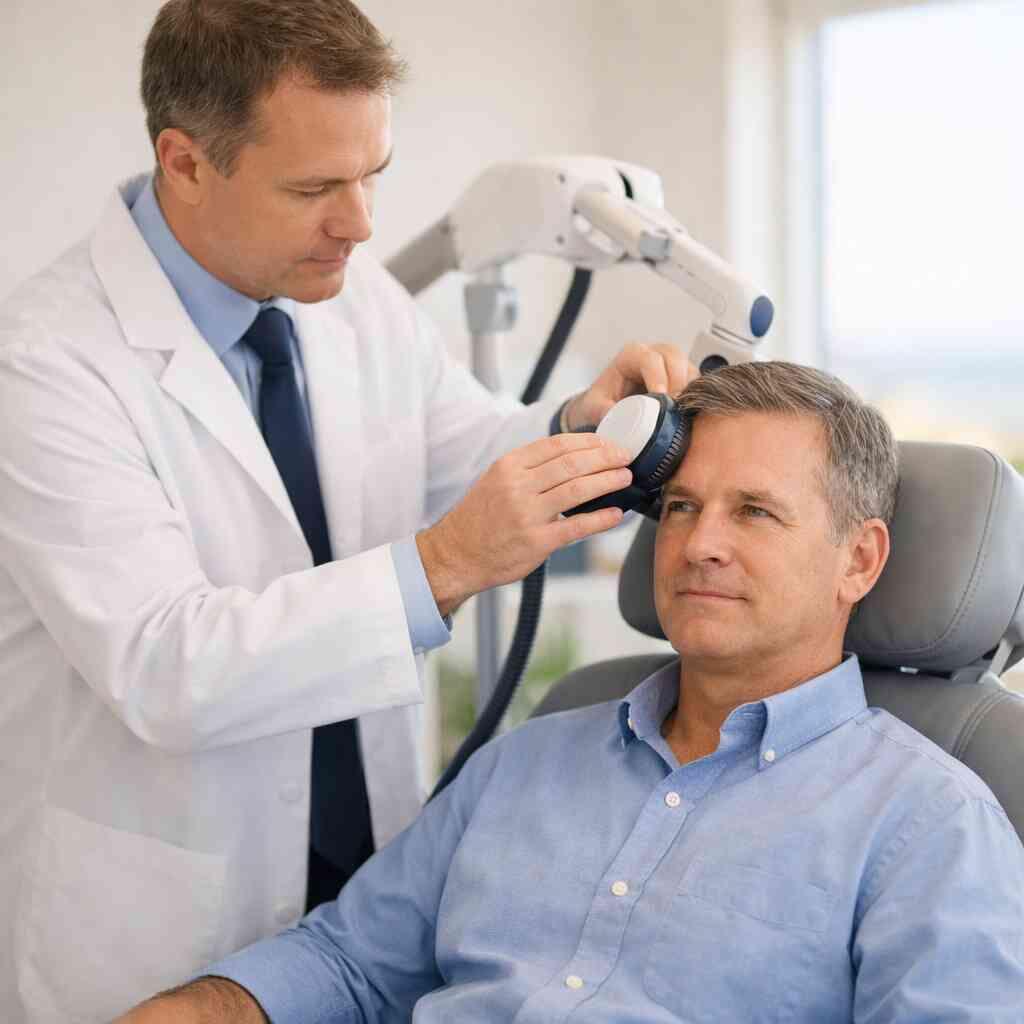
What usually affects TMS insurance coverage Florida and when plans ask for extra documentation
TMS insurance coverage Florida depends on plan rules, diagnosis, and prior treatment history. Some plans ask for records showing medication trials or therapy attempts. Others want specific symptom scores and physician notes. If you are asking, does insurance cover TMS in Florida, the honest answer is that it varies. A clinic should help you verify benefits before scheduling. If they cannot explain the paperwork, that is a problem. The process should feel organized, not mysterious. ### Why TMS cost Florida is often less about one number and more about the full care path
People often ask for a single price. That is understandable, but TMS cost Florida depends on the full path of care. It can include the consult, mapping, treatment series, follow-up visits, and possible maintenance. For some patients, the bigger cost is time away from work.
If you want a deeper breakdown, TMS cost in Florida and coverage can help you understand what clinics usually discuss. It is better to compare the full picture than chase one low number.
How prior treatment history can matter for approval and medical necessity reviews
Insurers often want proof that symptoms have persisted. They may ask for prior medications, therapy notes, or hospital records. That is especially common with medication resistant depression. Good documentation can support medical necessity reviews.
If you are seeking TMS after failed medications, bring records early. It can shorten delays. It can also help the clinician judge whether TMS is the right match.
What to ask a clinic about TMS near me Florida before you commit to a schedule
Before you choose a TMS near me Florida option, ask direct questions:
- Will you verify insurance before treatment?
- Which device do you use?
- How do you document symptoms?
- What happens if coverage changes?
- Do you offer help with appeals?
If you want location support, Area We Serve for TMS Treatment and Therapy is a practical place to compare service areas. That kind of clarity saves stress later.
6) What the session room feels like from the chair to the hum of the machine
A lot of people imagine something dramatic. The truth is usually quieter. The room is plain. The chair is supportive. The machine hums. Then the day keeps moving.
Why a TMS session is usually simpler than people expect
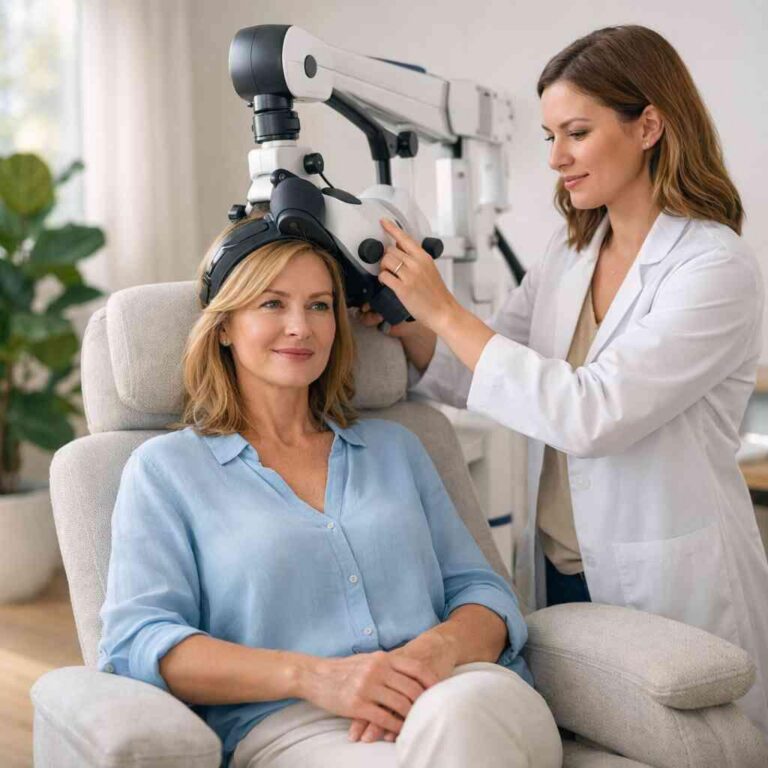
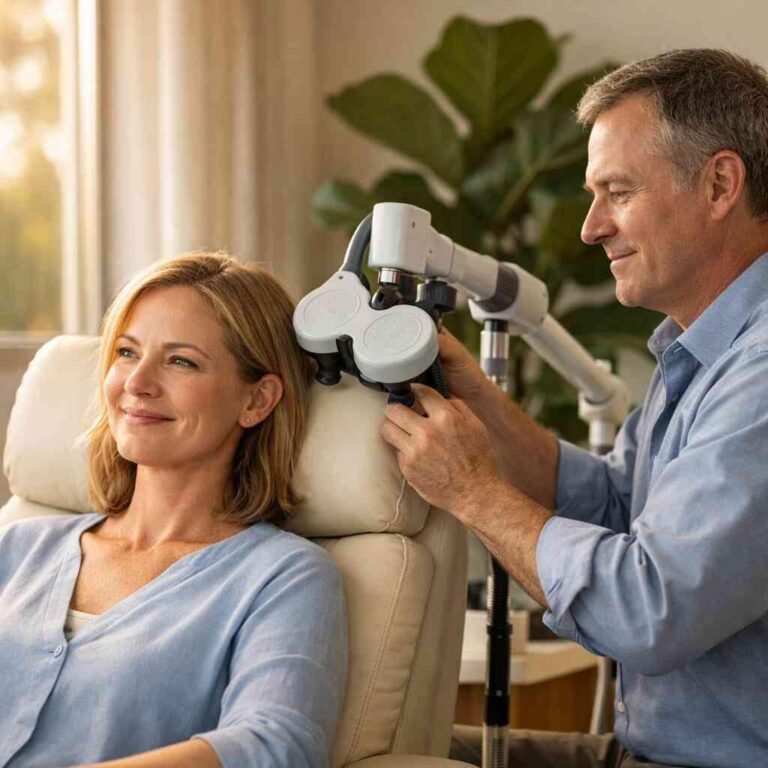
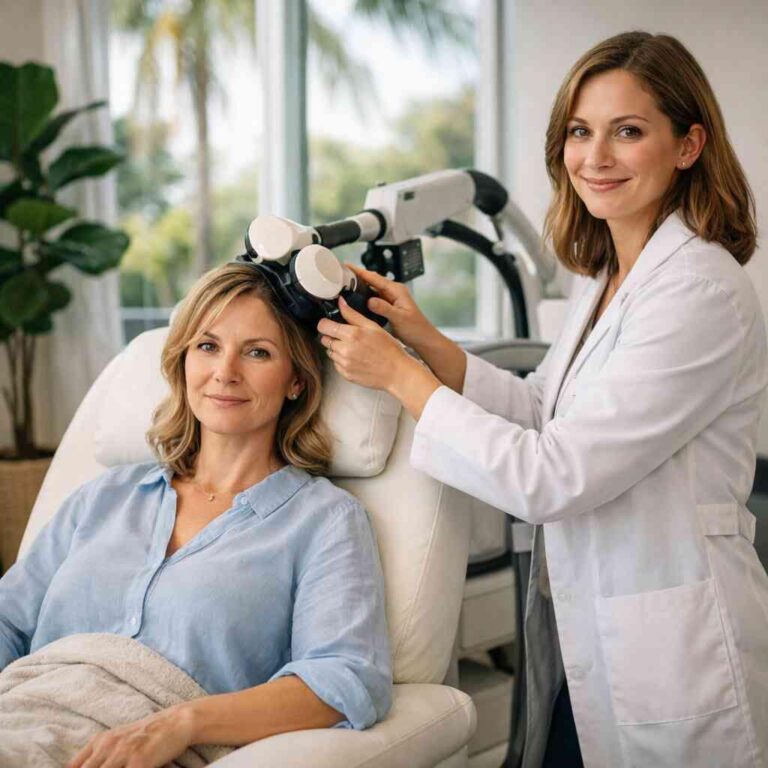
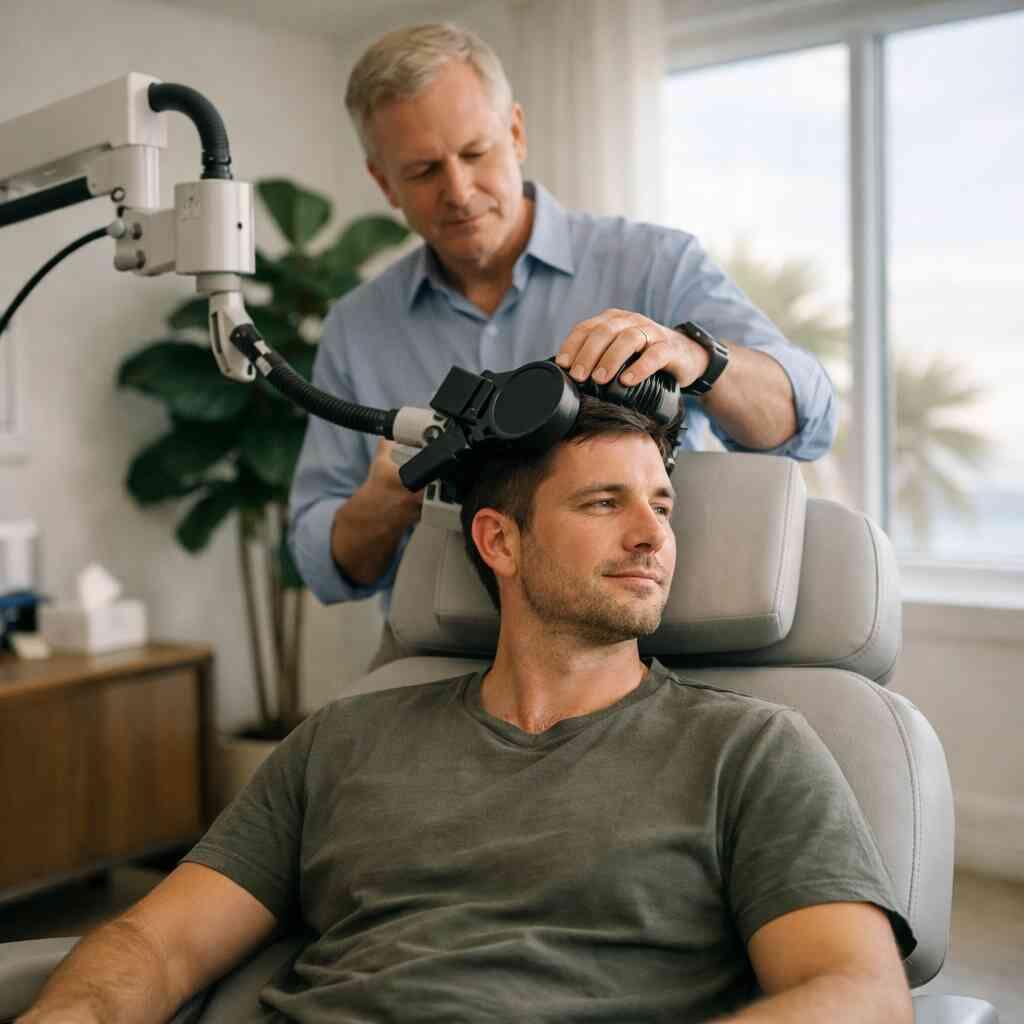
A typical session begins with positioning and mapping. Then the coil delivers pulses while you sit awake. You can usually talk, breathe, and relax. Most people return to normal activities right after.
That simple setup is part of why many patients prefer magnetic brain therapy over more medication changes. It feels direct. It also avoids the daily fog some people get from drugs.
How side effects, safety screening, and comfort checks are handled in reputable care
A responsible clinic will review TMS side effects safety before treatment. Common side effects may include scalp discomfort, headache, or mild fatigue. Safety screening should cover seizure history and metal implants. If the team rushes that conversation, pause.
For more detail, TMS side effects and safety in Florida can help frame the questions to ask. Honest care explains both comfort and risk. That balance matters.
What a schedule might look like for TMS maintenance therapy after the main series
Some patients benefit from TMS maintenance therapy after the main series. Others do not need it. The decision depends on symptom return, diagnosis, and response pattern. There is no one schedule for everyone.
A clinic should talk openly about TMS long-term results without overpromising. Maintenance is about preservation, not perfection. If you want that follow-up plan spelled out, TMS maintenance therapy after success is worth reviewing.
How clinics in Miami, Fort Lauderdale, West Palm Beach, Orlando, and Tampa keep access practical for Florida patients
Florida geography changes access. Traffic on US-1, rain on I-4, and long drives across South Florida can wear people down. That is why location matters. A patient in Miami-Dade may need one path, while someone near West Palm Beach needs another.
Good access can come from a TMS treatment in Miami-Dade County, TMS treatment in Broward County, TMS treatment in Palm Beach County, TMS treatment in Orange County, or TMS treatment in Hillsborough County option. The right clinic should make attendance realistic, not heroic.
7) How to decide whether TMS belongs in your next move instead of another restart
This is the decision point. You may be tired of starting over. You may also be wary of another hopeful option that turns into paperwork and delay. That skepticism is fair. It can also protect you from bad choices.
When a non-invasive brain stimulation option makes more sense than another medication trial
If medications have caused side effects, partial response, or repeated disappointment, non-drug depression treatment deserves attention. That is where non-invasive brain stimulation may fit better than another pill swap. It is especially relevant if depression, anxiety, or substance use keep repeating together.
A clinic can help compare options without pushing you. If they frame TMS as the only answer, slow down. Good care presents choices.
How to compare a luxury TMS center feel with the real clinical questions that matter most
A luxury TMS center may look polished. That is not a bad thing. But elegance does not replace skill. Ask about outcomes tracking, screening, and follow-up before you ask about the lobby.
Here is the part most people miss: the best clinic is not the fanciest one. It is the one that listens carefully, documents well, and explains clearly. That includes matching your goals with evidence from transcranial magnetic stimulation research and established practice guidance. For depression questions, TMS Treatment Florida and other clinical resources can help you compare care paths.
Why asking about TMS reviews Florida, team credentials, and insurance help is smarter than chasing hype
Searches for TMS reviews Florida can be useful, but only if you read them carefully. Look for patterns, not perfection. Ask about the team, supervision, and documentation. If you want to learn about the staff, About TMS Treatment Florida should answer the practical questions first.
You can also compare support for TMS insurance coverage Florida and scheduling. The best clinic will help you understand approval, follow-up, and next steps. That matters more than slogans. It also saves time.
What to do next if you want a clear path toward TMS treatment Florida and a local clinic match
If you think TMS may fit, gather your medication history, therapy notes, and insurance card. Then choose one clinic call and one backup call. Ask about access from your part of Florida, whether that is South Florida, Orlando, Tampa, or Palm Beach. Keep the ask simple.
For a local match, Area We Serve for TMS Treatment and Therapy can help you narrow the field fast. If you want a more focused conversation, Frequently asked quenstions about TMS can answer common concerns before you call. You do not have to solve everything today. Start with one conversation, and let the next one follow.
People Also Ask
What is TMS for substance use disorder in Florida?
TMS for substance use disorder in Florida is a non-drug brain stimulation option that researchers study for cravings, habit loops, and relapse-related symptoms. It is not a stand-alone cure. Most clinicians use it alongside therapy, recovery supports, and medical care. The strongest use case is often dual diagnosis, especially when depression or anxiety also drives use.
Does insurance cover TMS in Florida for addiction or depression?
Insurance coverage depends on the plan, diagnosis, and documentation. For depression, many plans ask for prior medication trials and symptom scoring. For addiction-only care, coverage is less predictable. A clinic should verify benefits before you commit. If you are asking, “does insurance cover TMS in Florida,” the safest answer is: sometimes, but it varies.
How does TMS work for cravings?
TMS uses magnetic pulses to influence brain regions tied to mood, attention, and habit. In addiction research, the goal is to reduce cue reactivity and craving intensity. It does not erase memory or stop free choice. It may help create more space between a trigger and an automatic response.
What are the most common TMS side effects and safety issues?
Most people report scalp discomfort, mild headache, or fatigue. Reputable clinics screen for seizure risk, metal implants, and medication interactions. Safety is usually strong when screening is done well. If a clinic skips the screening conversation, that is a warning sign.
Can TMS help if I have depression and substance use at the same time?
Yes, TMS may be discussed when depression and substance use overlap. That dual diagnosis picture is common. A careful team will check whether depression is medication resistant, whether anxiety or trauma is present, and whether substance use is active. The treatment plan should match the full picture, not one symptom alone.
How do I choose the best TMS clinic in Florida?
Look for a clinic that tracks outcomes with tools like PHQ-9 or MADRS, explains insurance clearly, and asks detailed safety questions. Team credentials matter, but so do communication and follow-up. The best clinic should make the process clear and respectful. That usually matters more than a polished waiting room.
Frequently Asked Questions
Question: How does TMS work for TMS for substance use disorder Florida, and how can it fit into dual diagnosis treatment Florida?
Answer: TMS, or transcranial magnetic stimulation therapy, uses magnetic pulses to influence specific brain networks involved in mood, attention, and habit. In the context of TMS for substance use disorder Florida, the goal is not to replace counseling or recovery support, but to help address the brain loops that can keep cravings, cue reactivity, and compulsive patterns going. For many people, especially those in dual diagnosis treatment Florida, TMS may be considered when substance use overlaps with depression, anxiety, OCD, PTSD, or other concerns that make recovery harder.
At TMS Treatment Florida, the focus is on individualized, non-invasive brain stimulation that fits into a broader care plan. That means looking at your full history, including prior treatment attempts, current stressors, sleep, medications, and relapse triggers. If you have already tried therapy or medication and still feel stuck, TMS after failed medications may be worth discussing with a qualified clinician. While no responsible clinic should promise a specific TMS therapy success rate, many people appreciate that TMS is a non-drug depression treatment and an alternative depression treatment option when medications have not been enough.
Question: Can TMS help if I have medication resistant depression and substance use at the same time?
Answer: Yes, TMS may be a meaningful conversation when medication resistant depression and substance use show up together. Depression and substance use often feed each other, and it can become hard to tell where one problem ends and the other begins. That is one reason people seek TMS depression treatment Florida and TMS addiction recovery support at the same time. A careful evaluation can help determine whether transcranial magnetic stimulation therapy is a good fit for your symptoms, history, and safety needs.
At TMS Treatment Florida, the approach is compassionate and structured. A responsible TMS psychiatrist Florida should screen for mood history, substance use patterns, sleep issues, and any bipolar symptoms before treatment begins. This matters because TMS for bipolar depression requires especially careful assessment. If you are looking for a Florida mental health clinic that understands the overlap between mood disorders and recovery, it is important to choose one that treats the whole picture, not just one symptom. TMS may also be discussed as part of a broader plan that includes counseling, relapse prevention, and Florida behavioral health support.
Question: What should I expect when considering TMS side effects safety and the evaluation process before treatment?
Answer: A good TMS evaluation should feel thorough, respectful, and not rushed. Before starting, a clinic should review your diagnosis, current and past medications, sleep, seizure history, substance use, and any metal implants or other safety concerns. This screening helps protect you and supports a careful plan for treatment. TMS side effects safety is generally favorable when screening is done properly, but common effects can include scalp discomfort, mild headache, or temporary fatigue.
At TMS Treatment Florida, the goal is to make sure you know what treatment involves before you sit in the chair. A team should also use symptom tracking tools such as the PHQ-9 or MADRS so progress can be measured over time instead of guessed. If you have been searching for a best TMS clinic Florida option or a TMS near me Florida provider, look for a clinic that explains the process clearly and answers questions about TMS side effects safety without minimizing them. That kind of transparency is especially important in addiction rehab Florida and dual diagnosis treatment Florida settings.
Question: Does insurance cover TMS in Florida, and what affects TMS cost Florida?
Answer: Does insurance cover TMS in Florida is one of the most common questions people ask, and the honest answer is that it depends on the plan, diagnosis, and documentation. Some insurance plans require proof of prior medication trials, therapy history, and symptom scores before they approve treatment. TMS insurance coverage Florida can vary widely, so it is important to verify benefits before scheduling. For people seeking TMS after failed medications, having records ready can make the process smoother.
TMS cost Florida is not just one simple number. It can include the initial consult, mapping, treatment sessions, follow-up care, and possible maintenance visits. A clinic should be willing to explain what is included and help you understand the financial side without pressure. If you are comparing options in South Florida, TMS clinic Miami, TMS Fort Lauderdale, TMS West Palm Beach, TMS Orlando, or TMS Tampa, ask each clinic how they handle insurance verification and appeals. TMS Treatment Florida aims to make the process clearer so you can focus on care instead of paperwork.
Question: Can TMS help with cravings for alcohol or nicotine, including TMS for smoking cessation and alcohol addiction brain stimulation?
Answer: TMS is being studied as a possible non-invasive brain stimulation approach for cravings related to alcohol and nicotine. In plain language, alcohol addiction brain stimulation and TMS for smoking cessation are both areas where researchers are exploring whether targeted magnetic pulses can help reduce cue reactivity and interrupt automatic habit loops. That does not mean TMS is a cure, but it does mean the brain-based approach is taken seriously in transcranial magnetic stimulation research.
At TMS Treatment Florida, TMS addiction recovery is best understood as one part of a broader recovery plan. It may fit well when substance use is linked with depression, anxiety, trauma, or OCD. Some people also ask whether TMS and EMDR combination could be helpful in a dual diagnosis plan; that depends on the person, the diagnosis, and the clinician’s recommendations. If you are looking for non-drug depression treatment or a way to support recovery without adding another medication, TMS may be worth discussing with a qualified provider. A compassionate clinic will be careful not to overpromise and will focus on realistic next steps.
Question: What makes Top 7 Questions About TMS for Substance Use Disorder Florida relevant if I am searching for a trusted local clinic?
Answer: Top 7 Questions About TMS for Substance Use Disorder Florida matters because it helps people sort through the most important issues before choosing care. If you are comparing TMS reviews Florida, looking for a luxury TMS center, or trying to find the best TMS clinic Florida, the key questions are usually about safety, insurance, location, and whether the clinic understands dual diagnosis treatment Florida. A polished website is not enough. You want a team that listens carefully, explains how does TMS work, and helps you decide whether repetitive TMS or deep TMS therapy is the better fit for your goals.
TMS Treatment Florida serves patients across Florida, and practical access matters. Whether you are searching for TMS South Florida, TMS Miami, TMS Fort Lauderdale, TMS West Palm Beach, TMS Orlando, or TMS Tampa, the right clinic should make it easier to attend sessions consistently. That is especially important for people balancing work, family, and recovery. If you are considering TMS for teen depression, TMS for young adults, or care for a family member with medication resistant depression, choosing a clinic that offers clear communication and compassionate support can make the whole process feel more manageable.