
You can feel oddly relieved after a TMS session, then suddenly tired on the drive home. That swing worries many people. If you are reading this because your energy feels unpredictable, that reaction makes sense. The recovery timeline after TMS treatment in Florida is often shorter than people expect, yet still personal. For most patients, the real question is not whether they can function, but how their body and brain settle into a new rhythm.
Why do I feel fine after TMS one minute and wiped out the next
What normal side effects after TMS treatment in Florida usually feel like in the first day or two
Most side effects after TMS treatment are mild and brief. People often describe a tapping sensation, scalp tenderness, a mild headache, or a little fatigue. Some also notice that the day feels emotionally flat after the appointment, especially early on. That does not mean the treatment is failing. It usually means your nervous system is adjusting to non-invasive brain stimulation.
One client in Aventura told us she felt clear-headed in the parking lot, then sleepy by dinner. That pattern is common. The machine does not sedate you, but the work your brain is doing can still feel tiring. On the first day or two, many people need water, food, and a quieter evening. If you are starting TMS treatment in Florida after years of medication frustration, that softer recovery can feel almost suspiciously easy.
Why returning to daily activities after TMS is often easier than people expect
Most people can return to normal routines after TMS right away. You can usually drive, work, and handle errands. That is one reason many patients choose transcranial magnetic stimulation therapy over options with more downtime. The process fits real life better than many expect. You are not recovering from anesthesia, and you are not waiting for your day to restart.
Here is the part most people miss: the brain work continues after you leave the clinic. So even when you feel fine, subtle fatigue can still show up later. That is why returning to daily activities after TMS sessions can feel easy in the moment, then slightly draining a few hours later. In our Florida clinics, we often suggest keeping the first few appointments light if your schedule allows it.
When a headache or scalp soreness should be watched more closely
A mild headache is common. Scalp soreness can happen too. These symptoms usually improve with rest, hydration, or a simple over-the-counter pain reliever if your clinician approves it. Still, you should pay attention if pain becomes strong, lasts longer, or changes suddenly. TMS side effects safety depends on honest communication, not guessing.
If your headache comes with confusion, fainting, seizure-like symptoms, or severe worsening, call the clinic promptly. Those reactions are not typical. They need review by a TMS psychiatrist Florida patients trust. We also remind people that Florida heat can make mild headache or fatigue feel louder. A long parking walk in South Florida can do more than you expect.
The recovery clock most Florida patients actually follow
What the TMS recovery process looks like after the first session and during the first week
The TMS recovery process and post-TMS care timeline is usually measured in days, not weeks. After the first session, many people feel normal within hours. During the first week, the most common pattern is mild tenderness, brief fatigue, and small sleep changes. A few people feel more emotionally aware before they feel better. That can be unsettling, but it is not unusual.
If you want a plain answer to how long it takes to recover from TMS therapy, the short version is this: physical recovery is fast, while brain response takes longer. That is why the process feels strange at first. You may leave the clinic unchanged, then notice gradual shifts in motivation or mood later in the series. For a clear overview of session flow, many patients read our what to expect after transcranial magnetic stimulation therapy guide before starting.
How repeated rTMS sessions shape healing after TMS therapy over time
Repetitive TMS works through consistency. One session rarely tells the full story. Repeated stimulation helps the brain build new patterns, which is why the recovery timeline is tied to the series, not a single visit. This is also why deep TMS therapy and standard rTMS can both require patience. The goal is steady change, not instant disruption.
The strongest depression research still supports that model. The 2018 Stanford study by Carpenter and colleagues helped strengthen evidence that TMS can reduce symptoms in treatment-resistant depression. That does not guarantee your result, and we should never promise that. But it does explain why many people with medication-resistant depression keep moving forward after failed medications. The early sessions are often about tolerability. The later sessions are where change usually becomes easier to notice.
Why medication-resistant depression treatment and TMS after failed medications can change the pace of recovery
If you have already tried several antidepressants, you may recover differently. TMS after failed medications often begins with more emotional fatigue, because your system has already been through a lot. That can make the first week feel less dramatic and more reflective. Some patients need a slower pace, especially if side effects from past drugs still linger. Others feel relieved because TMS brings structure without adding another daily pill.
We hear this from people searching for alternative depression treatment after years of trial and error. They do not want more fog. They want a real path. In Florida, that path often includes a careful evaluation, symptom tracking with tools like the PHQ-9 or MADRS, and a treatment plan shaped around your history. If you are comparing options for TMS depression treatment in Florida for medication-resistant depression, that slower, measured approach is often exactly what makes the recovery timeline feel manageable.
What your body and brain are doing while treatment keeps going
How does TMS work when the goal is better mood without daily downtime
People ask how does TMS work because the experience seems almost too simple. A coil sends magnetic pulses to targeted brain areas linked with mood, attention, or compulsive thinking. Those pulses are a form of magnetic brain therapy. They do not require sedation, and they do not change your personality. Instead, they aim to support healthier activity patterns in the brain.
That is why TMS can fit into a workday. You come in, sit down, and leave. No recovery room. No numbness. No long foggy stretch. For many patients, that makes non-drug depression treatment feel more human than medication changes that can take months and bring side effects along the way.
Why TMS depression treatment in Florida can feel different from medication-based care
TMS depression treatment in Florida often feels different because the side effects profile is different. Medications may affect appetite, sleep, libido, weight, or focus. TMS usually does not create those same systemic effects. That is one reason people explore FDA approved depression treatment options after antidepressants stop helping or stop being tolerated. The clinic visit may feel almost ordinary, but the effect is meant to build quietly over time.
A woman from Coral Gables once told us she could finally schedule her life again because she was not planning around medication crashes. That matters. It changes what recovery means. In Florida, where people may split time between work, family, and seasonal travel, a treatment that does not hijack the day can feel practical as well as hopeful.
What changes to expect with TMS for anxiety, TMS OCD therapy, and TMS for bipolar depression recovery
Recovery does not look identical across diagnoses. TMS for anxiety may bring a slower sense of muscle relaxation, fewer panic spikes, or better tolerance of daily stress. TMS OCD therapy often focuses on reducing the intensity of intrusive loops, though it usually works best as part of a broader plan. TMS for bipolar depression requires careful screening and close monitoring, because mood stability matters as much as symptom relief. The pace can differ, but the structure stays similar.
The question many readers ask is whether the feeling changes before the thinking changes. Often, yes. You may sleep better, react less sharply, or notice fewer physical stress signals before your mood feels lighter. If you are looking into TMS for anxiety recovery in Florida, that gradual shift is often the part people describe first.
How TMS for PTSD Florida and non-drug depression treatment fit into real-life routines
TMS for PTSD Florida often fits well into routines because it does not require you to stop working, parenting, or managing appointments. That matters when life is already crowded. For some patients, the biggest benefit is simple predictability. They know what each visit looks like, and that lowers stress. For others, pairing TMS with therapy, sleep routines, or trauma-focused care feels more balanced.
Here is a small but important point: TMS is not magic, and it is not a replacement for every other kind of care. It is one tool. For people who want non-drug depression treatment without the daily burden of medication, that tool can make room for real life again. If your symptoms also involve substance use, the same logic may support a conversation about addiction treatment options.
The small choices that make post-TMS care smoother in real life
What to eat, drink, and avoid if you want fewer side effects after TMS treatment
There is no strict diet after TMS. Still, simple choices can help. Eat before you come if you tend to get lightheaded. Drink enough water. Avoid arriving dehydrated, especially in Florida heat. If caffeine makes you jittery, keep it moderate on treatment days. Those basic habits often improve post-TMS care more than people expect.
A light snack, such as yogurt, toast, or a banana, can help if you feel drained afterward. Heavy meals are not necessary. Alcohol usually does not mix well with feeling mentally steady, so keep that in mind if you are in early recovery from depression or substance use. For patients comparing TMS cost Florida and convenience, these small self-care steps also help protect the value of each session.
How sleep, caffeine, and stress can affect TMS side effects safety
Sleep matters more than many realize. Poor sleep can make headaches worse, stress reactions sharper, and fatigue more obvious. Caffeine can help some people feel alert, but too much can make anxiety flare. Stress can also magnify every sensation. That is why TMS side effects safety is partly clinical and partly practical.
TMS therapy success rate discussions often focus on outcomes, but the day-to-day recovery experience matters too. A person who sleeps four hours and rushes through breakfast will usually feel treatment more intensely than someone who is rested and hydrated. On the projects we have finished this year, the biggest mistake we see most often is ignoring the basics. The brain likes rhythm. Recovery does too.
When TMS maintenance therapy or follow-up visits may matter for long-term results
Some people do well with a standard series and then stop. Others may benefit from TMS maintenance therapy or occasional follow-up visits. This is especially relevant when depression, OCD, anxiety, or bipolar depression has a long history. Maintenance plans can help protect TMS long-term results by reinforcing what improved. They also give the clinic a chance to check symptoms with tools like PHQ-9 or MADRS. The transcranial magnetic stimulation research base keeps growing here. The Clinical TMS Society consensus review supports structured follow-up for many patients. That does not mean everyone needs maintenance. It means the decision should be based on your pattern, not a guess. If you are exploring TMS maintenance therapy for lasting relief, ask how your symptoms were tracked during the main course. ### How Florida heat, work schedules, and travel between TMS Miami, TMS Fort Lauderdale, TMS West Palm Beach, TMS Orlando, and TMS Tampa can shape aftercare 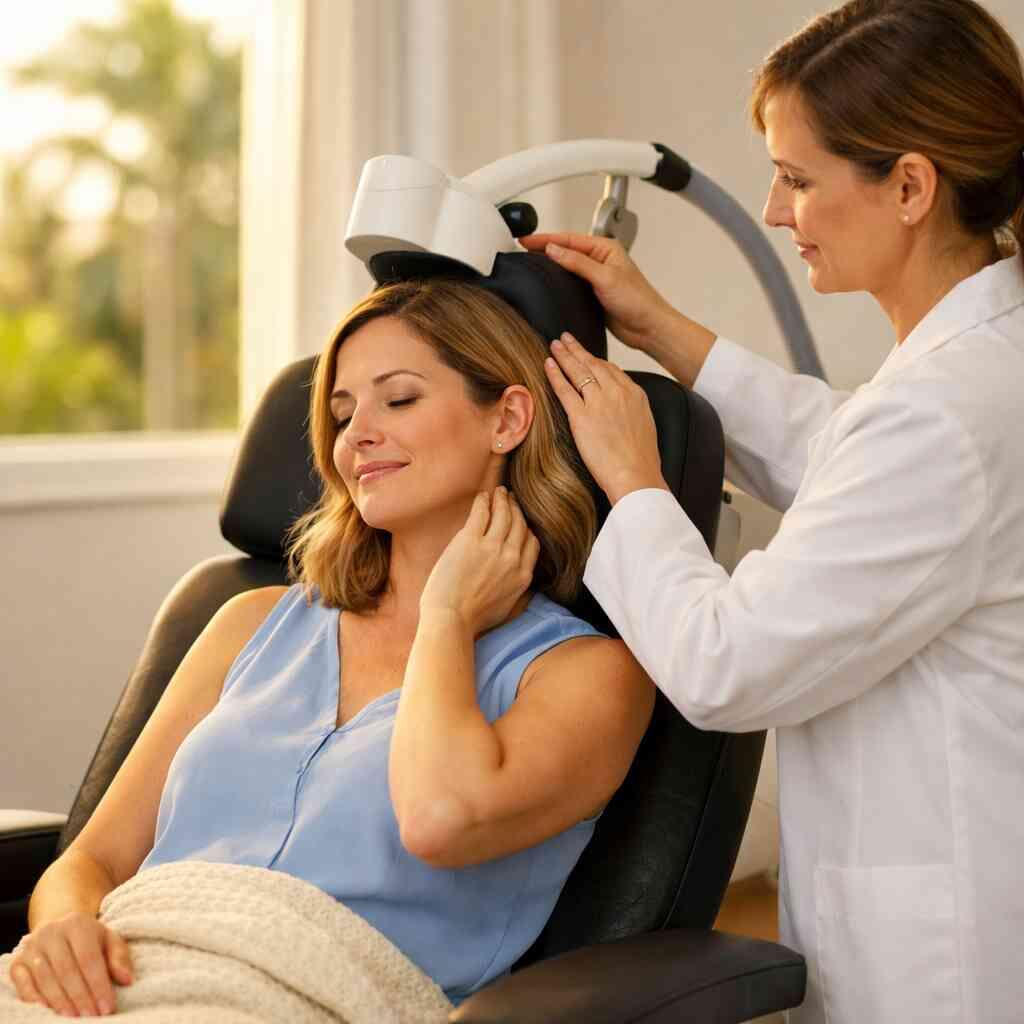
Florida life adds its own layer. Heat can drain you faster. Traffic between appointments can wear you down. A patient driving from Boca Raton to a TMS clinic Miami visit may feel the trip more than the treatment. Someone balancing work near TMS Fort Lauderdale or commuting from communities around TMS West Palm Beach may need tighter scheduling. In Orlando and Tampa, long drives and busy days can make aftercare planning just as important as the session itself.
That is why location matters. A good clinic understands local patterns, from seasonal residents to school schedules and summer storms. If you need help finding care closer to home, check our locations. The easier the logistics, the easier it is to stay consistent.
When recovery feels off and what move makes sense next
Which symptoms mean you should call a TMS psychiatrist Florida or check back with the clinic
Call the clinic if headaches become severe, if scalp pain worsens, or if you feel unusually agitated. Also reach out if your mood drops sharply, sleep collapses, or anxiety spikes beyond your usual range. A TMS psychiatrist Florida patients can trust should know about anything that feels off. That does not mean treatment has failed. It means the plan may need a small correction.
For safety, clinics in Florida should also operate within Florida Agency for Health Care Administration expectations for outpatient care. That matters because quality is not just about a machine. It is about monitoring, documentation, and responsible follow-up. If you want a closer look at the clinic team, our about us page can help you see the care philosophy before you call.
How TMS insurance coverage Florida and TMS cost Florida can affect the next phase of care
Money stress can complicate everything. TMS insurance coverage Florida varies by plan, diagnosis, and medical history. Some plans require prior authorization, symptom documentation, or proof that medications were tried first. That is why does insurance cover TMS in Florida is not a yes-or-no question. It depends on your policy and your clinical record.
We never guess about pricing because that would not be honest. TMS cost in Florida and coverage options should be reviewed after benefits are checked. If you are comparing clinics, ask for a benefits review in writing. That can help you avoid surprise bills and make the next phase of care easier to manage. For more detail, see our TMS insurance coverage in Florida resource.
Why the right next step may be continued treatment, a location check at /locations/, or a conversation about /addiction-tms/ and /depression-tms/
Sometimes the next move is simple: continue the series. Sometimes it is a location change. Sometimes it is a different service line. If depression remains the main issue, a review of depression treatment options may make sense. If cravings, relapse, or dual diagnosis concerns are part of the picture, a conversation about addiction treatment may fit better.
That is especially true in dual diagnosis treatment Florida settings, where depression and substance use overlap. The SAMHSA TIP guidance supports treating substance use disorders with structure and coordination, not guesswork. Research on rTMS for cravings, including work connected to the Medical University of South Carolina, adds another layer of interest. If you are considering TMS addiction recovery or TMS for substance use disorder, the right next step should be individualized, not rushed. You can also review our TMS treatment Florida for dual diagnosis care page for more context.
How to decide whether TMS near me Florida points to a quick follow up, a maintenance plan, or a different mental health service
If you are typing TMS near me Florida, start with the question behind the search. Do you need a quick follow-up because symptoms shifted? Do you need a maintenance plan because the benefit is fading? Or do you need a different mental health service because your needs have changed? That distinction saves time and keeps you from forcing a treatment that no longer fits.
The strongest sign of good care is flexibility. A thoughtful clinic will help you compare TMS reviews Florida, insurance details, and location access without pressure. It will also be honest if another path is better. If your search includes best TMS clinic Florida, look for clear explanation, not flashy promises. A good fit often feels calm, organized, and human.
Frequently Asked Questions
How long does it take to recover from TMS therapy?
Most people recover physically right away. Mild headache, scalp soreness, or tiredness may last a short time after a session. Brain-based benefits usually take longer and build across the treatment series. That is why how long it takes to recover from TMS therapy depends on whether you mean physical comfort or symptom improvement. For many patients, daily function returns the same day.
Can I drive after transcranial magnetic stimulation therapy?
Yes, most patients can drive after treatment. TMS does not use anesthesia or sedation. You may feel a little tired, though, so listen to your body. If you feel lightheaded or unusually uncomfortable, wait before driving. That simple caution supports returning to daily activities after TMS safely.
Is TMS safe for medication-resistant depression?
TMS is widely used for medication-resistant depression treatment and is generally well tolerated. Like any medical treatment, it can cause side effects, usually mild ones such as headache or scalp discomfort. Safety depends on proper screening, correct device use, and clinic monitoring. Evidence from major studies and clinical guidelines continues to support its role as a non-drug option.
Does insurance cover TMS in Florida?
Sometimes, yes. TMS insurance coverage Florida depends on your plan, diagnosis, and prior treatment history. Many insurers want proof that medications or therapy did not help enough. That means documentation matters. Your clinic can help check benefits, but you should always verify details directly with your plan.
What is the difference between deep TMS therapy and repetitive TMS?
Both are forms of non-invasive brain stimulation. Repetitive TMS is the broader category. Deep TMS therapy uses a different coil design intended to reach deeper brain targets. The best choice depends on your diagnosis, the clinic’s device, and your treatment goals. A careful consultation should explain which option fits your needs.
Can TMS help with anxiety, OCD, PTSD, or addiction recovery?
It may help some patients, depending on the condition and treatment plan. TMS for anxiety, TMS OCD therapy, TMS for PTSD Florida, and TMS addiction recovery all have growing research support, but outcomes vary. TMS works best when it matches your symptoms and is monitored over time. Ask the clinic how they track progress with tools like PHQ-9 or MADRS.
Where can I find TMS treatment Florida patients can trust?
Look for a clinic that explains the process clearly, checks insurance honestly, and respects your lived experience. A strong provider should discuss side effects, follow-up care, and diagnosis-specific planning. If you are comparing options across Miami, Fort Lauderdale, West Palm Beach, Orlando, or Tampa, start with location and availability. Then choose the place that gives you the clearest, calmest next step.


