1) When the meds stop working, the whole house feels it too
The hardest part is often not the diagnosis. It is the slow way the whole house starts orbiting it. If you are reading this after another medication change, take a breath. That feeling of disappointment is real, and it can settle into every room. Families often notice the mood shifts before the person in treatment does. Meals get quieter. Mornings feel tighter.
Why medication-resistant depression can ripple through routines, moods, and family roles
Medication-resistant depression does more than lower mood. It can flatten patience, disrupt sleep, and make small tasks feel huge. In many homes, that means one parent carries more, one partner withdraws, or the kids start adjusting themselves around the illness. We hear this from families almost every week. The pain is not dramatic all the time. For families needing immediate support, the SAMHSA National Helpline is one place to start. It is often a steady drain.
That ripple matters because depression does not stay inside one person. It changes tone, timing, and trust. A late school drop-off becomes a fight. A missed chore feels personal. In Florida, where many families juggle long commutes and split schedules, those cracks widen fast. Here is the part most families miss: the strain is often visible long before anyone says, “I need help.”
How TMS treatment Florida offers a non-drug depression treatment path without replacing the need for careful evaluation
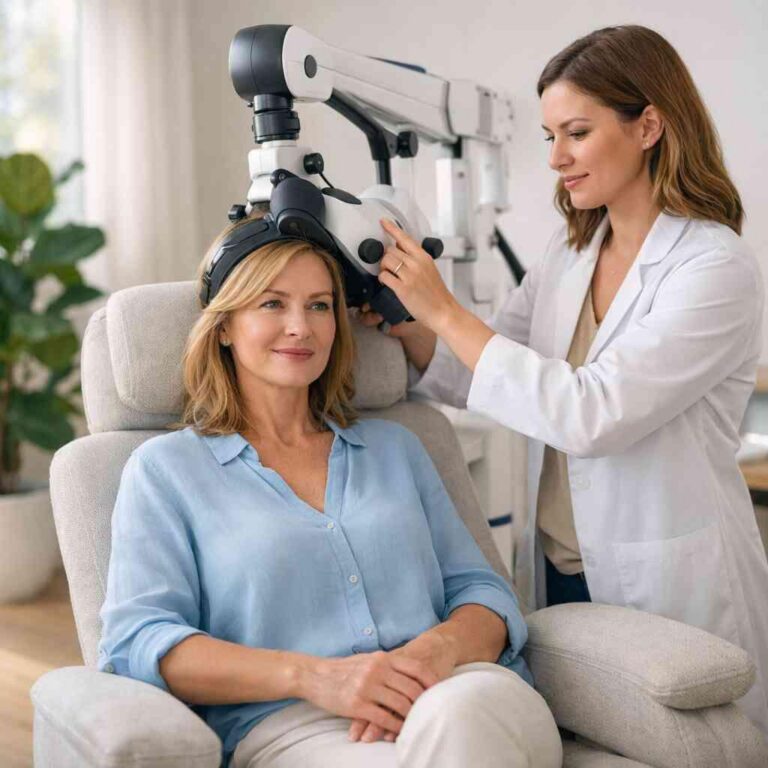
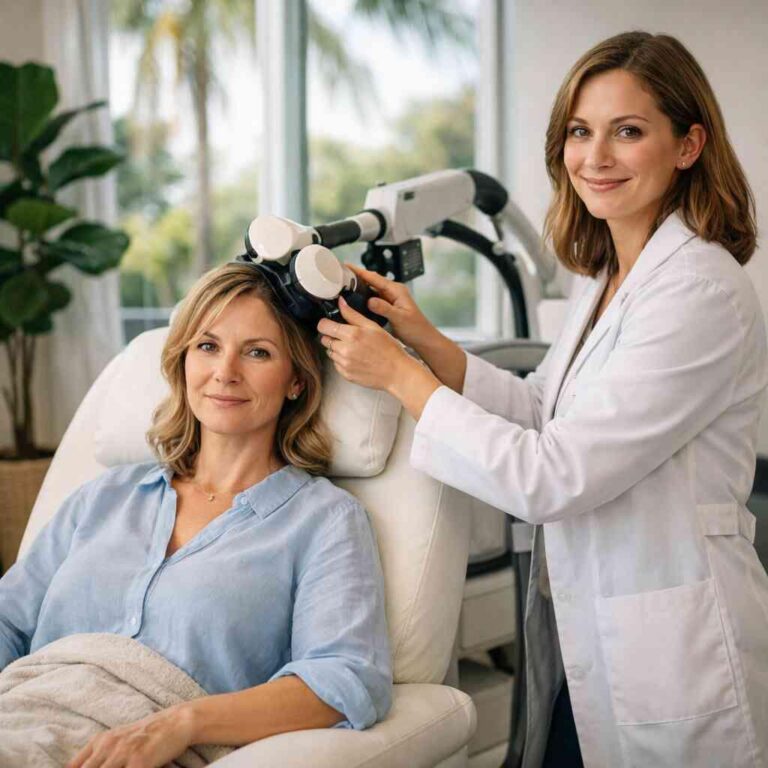
TMS treatment Florida gives families another path when medication has not been enough. Transcranial magnetic stimulation therapy uses non-invasive brain stimulation to target areas linked with depression. It does not replace a full evaluation. It does not work as a shortcut. But for people with TMS after failed medications, it can open a meaningful discussion.
The clinical conversation should stay grounded. For more background on conditions commonly discussed in TMS care, the National Institute of Mental Health has helpful topic guides. The 2018 Stanford work by Carpenter and colleagues helped strengthen interest in TMS for depression, and the broader evidence base continues to grow. FDA-approved depression treatment devices such as NeuroStar and BrainsWay helped move TMS into standard psychiatric care. If you want to read more about how TMS fits into care, the depression-focused overview is a useful starting point. Still, no responsible clinic should promise a specific result. Evaluation matters. So do history, symptoms, and safety.
What families in Miami, Orlando, Tampa, and South Florida often want to know about TMS near me Florida before they call
The question behind TMS near me Florida is rarely just location. It is usually, “Will this fit our life?” Families in Miami, Orlando, Tampa, and across South Florida ask about schedules, driving time, and whether they can keep working. Some also want to know if there is a TMS clinic Miami, TMS Fort Lauderdale, TMS West Palm Beach, TMS Orlando, or TMS Tampa that feels close enough to manage weekly visits. That practical question is fair. It is also smart.
One mother from Broward told us she had delayed care because she feared another months-long plan that would collapse after two weeks. Once she learned how sessions are usually structured, the fear eased. That is common. People want plain answers before they commit. If you are comparing options, a local page like Florida clinic locations can help you map distance before you ever make a call.
2) The quiet reset that makes mornings less brittle
What families often want is not a dramatic transformation. They want mornings that do not feel like a contact sport. They want fewer tears at the breakfast table. They want less tension before the first school bell. That is why TMS can feel different from many other treatments. It works quietly. It asks less of the day.
How transcranial magnetic stimulation therapy can fit beside school runs, work shifts, and caregiving in Florida homes
Transcranial magnetic stimulation therapy is often easier to fit around daily life than families expect. Sessions are typically outpatient, and people return home afterward. That matters when you are juggling school runs, shift work, or caregiving for an older parent. In Florida, traffic on I-95 or the Turnpike can turn any extra errand into a headache, so predictability matters. Families in Aventura, Coral Gables, Boca Raton, Delray Beach, and Winter Park often ask the same thing: “Can we make this work without blowing up the week?”
The answer depends on the plan, but the structure helps. TMS is not a hospital stay. It is a scheduled treatment that can often sit beside work and family life. Some clinics use repetitive TMS, while others offer deep TMS therapy depending on the diagnosis and device model. If you want a simple introduction, the main site explains the service model in plain language. The key point is simple: care can be serious without being disruptive.
Why TMS for anxiety can help when worry has turned into constant scanning, irritability, or shutdown
TMS for anxiety can matter when worry stops being a feeling and starts running the household. Some people live in a constant scan mode. They check, recheck, and brace for the worst. Others snap fast, then feel ashamed later. Some shut down completely. That is exhausting for everyone. It also makes family communication brittle.
A clinic should not overpromise here. Anxiety care is individual, and not every person with anxiety is a candidate. Still, many families ask about anxiety because they see the edges of life tightening. They want breakfast to feel normal again. They want conversations without a warning siren in every sentence. For a deeper look, the anxiety treatment page can help you understand where TMS may fit. The goal is not perfection. It is less strain.
What changes families may notice in energy, patience, and daily rhythm when the burden starts to loosen
The first changes families notice are often small. A person gets out of bed a little easier. They answer with less edge. They can sit through dinner without appearing half gone. In the projects we’ve seen this year, those little shifts often matter more than dramatic claims. They rebuild trust in daily life. They also reduce the invisible labor on everyone else.
TMS depression treatment Florida is not magic, and it should never be framed that way. But when the burden loosens, the rhythm of a home can change. Parents may notice more patience. Teens may notice fewer blowups. Partners may feel less like they are managing a crisis alone. If you want a safety-focused overview, side effects and safety facts is a practical place to start.
3) Why a brain treatment can change the way families communicate
Some families think the biggest problem is the symptom. Often, the deeper problem is the conversation pattern that grows around the symptom. Reassurance becomes endless. Questions repeat. Silence hardens into distance. That is where TMS can matter in a different way. It may not just change symptoms. It can change the tone of the house.
How TMS OCD therapy can reduce the loop of rituals and reassurance seeking that wears everyone down
TMS OCD therapy is one of the clearest examples of how brain-based treatment can affect the whole family system. OCD often pulls other people into the ritual. “Did I lock it?” becomes a dozen checks. “Are you sure?” becomes a family script. Everyone gets tired. Everyone becomes part of the loop. That wears people down fast.
A thoughtful clinic will talk about function, not just labels. How does TMS work in OCD care? It targets networks involved in stuck thoughts and repetitive behavior. For many families, that language helps more than vague reassurance. The OCD treatment page gives a stronger picture of what this can look like. Still, the most important point is this: less ritual pressure can mean more room for normal family life. That is a big deal.
What TMS for PTSD Florida and TMS for bipolar depression can mean when trauma, mood swings, or emotional strain shape the whole household
TMS for PTSD Florida and TMS for bipolar depression raise different questions, but families often feel them the same way. Trauma can make a home feel jumpy. Mood swings can make plans unstable. Emotional strain can turn a small disagreement into a full shutdown. If that sounds familiar, it is because many families live in that pattern quietly for years. A careful clinic should explain that treatment planning matters. TMS is not a one-size-fits-all fix, especially with complex histories. It may be considered alongside therapy, medication review, and ongoing psychiatric care. The PTSD support page and the bipolar disorder treatment page can help clarify the conversation. If a clinic talks only in glowing terms, keep asking questions. Real care leaves room for nuance. ### How compassionate planning can support teens and young adults without turning care into a family crisis 
Families often feel most unsure when the patient is young. TMS for teen depression and TMS for young adults bring extra layers of worry. Parents wonder about safety. Young people worry about being pushed into something they do not understand. Siblings notice the tension. That is why planning matters so much.
In the best setups, care stays calm and clear. The family knows who does what, when follow-up happens, and how consent and coordination work. That steadiness helps. It keeps treatment from becoming another crisis. It also prevents the home from turning into a monitoring station. If you are looking for more detail on treatment fit and team experience, the about page is worth a look before a consultation.
4) The support plan that matters when cravings, relapse, or dual diagnosis enter the picture
Addiction changes family life in a different way. Trust gets thin. Routines break. Safety conversations become constant. People often search for a single fix when what they really need is a layered plan. That is where TMS enters the conversation carefully, not as a cure-all, but as one possible part of broader behavioral health care.
How TMS addiction recovery and TMS for substance use disorder fit into broader Florida behavioral health care
TMS addiction recovery and TMS for substance use disorder are being studied as part of broader care, not as stand-alone answers. That distinction matters. The strongest models still include counseling, monitoring, and recovery support. SAMHSA guidance on substance use treatment keeps the focus on integrated care, and that is the right frame. TMS may support some people by targeting brain circuits tied to craving and control, but it should never replace recovery planning.
What we’ve seen in 2026 specifically is that families want clarity more than hype. They want to know if a clinic understands relapse risk, dual diagnosis, and medication coordination. They also want honesty about what research can and cannot say yet. For a focused overview, the addiction treatment page is a useful resource. It helps families think in layers, which is usually where real progress lives.
Why alcohol addiction brain stimulation and TMS for smoking cessation are being studied alongside counseling and recovery support
You may also hear about alcohol addiction brain stimulation and TMS for smoking cessation. These are active research areas. Studies, including work from the Medical University of South Carolina, suggest that rTMS may affect craving pathways in some people. That does not mean everyone should expect the same result. It does mean the science is active and worth watching.
The important thing is context. Smoking and alcohol use often sit beside stress, sleep loss, and depression. Families sometimes focus only on the substance, then miss the bigger pattern. TMS may be part of a wider recovery discussion, especially when a person is already engaged in therapy and medical care. The treatment should feel grounded, not experimental for the sake of novelty. If a clinic claims certainty here, slow down.
How dual diagnosis treatment Florida and TMS and EMDR combination ideas may help families think about layered care with realistic expectations
Dual diagnosis treatment Florida is the phrase many families need, even if they do not know it yet. It means a person is dealing with both mental health and substance use challenges. That overlap is common. It is also hard on families. Mood instability, cravings, trauma, and sleep problems can all feed each other.
This is where a TMS and EMDR combination may come up in conversation. The idea is not unusual. Trauma-focused therapy and neurostimulation can address different parts of the same problem. But the plan should be individualized, especially in a Florida behavioral health setting where access and follow-up vary by county. Families deserve honest expectations, not polished promises. For a broader insurance and cost discussion, the coverage page can help you ask sharper questions before you commit.
5) What families should ask before choosing a Florida clinic
Marketing can make every clinic sound identical. It is not. The best choice usually comes down to details that are easy to overlook when you are tired, worried, or in a rush. Ask better questions. Look for calm answers. That alone will tell you a lot.
How to compare a TMS clinic Miami, TMS Fort Lauderdale, TMS West Palm Beach, TMS Orlando, and TMS Tampa without getting lost in marketing
If you are comparing a TMS clinic Miami, TMS Fort Lauderdale, TMS West Palm Beach, TMS Orlando, or TMS Tampa, start with the basics. Who evaluates you? How is progress tracked? What does the clinic do if your symptoms change? A strong clinic should explain the process without jargon. It should also know local realities, from commute times to seasonal resident schedules.
Florida is not one market. It is several. Someone in Broward may have a very different access pattern than someone in Orange County or Hillsborough. That is why location pages matter, including the county locations resource and the broader Florida location map. A clinic that understands local access barriers is usually easier to work with. That does not guarantee outcome, but it does improve the experience.
What to ask about TMS insurance coverage Florida, TMS cost Florida, and does insurance cover TMS in Florida before you commit
Money questions feel uncomfortable. They should not. Families deserve clear answers about TMS insurance coverage Florida, TMS cost Florida, and does insurance cover TMS in Florida before they commit. Ask for verification in writing. Ask whether your plan needs prior authorization. Ask what happens if coverage changes during treatment. That is not being difficult. That is being careful.
Here is a simple table you can use when comparing clinics:
QuestionWhat a clear answer sounds likeWhy it mattersInsurance coverage”We verify benefits before scheduling.”Prevents surprise billsCost estimate”We give a written estimate after benefits review.”Helps you planEligibility”A clinician reviews diagnosis and history.”Keeps care appropriateSchedule fit”We discuss session timing early.”Protects work and school routinesIf you want a starting point for billing questions, the insurance and costs page is the right place to begin. The details matter more than glossy language. Always.
Why treatment planning, safety discussions, TMS side effects safety, and a look at maintenance therapy can matter more than flashy claims
TMS side effects safety should be discussed plainly. Most people want to know about headache, scalp discomfort, or fatigue, and they should get straight answers. A responsible clinic will explain what is common, what is rare, and when to call. It should not shrug off concerns. It should not talk around them either. Safety is part of trust.
Ask about TMS maintenance therapy too. Some people need follow-up care to support longer-term results, and families should know that before they start. The TMS therapy success rate is always best discussed with context, not as a slogan. If a clinic offers a realistic plan, tracks symptoms with tools like the PHQ-9 or MADRS, and respects your questions, that is a strong sign. If you want to compare broader options, how to choose a TMS clinic in South Florida is a practical guide. You do not have to sort it all out today. Start with one careful conversation.
Frequently Asked Questions
What is TMS therapy, and how does it help families?
TMS therapy uses magnetic pulses to stimulate targeted brain areas linked with mood and behavior. Families often benefit when symptoms ease and daily routines become more stable. It is usually outpatient, which helps with work and school schedules. The best clinics also track progress with symptom tools and regular follow-up. That keeps care grounded in real changes, not guesswork.
Does TMS work for medication-resistant depression?
TMS is commonly considered for medication-resistant depression, especially when several medications have not helped enough. Research, including the 2018 Carpenter study, supports its use in depression care. Still, no ethical clinic should promise a specific outcome. Progress varies by person, diagnosis, and treatment plan. A full psychiatric evaluation remains essential.
Is TMS safe for Florida families to consider?
Yes, TMS is generally considered a safe, non-invasive treatment when properly screened and monitored. Common side effects can include scalp discomfort or headache. A clinic should explain safety clearly before treatment starts. Ask how they handle side effects and what follow-up looks like. That conversation is a normal part of good care.
Does insurance cover TMS in Florida?
Often, yes, but coverage depends on the plan and medical criteria. Some policies require prior authorization and documented treatment history. That is why benefit verification matters before you schedule. Ask the clinic to review coverage and give you a written estimate when possible. It saves stress later.
Can TMS help with anxiety, OCD, PTSD, or bipolar depression?
TMS is used most often for depression, but it is also discussed in care planning for anxiety, OCD, PTSD, and bipolar depression. The evidence and clinical fit vary by condition. A careful evaluation should decide whether it is appropriate. Good clinics will explain the limits, not just the possibilities. That honesty matters.
How do I choose the best TMS clinic in Florida?
Look for a clinic that explains evaluation, safety, insurance, and follow-up without pressure. Ask who reviews your case, how they track progress, and whether they coordinate with your therapist or psychiatrist. Local access matters too, especially in busy areas like Miami-Dade, Broward, Palm Beach, Orange, and Hillsborough counties. If the clinic answers clearly and respectfully, that is a strong sign.