
Beyond the Compulsion: A New Dawn in OCD Management
The landscape of obsessive-compulsive disorder treatment is undergoing a profound transformation, moving beyond traditional management to genuine neurological intervention. For countless individuals, the relentless cycle of intrusive thoughts and compulsive behaviors has defined their daily existence, often resisting conventional therapeutic approaches. Today, a new dawn emerges from the integration of sophisticated neuromodulation technology with a deep understanding of the brain’s circuitry. This paradigm shift offers more than just symptom suppression; it promises a recalibration of the very neural pathways responsible for OCD’s grip. At the forefront of this revolution is Transcranial Magnetic Stimulation (TMS) treatment, a non-invasive modality that is redefining recovery. Our mission is to illuminate this path, providing a beacon of hope for those seeking liberation from the confines of treatment-resistant OCD through advanced, evidence-based care.
The Evolution of TMS Therapy for Obsessive-Compulsive Disorder
The journey of TMS therapy for obsessive-compulsive disorder represents a remarkable evolution in psychiatric intervention, building upon decades of neuroscientific discovery. Initially pioneered for major depression, researchers quickly recognized its potential to modulate other circuits implicated in mood and anxiety disorders. The pivotal breakthrough came with the precise identification of the cortical-striatal-thalamic-cortical (CSTC) loop as a central player in OCD symptomatology. This understanding allowed clinicians to refine TMS protocols, shifting from broad stimulation to highly focused neuromodulation of specific brain regions like the supplementary motor area and the dorsolateral prefrontal cortex. Consequently, modern protocols have become significantly more effective, offering a legitimate alternative for patients who have exhausted first-line treatments. This continuous refinement underscores the dynamic nature of TMS therapy for OCD, ensuring that therapeutic strategies evolve in lockstep with scientific advancement.
Furthermore, the transition from standard figure-eight coils to Deep TMS systems marked a critical technological leap forward. These advanced coils generate magnetic fields capable of reaching deeper brain structures previously inaccessible to superficial stimulation. This depth is crucial for effectively engaging the neural networks central to OCD, leading to more robust and sustained clinical outcomes. The development of these advanced OCD treatment protocols has been guided by rigorous clinical trials, solidifying TMS’s role in the therapeutic arsenal. As a result, what was once considered an experimental option is now an established, FDA-cleared treatment for obsessive-compulsive disorder. This evolution reflects a broader commitment to harnessing technology for mental wellness, providing a non-invasive yet powerful tool for neurological change. The progression from concept to cornerstone treatment exemplifies the innovative spirit driving modern psychiatry forward.
Understanding the Neurological Roots of Obsessive Thoughts
To appreciate the mechanism of effective treatment, one must first understand the neurological underpinnings of obsessive thoughts and compulsive rituals. Obsessive-compulsive disorder is fundamentally a disorder of brain communication, characterized by hyperactivity in specific circuits that govern habit, fear, and error detection. Functional imaging studies consistently show abnormal activity in the orbitofrontal cortex, anterior cingulate cortex, and the striatum, regions involved in decision-making, anxiety, and behavioral control. This hyperactive loop essentially creates a “stuck” signal, a persistent feeling that something is wrong or incomplete, which drives the compulsive need to perform rituals. This biological basis moves OCD beyond a mere psychological habit, framing it as a tangible, measurable condition of brain function. Recognizing this is the first step toward destigmatizing the disorder and pursuing targeted biological interventions.
This neurobiological model explains why willpower alone is often insufficient to break the cycle of OCD. The disorder is rooted in automatic, subconscious processes that operate below the level of conscious thought. Traditional talk therapy, while valuable for developing coping strategies, may not directly quiet this overactive neural circuitry. This is where non-invasive neuromodulation for obsessive thoughts presents a compelling solution. By applying focused magnetic pulses to key cortical regions, TMS can gently downregulate excessive activity and enhance connectivity in underactive areas. The goal is not to erase thoughts but to restore balance to the brain’s alarm and control systems, reducing the distress and urgency associated with obsessions. This targeted approach addresses the core pathophysiology, offering a path to relief that aligns with the very nature of the disorder itself. Understanding these roots empowers patients and clinicians to choose interventions that match the problem’s origin.
Why Traditional Approaches Fall Short and TMS Offers Hope
For many individuals with OCD, the journey through traditional treatments can be a disheartening experience marked by partial responses and frustrating plateaus. First-line interventions typically include selective serotonin reuptake inhibitors (SSRIs) and cognitive-behavioral therapy (CBT), specifically Exposure and Response Prevention (ERP). While effective for a significant portion of patients, a substantial subset-often categorized as having treatment-resistant OCD-finds limited relief from these methods. Medications may cause intolerable side effects or simply fail to alleviate symptoms, while the intense nature of ERP can be overwhelming, leading to high dropout rates. This gap in care leaves a vulnerable population feeling hopeless, as if they have tried everything without success. The limitation often stems from an inability of these approaches to directly modulate the dysfunctional brain networks that perpetuate the disorder.
In contrast, Transcranial Magnetic Stimulation for OCD offers a fundamentally different mechanism of action, providing hope where other methods have stalled. As a non-invasive OCD therapy, TMS works directly on the neural source of symptoms without systemic medication or the psychological demand of exposure exercises. It represents a third pillar of treatment, one based on neuromodulation rather than pharmacology or behavioral conditioning alone. For those with treatment-resistant OCD, this can be the pivotal difference, offering a chance for significant symptom reduction and improved quality of life. The therapy is outpatient, requires no anesthesia, and allows patients to resume their daily activities immediately after each session. This blend of direct neurological impact and practical accessibility positions TMS as a cornerstone of modern, integrative mental health care. It is not merely another option, but a new category of hope for reclaiming a life defined by freedom, not compulsion.
Decoding the 2026 Protocol: Breakthroughs in Neuromodulation
The current landscape of TMS is defined by precision, personalization, and powerful evidence, moving far beyond a one-size-fits-all application. Recent advancements have coalesced into sophisticated protocols that represent the next generation of neuromodulation for obsessive-compulsive disorder. These breakthroughs are transformative, leveraging cutting-edge imaging, computational modeling, and a refined understanding of brain network dynamics. The modern protocol is a tailored prescription for the brain, designed to interact with an individual’s unique neurobiology for optimal effect. This section will decode the core components of these contemporary approaches, illustrating how they synergize to produce the superior outcomes observed in leading clinics today. The integration of these elements marks a new era in evidence-based TMS for OCD, where treatment is as unique as the individual receiving it.
Advanced Targeting: The Science Behind Deep TMS for OCD
The efficacy of any neuromodulation therapy hinges on its ability to engage the correct neural target with sufficient intensity. This is the cornerstone of advanced deep TMS protocols for OCD, which utilize specialized H-coils to deliver magnetic fields that penetrate deeper into the brain’s architecture. Unlike superficial coils, these advanced systems can effectively reach and stimulate key structures within the CSTC loop, such as the anterior cingulate cortex and medial prefrontal regions. The science behind this involves sophisticated electromagnetic field modeling to ensure the magnetic energy is concentrated where it is therapeutically needed most. This deep and broad stimulation is crucial for modulating the distributed network dysfunction characteristic of OCD, rather than just a single cortical point. Consequently, patients experience more comprehensive network modulation, which correlates with broader symptom relief.
Moreover, targeting has evolved from anatomical landmarks to functional connectivity maps. Clinicians now often use individual fMRI or neuronavigation data to pinpoint the specific cortical representation of a patient’s dysfunctional circuit. This targeted magnetic stimulation for OCD ensures the therapeutic pulses are focused on the brain area that is most hyperconnected or hypoactive in that particular individual. This shift from standardized to patient-specific targeting is a major factor behind improved response rates. The protocol involves delivering rhythmic pulses to these precise locations, which can induce long-term potentiation or depression of synaptic activity, essentially “retuning” the brain’s communication pathways. This precise neuromodulation for obsessive thoughts represents a fusion of engineering brilliance and clinical neuroscience, creating a powerful tool for direct brain network intervention. The result is a more efficient and effective course of treatment, maximizing the potential for meaningful and lasting change.
Personalized Pulse Sequences: Tailoring Treatment to the Individual Brain
Beyond anatomical targeting, the next frontier in TMS efficacy lies in the personalization of stimulation parameters-the “prescription” of magnetic pulses. Modern personalized TMS therapy moves past fixed frequency settings (like standard 10Hz or 1Hz) to embrace dynamic, adaptive protocols. These personalized pulse sequences are informed by quantitative EEG (qEEG) or other neurophysiological biomarkers that reveal an individual’s unique brain rhythm signature. For instance, a patient whose brain shows excessive theta wave activity in the prefrontal cortex might receive a different frequency pattern than someone with a different electrophysiological profile. This biofeedback-informed approach ensures the brain is receiving stimulation designed to correct its specific pattern of dysregulation, not a generic pattern assumed to work for all.
This customization extends to the treatment trajectory itself, with protocols being adjusted in real-time based on clinical response and tolerability. The concept of “dose” in TMS is multifaceted, encompassing not just the number of pulses, but their intensity, frequency, pattern, and the inter-train intervals. Advanced software now allows clinicians to craft complex pulse trains that can more effectively entrain neural oscillations and promote neuroplasticity. This level of individualization is what defines cutting-edge TMS protocols and is a key differentiator for premier clinics. It acknowledges the fundamental truth that each brain is as unique as a fingerprint, and therefore, each treatment plan should be equally distinct. By tailoring the TMS treatment for obsessive compulsive disorder to the individual’s neurophysiology, we enhance engagement, improve tolerability, and ultimately, drive superior therapeutic outcomes. This is the embodiment of precision medicine in psychiatry.
Integrating Protocols for Co-occurring Depression and Anxiety Disorders
Obsessive-compulsive disorder rarely exists in a vacuum; it frequently co-occurs with major depressive disorder and other anxiety conditions. This clinical reality necessitates an integrated treatment approach that addresses the entire symptomatic landscape. Modern TMS therapy for anxiety disorders and depression utilizes protocols that can be seamlessly combined or sequenced to treat these comorbid conditions effectively. For example, a treatment plan may initially focus on stimulating the dorsolateral prefrontal cortex to alleviate depressive symptoms and improve motivational capacity. Subsequently, or concurrently, the protocol can incorporate stimulation of the ventromedial prefrontal or supplementary motor areas to target the core anxiety and compulsions of OCD. This integrated strategy recognizes that treating one condition in isolation often yields suboptimal results, as symptoms are neurologically intertwined.
The ability to integrate TMS for co-occurring disorders is a significant advancement, moving away from a single-disorder model to a whole-person neuromodulation strategy. Clinicians design comprehensive plans that map different stimulation protocols to the various neural circuits implicated in a patient’s unique presentation. This might involve dual-target stimulation within a single session or alternating protocols across a treatment course. The evidence strongly supports that addressing comorbid depression can enhance engagement in OCD treatment and improve overall functional outcomes. Furthermore, this integrative model is more efficient and patient-centered, reducing the need for multiple, separate treatment journeys. By offering a unified, TMS depression and OCD treatment plan, clinics provide a holistic path to wellness that acknowledges the complexity of the human brain and lived experience. This sophisticated integration is a hallmark of truly advanced, compassionate care.
The Evidence-Based Framework Supporting Next-Generation TMS
The adoption of these advanced protocols is not driven by trend but is firmly grounded in a robust and growing evidence-based framework. This foundation is built upon a pyramid of research: foundational neuroimaging studies, randomized controlled trials (RCTs), large-scale meta-analyses, and now, real-world outcome data from clinical practice. Recent years have seen a surge in high-quality studies specifically investigating deep TMS for OCD, consistently demonstrating significant reductions in Yale-Brown Obsessive Compulsive Scale (Y-BOCS) scores for treatment-resistant populations. This empirical support provides the confidence needed for both clinicians and patients to pursue this innovative treatment path. The framework also includes rigorous safety data, confirming the excellent tolerability profile of TMS when administered by trained professionals using established protocols.
Furthermore, the evidence base now compellingly supports the long-term durability of TMS benefits for OCD, especially when paired with appropriate maintenance sessions. Studies tracking patients for a year or more post-treatment show that a majority maintain their clinical gains, a critical metric for any chronic condition. This research into long-term OCD management with TMS informs modern clinical guidelines, which now include clear pathways for acute, continuation, and maintenance phases of treatment. The framework is dynamic, continuously incorporating new findings on personalized pulse sequences and targeting strategies. This commitment to evidence ensures that every protocol innovation is measured against the highest standard of scientific scrutiny. For patients in Florida and beyond, this means accessing treatments that are not only cutting-edge but also proven, safe, and effective. This solid foundation of knowledge transforms hope into tangible, expected outcomes for recovery.
The Florida Advantage: Accessing Cutting-Edge TMS Treatment
Florida has emerged as a national leader in providing accessible, state-of-the-art neuromodulation therapies, creating a distinct advantage for residents seeking relief from OCD. The state’s commitment to healthcare innovation, combined with a diverse and growing network of specialized clinics, ensures that advanced treatment is never far from home. From the vibrant communities of South Florida to the expanding metropolitan areas across the peninsula, patients have unprecedented access to next-generation TMS treatment. This geographic and clinical infrastructure is designed to dismantle barriers to care, offering a seamless pathway from diagnosis to transformative therapy. The Florida advantage is more than location; it is an ecosystem of expertise, technology, and patient-centered service that collectively raises the standard for mental health treatment across the region.
A Statewide Network of TMS Therapy Excellence
The strength of Florida’s TMS landscape lies in its interconnected, statewide network of clinics operating under unified standards of excellence. This network ensures that whether a patient resides in Jacksonville, Orlando, Tampa, or Sarasota, they can access the same high-caliber TMS therapy in Florida. These clinics are staffed by psychiatrists and technicians who are not only certified in TMS administration but are also specialists in the nuances of treating complex, treatment-resistant conditions like OCD. They participate in ongoing professional education, staying abreast of the latest protocol updates and clinical research findings. This collective expertise creates a community of practice that benefits every patient, as insights and innovations are rapidly shared and implemented across the network. Consequently, care is consistently excellent, no matter which clinic door you walk through.
This coordinated approach also facilitates continuity of care for patients who may travel or relocate within the state. Medical records and treatment parameters can be seamlessly transferred between affiliated locations, preventing disruptive gaps in therapy. The network is bolstered by partnerships with leading academic and research institutions within Florida, fostering an environment of continuous improvement and clinical trial access. Patients benefit from this collaborative spirit, receiving care that is informed by the latest academic insights and real-world clinical experience. The existence of this robust network means that seeking TMS treatment in Florida for OCD is not a leap into the unknown, but a step into a well-established, reputable, and scientifically-grounded system of care. It represents a reliable infrastructure dedicated to mental wellness, built to serve the diverse needs of Florida’s population.
What Sets Our South Florida TMS Therapy Center Apart
Within this statewide network, our South Florida TMS therapy center embodies a distinctive philosophy that prioritizes deep personalization and exceptional patient experience. What truly sets us apart is our unwavering commitment to treating the individual, not just the diagnosis. From the initial consultation, our focus is on understanding the unique narrative of each person’s struggle with OCD-their specific obsessions, the impact on their life, and their previous treatment history. This comprehensive assessment informs every aspect of the treatment plan, from the initial brain mapping to the ongoing adjustment of protocols. We integrate advanced diagnostic tools, including detailed clinical interviews and, when indicated, qEEG assessments, to build a complete neuroclinical profile. This depth of evaluation is the bedrock of our personalized TMS therapy in South Florida.
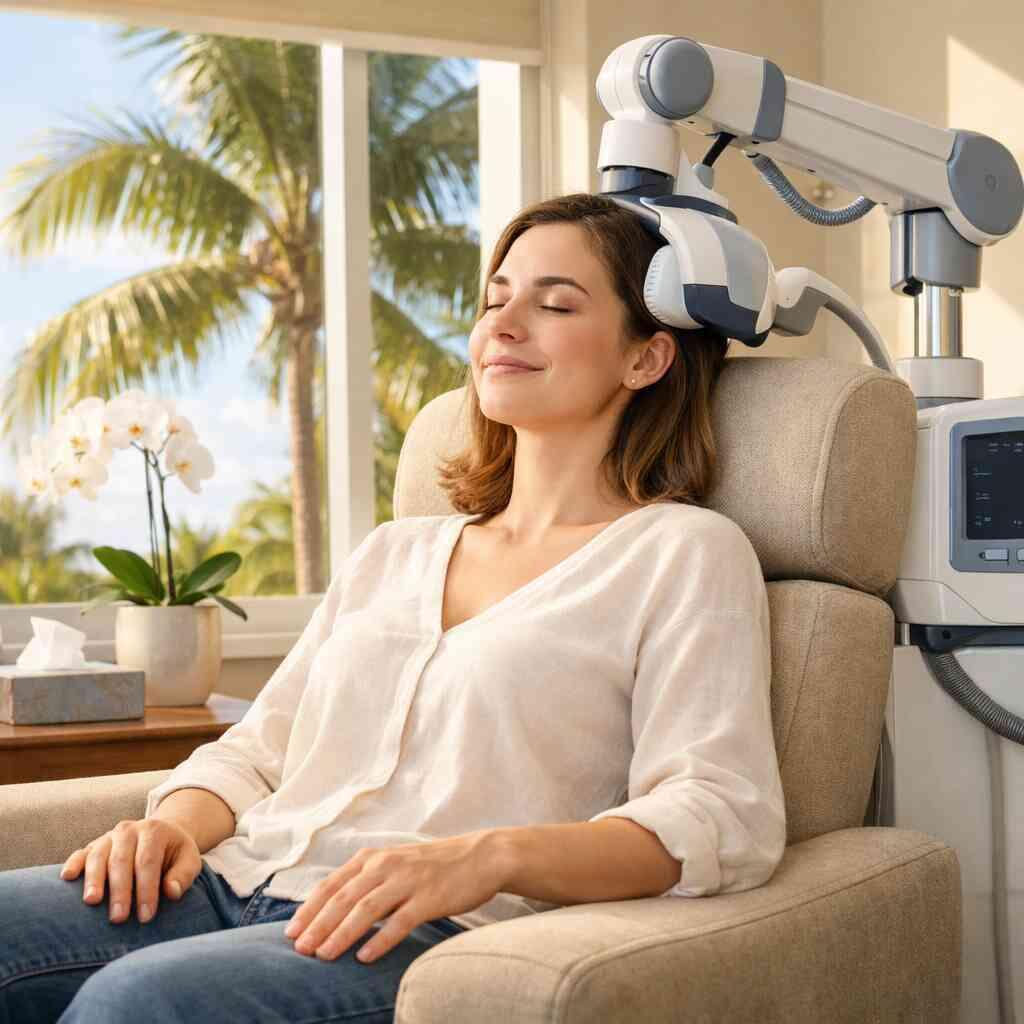
Furthermore, our center is distinguished by its investment in the most current mental wellness technology. We utilize advanced Deep TMS systems with neuronavigation capabilities, allowing for millimeter-precise targeting based on individual brain anatomy. Our treatment rooms are designed for comfort and tranquility, understanding that a relaxed state can enhance the neuroplastic effects of stimulation. Beyond the technology, it is our team’s expertise and compassionate approach that defines the experience. Every staff member is dedicated to creating a supportive, stigma-free environment where patients feel heard, respected, and empowered throughout their journey. This combination of cutting-edge science and heartfelt human connection creates the transformative TMS therapy experiences that our patients report. It is this holistic dedication to excellence in both technology and care that positions our center as a destination for those seeking the most advanced OCD treatment available.
From Duval to Miami-Dade: Bringing Transformative Care to Your Community
Accessibility is a core tenet of modern healthcare, and our mission is to deliver transformative care directly to the communities where our patients live and work. We have strategically established clinics across Florida’s diverse counties to ensure that distance is never a prohibitive factor in receiving life-changing treatment. For residents in the northeast, our TMS clinic in Duval County offers the full spectrum of advanced protocols, serving Jacksonville and its surrounding areas with the same excellence found in our southern locations. Similarly, in the central region, individuals can access specialized care through our TMS treatment in Orange County for OCD, providing a vital resource for the Orlando metropolitan community. This geographic commitment eliminates the need for burdensome long-distance travel, making a consistent, daily treatment schedule practical and sustainable.
The expansion continues southward, with dedicated centers in Broward County and Palm Beach County, bringing next-generation TMS treatment to Fort Lauderdale, Boca Raton, West Palm Beach, and their neighboring cities. Finally, in the heart of South Florida, our Miami-Dade County location stands as a hub of innovation and multicultural care. Each clinic is fully equipped and staffed to provide the complete suite of personalized TMS services, from comprehensive evaluation to acute treatment and maintenance planning. This decentralized model of excellence ensures that whether you are in a bustling urban center or a growing suburban community, premier TMS therapy in Florida is within reach. We believe that groundbreaking mental health treatment should not be centralized but distributed, woven into the fabric of the communities we are privileged to serve. This is how we fulfill our promise to bring hope and healing directly to your doorstep.
The Patient Journey at a Premier TMS Clinic in Florida
Embarking on TMS therapy for OCD at a premier clinic is a structured, supportive, and collaborative journey designed for clarity and comfort. The process begins with a thorough consultation with a TMS psychiatrist, who will conduct an in-depth clinical assessment to determine if TMS is an appropriate intervention for your specific case of OCD. This conversation will review your symptom history, previous treatments, and overall health goals. If TMS is recommended, the next step involves a detailed treatment planning session, which may include a brain mapping procedure to identify your individual motor threshold and optimal stimulation sites. This careful, upfront planning is crucial for maximizing the efficacy and safety of the treatment, ensuring the protocol is truly tailored to your neurobiology.
Once the plan is established, the acute treatment phase begins, typically involving daily sessions over several weeks. Each session is brief, lasting about 20-40 minutes, during which you recline comfortably while the magnetic coil delivers precise pulses. You are awake and alert throughout, able to listen to music or simply relax. A trained technician is always present to ensure your comfort and monitor the equipment. Progress is tracked consistently through standardized rating scales and regular check-ins with your doctor, allowing for protocol adjustments if needed. Following the acute phase, a taper or maintenance schedule is often recommended to consolidate and sustain the gains achieved. This entire patient journey at a premier TMS clinic in Florida is characterized by transparency, ongoing communication, and a team-based approach dedicated solely to your recovery. From the first phone call to the final follow-up, you are guided by experts committed to helping you achieve lasting freedom from OCD symptoms.
Charting the Path Forward: Long-Term Wellness and Symptom Relief
The conclusion of an initial TMS treatment course is not an endpoint, but a powerful new beginning on the path to sustained mental wellness. Modern therapeutic philosophy recognizes OCD as a chronic condition that benefits from a long-term management strategy, much like hypertension or diabetes. The goal of advanced TMS treatment protocols is to induce a significant and durable reduction in symptom burden, creating a stable platform from which individuals can rebuild their lives. This final section explores how the benefits of TMS extend far beyond the treatment chair, contributing to a sustainable future of reduced compulsions and greater life engagement. We will examine the strategies for maintaining wellness, the horizon of emerging technologies, and the profound process of reclaiming a life once dominated by obsessive thoughts.
Sustaining Outcomes: The Role of TMS in Long-Term OCD Management
Achieving symptom reduction is a monumental victory, but the true measure of a treatment’s value lies in its ability to sustain those outcomes over months and years. Long-term OCD management with TMS is an active and planned process, not a passive hope. For many patients, the initial intensive treatment phase successfully “resets” hyperactive neural circuits, leading to a substantial decrease in Y-BOCS scores. To protect this progress, clinicians often recommend a structured maintenance protocol. This may involve periodic TMS sessions-weekly, bi-weekly, or monthly-tailored to the individual’s response pattern. These maintenance sessions act as a “tune-up” for the brain, helping to consolidate the neuroplastic changes and prevent the gradual return of dysfunctional circuit activity. This proactive approach is a cornerstone of evidence-based TMS therapy for long-term OCD management.
Furthermore, long-term success is best supported by integrating TMS with other elements of a holistic wellness plan. This can include ongoing mindfulness practice, which strengthens prefrontal cortex regulation, or continued work with a therapist to develop healthy cognitive and behavioral patterns in the new neurological context. The reduced symptom intensity provided by TMS often makes patients more receptive and engaged in these adjunctive therapies. Clinics play a crucial role in this sustained phase by monitoring patient progress, offering booster sessions when early warning signs of symptom flare-ups appear, and providing continued education and support. This comprehensive model views TMS not as a cure, but as a powerful tool that enables effective long-term disease management. It transforms the prognosis for treatment-resistant OCD from one of managed decline to one of managed wellness and enduring freedom.
Mental Wellness Technology and the Future of Non-Invasive Therapy
The field of mental wellness technology is advancing at a breathtaking pace, promising an even more sophisticated and accessible future for non-invasive therapy. While TMS remains a gold standard, it exists within a broader ecosystem of neuromodulation and digital therapeutics. Research is actively exploring the synergistic potential of combining TMS with other modalities, such as transcranial direct-current stimulation (tDCS) or real-time fMRI neurofeedback, to enhance and prolong therapeutic effects. The future also points toward the development of potentially home-based, wearable neurostimulation devices for maintenance, though these are not yet FDA-cleared for OCD. This trajectory aims to increase the convenience and continuity of care, making sustained wellness more achievable for everyone. The integration of artificial intelligence to analyze treatment response data and predict optimal protocol adjustments is another exciting frontier on the horizon.
Concurrently, the landscape of psychiatric treatment is expanding to include other novel interventions for the most resistant cases. While distinct from neuromodulation, therapies like ketamine therapy for treatment-resistant conditions and emerging research into psilocybin treatment options represent parallel paths being explored within comprehensive mental health practices. These modalities work on different neurochemical systems, such as the glutamate pathway, and may offer alternative or sequential options for individuals who need a multi-pronged biological approach. The future of mental healthcare is undoubtedly integrative, leveraging a toolkit of evidence-based interventions-from targeted magnetic stimulation protocols to novel pharmacotherapies-tailored to the individual’s unique neurobiology and life circumstances. This commitment to innovation ensures that the journey toward mental wellness is continually supported by the most effective and compassionate tools science can provide.
Empowering Recovery: Reclaiming Your Life from Treatment-Resistant OCD
The ultimate purpose of any medical intervention is to restore the individual to a life of purpose, connection, and joy. Empowering recovery from treatment-resistant OCD is about much more than lowering a score on a scale; it is about the reclamation of time, energy, and identity. Successful TMS treatment often creates a pivotal shift: the mental space once consumed by rituals and anxiety becomes available for family, work, hobbies, and peace. Patients report rediscovering aspects of themselves that had been buried under the disorder for years-their creativity, their spontaneity, their capacity for uninterrupted presence. This reclamation is a deeply personal and transformative process, marking the transition from a life organized around OCD to a life defined by personal values and aspirations. It is the point where clinical success translates into human triumph.
This empowerment is fostered within a therapeutic relationship that views the patient as the central agent of their own recovery. Education about the neurobiology of their condition demystifies their experiences and reduces self-blame. Guidance on how to navigate the “new normal” of reduced symptoms helps individuals rebuild routines and relationships without fear. The support doesn’t end when the treatment course concludes; premier clinics remain a resource for guidance, encouragement, and maintenance care as needed. The journey with TMS therapy for treatment-resistant OCD is, therefore, a partnership-a collaboration between advanced science and human resilience aimed at a single goal: liberation. If you or a loved one has felt limited by OCD despite trying multiple treatments, we encourage you to explore the possibilities that modern TMS therapy for OCD in Florida can offer. Your path to reclaiming your life begins with a conversation, and we are here to listen.
Frequently Asked Questions
Question: What is the latest breakthrough in TMS therapy for OCD that you discuss in the ‘TMS Treatment Florida 2026 Update on OCD Protocol Success’?
Answer: The latest breakthrough centers on next-generation TMS treatment protocols that integrate advanced targeting and personalized pulse sequences. Unlike older methods, our cutting-edge TMS protocols at TMS Treatment Florida utilize Deep TMS systems with specialized H-coils to effectively modulate the deeper brain circuits involved in OCD, such as the cortical-striatal-thalamic-cortical loop. Furthermore, we employ quantitative EEG and functional imaging to create a fully personalized TMS therapy plan tailored to your individual brain’s rhythm and connectivity. This evidence-based TMS for OCD represents a significant leap from a one-size-fits-all approach, offering more precise neuromodulation for obsessive thoughts and leading to the superior patient outcomes we see in our Florida clinics.
Question: How does TMS treatment for obsessive compulsive disorder differ from traditional therapies like medication or ERP?
Answer: Transcranial Magnetic Stimulation for OCD offers a fundamentally different, non-invasive OCD therapy that addresses the neurological roots of the condition directly. While medications work systemically and Exposure and Response Prevention (ERP) addresses behaviors, TMS therapy for OCD uses targeted magnetic stimulation to gently recalibrate the overactive brain networks responsible for obsessive thoughts and compulsions. This makes it particularly effective for treatment-resistant OCD where traditional approaches have fallen short. At our TMS clinic in Florida, we provide this direct neuromodulation without the systemic side effects of drugs or the intense psychological demand of ERP, offering a new pillar of hope for sustainable symptom relief.
Question: I have both OCD and depression. Can TMS therapy in Florida address these co-occurring disorders?
Answer: Absolutely. A key advantage of our advanced OCD treatment protocols is their ability to be integrated seamlessly for co-occurring conditions. We design comprehensive, personalized TMS therapy plans that simultaneously or sequentially target the different neural circuits implicated in both OCD and depression. For instance, we may stimulate the dorsolateral prefrontal cortex to alleviate depressive symptoms while also targeting areas like the supplementary motor area for OCD compulsions. This integrated TMS depression and OCD treatment approach, offered across our statewide network from South Florida to Duval County, ensures we treat the whole person, leading to more robust and holistic recovery.
Question: What does the patient journey look like at a premier TMS clinic in Florida?
Answer: The journey at TMS Treatment Florida is a structured, supportive path designed for clarity and comfort. It begins with a thorough consultation with our specialist psychiatrists to determine if TMS treatment Florida is right for you. If we proceed, we conduct a detailed brain mapping to personalize your protocol. The acute treatment phase involves brief, daily sessions in our comfortable clinics, where you can relax while receiving stimulation. Throughout, we meticulously track your progress. Following the initial course, we create a long-term OCD management with TMS plan, which may include maintenance sessions to sustain your gains. From your first call to ongoing support, our team is dedicated to your transformative TMS therapy experience.
Question: Why should I choose TMS Treatment Florida for advanced OCD treatment over other providers?
Answer: Choosing TMS Treatment Florida means accessing a statewide network of excellence dedicated to mental wellness technology and personalized care. Our South Florida TMS therapy center and clinics across the state are distinguished by our commitment to the most cutting-edge TMS protocols, including Deep TMS for OCD and personalized pulse sequences informed by your unique neurobiology. We combine this advanced technology with a deeply compassionate, patient-centered approach. Our expertise in treating complex, treatment-resistant OCD, backed by a robust evidence-based framework and a focus on long-term wellness, positions us as leaders in Florida TMS therapy innovations. We don’t just offer a treatment; we offer a partnership in reclaiming your life from OCD.