
-
Transformative TMS Therapy for OCD Relief
Understanding TMS for obsessive-compulsive disorder
Transcranial magnetic stimulation (TMS) offers hope for people living with obsessive-compulsive disorder (OCD). As a non-invasive brain stimulation therapy, TMS targets specific areas of the brain involved in mood and behavior regulation. Traditional treatments, such as medication, can leave some patients discouraged because of limited results or unwanted side effects. TMS therapy aims to influence brain activity in a way that may reduce the severity of OCD symptoms. Studies have shown that TMS can provide relief when medication has not been effective, making it an appealing option for people who feel stuck in cycles of compulsions and intrusive thoughts.
TMS works by delivering magnetic pulses to the scalp, which prompt neuronal activity in targeted areas of the brain. This gentle stimulation can help adjust pathways linked to anxiety and obsessive thinking, leading to meaningful symptom reduction for some patients. For many, TMS represents a transformative opportunity to regain control over their thoughts and daily life. Patients often report a greater sense of normalcy after treatment, with OCD symptoms becoming less disruptive.
How TMS therapy works for OCD
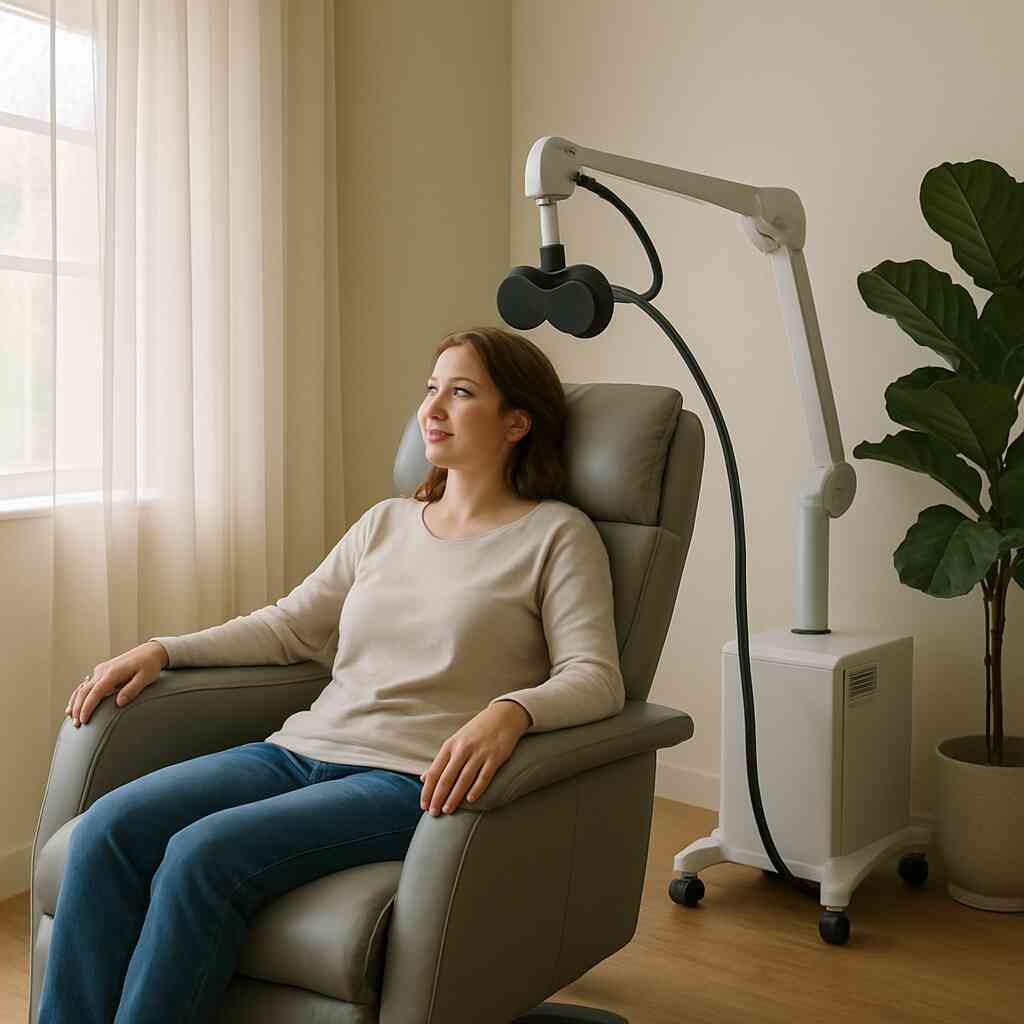
Understanding how TMS therapy works can help demystify the treatment for people considering it. During a TMS session, a magnetic coil is placed against the scalp and delivers brief pulses of magnetic energy that stimulate nerve cells in the brain. The process is generally painless and does not require anesthesia, so patients can usually return to daily activities shortly afterward. As the magnetic pulses stimulate neurons, they may improve connectivity in brain areas that are underactive in people with OCD.
Research suggests that TMS can significantly reduce the frequency and intensity of obsessive thoughts and compulsive behaviors. Some patients also notice improvements in depressive symptoms, since the same brain regions can affect mood regulation. This combination of OCD symptom relief and mood support may contribute to better overall mental health.
Patient journeys through TMS treatment Florida
Stories from patients who have undergone TMS treatment Florida facilities illustrate the impact this therapy can have. For example, one young adult came to treatment feeling overwhelmed by OCD, which made it difficult to maintain relationships and manage daily tasks. After several weeks of consistent sessions, their compulsive behaviors decreased significantly, allowing them to reconnect with friends and participate more fully in everyday life. Experiences like this highlight the meaningful changes many people report after pursuing TMS therapy.
Every patient’s journey is unique and tailored to individual needs. Many people begin treatment feeling uncertain or skeptical, but with personalized care and support, they often discover renewed hope. As treatment progresses, patients frequently share that TMS not only helps ease OCD symptoms but also supports stronger connections with themselves and others. These stories reflect the growth and healing that can happen throughout the TMS treatment journey.
-
Real-Life Success Stories from TMS Clinics in Florida
Case study: TMS clinic Miami success stories
At our TMS clinic in Miami, we hear powerful success stories from people battling OCD. One case involved a patient who had experienced debilitating anxiety for years because of uncontrollable compulsions. After starting TMS therapy, they gradually reported fewer urges to engage in compulsive behaviors. Within weeks, they noticed changes in mood and daily functioning, which helped them pursue new job opportunities—something they had not thought possible before treatment.
Another inspiring story from our Miami clinic involved a patient whose OCD led to isolation. TMS therapy helped them break free from the constant mental strain they had been carrying. As they attended sessions, they began reconnecting with friends and family, showing how effective TMS therapy for obsessive-compulsive disorder can be in restoring both mental health and social connection.
Case study: TMS Fort Lauderdale patient experiences
In Fort Lauderdale, patients have also experienced meaningful relief through TMS therapy. One patient, who struggled with persistent intrusive thoughts, found hope after just a few sessions. Their therapist reported a notable decrease in symptom severity and an overall improvement in mood following treatment. This success story reflects the strong potential of TMS for obsessive-compulsive disorder, especially for people seeking medication-resistant OCD support.
In another example from our Fort Lauderdale clinic, a young professional was initially hesitant to try TMS because of misconceptions about the treatment. After hearing about positive outcomes from others, they decided to move forward. Their experience reflects the growing reputation of TMS therapy in Fort Lauderdale and across Florida as a promising option for OCD relief. Patient reviews often describe a renewed sense of energy and motivation after treatment.
Case study: TMS West Palm Beach outcomes
At our TMS West Palm Beach location, success stories reflect a commitment to compassionate, effective care. One patient noticed that their symptoms had significantly improved after four weeks of treatment. They described feeling calmer and less anxious, which made daily interactions more positive. In their own words, they expressed gratitude for how TMS helped remove barriers that once felt overwhelming.
Our West Palm Beach clinic has also supported young adults living with OCD, showing the value of TMS for this age group. A college student shared their experience with procrastination and harmful habits tied to OCD. After completing treatment, they reported better focus and motivation, demonstrating the therapeutic potential of TMS for young adults with OCD. These outcomes add to the Florida behavioral health success stories that show TMS as a viable treatment option for many people.
-
Effective TMS OCD Therapy Outcomes
Success rates of TMS for OCD
The success rates of TMS therapy for OCD are encouraging. Recent studies show that many patients report significant symptom reductions after a course of treatment. These results are especially meaningful for people who have not found relief through medications or traditional talk therapy. With FDA-approved TMS for OCD, this therapy offers a scientifically supported option that can improve quality of life.
Patients often describe better day-to-day functioning as a direct result of treatment. People with severe OCD who once believed they would never escape the cycle of compulsions have reported meaningful changes after committing to regular sessions. Studies also suggest that TMS may provide benefits that last beyond the treatment period.
Long-term benefits of TMS therapy
TMS therapy can offer long-term benefits beyond immediate symptom relief. Many patients report ongoing improvements in quality of life after treatment ends. The therapy may support neuroplasticity, allowing the brain to form new neural pathways that help reduce anxiety-driven thoughts and behaviors. Research suggests these changes may persist over time, helping patients maintain more stable emotional health.
In addition, combining TMS with ongoing therapy, such as cognitive behavioral therapy (CBT), may improve overall outcomes. Patients often find that the skills they build during treatment support their progress in therapy, creating a more complete approach to managing OCD. This combination can lead to lasting changes in daily behavior and emotional well-being.
TMS for young adults with OCD
Young adults face unique challenges when living with OCD. Traditional treatments do not always address their needs fully, but TMS has emerged as a promising option. Young adults who undergo treatment often report improvements in academic performance, work life, social interactions, and overall satisfaction. The benefits of TMS therapy for young adults with OCD can be significant, especially for those who need extra support during a demanding stage of life.
Recent anecdotal evidence from our clinics suggests that young adults who participate in TMS therapy often gain confidence while building healthier coping strategies. Many patients share that treatment helps them respond to challenges more proactively, creating positive ripple effects in other areas of life.
-
Innovative Approaches in TMS Treatment for OCD
Deep TMS therapy vs. repetitive TMS
When exploring TMS options, two approaches stand out: Deep TMS therapy and repetitive TMS. While both aim to stimulate the brain, Deep TMS can reach deeper brain regions. This approach may improve treatment outcomes, particularly for patients with severe OCD symptoms. Early research suggests that Deep TMS may produce faster symptom relief than traditional repetitive TMS in some cases.
The difference between these methods can influence treatment decisions, so it is important for patients to understand their options. TMS clinics in Florida often provide individualized treatment plans based on each person’s needs. A conversation with a provider can help determine which method may be best based on health history and symptom severity. For more detail, see the difference between Deep TMS and standard TMS.
FDA approved TMS for OCD
TMS has received FDA approval for OCD treatment, making it a medically validated option for people living with this disorder. This is important because FDA clearance reflects a careful review of safety and efficacy. Patients can feel reassured that TMS therapy meets high standards and is supported by scientific research.
As clinical studies continue to strengthen the evidence for TMS therapy effectiveness for OCD, many patients have changed their view of the treatment. They see it as a meaningful option when other approaches have not helped. FDA approval has also encouraged more insurance coverage options for TMS therapy, which may reduce the financial burden for people seeking care.
TMS for dual diagnosis treatment
Many people living with OCD also struggle with additional mental health challenges, such as depression or substance use disorders. TMS therapy can be part of a supportive approach for dual diagnosis treatment. Research suggests that TMS may help ease OCD symptoms while also reducing emotional distress linked to mood disorders.
For people working to maintain sobriety, TMS therapy may also support recovery efforts. Our clinics in Florida understand the complexity of dual diagnosis and offer integrated support that combines TMS with ongoing therapy tailored to each person’s needs. This comprehensive approach can improve the chances of long-term recovery for people managing overlapping mental health conditions.
-
Patient Testimonials and Community Impact
Transformative TMS therapy experiences
Patient testimonials highlight the impact TMS therapy can have for people with OCD. Many describe relief after finally finding a treatment that works, especially after trying medications or therapies that did not provide enough support. They often describe TMS sessions as a turning point in which the weight of distress begins to lift. As one patient shared, TMS changed not only how they managed OCD, but also how they viewed hope itself.
The community impact can be significant; as patients improve, they often become more engaged with family, friends, and work. That ripple effect can encourage others to take mental health seriously and seek care. These real-life experiences show why accessible, effective treatments like TMS matter.
Florida behavioral health success stories
Across Florida, many mental health stories reflect the benefits of TMS therapy. Communities are increasingly recognizing its role in helping restore emotional well-being for people who once felt out of options. Advocates often note that TMS can give individuals another chance at a healthier life.
In family settings, people who once felt isolated because of OCD may begin participating in gatherings again. Their stories highlight the importance of open mental health conversations and the need for advanced treatment options like TMS. Together, these experiences make a strong case for greater awareness and support.
Personal experiences with TMS therapy
Personal stories resonate deeply within the mental health community. For many patients, sharing their journey offers hope and guidance to those considering TMS therapy. One patient described a renewed sense of freedom after learning that relief was possible. Through their TMS therapy experience, they felt more capable of rebuilding their life.
These personal insights from Florida residents reflect resilience and progress. As these stories spread, prospective patients may feel more encouraged to explore TMS as a possible path forward. That growing community support can help normalize conversations about mental health recovery and the tools that make it possible.
Frequently Asked Questions
Does TMS really work for OCD?
Yes, TMS has shown effective outcomes for OCD treatment, with many patients reporting significant symptom reductions. The therapy stimulates areas of the brain involved in regulating mood and behavior, which can improve functioning for people who have not responded to traditional treatments.
How long do TMS sessions last?
TMS sessions typically last about 20 to 40 minutes. Patients can expect to attend several sessions per week for around four to six weeks, depending on individual responses and treatment plans.
Are there any side effects from TMS therapy?
Common side effects are usually mild and may include headache or discomfort at the treatment site. Significant side effects are rare, and overall, TMS is considered safe and well tolerated.
How soon can I expect to see results from TMS therapy?
Some patients report improvements within the first few weeks of treatment, while others may need more time to notice changes. Many patients experience significant symptom relief over the course of treatment.
Is TMS covered by insurance in Florida?
Insurance coverage for TMS varies. Many providers now recognize TMS therapy as a legitimate treatment option for OCD and other mental health disorders. It is essential to check directly with your insurance provider for details about coverage.
Can TMS be used in combination with other therapies?
Absolutely! TMS can be effectively combined with other therapeutic measures, such as cognitive behavioral therapy (CBT), to improve overall outcomes and support mental health resilience.
Who is a good candidate for TMS therapy?
Good candidates include individuals diagnosed with OCD who have not responded satisfactorily to traditional treatments, such as medications or talk therapy. Each case is evaluated individually to determine suitability for TMS therapy.


