-
The tiny TMS side effect that scares families most, and why it usually settles fast
A headache after TMS can feel alarming when you are already worried. If you are reading this because a loved one just started transcranial magnetic stimulation therapy, take a breath. The first few sessions can feel unfamiliar, and that unfamiliar feeling often drives fear more than the symptom itself. At a TMS treatment Florida clinic, families usually ask about safety before they ask about hope. That tells me they are paying attention in the right way.
Why a headache after TMS can feel bigger than it is in the moment
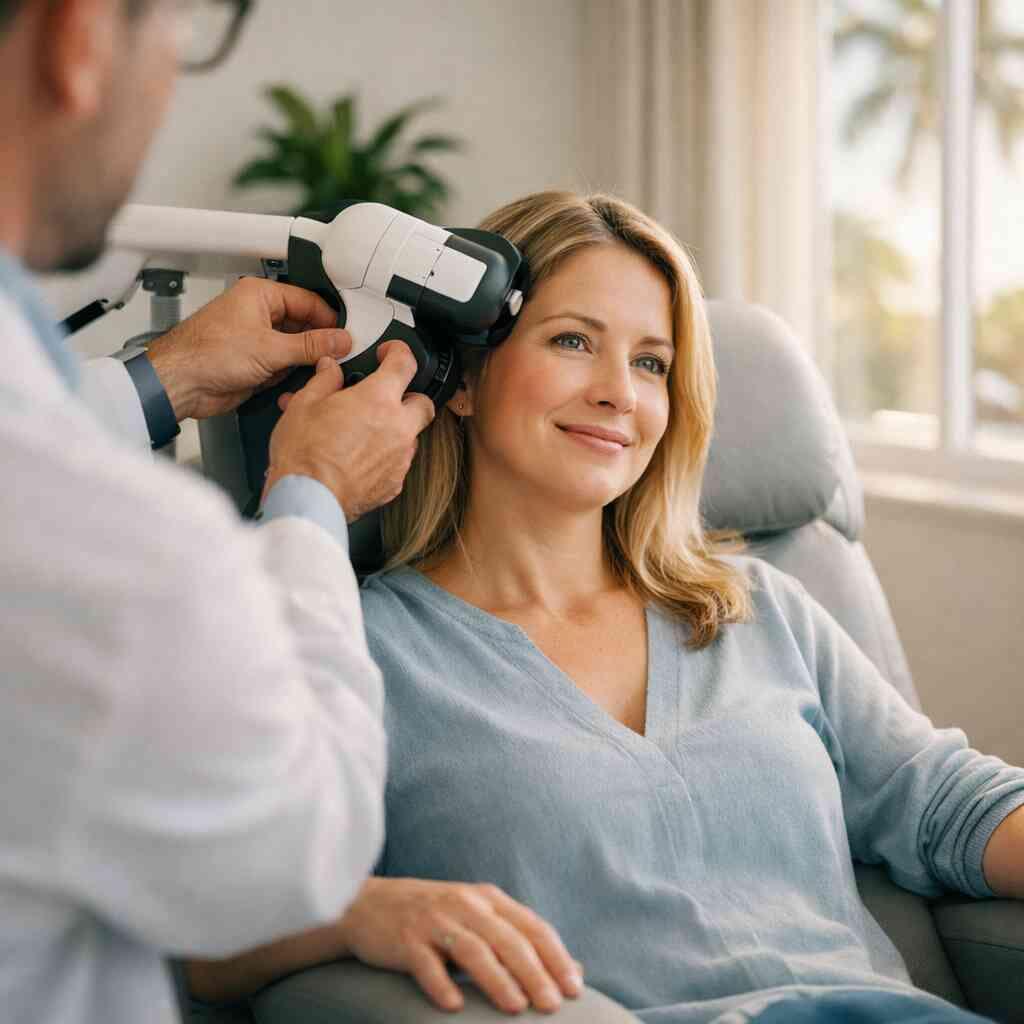
A mild headache after TMS often comes from scalp muscle tension, not brain injury. The tapping sound, the chair, and the repeated pulses can make the head feel “worked over” for a bit. Most people describe it as temporary and manageable, especially when the clinic adjusts positioning or timing. That does not mean you should ignore it. It means you should watch the pattern.
Here is the part most families miss. A symptom feels urgent when it is new, but new does not always mean dangerous. The safest response is simple: note the time, location, and intensity. If the discomfort fades after the session or after a brief rest, that usually fits common TMS side effects safety expectations. If it worsens sharply, the clinic should know.
When scalp discomfort with TMS is normal and when the clinic should recheck the plan
Scalp discomfort with TMS often happens early. The magnetic coil sits close to the head, and the sensation can feel like tapping or pressure. With repetitive TMS and deep TMS therapy, some people notice more tenderness at first, especially if they are tense. That does not mean the treatment is wrong. It may mean the setting, angle, or motor threshold needs a small adjustment.
One client in Broward County told staff the pulses felt “too loud in my bones” during the first week. The clinic slowed the pace, reviewed placement, and checked comfort before moving forward. That kind of recheck matters. Good TMS side effect monitoring looks boring from the outside, and that is good news. Boring usually means careful.
How loved ones can spot fatigue after TMS without turning every tired afternoon into a crisis
Fatigue after TMS can show up, especially when someone is also carrying depression, poor sleep, or medication changes. You may see a quieter evening, an earlier bedtime, or less interest in dinner conversation. That alone does not signal trouble. Still, fatigue should not be dismissed if it lasts, grows, or comes with confusion. The goal is observation, not alarm.
If your loved one is doing TMS for anxiety or TMS depression treatment Florida, they may already feel drained from the weight of the illness itself. That makes symptom tracking tricky. Try asking one calm question instead of ten. “Did this start after the session?” often helps more than “Are you sure you are okay?” A steady tone lowers stress. It also gives the clinic usable information.
-
The safety signals that matter more than discomfort and the rare moments that need a call
Some side effects are annoying. Others matter more. Families need to know the difference without turning every change into a crisis. That balance is one reason people search for TMS side effects safety before they commit. It is also why a good Florida mental health clinic should welcome your questions, not brush them off.
What changes in mood or behavior families should take seriously during transcranial magnetic stimulation therapy
During transcranial magnetic stimulation therapy, watch for mood shifts that feel out of character. Rapid agitation, severe restlessness, risky behavior, or a sudden drop in functioning deserve a call. This is especially important for people with bipolar history, trauma symptoms, or recent medication changes. TMS does not usually create dramatic problems, but screening matters. So does communication.
If someone becomes unusually energized, sleeps far less, or talks much faster than usual, mention it quickly. Those signs can matter during TMS for bipolar depression or when a person has mixed symptoms. In contrast, mild irritability after a long appointment is common and often passes. The difference is degree and pattern. Families know their loved one’s baseline better than any form can.
Why seizure risk stays a screening issue and how good clinics lower the odds
Seizure risk remains rare, but it is never something to shrug off. That is why clinics screen for head injury, seizure history, stimulant use, sleep loss, and other risk factors before treatment begins. The safest TMS psychiatrist Florida teams use that screening to shape the plan, not to scare people. They may also review medications and recent alcohol or substance use. That is careful medicine.
Florida clinics also work within outpatient rules that align with Florida Agency for Health Care Administration expectations for patient safety and documentation. Good programs do not improvise. They use protocols. They document response, monitor tolerability, and adjust when needed. That attention matters more than flashy claims about TMS therapy success rate. Safety comes first. Always.
When to ask about TMS side effect monitoring instead of assuming the symptoms will pass on their own
Ask about monitoring when symptoms linger, worsen, or feel unusual for the person. You should also ask if a clinic explains what to do after a bad night of sleep, a migraine, or a medication change. Those details matter because they influence risk and comfort. If a clinic cannot explain its process clearly, keep asking. Clarity is a safety feature.
Families searching TMS near me Florida often compare clinics by convenience. That is fair, but convenience should not outrank follow-up. Ask how the team tracks headaches, mood changes, and tolerance during the first weeks. Ask who answers calls between visits. If you want more background first, this guide to TMS side effects and safety can help frame the conversation.
-
What every Florida family gets wrong about TMS sessions in the real world
Many families think TMS will take over the whole day. It usually does not. Most sessions fit into ordinary life far better than expected, which matters in a state where people are juggling school pickup, work commutes, and caregiving. Outpatient brain stimulation therapy is built for real schedules. That is part of why families keep returning to the question: can this work for us?
How outpatient brain stimulation therapy fits around work, school, and caregiving in Florida
A typical session is brief enough to fit around lunch breaks or school drop-off. Someone may come in, sit down, receive treatment, and head back to work. That structure makes non-drug depression treatment easier to consider when medication side effects have become the bigger problem. It also helps people who cannot afford a full medical leave. The appointment model matters as much as the science.
What we have seen in 2026 specifically is that families do better when they plan the week before treatment begins. That means rides, childcare, and lunch timing. It sounds simple. It is not small. When the logistics are handled, people can focus on healing instead of scrambling. If you want a sense of preparation, this Florida session guide is a practical place to start.
Why TMS clinic Miami, TMS Fort Lauderdale, TMS West Palm Beach, and TMS Orlando can feel easier to access than families expect
Families often assume they must drive far for care. That is not always true. Access across TMS clinic Miami, TMS Fort Lauderdale, TMS West Palm Beach, and TMS Orlando has improved, and that matters in a state as spread out as Florida. People from Aventura, Coral Gables, Boca Raton, Delray Beach, and Winter Park often find local options sooner than expected. Shorter drives help adherence.
Here is what almost no online guide mentions. Seasonal residents change the rhythm of scheduling. Snowbird travel, school calendars, and hurricane season can all affect continuity. A smart clinic plans around that reality. If location matters most to you, review the Florida treatment locations early and ask how the schedule flexes.
What to ask about TMS side effect safety before a loved one starts at a Florida mental health clinic
Before treatment starts, ask three plain questions. What side effects are most common here? Who reviews symptoms if they change? What happens if the first setting feels too intense? Those questions tell you a lot about the clinic’s culture. They also keep the conversation focused on safety, not sales.
If you are comparing a luxury TMS center with a smaller clinic, do not assume one setting is safer just because it looks polished. Ask about screening, monitoring, and communication. Ask about TMS insurance coverage Florida and documentation too. Good care feels calm, not showy. If you want to read more about the team behind the care, the about us page is useful.
-
Why TMS feels gentler than people expect and what the machine is actually doing
People often brace for pain, then feel surprised by how ordinary the session can seem. That does not mean nothing is happening. It means the treatment works through focused magnetic pulses, not sedation or whole-body medication effects. For many people, that difference is the main appeal of magnetic brain therapy. It is targeted. It is precise. It is also still something you can feel.
How magnetic brain therapy differs from medication side effects that can leave people foggy, dry-mouthed, or flat
Medication side effects can spill into the whole day. Dry mouth, weight changes, nausea, fogginess, and emotional flattening can make life feel smaller. By contrast, magnetic brain therapy usually avoids those body-wide effects. That is one reason people with medication resistant depression ask about FDA approved depression treatment options like TMS after other treatments have stalled. The tradeoff is different.
The 2018 Stanford study by Carpenter and colleagues helped strengthen interest in TMS for depression by showing meaningful symptom improvement in a rigorous clinical setting. That does not guarantee the same result for everyone. It does show why clinicians keep referring to TMS as a serious option, not an experimental gamble. For many, it sits between medication and talk therapy. It can also complement both.
What repetitive TMS and deep TMS therapy are trying to change in the brain
Repetitive TMS sends repeated magnetic pulses to specific brain regions linked with mood and regulation. Deep TMS therapy reaches somewhat broader targets, depending on the device and protocol. The point is not to “shock” the brain. The goal is to encourage healthier signaling patterns over time. That is the simplest answer to how does TMS work.
The evidence base keeps growing. Transcranial magnetic stimulation research continues to refine protocols for depression, OCD, anxiety, and addiction. Clinicians often reference the Clinical TMS Society consensus review when planning care. APA practice guidelines also help frame where TMS fits in modern psychiatric treatment. Families should ask how a clinic uses those standards in real life, not just on paper. That question is smart.
Why non-invasive brain stimulation can still feel strange even when it is not painful
Non-invasive brain stimulation sounds gentle, and it is. Still, the sound of the machine and the repetitive tapping can feel strange at first. Some people notice jaw movement, tension, or a sense of pressure. That does not mean damage. It means your nervous system is noticing something new.
One patient described the first appointment as “a dentist drill mixed with a drumline.” That was not a complaint so much as a description. After a few visits, the sound became background noise. Strange is not the same as unsafe. The clinic should help you tell the difference. If it does, that is a good sign.
-
The side effect tradeoffs families compare when depression, anxiety, OCD, and PTSD are in the mix
Families rarely ask about TMS in a vacuum. They ask because depression has resisted medications, anxiety keeps returning, or OCD rituals have taken over mornings. Sometimes PTSD or bipolar depression is part of the picture too. The right conversation is not just “does it work?” It is “what does the side effect picture look like for this person?”
How TMS depression treatment Florida is often discussed alongside non-drug depression treatment and medication resistant depression
TMS depression treatment Florida is often part of the conversation after failed medications. That is especially true when people have already tried several antidepressants and still feel stuck. Families often compare TMS with other alternative depression treatment choices, including ketamine, therapy, and medication changes. Each option has a different side effect profile. Each one also carries different expectations. For depression care, many clinics track progress with the PHQ-9 or the MADRS. Those tools give families and clinicians a clearer picture than gut feeling alone. They do not replace lived experience. They organize it. If you want a dedicated depression overview, this TMS depression page explains where TMS fits after failed medications. 
What TMS for anxiety, TMS OCD therapy, and TMS for PTSD Florida can mean for families watching symptoms shift
TMS for anxiety may be discussed when worry and physical tension stay stuck despite therapy or medication. TMS OCD therapy is often considered when intrusive thoughts and rituals keep driving the day. TMS for PTSD Florida may also come up, though the evidence and protocols vary by case. These uses are more nuanced than depression care. Families should expect that nuance.
The main side effect tradeoff is uncertainty about symptom timing. Some people notice relief slowly. Others notice a shift in energy before mood catches up. That can feel confusing if you are watching from the outside. Keep notes on sleep, appetite, and daily function. Those small details help the team adjust care. For condition-specific reading, see the anxiety page and the OCD page.
Why TMS for bipolar depression calls for careful screening and steady communication with the TMS psychiatrist Florida
TMS for bipolar depression deserves extra caution because mood elevation can complicate the picture. That is why a skilled TMS psychiatrist Florida reviews diagnosis, sleep, energy, and medication history carefully. Families should share any past mania, hypomania, or mixed episodes. Silence helps no one here. Precision helps everyone.
Steady communication also matters because bipolar symptoms can shift for reasons unrelated to TMS. A missed sleep cycle, a stimulant, or a stressful week can change the picture fast. That is why screening and follow-up matter more than generic promises. If bipolar depression is part of your family’s story, ask the clinic how it monitors risk. Then ask again until you understand the answer. That is reasonable.
-
The practical questions families ask before they commit to a plan in South Florida
Money matters. Time matters. Insurance rules matter. Families often feel guilty for worrying about cost, but that worry is practical, not shallow. If you are weighing TMS cost Florida and access, you are doing what careful families do.
What TMS cost Florida and TMS insurance coverage Florida can look like when benefits are checked early
TMS cost Florida depends on the plan, the diagnosis, the clinic, and the number of sessions authorized. I will not guess at exact pricing, because that can mislead you. Instead, ask for a benefits check early. Ask whether the office verifies TMS insurance coverage Florida before treatment starts. That saves stress later.
Many people also ask, does insurance cover TMS in Florida? Often, coverage depends on medical necessity, documented medication trials, and prior authorization. Some plans want additional records. Some are stricter than others. Early verification prevents surprises. If you want to learn what questions to ask, the insurance and costs page is a solid starting point.
How does insurance cover TMS in Florida when a plan needs prior authorization or extra records
Prior authorization can feel frustrating, but it is common. A clinic may need chart notes, medication history, and symptom scores before approval. That is where the PHQ-9, MADRS, and treatment history become useful. If your loved one has tried multiple medications already, keep those records organized. It can speed things up.
Florida’s insurance landscape can also vary by employer plan, Medicaid rules, and seasonal residence patterns. That is especially relevant in South Florida, where some patients split time between homes. If records sit in another state or another doctor’s office, approvals can slow down. A careful clinic should help gather what is needed. That is part of competent care.
Why TMS near me Florida searches often lead families to ask about TMS reviews Florida and the best TMS clinic Florida
Searches for TMS near me Florida usually begin with proximity, then shift to trust. That is where TMS reviews Florida can help, though they should never be the only factor. Look for comments about communication, scheduling, and how the team handled questions. Those details reveal more than glowing adjectives. The best TMS clinic Florida for you is the one that explains things clearly and follows through.
On the projects we’ve finished this year, families have valued accessibility almost as much as expertise. Short drives from Miami-Dade, Broward, Palm Beach, Orange, Duval, or Hillsborough counties matter. So do same-day calls and clear next steps. If you want to see where care is offered, these Florida locations can help you compare options without guessing.
-
When side effects become part of a larger recovery plan for addiction and dual diagnosis
Sometimes TMS is not only about mood. It becomes part of a broader plan for cravings, relapse risk, and co-occurring symptoms. That is where the conversation shifts from single symptom relief to whole-person recovery. Families often feel hopeful here, but they still need realistic expectations.
How TMS addiction recovery and TMS for substance use disorder may fit with addiction rehab Florida and dual diagnosis treatment Florida
TMS addiction recovery and TMS for substance use disorder are being studied as supportive tools, not magic fixes. In some cases, they may fit alongside therapy, relapse-prevention planning, and addiction rehab Florida services. When depression and substance use appear together, dual diagnosis treatment Florida becomes especially important. The team must treat both. Otherwise, one problem keeps feeding the other.
The SAMHSA TIP on substance use disorders supports integrated, evidence-based care. That matters because cravings do not live in isolation. They interact with sleep, stress, and mood. If your loved one has alcohol use disorder or stimulant use disorder, ask how TMS fits into the full plan. TMS should support care, not replace it.
Why alcohol addiction brain stimulation and TMS for smoking cessation are being studied alongside cravings research
Alcohol addiction brain stimulation and TMS for smoking cessation are active research areas. Studies from groups such as the Medical University of South Carolina have added to the growing interest in rTMS for cravings. That research is promising, but it is still developing. Families should hear that plainly. Hope is stronger when it is honest.
A person trying to stop smoking may also be battling depression, anxiety, or trauma reminders. That is where treatment becomes layered. One session does not solve every trigger. Still, reducing craving intensity may make other supports more usable. That is a meaningful goal. It is also a realistic one.
When TMS and EMDR combination or TMS maintenance therapy may come up in longer term care discussions for Florida behavioral health
Some care plans include TMS and EMDR combination discussions, especially when trauma and mood symptoms overlap. Others explore TMS maintenance therapy after an initial course helps stabilize symptoms. Those conversations should happen slowly and with clear reasoning. No one should feel rushed into a long plan without understanding why it is being suggested. That is true in Florida behavioral health settings too.
The safest approach is to revisit goals regularly. Are symptoms easing? Is sleep better? Are cravings quieter? Are side effects still mild? Those questions help determine whether a maintenance schedule makes sense. If you want help sorting through the options, the FAQ page can answer practical questions, and the team can talk through next steps from there.
Frequently Asked Questions
Does TMS usually have serious side effects?
Serious side effects are uncommon, but they deserve respect. Most people report mild headache, scalp discomfort, or brief fatigue. A good clinic screens for seizure risk, tracks symptoms, and adjusts settings when needed. If a loved one shows major mood changes, confusion, or unusual agitation, call the clinic promptly. Safety improves when families speak up early.
How does TMS compare with antidepressant side effects?
TMS usually does not cause body-wide effects like dry mouth, weight gain, or fogginess. That is a major reason people explore non-drug depression treatment after medications fail. Still, TMS can bring local discomfort at the scalp or short-term tiredness. The tradeoff is different, not risk-free. Many families appreciate that distinction.
Can TMS help if medications stopped working?
Yes, TMS after failed medications is a common reason people seek care. Many clinics use rating scales like the PHQ-9 or MADRS to track progress. The response varies, and no clinic should promise a specific outcome. But TMS has a strong place in modern depression care, especially for medication resistant depression.
Is TMS safe for anxiety, OCD, or PTSD?
TMS is used for several conditions, but each one needs its own screening and protocol. TMS for anxiety, TMS OCD therapy, and TMS for PTSD Florida may involve different targets and expectations than depression care. A qualified clinician should explain what the evidence supports and what remains uncertain. Ask for that clarity before starting.
Does insurance cover TMS in Florida?
Sometimes, yes. Coverage often depends on diagnosis, prior medication trials, and medical documentation. Many plans require prior authorization. Because rules vary, it helps to verify TMS insurance coverage Florida before treatment starts. That simple step can prevent delays and financial stress.
How do I choose the best TMS clinic in Florida?
Start with safety, communication, and experience with your specific diagnosis. Then look at location, insurance handling, and how the team answers questions. For many families, the best TMS clinic Florida is the one that feels clear, calm, and responsive. If you want to compare options, ask for a benefits check and a consultation this week. You do not have to sort every detail today, but you can make one call.


