What TMS Treatment Florida Recommends for PTSD Support
When PTSD keeps replaying itself after therapy and medication have stalled
Why trauma symptoms can stay loud even when talk therapy has already done its job
You may have already done the hard work. You talked, processed, named the trauma, and kept showing up. Yet your body still jolts awake, your mind still scans for exits, and sleep still feels shallow and broken. That mismatch can feel insulting, especially when people assume healing should be neat and linear. It usually is not.
PTSD can stay active because trauma does not live only in memory. It also shapes threat circuits, sleep systems, and stress reactivity. That is why some people keep searching for TMS treatment in Florida for PTSD support after therapy has helped with insight but not with calm. We hear this from clients almost every week. You are trying hard, and your nervous system still feels stuck on high alert.
What TMS for PTSD Florida can mean when sleep, startle response, and mood feel stuck
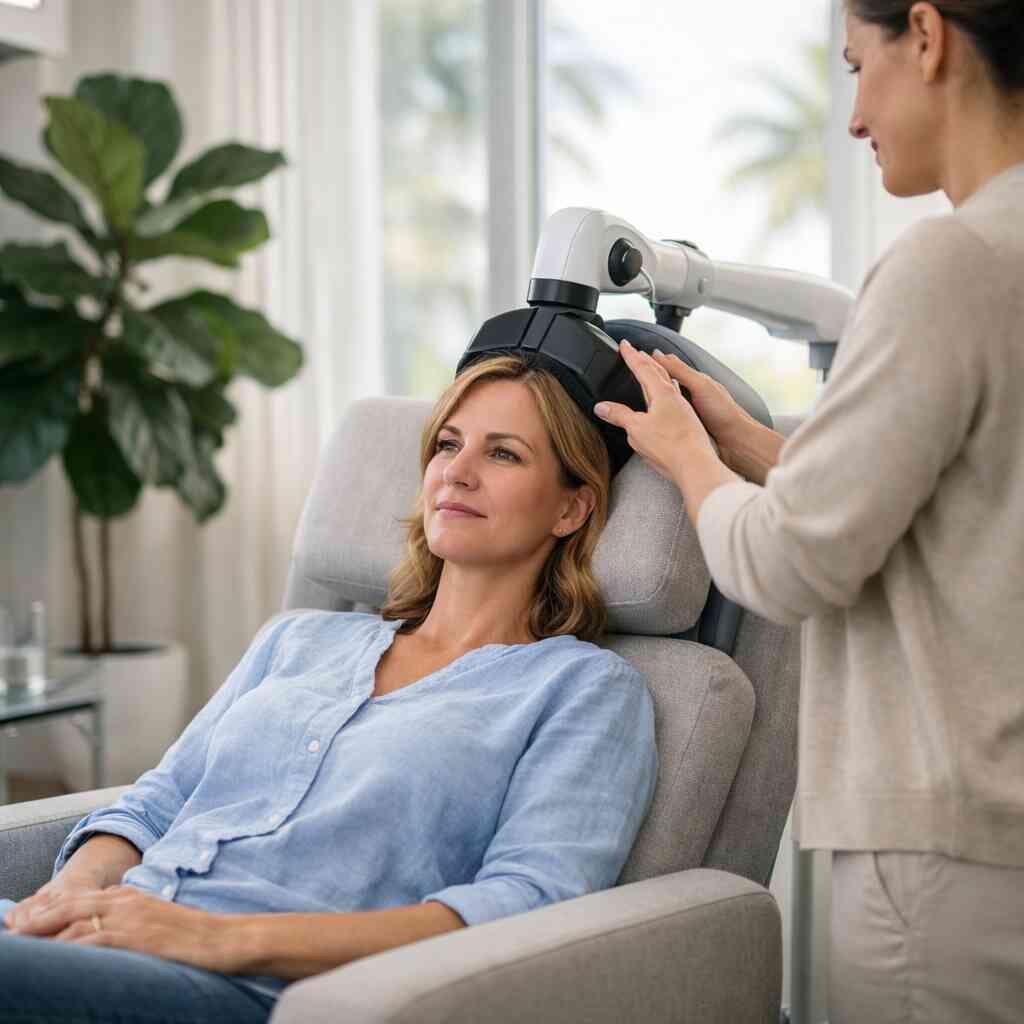
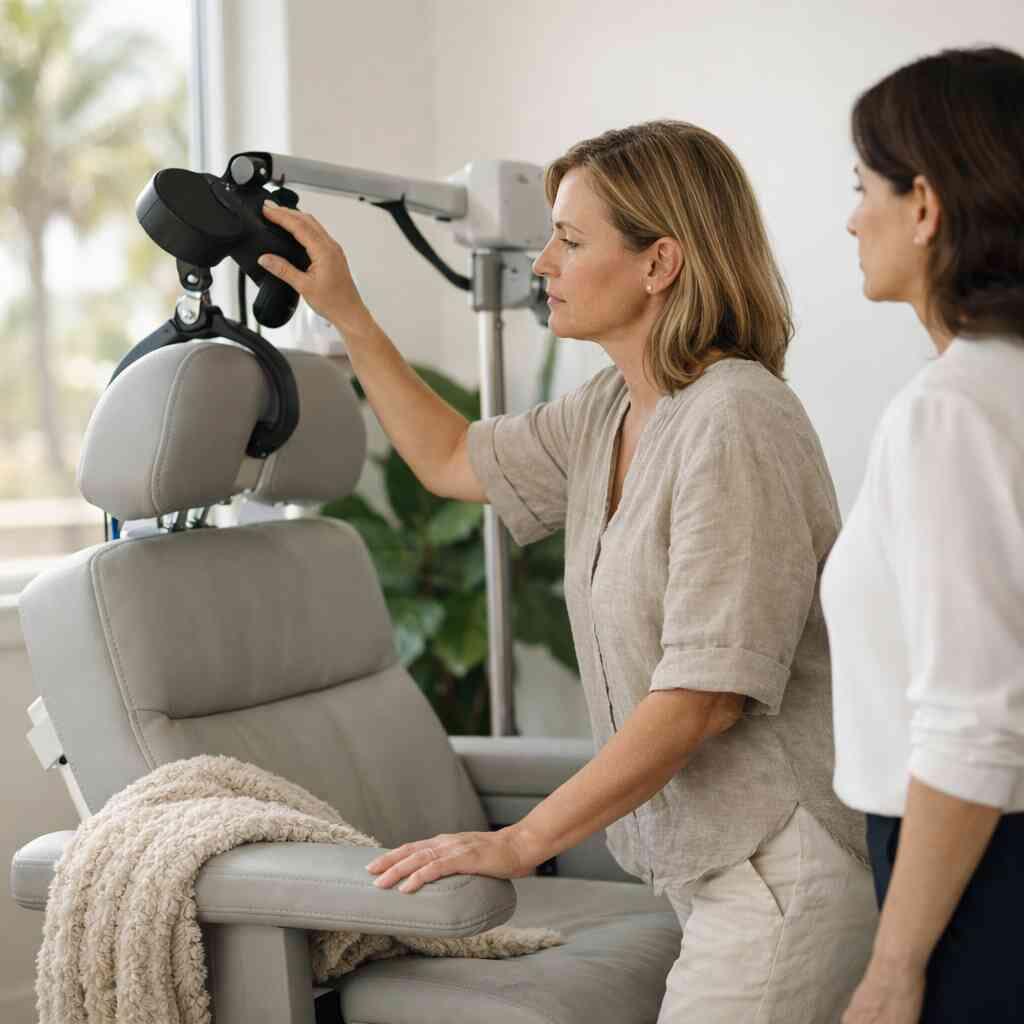
TMS for PTSD Florida means looking at the brain as well as the story. Transcranial magnetic stimulation therapy uses focused magnetic pulses to influence activity in targeted brain networks. It is a form of non-invasive brain stimulation, so there is no surgery and no anesthesia. Many people like that it feels practical, not dramatic.
For trauma support, the goal is not to erase memory. It is to reduce the intensity that keeps hijacking daily life. That can matter when hypervigilance, irritability, and low mood overlap. In our experience this year, the people most relieved by TMS were often the ones who had already tried medication changes and still felt exhausted by their own reactions. One client in Broward described it plainly: the trauma was not gone, but the “alarm bell” had started ringing less often. That is the kind of shift people are usually hoping for.
How trauma-informed care shifts the focus from coping harder to changing brain circuits
Trauma-informed care changes the question. Instead of asking only how you can cope better, it asks what in the brain and body still needs help. That matters because many people already cope too much. They push, mask, and power through until they are drained, then blame themselves for being tired.
This is where magnetic brain therapy can feel different from more familiar care. It gives the clinician another tool when medication-resistant depression or post-trauma symptoms keep the nervous system locked in place. Research on transcranial magnetic stimulation continues to grow, and the 2018 Stanford work by Carpenter and colleagues helped strengthen the case for TMS in depression care. That evidence does not promise a cure for PTSD. It does, however, support the idea that brain-based treatment can be meaningful when talk therapy alone has plateaued. If you want a deeper look at the depression side of that picture, non-invasive brain stimulation for medication resistant depression is a useful companion read.
Why people in Florida often search for TMS near me Florida after failed medications and burnout
Florida search behavior tells a story. People type TMS near me Florida after they have cycled through antidepressants, sleep aids, dose changes, and side effects that never quite matched the relief they hoped for. Some have also felt stuck between providers. Others are balancing work, family, and the strain of being “fine” in public. That burnout is real.
Here is the part most people miss: medication fatigue can change how you evaluate every next option. If dry mouth, weight changes, emotional flattening, or withdrawal concerns have worn you down, you may want a path that feels more direct. That is why many people also ask about TMS depression treatment Florida, TMS for anxiety, and even TMS addiction recovery when trauma has become tangled with mood and cravings. A thoughtful Florida mental health clinic should not treat that search as dramatic. It should treat it as informed and reasonable.
What TMS Treatment Florida looks for before calling TMS a good fit
How a Florida mental health clinic sorts PTSD from depression, anxiety, OCD, and bipolar depression
A careful clinic does not assume every heavy feeling comes from PTSD alone. That matters because PTSD can travel with depression, anxiety, OCD symptoms, or bipolar depression. Each pattern changes the care plan. A TMS psychiatrist Florida should sort through those layers before recommending repetitive TMS or deep TMS therapy.
That kind of sorting is not just administrative. It protects you from a poor fit. TMS OCD therapy may target a different symptom pattern than TMS for bipolar depression, and TMS treatment for anxiety in Florida clinics may call for a different coil placement or protocol. The best TMS clinic Miami or TMS Fort Lauderdale patients choose will explain why the target matters. If you want to compare how symptom-specific care is described, TMS treatment for anxiety in Florida clinics is one place to start.
What a careful evaluation should ask about trauma history, substance use, and dual diagnosis treatment Florida needs
A good evaluation should ask about more than symptoms. It should ask about trauma history, sleep, panic, medications tried, seizure history, and current substance use. If alcohol, cannabis, stimulants, or nicotine are part of the picture, that changes the conversation. Dual diagnosis treatment Florida patients need is often more coordinated than they expect.
This is also where TMS addiction recovery enters the conversation carefully. Research on rTMS and cravings, including studies from places like the Medical University of South Carolina, suggests a promising role for brain stimulation in addiction support. That does not mean TMS replaces rehab. Instead, it can fit alongside addiction rehab Florida services, TMS for substance use disorder, and alcohol addiction brain stimulation discussions when the clinician sees the whole picture. The SAMHSA TIP framework still matters here, because substance use care works best when it stays structured and realistic.
Where repetitive TMS and deep TMS therapy may fit in a plan for medication resistant depression and TMS for anxiety
For many patients, PTSD shows up with depression first. That is where TMS after failed medications can become relevant. The clinician may consider repetitive TMS for standard depression targets or deep TMS therapy when the symptom profile calls for it. Some clinics also discuss FDA approved depression treatment options in plain language, without overselling what the clearance means.
A balanced plan may also include anxiety care. The pairing can be important, because chronic fear and low mood feed each other. If that is your pattern, TMS treatment for bipolar depression support may help you understand how mood stabilization concerns change the TMS discussion. A careful team will also be honest about TMS side effects safety. Most people think first about scalp discomfort or headache, not about long-term risk. That is normal, and the safety conversation should feel clear, not rushed.
TopicWhat a careful clinic explainsWhy it mattersPTSD symptomsSleep, startle, mood, and avoidanceHelps separate trauma from depression aloneDepression historyPrior medications and therapy responseClarifies TMS depression treatment Florida fitAnxiety and OCDPanic, rumination, compulsionsGuides protocol selectionSubstance useAlcohol, nicotine, or other substancesSupports dual diagnosis treatment Florida planning### Why insurance review and location access matter for patients coming from Miami, Fort Lauderdale, West Palm Beach, Orlando, and Tampa
Practical details matter more than people admit. If you live in Aventura, Coral Gables, Boca Raton, Delray Beach, or Winter Park, the drive time and appointment rhythm can shape whether you finish treatment. That is especially true for people commuting from TMS clinic Miami, TMS Fort Lauderdale, TMS West Palm Beach, TMS Orlando, or TMS Tampa searches. Florida weather can also make a simple commute feel bigger than it sounds.
Insurance questions matter too. TMS insurance coverage Florida rules can vary by plan, diagnosis, and documentation. People often ask, does insurance cover TMS in Florida? Sometimes yes, sometimes only after prior authorizations, medication trials, and records review. Before you compare a best TMS clinic Florida option, ask about records, eligibility, and whether they help with verification. For location details, the TMS clinics in Miami-Dade County and nearby areas page can help you see how access is organized.
The path forward that turns interest into a real care plan
What a first conversation with a TMS psychiatrist Florida should clarify about safety, comfort, and expectations
Your first conversation should feel grounded. A strong TMS psychiatrist Florida visit should explain how treatment works, what it feels like, and what symptoms are realistic to track. It should also cover whether you are a candidate for deep TMS therapy, repetitive TMS, or a different option entirely. No one should pressure you into a protocol before the basics are clear.
Ask about comfort. Ask about headaches, scalp sensations, and what TMS side effects safety usually means in plain language. Ask how long a session takes, how often visits happen, and how the clinic handles missed days. You deserve direct answers. If you want to see how the broader team is described, about us is the natural place to check without guessing about staff credentials.
How TMS and EMDR combination care can support trauma recovery support without promising a cure
Some people do best with layered care. That may mean TMS and EMDR combination work, especially when trauma memories remain vivid and body-based distress stays high. EMDR can help process the memory. TMS can help calm the circuits that keep overfiring. Those are different tools. This is where honest language matters. No ethical clinic should promise a cure. What it can offer is trauma recovery support that respects complexity. People sometimes ask about alternative depression treatment or non-drug depression treatment because they want a path that does not leave them foggy and flat. That is fair. If you are curious how this kind of pairing is framed, transcranial magnetic stimulation therapy for trauma support gives a useful sense of the model. In some cases, trauma-focused therapy, medication review, and TMS all belong in the same conversation. ### When maintenance therapy and follow-up tools like PHQ-9 or MADRS help track change over time 
Good care does not stop at the device. It tracks change. That is where tools like the PHQ-9 and MADRS matter. They give the clinic a repeatable way to see whether mood, sleep, interest, and distress are moving. Those measures do not tell the whole story, but they help keep emotion from becoming guesswork.
TMS maintenance therapy may also come up if symptoms improve and then start to drift back. That is not failure. It is often just the reality of chronic brain-state patterns. The important part is having a plan for follow-up. A clinic that knows TMS long-term results should talk honestly about monitoring, touch-up sessions, and coordination with other care. For depression-specific planning, TMS treatment in Florida for PTSD support can help frame what that longer view looks like.
What to ask about TMS insurance coverage Florida, TMS cost Florida, and clinic options across South Florida before you decide
Money questions should not feel awkward. They are part of the clinical decision. Ask what documentation the clinic needs, how prior authorization works, and what happens if your plan denies coverage. Ask about TMS cost Florida estimates in writing. Ask whether they help you understand TMS insurance coverage Florida before you commit. If a clinic avoids those questions, that is useful information.
You should also compare location access and support. TMS South Florida patients often want a clinic close enough to keep appointments consistent, especially if they are juggling work or seasonal travel. That includes people searching for a luxury TMS center, but comfort alone is not enough. You want clarity, responsiveness, and a team that explains the process without fluff. If cost and coverage are your biggest questions, insurance and costs is the page to review next. You do not have to figure this out alone, and you do not have to figure it all out today. Start by asking one clear question and getting one clear answer.
Frequently Asked Questions
How does TMS work for PTSD support?
TMS uses magnetic pulses to influence activity in specific brain networks linked to mood, attention, and stress response. For PTSD support, clinicians usually focus on symptom patterns that overlap with depression, anxiety, and sleep disruption. It is not a memory eraser. It is a brain-based treatment that may help lower the intensity of symptoms that keep looping. A good clinic should explain the target, the schedule, and what changes they will track.
Is TMS safe if I already tried many medications?
For many people, yes, TMS is considered a generally well-tolerated option when medications have not helped enough. Common side effects can include scalp discomfort or headache, and the clinic should review these carefully. Safety screening still matters, especially if you have a seizure history or complex medications. Ask the clinic to explain TMS side effects safety in plain language before treatment starts.
Can TMS help if PTSD comes with depression or anxiety?
It may, especially when PTSD sits beside medication resistant depression or anxiety symptoms. Some clinics combine symptom-targeted TMS with therapy and medication management. That said, PTSD is complex, and not every protocol fits every person. A clinician should sort out which symptoms are most dominant before recommending a plan. If OCD or bipolar depression is also present, the treatment approach may change.
Does insurance cover TMS in Florida?
Sometimes it does, but it depends on the plan and the diagnosis. Many insurers want proof of prior medication trials, documentation from your clinician, and pre-authorization. Coverage can differ across Florida plans, including employer and marketplace policies. Ask the clinic to verify benefits before you assume you are approved. That conversation can prevent a lot of stress later.
What should I ask when choosing the best TMS clinic Florida offers?
Ask who evaluates you, how they confirm diagnosis, what outcomes they track, and how they handle insurance review. Ask whether they treat PTSD, depression, anxiety, OCD, and bipolar depression under one coordinated plan. Also ask about location convenience if you live near Miami, Fort Lauderdale, West Palm Beach, Orlando, or Tampa. A strong clinic answers clearly and never rushes you past the details.
Can TMS be combined with EMDR or addiction treatment?
Yes, in some care plans it can. TMS and EMDR combination care may help when trauma symptoms remain active despite therapy. For substance use concerns, some clinics discuss TMS addiction recovery alongside rehab and dual diagnosis services. The key is coordination. TMS should support the broader plan, not replace it.