When PTSD starts running the day in Orlando, and TMS feels like the option nobody explained
If you are searching for PTSD treatment Orlando at midnight, the problem probably feels bigger than a keyword. Sleep may keep breaking apart. Sounds may hit too hard. Or you may feel strangely flat, like your nervous system never fully powers down. That mix is exhausting, and it can make even small decisions feel heavy.
Why trauma can look like insomnia, startle responses, numbness, and a brain that never fully powers down
PTSD rarely shows up as one neat symptom. It often looks like scanning every room, waking at 3 a.m., snapping at small noises, or feeling numb when you want to feel present. Many people also describe a tight chest, jaw clenching, and a mind that replays danger long after the danger is gone.
One client in Central Florida described it this way: “My body acted like the threat was still in the house.” That kind of experience is common, and it is deeply draining. The hardest part is that people often look functional from the outside while quietly running on fumes inside.
What makes PTSD treatment Orlando searches spike when therapy and medication have not been enough
You usually reach for new answers after old ones stop helping enough. Maybe talk therapy helped some, but not enough. Maybe medication dulled the edges, then started causing fatigue, brain fog, or dry mouth. That is often when searches for PTSD treatment Orlando increase, especially among people who have already tried the standard path.
Here is the part most people miss. Wanting a different option does not mean you failed treatment. It means your symptoms may need a different mechanism of care, especially if trauma has tangled with depression or anxiety. For some patients, the next question becomes whether a non-invasive brain stimulation option could fit better than another medication switch.
How TMS Treatment Florida frames non-invasive brain stimulation as a different path than another round of pills
At TMS Treatment Florida, the conversation often starts with a simple distinction: pills work through the bloodstream, while transcranial magnetic stimulation therapy works through targeted magnetic pulses to brain networks linked with mood and regulation. That does not make it magic. It makes it different.
This matters when you are already tired of side effects or partial relief. TMS depression treatment Florida is often discussed as an FDA approved depression treatment option for people with medication resistant depression or TMS after failed medications. For trauma-related care, the idea is not to promise a cure. It is to explore whether another pathway might help your brain shift out of constant alarm.
Why the Orlando setting matters for access, work schedules, and care near Winter Park, Lake Nona, and surrounding Central Florida communities
Location matters more than people think. Orlando traffic can turn a simple appointment into a long day, especially if you are juggling work, school pickup, or caregiving. That is why searches for TMS Orlando and TMS near me Florida often reflect more than geography. They reflect survival logistics.
We hear this from people around Winter Park and Lake Nona often. They need care that fits real life, not a fantasy schedule. Access also matters for nearby Central Florida communities and for people comparing options across TMS Tampa, TMS clinic Miami, TMS Fort Lauderdale, and TMS West Palm Beach. Convenience does not replace quality, but it can decide whether care actually happens.
What TMS actually does when the brain is stuck in survival mode
How does transcranial magnetic stimulation therapy work without surgery or anesthesia
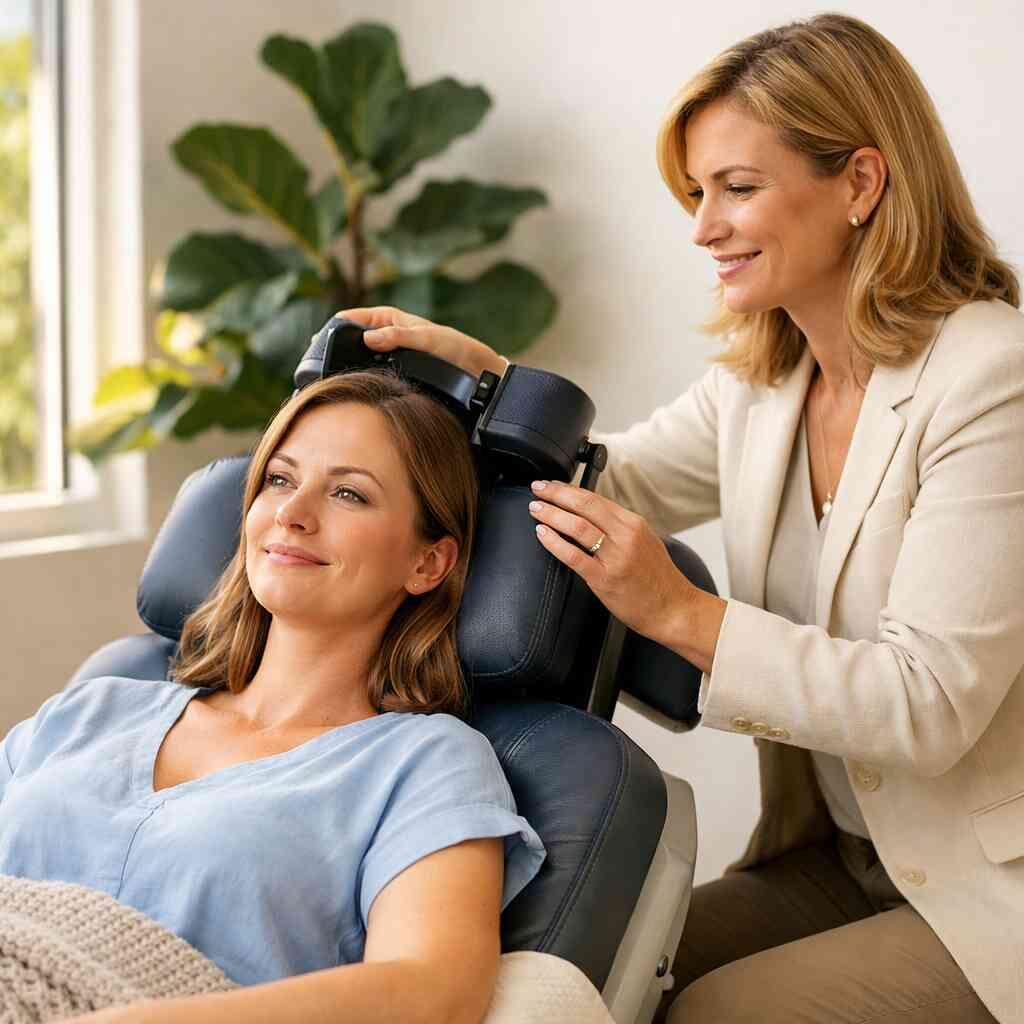
People often ask, how does TMS work if there is no surgery and no anesthesia? The short answer is that a coil placed near the scalp sends magnetic pulses to specific brain regions. Those pulses are not electric shocks. They are focused signals that aim to nudge activity in circuits involved in mood, attention, and self-regulation.
A session is usually done while you sit awake in a chair. You can talk. You can listen to music. You go home afterward. That is why many people see it as a form of magnetic brain therapy rather than a major medical procedure. It is also why many patients who struggle with sedation, weight gain, or grogginess find it easier to consider than another medication change.
Why repetitive TMS and deep TMS therapy are discussed differently for PTSD, depression, and anxiety care
Not all TMS is discussed the same way. Repetitive TMS usually refers to standard pulse patterns delivered over targeted regions. Deep TMS therapy reaches broader and deeper networks, and clinicians often discuss it separately when symptoms are complex or when depression and anxiety overlap. If you want a clear side-by-side explanation, the repetitive TMS and deep TMS differences resource is useful.
For PTSD, the evidence base is still growing. For depression, it is stronger. The 2018 Stanford study by Carpenter et al. helped reinforce clinical interest in TMS for treatment-resistant depression, especially when measured with tools like the PHQ-9 or MADRS. That is why many clinics use TMS first as a mood treatment, then discuss trauma symptoms within a broader care plan.
What researchers mean by magnetic brain therapy when they talk about circuit-level change
When researchers talk about transcranial magnetic stimulation research, they usually mean changes in brain circuits rather than a single spot. That matters because PTSD is not just “stress.” It involves threat detection, memory, sleep, and body arousal systems that can stay overactive long after danger passes. TMS tries to influence those networks indirectly by changing how they fire together.
Think of it like recalibrating a system that is stuck on high alert. It is not fast for everyone. It is not guaranteed. But it gives clinicians a non-drug way to work with neural patterns that medication sometimes cannot fully reach. That is one reason some patients exploring alternative depression treatment ask about it after years of trial and error.
Why TMS side effects safety matters when someone is already worn down by medication fog or dry mouth
Safety matters a lot when you are already exhausted. Many people arrive after feeling flattened by medication fog, dry mouth, emotional blunting, or sleep disruption. That is why TMS side effects safety is such a central discussion point. Typical side effects are often described as scalp discomfort, headache, or temporary sensitivity near the treatment site.
A thoughtful clinic should explain risks plainly, not minimize them. The TMS side effects and safety information should be reviewed before anyone commits. If you are comparing options, ask about the device used, the treatment plan, and how symptoms are monitored over time. That is especially important if you are also managing anxiety, substance use, or bipolar symptoms.
Why Orlando patients with PTSD often ask whether TMS fits with depression, anxiety, and substance use concerns
When PTSD and depression treatment overlap and why that overlap changes the care plan
PTSD rarely travels alone. It often overlaps with low mood, hopelessness, irritability, and shutdown. That overlap changes treatment planning because a person may need help with both trauma activation and depressive symptoms. In those cases, clinics may discuss PTSD and depression treatment together rather than treating each issue in a silo.
This is where a focused depression resource can help. If your symptoms include persistent sadness, loss of interest, or sleep disruption, you may want to review transcranial magnetic stimulation therapy for depression. Some people also ask about TMS for bipolar depression, especially when antidepressants have not helped enough or have caused problems. Careful screening matters here, because not every brain pattern should be approached the same way.
How TMS for anxiety can matter when panic and hypervigilance keep the body on alert
Anxiety can keep trauma alive in the body. Your shoulders stay tight. Your stomach stays unsettled. Your thoughts keep checking for danger. That is why TMS for anxiety comes up so often in trauma-informed care.
If panic or hypervigilance is part of your day, the conversation may also include TMS for anxiety disorders in Florida. It is important to be realistic. TMS is not a calm switch. Still, some patients with mixed depression and anxiety symptoms explore it because they want a non-drug option that does not add sedation. That can matter when you are still trying to work, parent, or sleep.
Where TMS for bipolar depression, TMS OCD therapy, and TMS after failed medications can enter the conversation
Trauma can sit next to other diagnoses. Some people also live with obsessive thoughts, mood swings, or a long history of medication trials. That is where TMS OCD therapy, TMS for bipolar depression, and TMS after failed medications may enter the plan. The treatment conversation should stay careful and individualized.
Medication resistant depression is one of the most common reasons people seek TMS. It is also why a TMS psychiatrist Florida visit should focus on diagnosis, symptom patterns, and safety screening, not just on a quick yes or no. If you want to compare options, TMS for bipolar depression in Florida is a relevant topic to review with a clinician.
Why TMS addiction recovery and TMS for substance use disorder may come up in dual diagnosis treatment Florida settings
When trauma and substances overlap, the picture gets harder. Some people drink to sleep. Others use cannabis, nicotine, or other substances to calm their nervous system. That is why TMS addiction recovery and TMS for substance use disorder may come up in dual diagnosis treatment Florida settings.
The research on rTMS and craving reduction is growing, including studies discussed by teams like the Medical University of South Carolina. Still, this is not a stand-alone fix. The SAMHSA TIP guidance for substance use disorders reminds clinicians to treat the full picture: triggers, relapse risk, and mental health needs. If addiction is part of the story, review dual diagnosis treatment in Florida for trauma and addiction.
How TMS and EMDR combination planning is discussed in trauma informed care without overselling results
Some people ask about TMS and EMDR combination care. That question makes sense. One treatment may help calm symptoms enough for trauma therapy to feel more manageable. Another may help process memories once the body is less reactive. But sequencing matters, and outcomes cannot be promised.
In trauma-informed care, good clinicians talk about fit, timing, and readiness. They do not oversell. They may also coordinate with psychotherapy teams when needed, including EMDR providers. If you want a broader look at trauma support options, TMS and EMDR trauma recovery support can give you a sense of how layered care is sometimes discussed, even when the final plan differs.
The clinic questions people should ask before choosing TMS in Florida
What a thoughtful Florida mental health clinic should explain about evaluation, screening, and shared decision making
A good Florida mental health clinic should start with screening, not sales. That means reviewing your diagnosis, your medication history, sleep, substance use, and any bipolar or seizure risk. It should also explain what TMS can and cannot do. Shared decision making is not a buzzword here. It is the part that protects you.
Clinics should also explain who monitors treatment and how progress is tracked. Tools like the PHQ-9 or MADRS can help measure change over time. For more on clinic standards and provider details, about-us is worth reviewing. A careful team should make you feel informed, not rushed.
How TMS psychiatrist Florida visits usually focus on history, symptom pattern, and what has already been tried
A TMS psychiatrist Florida visit often feels more practical than people expect. The clinician wants to know what you have already tried, what helped a little, and what failed or caused side effects. They may ask about trauma history, sleep, cravings, and whether symptoms shift by season or stress level. 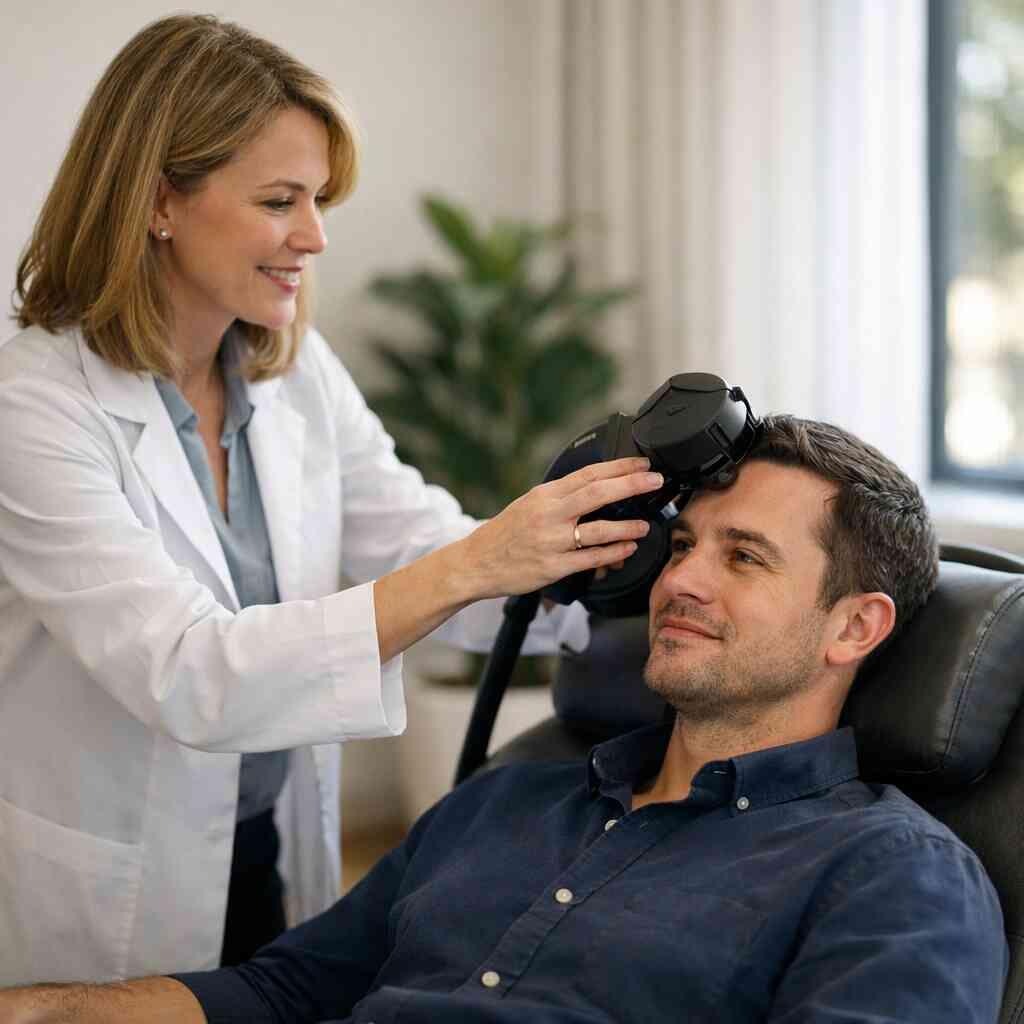
The Florida Agency for Health Care Administration matters here because outpatient clinics must follow state rules and operational standards. That does not guarantee a perfect experience, but it does set a framework for accountability. If your situation is complex, a strong clinician will not rush the decision. They will explain why screening matters before starting any course of treatment.
What to ask about TMS insurance coverage Florida, does insurance cover TMS in Florida, and TMS cost Florida before committing
Money questions are not awkward. They are necessary. Ask directly about TMS insurance coverage in Florida, whether does insurance cover TMS in Florida applies to your plan, and what TMS cost Florida looks like if coverage is partial. Different plans handle prior authorization differently, and Florida’s insurance landscape can be complicated.
A practical checklist helps:
- Ask what diagnosis your plan requires.
- Ask whether prior authorization is needed.
- Ask about copays, deductibles, and expected visits.
- Ask how the clinic verifies benefits before treatment starts.
If you want a deeper breakdown, TMS cost in Florida is the right place to compare the financial side without guessing.
Why TMS reviews Florida and best TMS clinic Florida searches should be weighed against real clinical fit and local access
Online reviews can help, but they should not decide everything. A search for TMS reviews Florida or best TMS clinic Florida may tell you about wait times, staff warmth, or parking. It will not tell you whether the clinic fits your diagnosis, schedule, or insurance.
The better question is fit. Can they handle trauma complexity? Do they explain side effects clearly? Can they coordinate care if you also need depression, anxiety, or addiction support? If you want a location-based comparison, best TMS clinic in Florida can help frame the questions before you call.
How location access from TMS Orlando, TMS Tampa, TMS clinic Miami, TMS Fort Lauderdale, and TMS West Palm Beach can shape convenience
Access shapes adherence. That is true in Orlando, and it is true across the state. People compare TMS Orlando, TMS Tampa, TMS clinic Miami, TMS Fort Lauderdale, and TMS West Palm Beach because a treatment course involves repeated visits. If the drive is too hard, care gets skipped.
That is also why local details matter for people coming from Aventura, Coral Gables, Boca Raton, Delray Beach, or Winter Park. You want a clinic that fits your commute and your life. If you are sorting locations, locations can help you narrow things down without starting from scratch.
What good next steps look like after the decision feels less fuzzy
When to compare TMS near me Florida options against other non-drug depression treatment paths
If you are comparing TMS near me Florida options, keep your goal simple. You are not shopping for the fanciest brochure. You are looking for a safe, realistic plan that fits your symptoms, schedule, and budget. That may include TMS, therapy, medication adjustments, or another non-drug depression treatment discussion.
This is also where alternative depression treatment searches become useful. They help you see what else exists, but they should not replace a clinical evaluation. If you are stuck after several medication trials, a focused conversation about medication resistant depression can clarify whether TMS belongs in the plan.
How long-term TMS support and TMS maintenance therapy are usually discussed after the initial course
People often ask what happens after the initial sessions. That is where TMS maintenance therapy and long-term TMS support may come up. Some patients need only a standard course plus monitoring. Others discuss maintenance visits if symptoms begin creeping back.
The key is planning before the urgency returns. Ask how the clinic tracks relapse warning signs. Ask how they handle booster sessions if needed. Ask what follow-up looks like if life stress spikes, especially during heavy work periods or seasonal changes. Good care plans make room for that reality.
Why Florida behavioral health patients may want a plan for relapse prevention, work demands, and seasonal stress
Florida behavioral health care often has to account for more than symptoms. Work shifts, family demands, hurricane prep, and seasonal residents can all affect follow-through. On the projects we have seen this year, the people who do best usually have a written plan for scheduling and relapse prevention. That plan is plain, specific, and realistic.
Here is the part almost no online guide mentions. Stability often depends on boring logistics. Ride plans matter. Time off matters. Reminder systems matter. That is not glamorous, but it is what keeps care moving when motivation dips.
What to expect from a calm next conversation with TMS Treatment Florida about trauma recovery support and follow through
A good next conversation should feel calm. It should cover your trauma history, your treatment history, and whether TMS seems reasonable. It should also leave space for questions about insurance, timing, and what support looks like if symptoms are mixed. That is how trauma recovery support becomes a real plan instead of a hopeful idea.
If you are ready to talk with TMS Treatment Florida, keep the call focused. Ask how they evaluate PTSD, depression, anxiety, and substance use together. Ask how they track change. Ask what a typical week looks like once treatment starts. You do not have to figure this out alone, and you do not have to sort every detail tonight. Start with one phone call and one clear question.
How to use locations and insurance-and-costs to narrow the choice without getting lost in research spirals
Research spirals can wear you out. So use the clinic tools with a purpose. locations helps you check proximity. insurance-and-costs helps you understand coverage and financial fit. Those two pages can cut through a lot of noise.
If you want a simple action for today, choose three clinics and compare only three things: diagnosis fit, commute time, and insurance verification. That is enough to move forward without overwhelm. Then make the call. The answer may not come instantly, but clarity usually starts there.
Frequently Asked Questions
Does TMS work for PTSD in Orlando?
TMS is best established for depression, and PTSD research is still developing. That said, many Orlando patients ask about it because PTSD often overlaps with depression and anxiety. A clinic should explain that TMS is not a guaranteed PTSD cure. It may still be considered when symptoms are layered, medication has not helped enough, and a clinician thinks the brain circuits involved in mood and regulation could benefit from stimulation. A proper evaluation is essential.
Is transcranial magnetic stimulation therapy safe?
For many people, TMS is considered well tolerated. Common side effects include scalp discomfort, mild headache, or temporary sensitivity during sessions. Serious risks are uncommon, but they must still be discussed. That is why clinics should review seizure history, medications, and other safety factors before treatment. If you are already dealing with medication fog or dry mouth, TMS may feel easier to consider because it does not usually create those same systemic side effects.
Does insurance cover TMS in Florida?
Sometimes, yes, but coverage depends on the plan and the diagnosis. Many insurers require prior authorization and documentation of prior treatment failure, especially for depression. Some plans may be more restrictive for PTSD or other off-label uses. Always ask the clinic to verify benefits before starting. Ask about copays, deductibles, and any separate costs for evaluations or follow-up visits.
Can TMS help with anxiety and depression together?
It may be discussed when anxiety and depression are both part of the picture. Some people seek TMS because panic, rumination, and low mood are intertwined. Clinics often evaluate whether the person’s symptoms fit a depression-centered treatment plan or need a different approach first. TMS is not a blanket fix for every anxiety disorder, but it can be part of a broader trauma-informed plan when a clinician thinks it makes sense.
How long does a TMS course usually last?
Courses vary by clinic and diagnosis, but TMS is usually given over multiple sessions rather than in one appointment. The exact schedule depends on the protocol, the device, and the treatment plan. A clinic should explain how progress is monitored and when adjustments are considered. If maintenance is needed later, that conversation usually happens after the initial course, based on symptom tracking and follow-up.
What should I ask before choosing a TMS clinic in Florida?
Ask about diagnosis fit, insurance verification, staff roles, session length, side effects, and how progress is measured. Also ask whether the clinic treats only depression or also addresses anxiety, OCD, bipolar depression, or substance use concerns. Location matters too, especially if you live in Orlando, Tampa, Miami, Fort Lauderdale, or West Palm Beach. The best clinic for you is the one that fits your clinical needs and your actual life.