When cravings and old coping patterns keep winning, where does TMS fit?
If you are reading this after another hard night, that tight feeling in your chest makes sense. You may have tried therapy, medication, white-knuckling, or all three. Yet cravings still show up. They arrive fast, and they do not care how hard you tried at work or home. That is why many people start asking about TMS treatment Florida for substance use support.
Why people in Florida start looking beyond therapy and medication alone
People rarely ask about TMS treatment Florida because life feels easy. They ask because something has stalled. Maybe antidepressants dulled your energy or stopped helping. Maybe therapy helped with insight, but cravings still hijacked your evenings. In Florida, we hear this from people in Miami, Coral Gables, Boca Raton, Delray Beach, and Winter Park, especially when the same stress loops keep returning.
Here is the part most people miss: substance use often sits alongside depression, anxiety, OCD, trauma, or bipolar symptoms. That overlap can make recovery feel like pushing a car with one flat tire and no spare. The body wants relief. The brain remembers the fastest route. For some people, that route becomes alcohol, nicotine, or another substance.
What TMS treatment Florida can and cannot be expected to do for substance use support
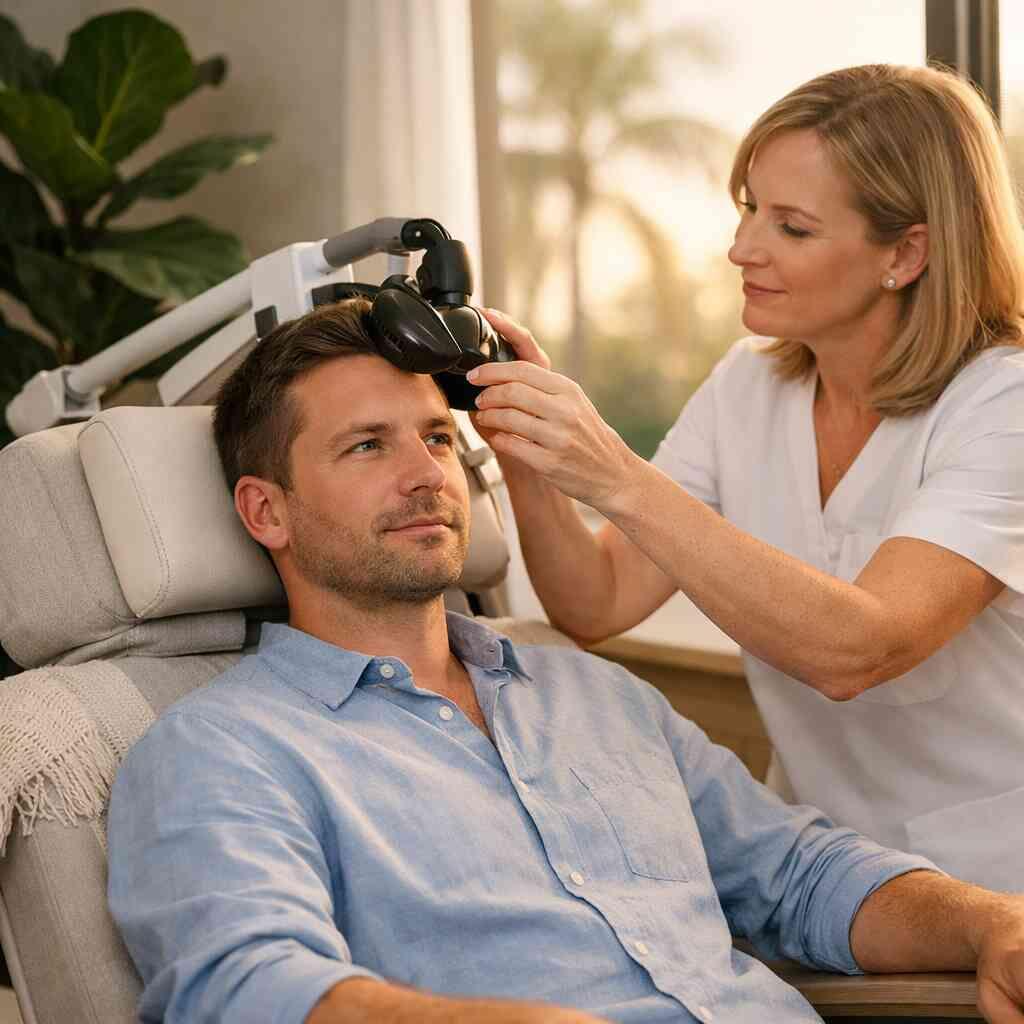
Transcranial magnetic stimulation therapy uses magnetic pulses to influence brain regions linked to mood and self-control. It is a form of non-invasive brain stimulation, so there are no surgery scars and no sedation. People often ask, how does TMS work? In simple terms, it nudges brain circuits that may be underactive or overactive.
That does not mean TMS is a cure for addiction. It does not erase cravings overnight. It does not replace detox, counseling, or relapse planning. What it may do is support the symptoms that make recovery harder, especially when medication-resistant depression or anxiety keeps feeding the cycle. That is why people also look up TMS after failed medications and non-drug depression treatment.
Why dual diagnosis treatment Florida matters when depression, anxiety, and cravings overlap
Dual diagnosis care matters because the brain does not label symptoms neatly. Depression can flatten motivation. Anxiety can spike avoidance. Trauma can keep the body on alert. Cravings often slide into that gap and promise fast relief. Dual diagnosis treatment Florida is about treating the whole picture, not just one corner of it.
A client in South Florida once described it this way: “I was treating the drinking, but the panic stayed.” That is a common pattern. When mood symptoms stay active, recovery work gets harder. A careful clinic may consider TMS for anxiety, TMS OCD therapy, or TMS for bipolar depression alongside addiction treatment. For some patients, that broader view changes the conversation.
What your brain is doing during relapse and why magnetic brain therapy gets attention
Relapse often feels like a moral failure. It is usually not. It is a nervous system under pressure, plus habits that got wired in over time. Your brain seeks relief, and it seeks it quickly. That is one reason magnetic brain therapy has earned attention in addiction and mood research.
How transcranial magnetic stimulation therapy works in plain language
During repetitive TMS or deep TMS therapy, a coil placed near the scalp sends brief magnetic pulses into targeted brain areas. The treatment is often used in a Florida mental health clinic setting for depression first, then considered for overlapping symptoms. Most people stay awake, sit in a chair, and return to daily life right after. No anesthesia is needed.
The clearest mental model is this: TMS helps train circuits, not personalities. It may support attention, mood regulation, and emotional control. That matters when the brain keeps reaching for the shortest path to relief. For people searching TMS near me Florida, this difference matters because the experience feels very different from medication changes or inpatient sedation.
Why alcohol addiction brain stimulation and TMS for smoking cessation keep showing up in research
Research on alcohol addiction brain stimulation and TMS for smoking cessation keeps growing because cravings have a real neural signature. Studies from places such as the Medical University of South Carolina have explored how stimulation may influence cue reactivity and craving intensity. The evidence is promising, but it is still developing. That is the honest answer.
People often ask about TMS therapy success rate as if there were one clean number. There is not. Outcomes vary by diagnosis, symptom pattern, session consistency, and whether substance use is active. For context, TMS for depression has stronger evidence than TMS for addiction alone. The 2018 Stanford work often cited in TMS discussions, including studies associated with Carpenter and colleagues, helped strengthen interest in symptom measurement and targeted treatment.
What the current evidence says about rTMS, deep TMS therapy, and craving circuits without overpromising
The current evidence suggests rTMS and deep TMS therapy may help some patients by changing activity in brain networks tied to reward, control, and mood. That is why transcranial magnetic stimulation research continues to expand. The Clinical TMS Society and APA-aligned guidance continue to frame TMS as a serious clinical tool, especially for depression. For addiction, the field is newer and more cautious.
A balanced way to think about it is simple: TMS may reduce the weight of symptoms that fuel relapse. It may also support better engagement in counseling and recovery work. It should not be sold as a stand-alone fix for TMS for substance use disorder. Real recovery usually needs structure, support, and follow-through.
How TMS for PTSD Florida and TMS for bipolar depression can matter when substance use is part of a bigger picture
Trauma can sit beneath the whole pattern. That is why TMS for PTSD Florida comes up so often in conversations about relapse. When memories, startle response, or sleep disruption stay high, self-medication becomes tempting. The same applies to TMS for bipolar depression, where low moods can drive risk, shame, or escape behaviors.
On the projects and consultations we see most often, the person is not dealing with one diagnosis. They are dealing with a pileup: mood symptoms, family stress, sleep loss, drinking, nicotine, maybe all four. That is why TMS should be considered as part of a plan, not a solo answer.
The Florida clinic questions people ask before they book a consult
Booking a consultation can feel awkward. That is normal. You may worry about judgment, cost, or hearing another treatment pitch that sounds nice but goes nowhere. A careful clinic should slow things down and answer plainly.
What a TMS psychiatrist Florida evaluates before recommending treatment
A TMS psychiatrist Florida should review diagnosis, history, current medications, prior response, safety factors, and whether substance use is active. They may also use rating tools like PHQ-9 or MADRS to measure symptoms before and during care. That makes progress easier to track. It also helps separate “I feel a little better” from real clinical change.
Florida clinics also need to follow AHCA rules for outpatient care. That matters because quality screening is not optional. If a clinic rushes past your history, that is a warning sign. You want a provider who asks about seizures, implants, sleep, current substances, and any recent medication changes.
How TMS depression treatment Florida and TMS for anxiety are often weighed alongside addiction rehab Florida
People often begin with TMS depression treatment Florida because depression is the symptom they can no longer ignore. Others seek TMS for anxiety after panic, constant worry, or body tension starts driving substance use. In many cases, the question is not “depression or addiction?” It is “how are they feeding each other?”
That is where addiction rehab Florida and TMS can work side by side. Therapy can help with skills. Recovery support can help with accountability. TMS may help with the symptoms that keep the person from using those tools well. For some readers, that blend feels more realistic than expecting willpower alone to do the job.
What TMS side effects safety usually looks like and why non-invasive brain stimulation feels different from sedation
Most people who ask about TMS side effects safety want one thing: plain truth. Common side effects can include scalp discomfort, headache, or mild fatigue after sessions. Some people feel nothing more than tapping or clicking at the treatment site. Serious risks are uncommon, but they must be discussed in screening.
Because it is non-invasive brain stimulation, TMS feels very different from sedation or a procedure that knocks you out. You can drive yourself home in many cases, if your clinic confirms it is appropriate. That practical difference matters for working adults, parents, and people juggling care in places like Aventura or Broward County. It keeps the treatment easier to fit into real life.
How TMS insurance coverage Florida and TMS cost Florida are usually handled in South Florida clinics
Questions about TMS insurance coverage Florida and TMS cost Florida come up early for good reason. Coverage often depends on diagnosis, prior medication trials, and the specific plan rules. People also ask, does insurance cover TMS in Florida? Sometimes yes, sometimes with requirements, and sometimes with limits. The clinic should check benefits before you commit. 
TopicWhat to askWhy it mattersCoverageDoes my plan require prior authorization?Prevents surprisesDiagnosisIs depression the covered indication?Plans varyRecordsDo you need failed medication history?Often requiredPaymentWhat happens if coverage is partial?Helps with budgetingIf a clinic gives exact pricing without reviewing your file, be cautious. TMS insurance coverage and cost in Florida clinics should be explained clearly, not guessed.
What to know when comparing a TMS clinic Miami, TMS Fort Lauderdale, TMS West Palm Beach, TMS Orlando, or TMS Tampa
Location matters because consistency matters. A TMS clinic Miami, TMS Fort Lauderdale, TMS West Palm Beach, TMS Orlando, or TMS Tampa should be reachable enough for repeated visits. That matters in South Florida traffic and in the realities of seasonal residents who split time between states. It also matters when you are tired, anxious, or early in recovery.
If you are comparing a luxury TMS center to a straightforward outpatient clinic, ask the same questions either way. Who evaluates you? How often do you measure progress? What happens if symptoms do not improve? If you want a broader view of service areas, the clinic locations in South Florida page can help you orient yourself.
How to decide whether this is the right next move for your recovery plan
The right next move is not always the flashiest one. It is the one that fits your symptoms, your history, and your daily life. If your current plan keeps failing, that deserves a serious look, not more guilt.
What a careful screening looks like for medication resistant depression, TMS after failed medications, and substance use disorder
A careful clinic should ask whether you meet the pattern for medication-resistant depression or TMS after failed medications. They should also ask about the timing of substance use, not just the substance itself. Active withdrawal, unstable use, or poor sleep can change the plan. That is why screening should never feel rushed.
If you are a parent, a young adult, or someone managing work and recovery at once, be direct about your schedule. A thoughtful team will help you map visits around real life. For some patients, TMS for teen depression or TMS for young adults is part of that same screening conversation, especially when substance use has started early.
How TMS addiction recovery may be paired with therapy, recovery support, or TMS and EMDR combination care
TMS works best when it sits inside a wider plan. That may include therapy, peer support, medication review, or relapse-prevention work. Some clinics also discuss TMS and EMDR combination care when trauma is driving the addiction pattern. The logic is simple: treat the brain state and the memory network that keeps feeding distress.
A man we spoke with in Palm Beach County had quit three times before he understood the missing piece. He was not just fighting cravings. He was fighting panic after sleep loss. Once his care plan included therapy and mood-focused treatment, he could stay engaged longer. That kind of story is common, even when the details differ.
What maintenance therapy and long-term planning can look like when symptoms have been stubborn
Some people improve and then worry about losing momentum. That is where TMS maintenance therapy enters the discussion. Maintenance is not a sign of failure. It is a way to protect gains when symptoms tend to return. The exact schedule depends on the clinic, the diagnosis, and the response pattern.
TMS long-term results depend on more than the machine. They depend on sleep, stress, therapy, and follow-up care. That is why the most useful clinics discuss relapse prevention early. If a provider promises permanent change from a short course alone, slow down and ask more questions.
How to use local access, insurance checks, and Florida behavioral health resources to choose a best TMS clinic Florida option and move forward
Florida gives you options, but options still need sorting. Start by verifying location, benefit checks, and who actually performs your evaluation. Look for a best TMS clinic Florida option that speaks plainly about diagnosis, safety, and follow-up. Then compare that with your schedule and transportation.
If you want to compare service areas, review TMS treatment in Miami-Dade County, TMS treatment in Broward County, and TMS treatment in Palm Beach County. Those details matter when you are trying to keep treatment practical. And if you still have questions about TMS for substance use disorder Florida, the clinic’s FAQ page can help you sort the basics without pressure.
Frequently Asked Questions
Does TMS help with substance use disorder in Florida?
TMS may help some people when substance use overlaps with depression, anxiety, OCD, PTSD, or bipolar depression. It is best viewed as support for the brain circuits and symptoms that make recovery harder. Research on craving and relapse is still developing, so no responsible clinic should promise a cure. A good evaluation will explain where the evidence is strongest and where it remains limited. If you want a clearer overview, check the clinic’s addiction treatment FAQs.
Is TMS safe if I am in recovery?
For many patients, TMS is well tolerated. Common side effects include scalp discomfort or headache. Your clinician should screen for seizure risk, implants, sleep issues, and current substance use before starting. Safety depends on proper evaluation and follow-up, not assumptions. Ask for a plain-language review of TMS side effects safety before you book.
How does TMS work for depression and addiction recovery support?
TMS uses magnetic pulses to stimulate targeted brain regions linked to mood and control. For depression, the evidence is stronger and more established. For addiction recovery, TMS may help indirectly by reducing symptoms that drive relapse, like low mood or anxiety. It is usually combined with therapy or recovery support. It should not replace addiction treatment.
Does insurance cover TMS in Florida?
Sometimes it does, especially for covered depression diagnoses with prior treatment history. Plan rules vary, and some insurers require records showing prior medication trials. The clinic should check benefits before treatment starts. Ask about authorization, copays, and any self-pay options. Never assume coverage without verification.
What should I ask before choosing a TMS clinic near me in Florida?
Ask who evaluates you, how progress is measured, what safety screening is done, and whether they treat co-occurring conditions. Also ask about insurance checks, session length, and location access from your city. If you live in South Florida, compare commute times carefully. Consistency matters more than fancy marketing. You can also review the clinic’s about team and credentials before deciding.
Can TMS be combined with EMDR or other therapy?
Yes, many clinics consider TMS alongside therapy, including EMDR, when trauma or anxiety drives substance use. The goal is to reduce symptoms from more than one angle. That said, the exact plan should come from your evaluation, not from a template. Pairing treatments can make sense when symptoms have stayed stubborn. It should always be coordinated by a qualified clinician.
What if I have already failed several medications?
That is one of the most common reasons people ask about TMS. If you have tried multiple medications without enough benefit, you may fit the profile for medication-resistant depression or TMS after failed medications. A screening visit should review your history carefully and measure baseline symptoms. From there, the team can explain whether TMS is a reasonable option. You do not have to sort that out alone.


