
1) Why the Miami crash point often comes before anyone calls it depression or burnout
The crash point usually looks ordinary at first. You miss one morning, then a week. Coffee stops helping. Your mood flattens, and the fog feels like weather you have to live with. If you are reading this because something feels off, that feeling matters. Many people in Miami keep pushing until their body or work schedule forces the issue.
When morning fog, missed work, and a flat mood start to feel normal
This is often how depression hides. You do not always feel deep sadness. Sometimes you feel slow, numb, irritated, or strangely blank. That is why people searching for TMS treatment Florida often say they waited too long. They thought they were tired, overworked, or just “off” for a season. Then the days kept shrinking.
We hear this pattern often from people juggling long commutes, family pressure, and Florida’s heavy humidity. A client from near Coral Gables once described it as “walking through warm syrup.” That image stayed with us. It fit the way her energy and attention both thinned out. If that sounds familiar, TMS treatment in Florida for recovery in Miami may help you think about the next move more clearly.
How Miami heat, disrupted sleep, and stress can make symptoms feel louder
Miami living can intensify symptoms in quiet ways. Heat can wear you down. Late nights can throw off sleep. Seasonal travel, work stress, and family obligations can make recovery feel harder than it should. None of that causes depression by itself. Still, it can make symptoms feel louder and more relentless.
Here is the part most people miss: your environment can amplify what is already fragile. Poor sleep changes mood regulation. Stress changes focus and patience. So when someone asks how TMS works, they are often really asking how to interrupt that stuck loop. Transcranial magnetic stimulation therapy uses focused magnetic pulses to stimulate brain regions linked to mood. It is a non-invasive brain stimulation treatment, which matters when you already feel worn down.
Why medication resistant depression can hide behind numbness instead of sadness
Medication-resistant depression is not always dramatic. It can look like a gray filter over everything. You may still show up. You may still smile at work. Inside, though, you feel disconnected from yourself. That is why alternative depression treatment searches often lead people to TMS after they have already tried several medications.
On the projects we have seen this year, the hardest part is usually recognition. People often normalize the numbness. They tell themselves it is stress, age, or just life. But if the feeling has lasted and medications have not helped enough, TMS after failed medications becomes a practical discussion, not a desperate one. For many patients, that conversation begins with a Florida mental health clinic that understands advanced mood disorder treatment and does not rush you.
2) The session room effect that makes transcranial magnetic stimulation therapy feel different from pills
A session room can feel surprisingly calm. There is no hospital bed. No IV. No long recovery day. You sit in a chair while the machine makes a tapping sound against the scalp. For some people, that small physical separation from daily stress changes the experience immediately. It feels contained. It feels repeatable. And that matters when you have been fighting your brain for months.
What a typical visit at a TMS clinic Miami setting can look like
A TMS clinic Miami visit usually starts with a clinical review, symptom tracking, and mapping. The team confirms whether you are a fit for repetitive TMS or deep TMS therapy. Sessions are typically outpatient, so you can return to work or home after treatment. That is one reason people searching for TMS near me Florida often want a clinic near Aventura, Boca Raton, Delray Beach, or Winter Park access points.
A good clinic should explain the process plainly. You should know what the chair feels like, how long the session may take, and what side effects are possible. That honesty builds trust. If you want a deeper look at the treatment setting, transcranial magnetic stimulation therapy in Miami can help you compare what the visit is like before you commit.
Why non-invasive brain stimulation can matter when side effects have been wearing you down
A lot of people arrive after difficult medication experiences. Dry mouth. Weight changes. Sleep changes. Fog. Sexual side effects. Dullness. When those effects pile up, the idea of non-drug depression treatment starts to sound less like a trend and more like relief. That is where TMS can feel different.
Magnetic brain therapy does not work like a pill in your bloodstream. It targets specific brain circuits tied to mood and regulation. The FDA-approved depression treatment status for certain TMS devices matters because it reflects formal review for depression care. Still, you should always discuss risks and benefits with a qualified clinician. If you want a focused explanation of possible reactions, TMS side effects and safety is a useful place to start.
How repetitive TMS and deep TMS therapy fit into modern Florida mental health care
The wording matters. Repetitive TMS usually refers to repeated magnetic pulses delivered over time. Deep TMS therapy uses a different coil design that reaches broader or deeper cortical areas. Both belong within modern Florida behavioral health care when a clinic knows how to match the protocol to the person, not just the diagnosis.
On the clinical side, the evidence base keeps growing. The 2018 Stanford study often cited in TMS discussions, along with broader transcranial magnetic stimulation research, helped reinforce TMS as a serious option for depression care. The Clinical TMS Society consensus review and APA practice guidance also support careful, evidence-based use. For the right person, this is not fringe care. It is structured outpatient treatment with a real workflow. That is why many people compare best TMS clinic Florida before choosing where to go.
3) Why TMS depression treatment Florida is often considered after failed medications
People usually do not look for TMS on a whim. They look after enough medication trials have failed, plateaued, or caused more trouble than benefit. That is where TMS depression treatment Florida enters the conversation. It is not about abandoning medicine. It is about choosing another evidence-based path when the first path has not done enough.
How clinicians think about medication-resistant depression and TMS after failed medications
Clinicians often look for a pattern. Have you tried antidepressants at adequate doses and durations? Did side effects limit each trial? Did symptoms return quickly after improvement? If yes, then medication-resistant depression may be part of the picture. That is when TMS treatment after failed medications becomes reasonable to discuss.
The useful part is that TMS offers a different mechanism. Instead of changing serotonin or norepinephrine levels directly, it uses targeted stimulation to influence neural networks tied to mood. That does not make it magic. It makes it different. For many people, that difference matters after one too many disappointing medication rounds. You can also review TMS treatments for depression if you want a clearer explanation of depression-specific care.
What tools like PHQ-9 and MADRS are used to track change without guessing
Good care does not rely on vibes. It uses measurement. Tools like the PHQ-9 and MADRS help clinicians track symptoms before, during, and after treatment. That matters because memory can be misleading when you have felt bad for months. The numbers give shape to change.
Here is a simple example: if sleep improves but energy does not, that tells the team something. If concentration rises before mood, that also matters. These tools help reduce guesswork and support better decisions about TMS maintenance therapy or other next steps. They also help answer the question people ask most: “Is anything actually changing?” For practical cost and coverage questions, what TMS cost in Miami and insurance coverage looks like is a strong resource.
Why TMS side effects safety and FDA-approved depression treatment status matter in the decision
Safety should never be an afterthought. People deserve straight answers about TMS side effects safety before they schedule anything. Common side effects can include scalp discomfort or headache, but every patient should receive individualized counseling. That is especially important if you have a history of seizures, bipolar symptoms, or other complexity.
You may also hear people ask, “Does insurance cover TMS in Florida?” That depends on the plan and medical criteria. TMS insurance coverage Florida can vary, and Florida’s insurance landscape often requires careful verification. At a reputable clinic, that verification should be part of the process, not a surprise later. If you want help organizing the practical questions, TMS after failed medications can guide your thinking.
4) When TMS for anxiety OCD and bipolar depression start to fit the bigger picture
Depression is not always the only problem in the room. Sometimes anxiety drives the day. Sometimes OCD takes over. Sometimes bipolar depression sits underneath a cycle of energy and collapse. That is why a thoughtful clinic does not treat every person the same way. It listens first, then matches the plan. 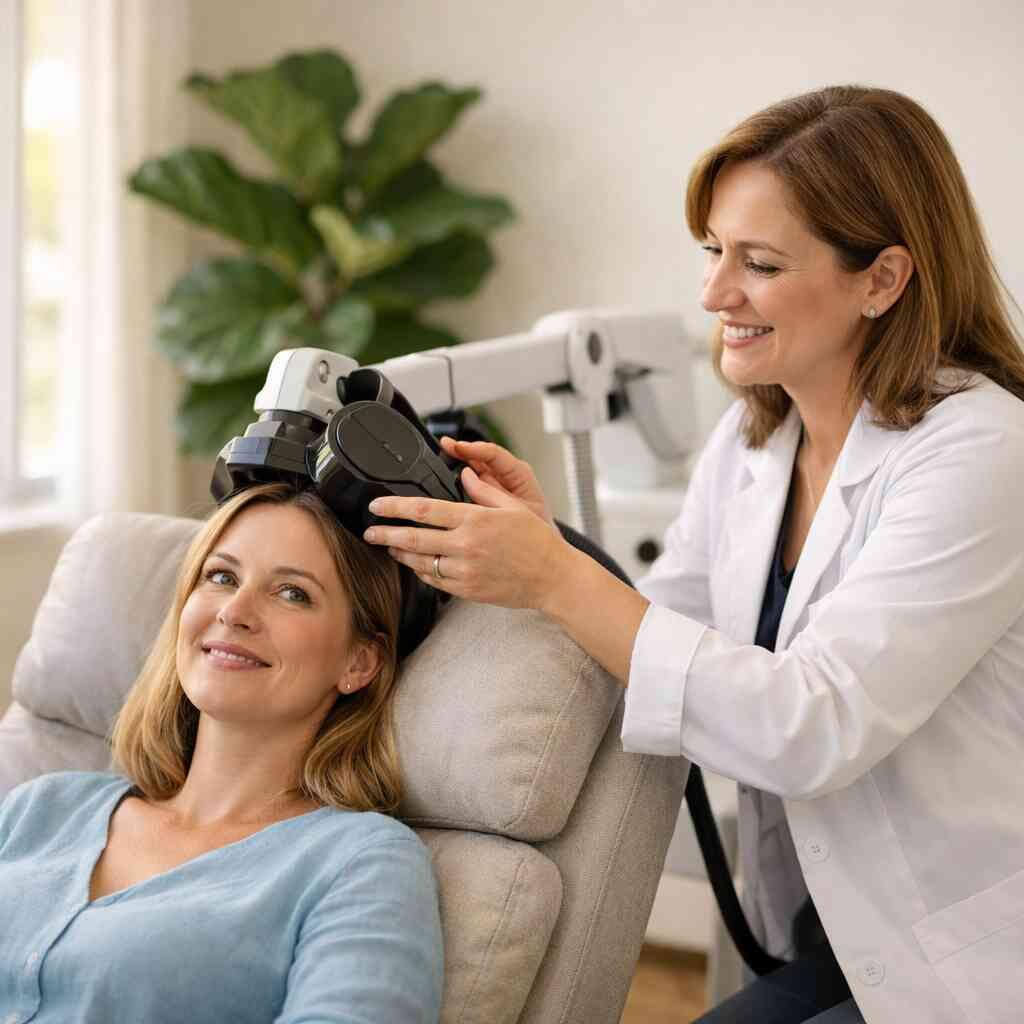
How TMS for anxiety can support people whose nervous system feels stuck on high alert
When anxiety has been loud for a long time, your body starts to act like danger is always near. Sleep gets lighter. Focus narrows. Your shoulders stay tight. TMS for anxiety is being studied and used in some care settings, especially when anxiety travels with depression. The goal is not instant calm. It is helping the system stop firing so hard all the time. People often come in after years of holding everything together. They are tired of feeling keyed up before breakfast. They are tired of the anticipatory dread. For those readers, TMS for anxiety in Florida can be a useful place to learn how the treatment fits alongside therapy and medication review. If you live near South Florida corridors like Fort Lauderdale or West Palm Beach, access may be easier than you think. ### Where TMS OCD therapy may enter care alongside therapy and other supports
TMS OCD therapy is not a replacement for exposure and response prevention, and it should never be framed that way. Instead, it may sit alongside therapy, psychiatric follow-up, and daily coping work. OCD is stubborn. It feeds on certainty and repetition. So treatment needs patience and structure.
The best care plans stay realistic. They know that rituals, checking, and intrusive thoughts do not disappear because a device is used. But for some people, TMS can support symptom reduction in a way that helps therapy work better. That is why people often search for TMS OCD therapy after trying several other strategies. If you want a specific overview, TMS OCD therapy in Florida is the right page to review.
Why TMS for bipolar depression is handled carefully and always within a broader clinical plan
TMS for bipolar depression needs careful screening. That part is not optional. A person with bipolar disorder may need mood stabilizer management, close monitoring, and a psychiatrist who understands switching risk. This is where a skilled TMS psychiatrist Florida residents can trust becomes important.
A clinic should never promise a simple fix. It should explain why bipolar depression differs from unipolar depression and how the treatment plan changes. That is also why good programs track symptoms closely and ask about sleep, energy, and agitation. If you are comparing options, TMS for bipolar depression in Florida can help you understand the care framework. In many cases, the best results come from coordination, not from a single intervention.
5) The Miami recovery map that connects TMS addiction recovery to real life momentum
Recovery can feel painfully practical. You need fewer cravings. Better sleep. More follow-through. Less spiraling. That is why the conversation around TMS has expanded into addiction care, smoking cessation, and dual diagnosis treatment. It is not about pretending the brain can be rewired overnight. It is about giving recovery another tool when old ones have stalled.
How TMS for substance use disorder and TMS for smoking cessation may support craving control
Research on TMS for substance use disorder is still growing, but it is active and serious. Studies from places like the Medical University of South Carolina have helped build the evidence base around craving regulation. Some programs also explore alcohol addiction brain stimulation and TMS for smoking cessation. The idea is to target craving circuits that stay overactive during recovery.
That said, no responsible clinician should promise results. The research is promising, not absolute. Still, for people who have tried willpower alone and kept relapsing, that can feel hopeful in a grounded way. If you want to see how this fits into a broader treatment model, TMS for substance use support in Florida gives a focused view. People in Miami, Tampa, and Orlando often ask about this after repeated setbacks.
Why dual diagnosis treatment Florida matters when depression and alcohol use move together
Depression and alcohol use often feed each other. One worsens the other. That is the hard truth. Dual diagnosis treatment Florida exists for this reason. If mood disorder care ignores substance use, the plan can collapse. If addiction care ignores depression, the same thing can happen.
The SAMHSA TIP for substance use disorders emphasizes integrated, patient-centered care. That principle fits TMS discussions too. If you are dealing with both depression and alcohol use, the right clinic should coordinate carefully and avoid oversimplifying. Some people need addiction rehab Florida support, therapy, medication review, and TMS in the same plan. For those readers, top questions about TMS for substance use disorder in Florida can clarify what is realistic.
How insurance checks, Florida clinic access, and maintenance therapy help turn care into a plan you can keep
A plan only works if you can actually keep it. That means checking insurance early, confirming clinic access, and knowing what follow-up looks like. TMS insurance coverage Florida varies by policy, and TMS cost Florida can differ based on protocol, location, and benefits. That is why asking about benefits before starting matters so much.
Florida also has practical advantages. Many clinics serve patients from Miami-Dade, Broward, and Palm Beach counties, and some people travel from Aventura, Coral Gables, Boca Raton, Delray Beach, or Winter Park. Seasonal resident patterns can also affect scheduling, so planning matters. If you are looking for a structured place to compare locations, TMS treatment in South Florida can help you map access. And if you want to understand credentials before booking, about the team is worth reviewing.
For next steps, gather your medication history, write down your top three symptoms, and call one clinic for verification. You do not have to solve everything tonight. You just need one clear conversation, and then the next one gets easier.
Frequently Asked Questions
How does TMS work for depression?
TMS uses magnetic pulses to stimulate brain areas linked to mood regulation. It is an outpatient, non-invasive treatment. For depression, clinicians often use it when medications have not helped enough or have caused too many side effects. The process is measured, repeatable, and guided by symptom tracking such as PHQ-9 or MADRS scores.
Does insurance cover TMS in Florida?
Often, yes, but coverage depends on your plan and medical criteria. Many insurers want proof of prior medication trials and a confirmed diagnosis. Because Florida insurance rules can vary, it helps to verify benefits before scheduling. A good clinic should help with that process and explain expected out-of-pocket costs clearly.
Is TMS safe for anxiety, OCD, or bipolar depression?
TMS safety depends on the person, the protocol, and the diagnosis. Many patients tolerate it well, but every case needs screening. For anxiety and OCD, TMS may be used alongside therapy. For bipolar depression, the plan must be especially careful and closely monitored by a qualified psychiatrist.
How long do TMS results last?
Results can last differently for each person. Some people maintain gains for a long time, while others need booster sessions or maintenance therapy. Clinicians track symptoms over time to decide whether additional treatment makes sense. Long-term results depend on diagnosis, follow-up care, and the overall treatment plan.
Can TMS help with addiction or smoking cessation?
Research suggests TMS may help some people with craving control, including substance use disorder and smoking cessation support. The evidence is still growing, so it should be viewed as a possible tool, not a guaranteed fix. It often works best inside a broader addiction treatment plan that includes therapy and medical support.
Where can I find TMS near me in Florida?
You can start by looking at clinics in Miami, South Florida, Broward County, and Palm Beach County. Many people also search by city, including Fort Lauderdale, West Palm Beach, Orlando, and Tampa. The best clinic for you should offer clear screening, transparent insurance help, and a treatment plan that fits your symptoms and schedule.