
Why anxiety can keep living in the body after the mind is tired of fighting
If you are reading this because your chest stays tight even after a full night’s sleep, that frustration makes sense. Anxiety can outlast good intentions. It can sit in your jaw, your stomach, and your shoulders long after your thoughts are exhausted. Many people in TMS treatment in Florida for anxiety in 2026 ask the same question: why does my body still feel stuck?
When SSRI side effects and stalled therapy make the whole week feel smaller
Some people arrive after SSRIs flattened their energy, dulled their focus, or caused dry mouth that never seemed worth the tradeoff. Others have tried therapy for months and still feel their week shrinking around avoidance, rumination, and poor sleep. We hear this almost every week from people who can still function, but only by forcing everything. That is a hard way to live.
One client from Broward described it this way: by Wednesday, every email felt loud. The medication had helped at first, then the relief faded. The side effects stayed. Therapy helped with insight, but not enough with the physical alarm system that kept firing all day. That gap is often what pushes people to look for a different path.
What makes TMS for anxiety feel different from another round of medication tweaks
TMS for anxiety can feel different because it does not ask you to push through more side effects. Instead, transcranial magnetic stimulation therapy for anxiety uses magnetic pulses to stimulate specific brain networks linked to mood regulation. For many people, that makes it feel less like another medication experiment and more like a targeted reset. It is still clinical care, not magic.
The difference matters when you have already tried medication changes, dose adjustments, and second opinions. TMS after failed medications is often the phrase people use when they are tired of guessing. You may also see it described as alternative depression treatment or non-drug depression treatment when anxiety and low mood overlap. That overlap is common in Florida, where stress, seasonal travel, and long commutes can make symptoms stack up quickly.
Why Florida residents often start looking for non drug depression treatment when anxiety and low mood overlap
A lot of people do not come in saying, “I need anxiety treatment.” They say they feel flat, keyed up, tearful, and wired all at once. That is where TMS depression treatment Florida often enters the conversation. When anxiety and depression mix, the nervous system can feel both overactive and underpowered. It is draining in a way that is hard to explain to people who have not lived it.
Florida also shapes this decision in practical ways. Seasonal residents want care that works with travel. Parents in Aventura, Coral Gables, Boca Raton, Delray Beach, and Winter Park want predictable scheduling. That is why many people search for non-drug depression treatment and medication resistant depression solutions before they get another prescription.
What TMS treatment Florida is actually doing inside the anxious brain
How transcranial magnetic stimulation therapy uses non invasive brain stimulation without sedation
Here is the simple version of how does TMS work. A coil placed near the scalp sends brief magnetic pulses into targeted brain areas. Those pulses help adjust brain activity without surgery, anesthesia, or sedation. It is a form of non-invasive brain stimulation and is sometimes called magnetic brain therapy in everyday conversation.
Most people stay awake during treatment. Most people go back to normal activities right after. That matters if you work, drive, or need to pick up kids after the appointment. If you want the deeper clinical framing, TMS is a well-studied neuromodulation approach, and the broader field includes transcranial magnetic stimulation research on depression, OCD, and craving reduction.
Why repetitive TMS and deep TMS therapy are discussed differently for anxiety and related symptoms
People often hear about repetitive TMS and deep TMS therapy and assume they are the same. They are related, but not identical. Repetitive TMS usually refers to repeated magnetic pulses delivered to the surface of the cortex. Deep TMS is designed to reach broader or deeper brain networks, depending on the device and protocol.
That difference can matter when symptoms are complex. Someone with anxiety plus OCD traits may hear about TMS OCD therapy. Someone with mood swings may ask about TMS for bipolar depression. Someone with trauma symptoms may ask about TMS for PTSD Florida. The right approach depends on the diagnosis, the symptom pattern, and the clinic’s protocol. The best clinics explain this in plain words, not jargon.
TopicRepetitive TMSDeep TMSGeneral targetSurface cortical regionsBroader or deeper networksCommon discussionDepression, anxiety, OCDDepression, OCD, related symptomsSession feelTapping sensationSimilar, sometimes broader targetingClinical choiceBased on diagnosis and goalsBased on diagnosis, device, and protocol### What the appointment flow usually looks like in a Florida mental health clinic from mapping to session timing
The appointment flow is usually calmer than people expect. First comes an evaluation. Then the team maps the treatment area. After that, they establish the stimulation setting and the session length. Many clinics use symptom scales like the PHQ-9 or MADRS to track change over time, because feelings matter, but numbers help keep the picture honest.
A woman from Palm Beach told us she feared the chair more than the treatment. Then she sat through the mapping visit and realized the hardest part was the anticipation. The actual sessions felt repetitive in the best way. Same chair. Same sound. Same rhythm. That predictability can be a relief when anxiety has made life feel unstable.
How TMS side effects safety is usually talked about before anyone commits to care
People deserve a straight answer here. TMS is generally discussed as well-tolerated, but side effects can happen. The most common are scalp discomfort, headache, or a tapping sensation at the treatment site. Clinics should also review rare but serious risks, including seizure risk, before treatment starts. That is part of responsible consent, not a scare tactic.
If you want a deeper read before deciding, review a guide to TMS side effects and safety in Florida. The strongest clinics do not hide the uncomfortable parts. They explain them clearly, then check whether the expected benefits fit your history. That is especially important if you have a seizure disorder, metal implants, or complex medication changes.
The Florida questions people ask before they trust the chair
How TMS insurance coverage Florida often gets checked when anxiety is tied to medication resistant depression
Insurance is usually the first practical question. It should be. Many plans cover TMS when a patient meets criteria for medication resistant depression, especially after documented failed medications and, often, prior therapy. Some plans are easier than others. Some require more paperwork. That part can feel exhausting, but it is normal.
The phrase does insurance cover TMS in Florida has a different answer depending on the policy, diagnosis, and documentation. That is why clinics often verify benefits before treatment begins. If you want a focused breakdown, this insurance and cost guide is a useful starting point. It is also where many people learn that coverage for anxiety is sometimes tied to a depression diagnosis in the chart.
What TMS cost Florida can look like when people compare self pay to covered care
TMS cost Florida can vary a lot. Self-pay usually depends on the number of sessions, the device used, and whether mapping or follow-up visits are included. Covered care can lower out-of-pocket cost, but copays and deductibles still matter. That is why good clinics give clear estimates instead of vague promises.
Some people compare it to other long-running treatments and realize the math is more layered than they expected. One Delray Beach client had spent months paying for visits, prescriptions, and time off work. When the clinic laid out a real cost estimate, the decision became less emotional and more concrete. That is often what people need.
Why location matters for TMS clinic Miami TMS Fort Lauderdale TMS West Palm Beach TMS Orlando and TMS Tampa
Location matters more than people think. Anxiety care works best when you can actually keep showing up. That is why many patients search for a TMS clinic Miami, TMS Fort Lauderdale, TMS West Palm Beach, TMS Orlando, or TMS Tampa option that fits their route. South Florida traffic can turn a short drive into a long afternoon. If you are comparing clinics, the locations page can help you think through proximity, parking, and commute patterns. Aventura and Coral Gables residents often want easy access during the workweek. Boca Raton and Delray Beach patients often want something that fits around school pickup and late afternoon traffic. That practical fit matters. 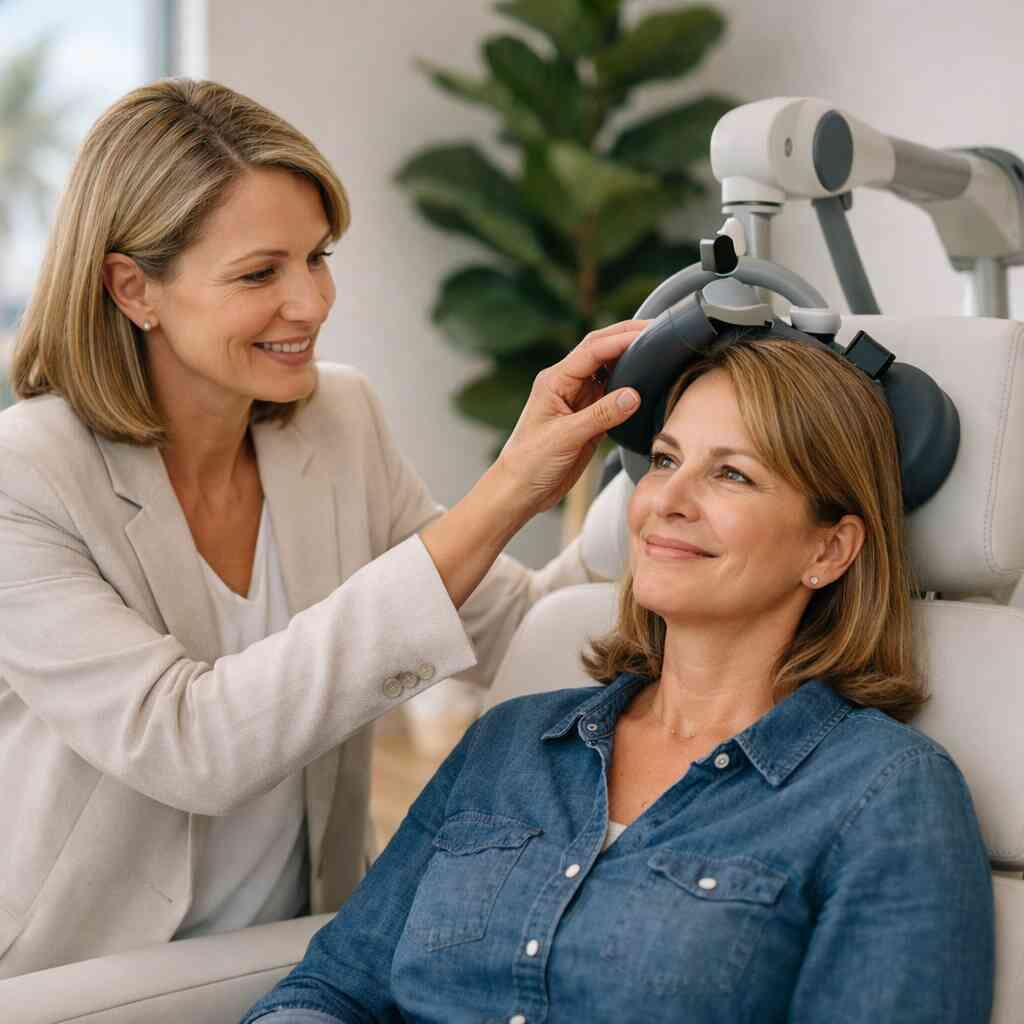
What to know about TMS near me Florida when work school and seasonal travel keep the schedule tight
The search for TMS near me Florida usually means, “Can I actually finish this?” That is a fair question. TMS works best when the schedule is realistic. If you travel seasonally, work rotating shifts, or juggle school hours, the treatment plan should reflect that from the start. Clinics should talk about appointment density, missed-session policies, and rescheduling before you commit.
Here is the part most people miss: consistency matters more than perfection. If the clinic understands Florida life, they will help you build a plan around your calendar, not force your calendar around the plan. That is where a good coordinator earns trust. It is also where Florida behavioral health standards and outpatient clinic policies show up in real life.
How Florida behavioral health rules and outpatient clinic standards shape the experience
Florida outpatient clinics operate within state rules, safety expectations, and documentation standards. That may sound dry, but it protects you. It means informed consent, recordkeeping, screening, and supervision cannot be treated casually. The Florida Agency for Health Care Administration sets expectations that outpatient providers should take seriously, especially when offering neuromodulation services.
A strong clinic should also be ready to explain staff roles without overselling them. We cannot verify every credential from a website alone, so you should always ask about the treating psychiatrist, supervising clinician, and support team. If you want help deciding what to ask, the best TMS clinic Florida questions to ask before treatment resource is a smart place to start.
When anxiety is not standing alone and the treatment plan has to work smarter
Why TMS for PTSD Florida TMS for bipolar depression and TMS OCD therapy may change the conversation
Anxiety rarely travels alone. Sometimes it rides with trauma. Sometimes it sits on top of OCD loops. Sometimes it overlaps with bipolar depression, where the wrong medication strategy can make things more complicated. That is why TMS for PTSD Florida, TMS for bipolar depression, and TMS OCD therapy often require a more careful conversation than standard anxiety care.
The 2018 Stanford-linked work by Carpenter and colleagues helped strengthen the broader case for TMS in depression care, and later clinical guidance expanded how practitioners think about related symptoms. The FDA has cleared devices such as NeuroStar and BrainsWay for specific indications, but device clearance does not mean every symptom or every patient fits the same protocol. That is why diagnosis-specific evaluation matters.
When TMS addiction recovery and TMS for substance use disorder enter the picture with dual diagnosis treatment Florida
Some people search for help because anxiety and cravings feed each other. That is where TMS addiction recovery and TMS for substance use disorder begin to matter. Research on rTMS and craving reduction, including work from centers such as the Medical University of South Carolina, suggests this field is worth watching. It is promising, but it is not a miracle cure. The best clinics talk that way.
If substance use and mood symptoms are both active, dual diagnosis treatment Florida may be the better frame. SAMHSA guidance for substance use care emphasizes coordinated, evidence-based treatment rather than isolated symptom treatment. That is the kind of clinical thinking you want if alcohol, nicotine, or stimulants have become part of the anxiety cycle. For more context, see the addiction support guide.
How TMS and EMDR combination thinking fits people whose anxiety rides alongside trauma
Some patients ask about TMS and EMDR combination care. That question makes sense when trauma memories trigger body symptoms, sleep disruption, and hypervigilance. TMS can address brain network regulation. EMDR can help process trauma memories. They are different tools, and for some people, they may complement each other in a broader plan.
The key is timing and fit. If trauma is still very raw, the clinic should not rush the conversation. If you are already in therapy, the treatment team should coordinate rather than compete. That kind of teamwork often matters more than the brand name of the device. It also helps keep care grounded in real life.
What maintenance therapy and long term results can realistically mean without promising miracles
People often ask about TMS maintenance therapy because they want to know what happens after the initial course. The honest answer is that maintenance can mean booster sessions, symptom checks, or a return visit if symptoms begin to rise again. Long-term results vary. Some people stay well for a long stretch. Others need follow-up care. No responsible clinic should promise more than the evidence supports.
If you want to compare treatment durability, ask how the clinic tracks outcomes, how it handles relapse, and what counts as meaningful improvement. TMS therapy success rate should never be sold as a universal number. A good clinic will reference symptom scales, functional changes, and the limits of the data. If a provider promises certainty, that is a warning sign.
How to decide whether a Florida mental health clinic is the right fit before you book the consultation
Before you book, look for clarity. Look for calm, not pressure. Look for a clinic that explains TMS psychiatrist Florida oversight, insurance checks, treatment cadence, and safety screening without talking down to you. That is especially important if you are comparing a luxury setting with a more practical outpatient site. Comfort matters. Structure matters more.
A strong clinic should also answer your questions about TMS reviews Florida without hiding behind marketing language. Ask how they handle missed appointments. Ask how they coordinate with therapists. Ask whether they treat teens, young adults, or complex cases such as TMS for teen depression or TMS for young adults when appropriate. If you are ready to compare options, the anxiety treatment page is a useful place to start. You do not have to figure all of this out today. Start with one call and one real conversation.
Frequently Asked Questions
Question: What Is TMS Treatment Florida Doing for Anxiety in 2026, and how does TMS work for people who feel stuck after therapy or medication changes?
Answer: TMS Treatment Florida is focused on providing transcranial magnetic stimulation therapy as a non-invasive brain stimulation option for people whose anxiety symptoms have not improved enough with other care. In simple terms, how does TMS work? A magnetic coil delivers targeted pulses to areas of the brain involved in mood and regulation, without surgery, sedation, or downtime in most cases. For many people, that makes TMS for anxiety feel like a more focused option than repeated medication adjustments. It can be especially relevant for patients dealing with medication resistant depression, anxiety that shows up physically, or TMS after failed medications. The goal is not to promise miracles, but to offer a structured, compassionate path that may fit into real life more easily than another round of trial-and-error.
Question: Is TMS treatment Florida considered a non-drug depression treatment, and when might TMS depression treatment Florida be a good fit?
Answer: Yes, TMS is often described as a non-drug depression treatment and alternative depression treatment because it does not rely on daily medication. That is part of why many people turn to TMS depression treatment Florida when side effects, stalled progress, or partial relief have made their current plan feel incomplete. It may be a good fit for people with medication resistant depression, anxiety and depression together, or symptoms that have not improved with therapy alone. It is also commonly discussed as FDA approved depression treatment for specific indications, though the exact device and use case should always be reviewed by the clinic. At TMS Treatment Florida, the focus is on careful screening, realistic expectations, and making sure the treatment plan matches your symptoms rather than forcing a one-size-fits-all approach.
Question: What should I know about TMS side effects safety, TMS insurance coverage Florida, and does insurance cover TMS in Florida?
Answer: TMS side effects safety is an important part of the conversation before treatment begins. Many people tolerate TMS well, but common side effects can include scalp discomfort, headache, or a tapping sensation. A clinic should also review rarer risks and determine whether TMS is appropriate based on your health history. When it comes to TMS insurance coverage Florida, the answer depends on the plan, diagnosis, and documentation. So, does insurance cover TMS in Florida? Sometimes yes, especially when the chart supports medication resistant depression or other qualifying criteria, but every policy is different. TMS Treatment Florida should verify benefits when possible and explain TMS cost Florida clearly if self-pay is involved, so you can make a decision without surprise billing or pressure.
Question: Do you offer TMS clinic Miami, TMS Fort Lauderdale, TMS West Palm Beach, TMS Orlando, and TMS Tampa options for people searching TMS near me Florida?
Answer: TMS Treatment Florida serves patients across Florida, which matters because consistency is key when starting care. Many people searching TMS near me Florida are really asking whether they can realistically keep up with the schedule, commute, parking, and follow-up visits. That is especially true for people comparing a TMS clinic Miami, TMS Fort Lauderdale, TMS West Palm Beach, TMS Orlando, or TMS Tampa option. The best fit is the one that works with your real life, whether you are in South Florida, traveling seasonally, or balancing work and family responsibilities. A good Florida mental health clinic should help you plan around access, not just location, so treatment feels sustainable from the first consultation onward.
Question: Can TMS help with TMS OCD therapy, TMS for PTSD Florida, TMS for bipolar depression, or even TMS addiction recovery and TMS for substance use disorder?
Answer: These are important questions because anxiety often does not show up alone. Depending on the diagnosis and treatment history, TMS OCD therapy, TMS for PTSD Florida, and TMS for bipolar depression may all require different clinical conversations and different levels of caution. Research in transcranial magnetic stimulation research continues to expand, but the right protocol depends on the person and the condition being treated. Some patients also ask about TMS addiction recovery, TMS for substance use disorder, or TMS for smoking cessation when cravings and stress overlap. In those cases, a dual diagnosis treatment Florida approach may be more appropriate, especially if alcohol, nicotine, or other substances are part of the cycle. TMS Treatment Florida should frame these options carefully, coordinate with other providers when needed, and never overstate what the treatment can do.
Question: How do maintenance planning, TMS long-term results, and TMS therapy success rate get discussed at TMS Treatment Florida?
Answer: Honest clinics should talk about TMS maintenance therapy and TMS long-term results as part of a realistic care plan, not as a guarantee. Some people do well after a course of treatment and only need occasional follow-up support, while others may need boosters if symptoms return. The important part is tracking progress with symptom scales, function, and follow-up conversations instead of relying on vague promises. The phrase TMS therapy success rate can be misleading if it is presented as a universal number, because outcomes vary by diagnosis, history, and consistency. At TMS Treatment Florida, the most trustworthy approach is to explain what is known, what is still being studied, and how the clinic will help you monitor changes over time in a calm and evidence-aware way.