When pills stall out and the fog keeps coming back: what deep TMS is really doing differently
If you are reading this after another medication change that barely helped, that exhaustion makes sense. You may feel tired of waiting, tired of side effects, and tired of hoping the next pill will finally stick. That is often the moment people start asking about non-invasive brain stimulation. At TMS Treatment Florida, that question usually begins with relief, not hype.
Why medication resistant depression pushes people to ask about non-invasive brain stimulation
Medication resistant depression can feel like a locked door. You try SSRIs, SNRIs, maybe augmentation, and still the heaviness returns. That is why many people search for TMS after failed medications and other alternative depression treatment options. TMS Treatment Florida uses transcranial magnetic stimulation therapy because it can offer a non-drug depression treatment path when standard care has not been enough.
Here is the part most people miss. TMS is not a mood booster in the casual sense. It is a targeted medical procedure that aims to change how underactive brain circuits fire. For many patients, that makes TMS treatment Florida feel different from the cycle of prescriptions and refills. If you want a deeper explanation, how TMS works for depression and medication resistant depression is a useful place to start.
One woman from the Orlando area told us she had spent two years feeling like her life had narrowed to side effects and partial relief. She kept working, but only on fumes. After hearing about TMS depression treatment Florida, she wanted something that did not add more sedation or brain fog. That is a common reason people ask about magnetic brain therapy and FDA approved depression treatment.
How does TMS work when standard talk therapy and SSRIs have not been enough
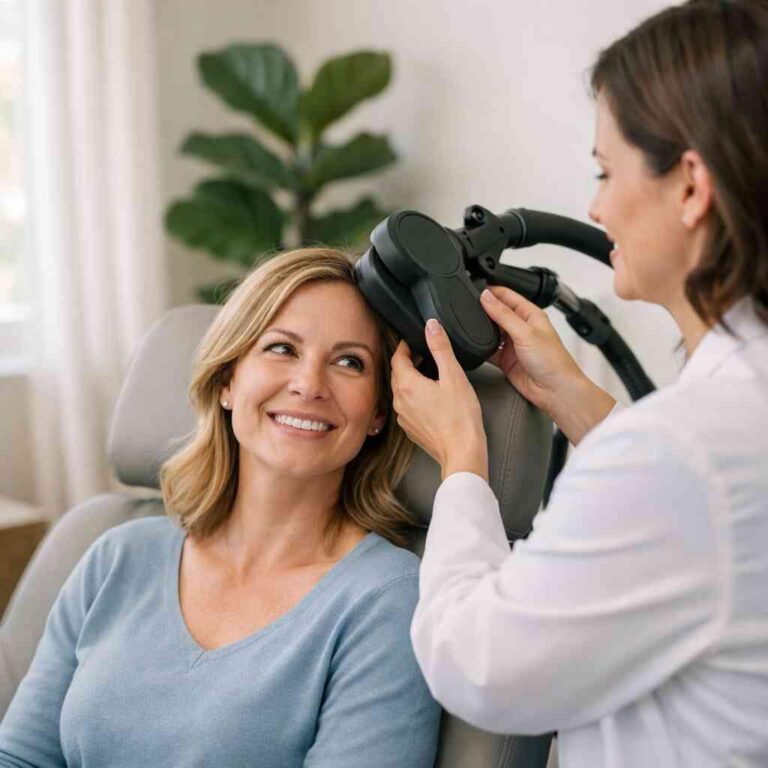
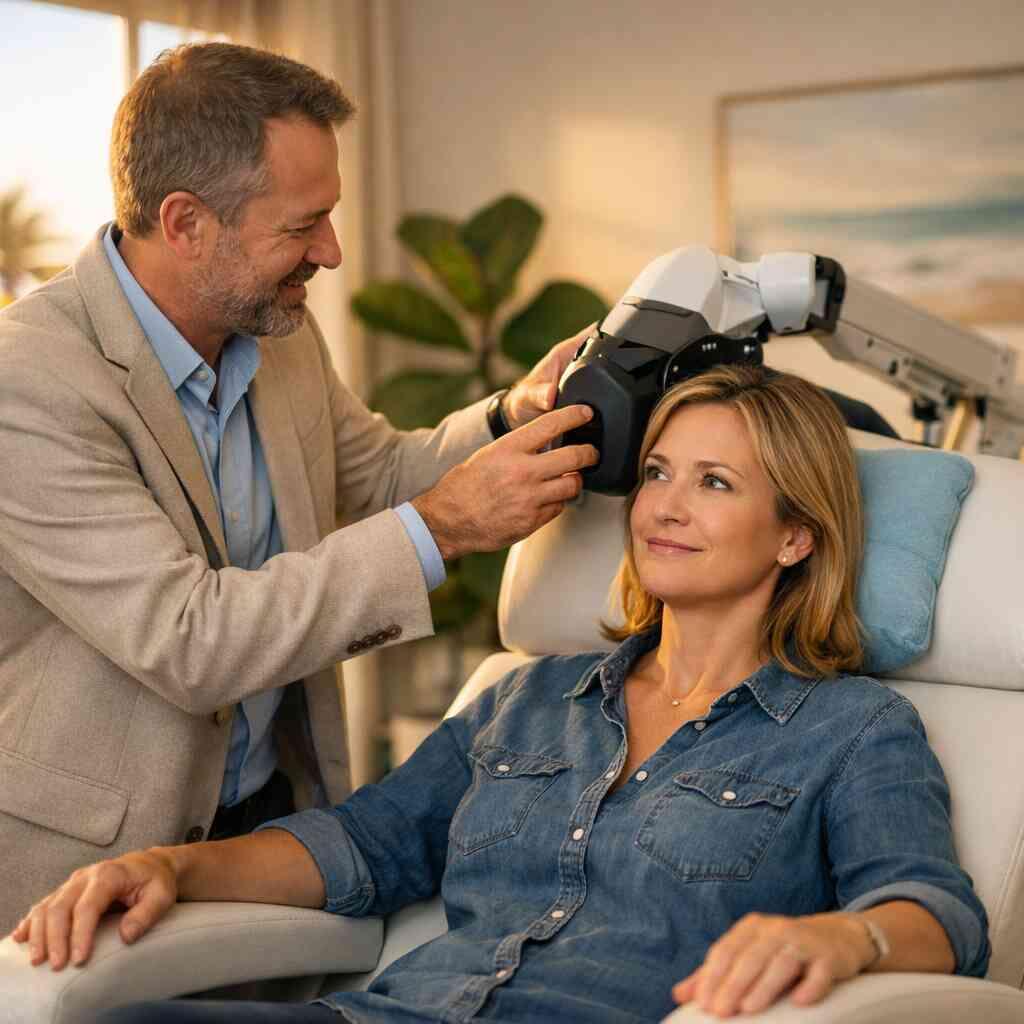
So, how does TMS work? A clinician places a magnetic coil near the scalp. The coil sends brief pulses that stimulate specific brain areas linked to mood, attention, and control. That is why repetitive TMS has become a serious option in psychiatric care, not a fringe idea. It is also why people often look for TMS treatment in Florida for depression after the usual path has stalled.
The science is practical. Depression can quiet the networks that help you start, focus, and feel reward. TMS aims to wake those circuits up. In a large Stanford-led study by Carpenter and colleagues, patients with difficult depression showed meaningful improvement with TMS protocols, which helped shape later clinical practice. That does not mean every person responds the same way, but it explains why clinicians keep taking the therapy seriously.
If you have tried therapy and medication, you may feel skeptical. Good. Skepticism is healthy here. The question is not whether TMS is magical. The real question is whether a focused, measurable intervention might fit your pattern better than another round of medication changes. For readers comparing approaches, transcranial magnetic stimulation therapy can help frame the basic concept, though clinical guidance should always come from a licensed provider.
Why deep TMS therapy reaches a wider brain network than older repetitive TMS methods
Deep TMS therapy uses a different coil design than older surface-focused systems. The goal is broader stimulation of brain networks tied to depression, OCD, and other conditions. That is the main distinction people mean when they compare deep TMS therapy with standard repetitive TMS. It is still non-invasive brain stimulation, but it is built to reach a wider and deeper cortical field.
That matters because symptoms rarely live in one tiny spot. They spread across sleep, motivation, worry, and concentration. A wider network approach can make clinical sense, especially for patients who have not done well on medications alone. TMS Treatment Florida often discusses these differences when people ask about non-invasive brain stimulation and repetitive TMS. The best explanation is usually simple: more targeted than pills, less system-wide than medication.
What Florida patients usually want to know about TMS side effects safety before they call
Most people do not ask about the coil first. They ask, “Will it hurt?” and “Will I feel weird afterward?” That is normal. TMS side effects safety is a real concern, especially if you have already dealt with dry mouth, weight changes, or grogginess from medications. The common effects are usually local and temporary, such as scalp discomfort or a mild headache.
The bigger point is safety screening. A good clinic reviews seizure risk, implants, medication history, and mood history before starting. Florida patients also want to know whether treatment fits their schedule and whether they can drive home afterward. If you want a plain-language review, TMS side effects and safety in Florida is worth reading before your call. That conversation should feel calm, not rushed.
What happens inside a Florida TMS clinic from the chair to the final pulse
Walking into a clinic can feel intimidating. You may be carrying hope in one hand and doubt in the other. That is completely normal. A solid Florida mental health clinic should make the process clear from the first visit, not mysterious. It should also respect your time, your privacy, and the fact that you may already be overwhelmed.
What a first evaluation looks like at a TMS clinic Florida patients can actually get to
A first visit usually starts with history, symptom review, and a look at what you have already tried. The clinician asks about diagnoses, prior medications, therapy, sleep, and safety factors. At a TMS clinic Florida patients can reach easily, this should feel like a careful intake, not an assembly line. If the clinic serves TMS South Florida, TMS clinic Miami, TMS Fort Lauderdale, TMS West Palm Beach, TMS Orlando, or TMS Tampa, it should also consider commute realities and work schedules.
Florida access matters more than many websites admit. Traffic on I-95, summer storms, and long drives from communities like Aventura or Coral Gables can shape whether care continues. That is why location pages and scheduling options matter. For a broader view, TMS clinic locations in Florida and surrounding counties can help you see what is realistic near you. In clinics that do this well, the plan feels steady and practical.
How clinicians map symptoms with PHQ-9 or MADRS before treatment starts
Good TMS programs track symptoms instead of guessing. Many use the PHQ-9 or MADRS before treatment begins and again during care. That gives both you and the clinician a clearer picture of change. It also keeps the process anchored in data, which matters when you are investing time and hope into TMS depression treatment Florida.
The mistake we see most often is starting treatment without a baseline. Then nobody knows what changed, or when. Structured measures help answer the hard question: is the plan helping enough? In evidence-based care, numbers do not replace your story. They sharpen it. That is especially important for TMS therapy success rate discussions, because outcomes should be tracked, not assumed.
What a typical session feels like for someone seeking TMS depression treatment Florida
A session is usually straightforward. You sit in a chair. You stay awake. You may hear clicking sounds and feel tapping on the scalp. The procedure usually does not involve anesthesia or recovery time, which is why many people describe it as easier to fit into daily life than they expected. That is one reason TMS treatment Florida appeals to people who cannot pause work or family responsibilities.
One patient from Broward County came in worried she would feel “zapped” or wiped out afterward. Instead, she said the biggest surprise was how ordinary the room felt. Bright lights. Quiet conversation. A machine hum. Then she drove herself home and made dinner. That kind of experience does not prove outcomes, but it does show why non-drug depression treatment can feel less disruptive than many expect.
Why maintenance therapy and long-term results matter after the first round of care
Some people want one answer and one finish line. Mental health rarely works that way. TMS maintenance therapy can matter when symptoms begin to creep back after an initial course. The point is not to chase treatment forever. The point is to preserve gains and reduce relapse risk when the pattern supports it.
Long-term planning also helps people think realistically about TMS long-term results. Some patients need follow-up sessions. Some do not. What matters is having a plan based on symptom change, function, and the clinician’s judgment. For background on Florida service areas and follow-up access, TMS treatment in Miami-Dade County and nearby county pages can help people see how ongoing care might fit their lives.
How TMS clinic Miami, TMS Fort Lauderdale, TMS West Palm Beach, TMS Orlando, and TMS Tampa visits can fit real schedules
Scheduling is not a side issue. It is the issue for most working adults, parents, and seasonal residents. The best programs build around real life. That can mean early appointments, predictable visit windows, and locations that reduce driving stress. If you are searching TMS near me Florida, you are usually searching for something more specific: consistency.
Florida’s geography creates a strange mix of opportunity and friction. Some patients can reach a clinic in twenty minutes. Others cross county lines or adjust around snowbird travel patterns. That is why access in TMS clinic Miami, TMS Fort Lauderdale, TMS West Palm Beach, TMS Orlando, and TMS Tampa matters so much. If a clinic can adapt to your commute, the treatment is more likely to stay on track. That is practical care, not marketing.
Why deep TMS keeps showing up in conversations about depression, anxiety, OCD, and addiction
People often arrive asking about depression, then mention anxiety, sleep, or compulsive habits halfway through the call. That is common. Brain symptoms travel together. A clinic that understands that connection can discuss TMS for anxiety, TMS OCD therapy, and related uses without overpromising.
Where FDA approved depression treatment fits for people who have tried medications without relief
For depression, TMS has a solid place in modern psychiatry. It is used as an FDA approved depression treatment for appropriate patients, especially those with medication resistant depression. That does not mean it replaces every other treatment. It means it offers another evidence-based option when pills have not done enough.
Clinicians often point to the Clinical TMS Society consensus and major practice guidelines for how to screen and deliver care. Those guidelines emphasize careful diagnosis, symptom tracking, and safety review. In Florida, the clinic should also follow applicable AHCA outpatient standards. If you are comparing options, TMS treatment in Florida for depression is a sensible place to understand the treatment pathway.
When TMS for anxiety, TMS OCD therapy, and TMS for PTSD Florida enter the care plan
Anxiety and OCD can make treatment feel sticky. You may think clearly in one moment and spiral in the next. TMS for anxiety and TMS OCD therapy are growing areas of clinical interest, especially when symptoms overlap with depression. For some patients, TMS for PTSD Florida also enters the conversation, though screening and treatment planning need to stay careful and individualized.
The evidence base is different across diagnoses. That is important. For OCD, certain stimulation targets have stronger support than others. For PTSD, research continues to grow, but clinics should avoid big claims. If you want a focused comparison, TMS therapy for anxiety and OCD in Florida can help clarify where the research is stronger and where it is still emerging.
What the research says about TMS for bipolar depression and why careful screening matters
TMS for bipolar depression can come up when depression stays heavy but the diagnosis is more complex. This is where careful screening matters. A person with bipolar disorder may need a different medication plan, mood stabilization, and tighter monitoring. TMS may still be part of care, but only after a thoughtful review. 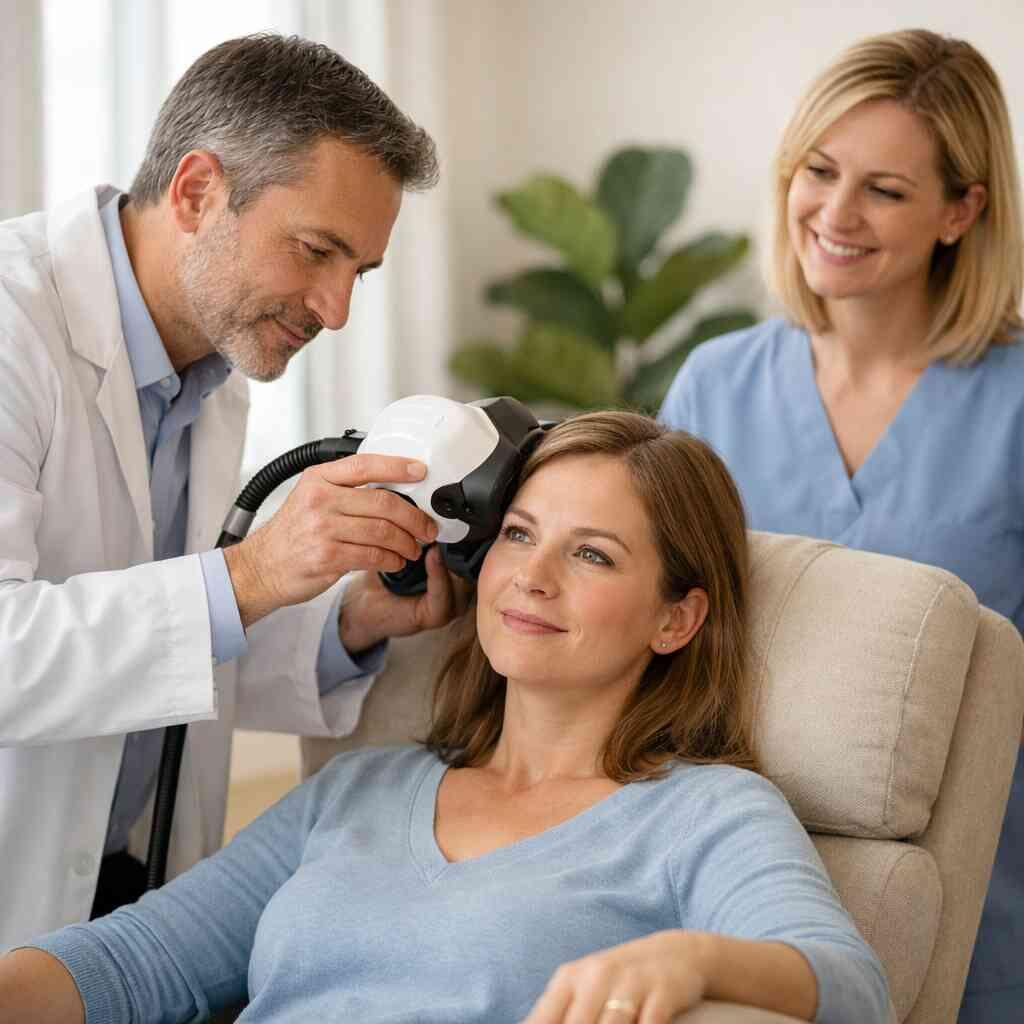
That caution protects you. It also protects the treatment from being oversold. Bipolar depression is not the same as unipolar depression, and a good clinician knows the difference. If you have a history of hypomania, mania, or mixed states, say so early. Precision here matters more than speed.
How TMS addiction recovery and TMS for substance use disorder relate to cravings and dual diagnosis treatment Florida
Addiction care is changing. Research on TMS addiction recovery and TMS for substance use disorder has grown, including work on craving circuits and reward pathways. Studies from centers such as the Medical University of South Carolina have helped fuel interest in rTMS for cravings. Still, the evidence is evolving, and TMS should not be sold as a stand-alone cure.
That is where dual diagnosis treatment Florida becomes important. When depression, trauma, anxiety, and substance use overlap, treating only one piece often fails. TMS may fit alongside therapy, medical care, and recovery supports. SAMHSA guidance for substance use disorders also emphasizes integrated, individualized treatment. For readers focusing on recovery, TMS addiction recovery can be a helpful starting point.
Why TMS for smoking cessation and alcohol addiction brain stimulation are getting more attention in Florida behavioral health
People do ask about nicotine and alcohol. They ask because cravings can feel automatic and humiliating. TMS for smoking cessation and alcohol addiction brain stimulation are receiving more attention in Florida behavioral health circles, especially when standard approaches have not held. That interest is real, but so are the limits.
The safest way to frame it is this: TMS may support craving reduction for some patients, but it should sit inside a broader recovery plan. That plan may include counseling, peer support, medication, and relapse prevention. If your care team also uses EMDR or trauma therapy, the TMS and EMDR combination may be discussed as part of a layered approach. Coordination matters more than buzzwords.
How to decide whether TMS Treatment Florida is the right next move for your life right now
You may be less interested in theory now and more interested in the practical question: can I actually do this? That is fair. The best decision often comes down to coverage, cost, commute, and fit. A luxury TMS center should still feel medically serious while remaining easy to use.
What TMS insurance coverage Florida usually depends on and how to ask does insurance cover TMS in Florida
Insurance questions are often the first wall people hit. TMS insurance coverage Florida usually depends on diagnosis, prior medication history, symptom severity, and plan rules. So when people ask, does insurance cover TMS in Florida, the honest answer is “sometimes, with documentation.” That is not a dodge. It is how behavioral health coverage often works.
Verification should be specific. Ask whether the clinic checks benefits, what records they need, and whether you owe anything before treatment starts. If you are comparing plans, insurance coverage for TMS treatment in South Florida can help you prepare the right questions. A good office will explain deductibles, copays, and authorization without making you chase three departments.
How TMS cost Florida compares with the hidden cost of staying stuck in medication side effects and relapses
People search TMS cost Florida because they need a real number, not a slogan. Exact pricing changes by clinic, plan, and session count, so no honest article should invent it. What matters is comparison. The visible cost of TMS sits next to the hidden cost of staying stuck in side effects, missed work, relapse cycles, and more medication changes.
Think of it this way. A monthly prescription may seem cheaper on paper. But if it leaves you foggy, restless, or only half functional, the math changes fast. If you want a city-specific breakdown, TMS treatment cost in Miami can help you ask smarter questions before you commit.
Why people search TMS near me Florida and what makes a best TMS clinic Florida feel different
Typing TMS near me Florida usually means you are tired of generic care. You want a place that answers the phone, verifies insurance, and treats your symptoms with seriousness. The best TMS clinic Florida is not always the flashiest one. It is the one that explains the plan, documents outcomes, and respects your time.
TMS reviews Florida can help, but they should not be the only factor. Look for clear screening, symptom tracking, and honest discussion of limits. A strong clinic should also explain staff roles without exaggerating credentials. That is especially important when choosing a TMS psychiatrist Florida or a team for long-term care.
How local access matters for patients coming from South Florida including Boca Raton, Delray Beach, Aventura, and Coral Gables
Location shapes adherence. If you live in Boca Raton, Delray Beach, Aventura, or Coral Gables, commute time may determine whether treatment remains manageable. That is why local access matters so much for TMS South Florida. Even a great plan can fail if reaching the clinic feels impossible three days a week.
The people who stayed consistent were usually the ones whose clinic fit their real life, not the fanciest commute. Florida weather adds another layer, especially during afternoon storms and holiday travel. If you want to see reachable sites, TMS treatment in Palm Beach County is useful for nearby planning.
What to ask a TMS psychiatrist Florida about credentials, insurance verification, and the fit of a luxury TMS center
Before you choose a clinic, ask direct questions. Who evaluates you? Who supervises treatment? How do they track progress? What happens if symptoms worsen? If the practice is describing itself as a luxury TMS center, make sure comfort does not outrun competence. The room can be quiet and polished, but the medical process still needs to be careful.
Here are good questions to bring:
- What diagnoses do you treat most often?
- How do you confirm I qualify?
- What tools do you use to measure change?
- How do you handle insurance verification?
- What happens if I need maintenance care?
If you want a clinic overview or team background before calling, about us can help you see how the practice presents its care philosophy. You do not have to sort all of this out tonight. Start with one call, one insurance check, and one honest conversation about whether TMS treatment Florida fits the life you are trying to rebuild.
FAQ
What is deep TMS therapy in Florida?
Deep TMS therapy uses a specialized coil to stimulate broader brain networks than some older systems. In Florida clinics, it is usually discussed for depression and sometimes OCD or other conditions. It is still a form of transcranial magnetic stimulation therapy, so it remains non-invasive and outpatient. The exact fit depends on diagnosis, history, and safety screening.
Does insurance cover TMS in Florida?
Sometimes, yes. Coverage usually depends on diagnosis, prior medication trials, symptom severity, and your specific plan. Clinics often need records to support authorization. That is why insurance verification matters before treatment starts. If you are asking, “does insurance cover TMS in Florida,” the safest answer is to check benefits with the clinic and your insurer together.
What are the common TMS side effects safety concerns?
The most common side effects are scalp discomfort, headache, or temporary fatigue. Serious risks are uncommon, but screening still matters, especially with seizure history or certain implants. A good clinic will review medications, medical history, and safety questions before starting. If you feel unsure, ask for a plain-language safety review before you schedule.
How long does TMS treatment take?
A standard course often involves repeated visits over several weeks, but exact timing varies. Sessions themselves are usually brief, and most people return to normal activities right after. Maintenance therapy may be discussed later if symptoms return. Your clinician should explain the schedule clearly before treatment begins.
Can TMS help with anxiety, OCD, or PTSD?
TMS is best established for depression, but it is also used in some settings for anxiety, OCD, and PTSD support. The evidence differs by condition, and protocols matter a lot. A careful clinic will not promise the same response for every diagnosis. Instead, it should explain where the research is stronger and where it is still developing.
What should I ask a TMS clinic before I start?
Ask about diagnosis screening, symptom tracking, insurance verification, safety checks, and who supervises care. You can also ask how they decide whether you are a good candidate and what happens if progress slows. If the clinic serves Florida communities like Miami, Fort Lauderdale, West Palm Beach, Orlando, or Tampa, ask how they handle scheduling and commute realities. Clear answers are a good sign.