
Why two TMS maps can feel so different when your brain has already been through enough
The quiet difference between deep TMS therapy and repetitive TMS when depression has not improved with medication
If you are reading this after another medication changed nothing, that exhaustion makes sense. Pills can blur your mornings, flatten your appetite, and still leave the low mood intact. That is why many people compare deep TMS therapy and repetitive TMS with a mix of hope and distrust. Both are forms of transcranial magnetic stimulation therapy, but they are not identical in how they feel or how they target the brain.
The difference matters most when you have already tried standard care and still feel stuck. Searches for TMS depression treatment Florida often come from people who are tired of cycling through side effects, dose changes, and long waits for relief. In that setting, the question is not hype. It is fit. For a clear overview, many patients start with our TMS Treatments for Depression resource.
What Florida patients usually mean when they search for TMS treatment Florida or TMS near me Florida
Most people searching TMS treatment Florida or TMS near me Florida are not looking for a science lecture. They want to know if this is real, local, and covered enough to matter. They may also want a clinic that understands Florida life, from seasonal travel to traffic between counties. That is especially true if you are balancing work in Miami, family in Broward, or appointments from Boca Raton to Delray Beach.
We hear this from clients almost every week. They want something that non-invasive brain stimulation can offer without a hospital feel. They want a path that feels steadier than another prescription swap. If you are comparing nearby options, our Area We Serve for TMS Treatment and Therapy page can help you think through access and commute time.
Why the question is not which machine sounds newer but which pattern fits the symptom pattern better
People sometimes assume the deeper-sounding option must be stronger. That is not the best way to think about it. Deep TMS vs rTMS is really a question of coil design, stimulation field, and symptom target. One is not automatically better.
Here is the part most people miss: a treatment can be excellent and still not be the right match for your symptoms. If your main issue is depression with obsessive loops, the evaluation may look different than if anxiety is the loudest piece. That is why thoughtful clinics rely on history, rating scales, and careful follow-up, not guesswork. For OCD-specific care, see our TMS Treatments for Obsessive-Compulsive Disorder (OCD) page.
How location matters when you are comparing a TMS clinic Miami option to TMS Orlando or TMS Tampa
Location matters more than people admit at first. If you need frequent sessions, a long drive can become the thing that breaks consistency. That is true whether you are considering a TMS clinic Miami office, TMS Orlando, or TMS Tampa. Florida weather, bridge traffic, and summer storms can turn “close enough” into a real burden.
One client in the West Palm Beach area told us the commute felt harder than the treatment itself. The drive across county lines meant missed work and too much traffic stress. Once she chose a site closer to her routine, attendance became manageable. That kind of practical fit can matter just as much as the device. For county-based access, our TMS Treatment in Miami-Dade County page is one place to start.
What changes inside the room when the coil goes deeper or stays more focused
How does TMS work in plain language and why magnetic brain therapy does not feel like medication
How does TMS work? In simple terms, a coil delivers brief magnetic pulses to specific brain areas linked to mood and behavior. Those pulses create small electrical changes in the brain tissue. They do not circulate through your whole body the way medication does. That is why many people describe it as magnetic brain therapy rather than a drug treatment.
The session itself feels more mechanical than medical. You sit in a chair. You hear a tapping sound. You may feel a light knocking at the scalp. The idea is to stimulate networks involved in depression, anxiety, or compulsive thinking without changing your liver metabolism, weight, or sexual function the way some medications can. If you want the deeper technical explanation, our What Is Deep TMS Therapy and How Does It Work in 2026 guide is a good next read.
What deep TMS therapy aims to reach compared with standard rTMS for depression and TMS OCD therapy
Deep TMS therapy uses a different coil shape to reach broader and somewhat deeper cortical networks. Standard repetitive TMS tends to focus more narrowly. That difference can matter when symptoms feel spread across mood, attention, and compulsive looping. In practice, one may be more targeted, while the other may be chosen for broader network engagement.
For depression, both approaches sit inside the larger category of FDA-approved depression treatment options, though devices and protocols differ. Clinical discussions often reference studies like the 2018 Stanford work by Carpenter and colleagues, which helped strengthen the evidence base for depression care. For OCD, many clinics think carefully about whether the symptom pattern fits a deeper or more focal stimulation plan. The right fit depends on your history, not just the label on the machine.
Why non-invasive brain stimulation can feel like a better fit for medication resistant depression and TMS after failed medications
If you have medication resistant depression, another pill can feel like another gamble. That is where non-invasive brain stimulation gets attention. It offers a different mechanism. It also avoids the daily systemic load that can make people feel dulled, nauseated, or emotionally muted.
On the cases and evaluations we see, people who search TMS after failed medications usually want two things: fewer side effects and a clearer path forward. That is reasonable. It is also why clinics track symptoms with tools like the PHQ-9 or MADRS instead of relying on a gut feeling alone. Research summaries from groups like the Clinical TMS Society and APA practice guidance can help frame expectations without promising a miracle. For a practical overview of safety, see our TMS Treatment Florida Guide to Side Effects and Safety page.
What a session usually feels like from the chair to the tapping sound to the after-visit grogginess people worry about
Most sessions feel manageable, but they are still physical. You sit upright. The staff positions the coil. Then the pulse pattern begins. Some people worry about grogginess afterward, especially if they are used to sedating medications. In many cases, people return to normal activities the same day, though fatigue can happen.
That is one reason TMS side effects safety matters so much in real life. The most common effects are usually local, like scalp discomfort or a headache. Still, your experience can vary. If you are already drained from poor sleep, cravings, or antidepressant changes, the idea of one more treatment can feel like a lot. A good clinic will explain the sensation before you ever sit down.
When deep TMS makes more sense and when rTMS may be the cleaner fit
Why deep TMS for depression is often discussed alongside TMS for anxiety, PTSD, and bipolar depression
Deep TMS for depression often enters the conversation when the symptom picture is broad. People may also ask about TMS for anxiety, TMS for PTSD Florida, or TMS for bipolar depression. That makes sense, because mood disorders rarely stay in neat boxes. The same person may feel numb, keyed up, and unable to shut off thoughts.
Florida patients sometimes ask if one protocol can cover everything. Usually, the answer is more careful than that. A clinic may use one primary target while considering co-occurring symptoms. For trauma-related care, many centers also think about combining TMS with psychotherapy, especially when the nervous system seems stuck in alarm mode. If bipolar depression is part of your history, discuss it directly with a clinician through our TMS Treatments for Bipolar Disorder page.
Where rTMS may stay the better match for more targeted treatment goals and careful dose planning
rTMS for depression can be the cleaner fit when the target is specific and the plan needs tight control. Some clinics prefer a more focused protocol when symptoms and medication history point that way. Others choose it because the patient values precision over broader stimulation. Neither choice is casual.
The point is not to chase the most dramatic-sounding device. It is to match the treatment to the symptom map. That may mean focusing on left dorsolateral prefrontal targets for depression or adjusting parameters based on response and tolerance. The transcranial magnetic stimulation research base keeps growing, but judgment still matters. Good care uses evidence and individualization together.
How TMS for teen depression and TMS for young adults changes the conversation about tolerability and attention span
TMS for teen depression and TMS for young adults need extra care. Schedules are tighter. Family logistics matter. Attention span can be shorter, especially if school, work, or sleep problems are already draining energy. That changes how you talk about consistency and comfort.
A shorter, steadier plan may work better than something that feels burdensome. Teen and young adult patients often care deeply about side effects, stigma, and whether treatment will slow them down. Those concerns are real. They deserve plain answers, not cheerleading. If anxiety rides along with depression, our TMS Treatment for Anxiety Disorders page may help you think through the overlap.
What clinicians look at during evaluation with PHQ-9 or MADRS instead of guessing by mood alone
Good clinicians do not guess from a single conversation. They often use the PHQ-9 or MADRS to measure baseline symptoms and response over time. Those tools help track change in a way memory cannot. They also make it easier to discuss whether the treatment is doing enough.
Here is the honest part: feeling “a little better” is not the same as reaching a stable change. Tracking helps separate a hopeful day from a real trend. In Florida outpatient settings, especially under AHCA standards, documentation matters. It protects care quality and keeps the treatment plan grounded in evidence, not vibes.
What Florida patients should ask before they compare cost coverage and clinic quality
How TMS insurance coverage Florida works when plans ask for documentation and prior treatment history
TMS insurance coverage Florida usually depends on records, diagnosis, and prior treatment history. Insurers often want proof that medications or therapy were tried first. They may also ask for symptom scores, chart notes, and a psychiatrist’s recommendation. That paperwork can feel annoying, but it is normal.
If you are asking whether insurance covers TMS in Florida, the short answer is sometimes yes, but only with medical-necessity documentation. Plans differ. So do prior authorization rules. The cleanest way to reduce stress is to have a clinic that knows how to submit records clearly. Our TMS Therapy in Florida 2026 Guide to Insurance Coverage guide can help you prepare questions before you call.
Why insurance coverage for TMS in Florida can depend on diagnosis coding and medical necessity rather than a simple yes or no
The question of why insurance covers TMS in Florida rarely has a simple answer. Coverage often depends on the diagnosis code, the severity score, and whether previous treatments were documented well. If bipolar depression, OCD, or another condition is in the picture, the coding rules can change. That is why exact charting matters.
One mistake we see often is people assuming a verbal approval means final approval. It does not. Florida plans can still request more records. They can still review medical necessity. If you want a local overview of planning and payment details, our Guide to TMS Cost Florida and Payment Options in South Florida resource is a helpful place to compare questions.
What to ask about TMS cost Florida without getting lost in vague estimates or pressure
People often feel embarrassed to ask about money. Please do not. TMS cost Florida should be discussed plainly. Ask what is included, what the authorization process requires, and whether follow-up visits are part of the estimate. Avoid anyone who pressures you with vague urgency. 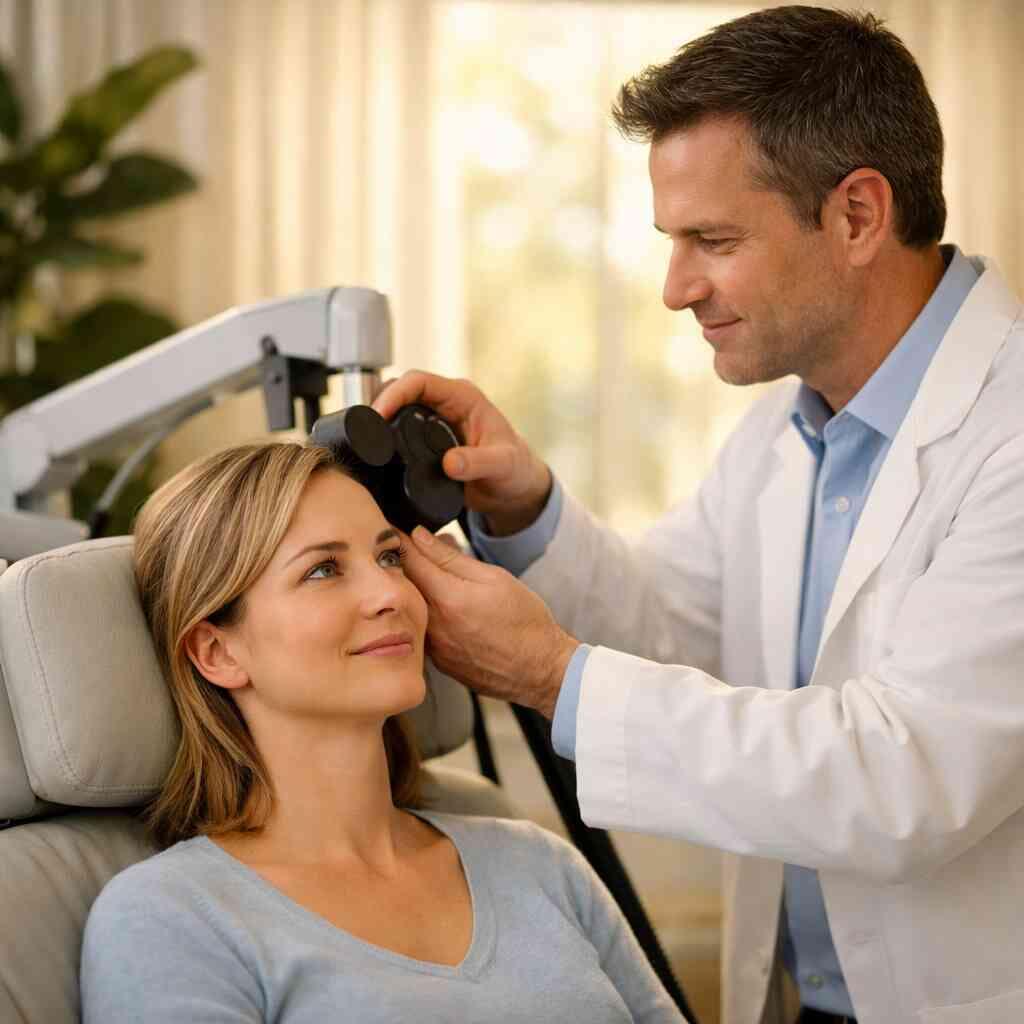
You may also want to ask about transportation, missed work, and whether multiple counties are supported. That matters in South Florida, where traffic can turn a short drive into a long one. A clear clinic will talk about practical access, not just treatment buzzwords. If you want to compare options in your area, check our TMS Treatment in Broward County page.
How to compare a luxury TMS center promise with a Florida mental health clinic that can actually document care well
A luxury TMS center can sound comforting. Soft chairs help. Quiet rooms help. But comfort is not the same as clinical rigor. What matters most is whether the clinic documents care, tracks symptoms, and follows through on coordination with your other providers.
A strong Florida mental health clinic can explain the treatment plan, insurance steps, and safety checks without hiding behind polished marketing. That is the real test. If a site boasts about being the best TMS clinic Florida but cannot explain evaluation and monitoring, keep looking. The best fit often feels calm, not flashy.
Why TMS psychiatrist Florida credentials and clinic oversight matter more than flashy marketing
A qualified TMS psychiatrist Florida should know diagnosis, dosing logic, medication history, and safety screening. Clinic oversight also matters because TMS is not just a machine. It is a clinical program. That includes consent, follow-up, and response tracking.
Here is a simple checklist you can use:
- Ask who reviews the treatment plan.
- Ask how symptom progress is measured.
- Ask how side effects are handled.
- Ask whether records are shared with your therapist or prescriber.
- Ask what happens if the first protocol is not enough.
If you want more about team transparency, our About TMS Treatment Florida page is a good place to learn how a clinic presents its care model.
What happens after the last session and how to decide your next move in Florida
What TMS maintenance therapy and TMS long-term results usually mean in real life for people trying to stay steady
TMS maintenance therapy usually means occasional follow-up sessions after a successful course. It is not the same for everyone. Some people need a short tune-up. Others need a longer plan. The goal is to help keep gains from slipping away when stress rises or sleep gets worse.
TMS long-term results can vary, and honest clinics should say so. No responsible provider should promise a fixed outcome. What they can say is that symptom tracking continues to matter after the active series ends. If you want a grounded view of follow-up planning, our Frequently asked questions about TMS page can answer common questions in plain language.
How TMS side effects safety is typically discussed when the goal is fewer systemic effects than daily medication
People often turn to TMS because they want fewer whole-body effects. That is where TMS side effects safety comes in. The most common concerns are scalp discomfort, headache, and brief fatigue. Seizure risk is rare, but it is still screened for carefully.
Because TMS does not travel through your bloodstream, it may feel gentler than daily medication for some people. That does not make it trivial. It means the risk profile is different. For many readers, that difference is the whole reason they started searching for alternative depression treatment or non-drug depression treatment in the first place.
Where TMS for substance use disorder and TMS addiction recovery fit beside dual diagnosis treatment Florida and addiction rehab Florida
TMS addiction recovery is still an evolving area. So is TMS for substance use disorder. Research on cravings and neuromodulation keeps growing, including work from centers such as the Medical University of South Carolina. Some clinics also discuss alcohol addiction brain stimulation or TMS for smoking cessation, especially when cravings feel relentless.
These approaches often sit beside, not instead of, dual diagnosis treatment Florida and addiction rehab Florida. That matters. If depression, trauma, and substance use are all in the room, treatment usually works best when the pieces are coordinated. For more context, our Top 7 Questions About TMS for Substance Use Disorder Florida page may help frame the conversation.
Why TMS and EMDR combination may come up when trauma and cravings sit in the same body
Sometimes trauma and cravings feel welded together. That is when TMS and EMDR combination may come up in discussion. TMS can address brain networks involved in mood and regulation. EMDR can help process trauma memories and body responses. Together, they may support a broader plan.
The key is coordination. TMS does not replace therapy, and therapy does not replace neuromodulation. They can complement each other when a team communicates well. If trauma is a big part of your picture, ask how the clinic aligns treatment with your therapist and prescriber.
How to choose between TMS Fort Lauderdale, TMS West Palm Beach, TMS South Florida, and TMS clinic Miami based on access, schedule, and support
Choosing between TMS Fort Lauderdale, TMS West Palm Beach, TMS South Florida, and a TMS clinic Miami office often comes down to access and consistency. If you live near Aventura, Coral Gables, or Boca Raton, your best clinic may be the one you can reach without dread. If you commute from Winter Park or the Tampa area, timing and session frequency matter even more.
Think about who answers the phone, how quickly records move, and whether the clinic understands your schedule. That may sound small. It is not. For many people, the right clinic is the one that makes follow-through possible. If you are ready to compare options, pick one nearby location, ask about insurance, and schedule a consultation call today. You do not have to sort it all out at once, and you do not have to do it by yourself.
Frequently Asked Questions
What is the main difference between deep TMS and rTMS?
Deep TMS uses a coil designed to reach broader and somewhat deeper brain networks. rTMS usually uses a more focused coil. Both are forms of transcranial magnetic stimulation therapy, but the targeting pattern differs. A clinician chooses based on symptoms, diagnosis, and treatment goals.
Does insurance cover TMS in Florida?
Often, yes, but it depends on the plan and the documentation. Insurers commonly want proof of prior treatments, symptom severity scores, and medical necessity. Florida coverage can also depend on diagnosis coding. Always verify benefits before starting.
Is TMS safe if I already tried several antidepressants?
TMS is often considered for medication resistant depression and TMS after failed medications. Most people ask about scalp discomfort, headache, and fatigue. Serious risks are uncommon, but screening still matters. A qualified clinic should review your history carefully before recommending treatment.
Can TMS help with anxiety, OCD, or PTSD too?
TMS is most established for depression, but many clinics also discuss TMS for anxiety, TMS OCD therapy, and TMS for PTSD Florida. The evidence and protocols differ by condition. Your symptom pattern and diagnosis determine whether it is a good fit.
How long does a TMS course usually take?
A typical course involves repeated visits over several weeks, though plans vary by protocol and clinic. Some people also need TMS maintenance therapy later. The exact schedule depends on response, tolerance, and the treatment goal.
What should I ask a Florida clinic before booking?
Ask about the clinician overseeing care, insurance verification, symptom tracking, and side-effect management. Also ask how they handle follow-up if the first protocol needs adjustment. Good clinics answer clearly and do not rush you.