The best way to prepare for your first TMS treatment session is to arrive with a complete medication list, comfortable clothing, a little extra time, and honest questions for your TMS psychiatrist. If you are nervous, that makes sense; most people are. The room is usually calmer than the fear in your head.
Key Takeaways
- Bring your full medication list and any recent psychiatric records, especially if you have tried several antidepressants without enough relief.
- Ask direct questions about what type of transcranial magnetic stimulation therapy you are receiving, what it treats, and what side effects and safety look like for you.
- Plan for comfort and timing by eating normally unless told otherwise, limiting caffeine if it makes you jittery, and wearing clothes that let you settle in easily.
- Expect a simple, non-invasive visit rather than a procedure-heavy experience; most first sessions focus on mapping, education, and making you feel safe.
- Track how you feel after session one without forcing a verdict too early, because early progress in TMS depression treatment Florida is often gradual.
What catches people off guard before their first TMS session
The biggest surprise is usually how ordinary the appointment feels. First TMS treatment session preparation is mostly about lowering friction: bring the right paperwork, arrive on time, and let the team explain each step. People often expect something intense. Instead, the first visit is usually calm, structured, and more conversational than dramatic.
Why the machine room feels calmer than the fear in your head
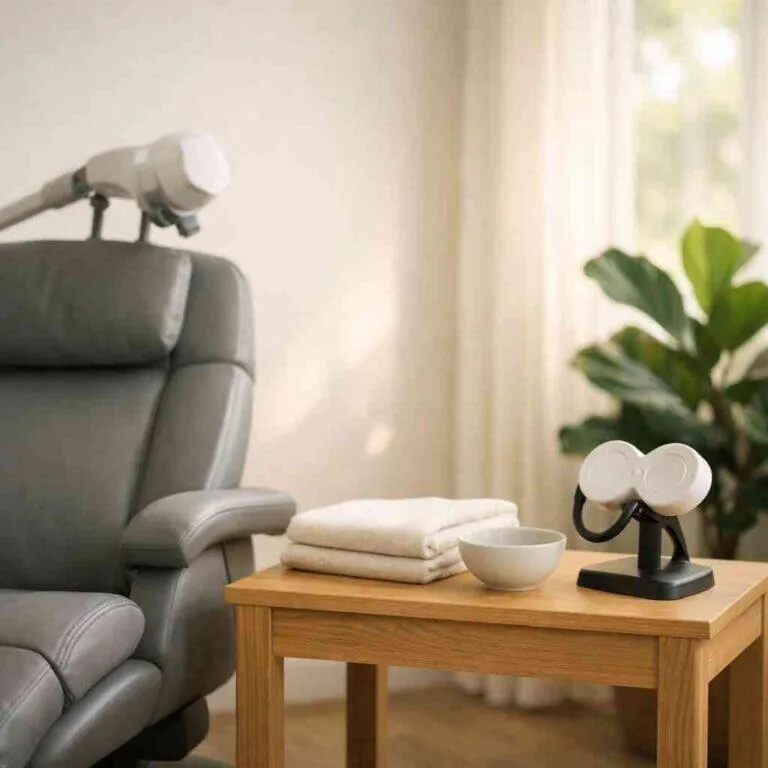
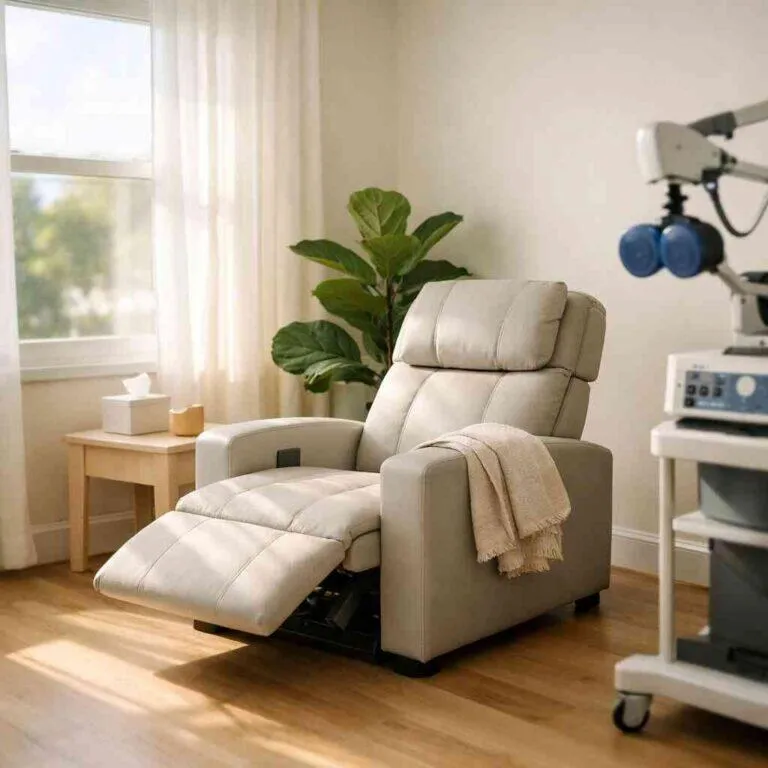
The room itself is rarely the problem. The hum of the equipment, the chair, and the short pauses between steps often feel less intimidating than the thoughts that build up beforehand. With repetitive TMS or deep TMS therapy, you stay awake, and the team can adjust things as needed while you sit comfortably.
One client described it as “waiting for something loud that never happened.” That is common. The fear usually peaks before you sit down, then drops once the staff explains the plan and checks your comfort. If you are looking at transcranial magnetic stimulation therapy after failed medications, that steady pacing matters. It gives your nervous system time to catch up with the idea that this is non-invasive brain stimulation, not a major medical ordeal.
If you want a plain-language overview before you go, the clinic’s preparation guide can help you picture the appointment. For people comparing options across the state, a Florida TMS overview can also clarify what makes this treatment different from medication changes alone.
What Florida patients should know about heat, traffic, and timing before a TMS visit
Florida logistics matter more than people expect. Traffic around Miami, Fort Lauderdale, West Palm Beach, Orlando, and Tampa can turn a short drive into a stressful one, especially if you are already fatigued or dealing with anxious depression. Leave early and build in a buffer for parking, check-in, and a quiet few minutes before treatment.
Heat is another small but real factor. If you arrive overheated, dehydrated, or rushed from a parking lot, your first session can feel harder than it should. Bring water, cool down before check-in, and keep the rest of your day light. If you are searching for a TMS clinic Miami or a Palm Beach County location, that planning pays off quickly.
For people in South Florida, the practical goal is simple: make the trip boring. The less your body has to manage, the easier it is to notice how you actually feel during treatment. That is especially helpful if you are seeking TMS treatment Florida care for depression, anxiety, OCD, or bipolar depression and want the day to feel manageable, not theatrical.
The paper trail that makes your TMS consultation feel less heavy
Your consultation goes more smoothly when you bring a complete picture of your mental health history. The team is looking for patterns: which medications helped, which caused side effects, how long you tried them, and whether symptoms point toward medication resistant depression, TMS for anxiety, TMS OCD therapy, or another route. The paperwork is not there to judge you. It is there to reduce guesswork.
What to bring when your chart already tells a long story of medication resistance
Bring anything that helps the clinician see the full arc of your care. That usually includes:
- A current medication list with doses
- Past antidepressants, mood stabilizers, or sleep medications
- Notes on side effects, even small ones
- Any recent discharge summaries or therapy notes
- Insurance cards and referral paperwork, if required
If you have tried treatment after treatment, say so plainly. That is not failure. It is useful clinical information. A strong TMS psychiatrist will want to know whether you are considering TMS depression treatment Florida after failed medications, or whether you are looking at options for TMS for bipolar depression, TMS for PTSD Florida, or TMS for teen depression and young adults in the family.
For people who want to understand the clinical side before booking, how TMS helps medication-resistant depression explains the basics well. If your questions are mostly about coverage, insurance and cost details may help you prepare for the financial part of the conversation.
Which questions to ask your TMS psychiatrist about depression anxiety OCD or bipolar depression
Ask the direct questions you wish every provider would answer up front. Good consultations feel clearer, not more confusing. Use this short list:
- Which type of treatment am I getting? Ask whether the plan uses repetitive TMS or deep TMS therapy.
- What symptom pattern are you targeting? Depression, anxious depression, OCD, and bipolar depression can need different mapping.
- How do you monitor progress? Many clinics use tools like the PHQ-9 or MADRS to track change over time.
- What side effects should I expect? Ask about TMS side effects safety, headache risk, scalp discomfort, and what would count as unusual.
- How does insurance usually handle this? If you are wondering, “does insurance cover TMS in Florida,” ask early.
- What happens if I miss a session? Scheduling matters more than people think.
If you want a broader look at depression treatment paths, the clinic’s depression treatment page is a good companion read. People comparing clinics in the region may also find the Miami options page useful for sorting location and access.
For added context, reputable public resources like the National Institute of Mental Health and the Anxiety & Depression Association of America can help you understand the conditions TMS may be used for, though your own clinician should guide the treatment decision.
What your body and schedule need on treatment day
Your body does best when you do not overmanage it. Eat normally unless your clinic tells you otherwise, keep caffeine modest if it makes you jittery, and take medications exactly as prescribed unless your provider instructs you to change something. The goal is steadiness. Comfortable clothes and an open schedule usually matter more than special preparation.
How to handle food caffeine and medications before repetitive TMS or deep TMS therapy
Most people do not need to fast before a session. A light meal often helps, especially if you feel faint when hungry or take morning medications. Caffeine is more individual. One cup may be fine; three can make you tense, and tension can make the session feel longer than it is. Medication questions should always go to your prescribing clinician or TMS team, especially if you take stimulants, benzodiazepines, anticonvulsants, or mood stabilizers. For people with bipolar disorder, that conversation is especially important. The best clinics use clear screening so the care plan fits your history, not just your diagnosis label. If you are exploring TMS for bipolar disorder or TMS for anxiety disorders, that review should feel detailed and calm. There is also a reason TMS has gotten so much attention as an alternative depression treatment. Clinical research, including the Stanford-led work by Carpenter and colleagues, supports TMS as a serious option for people who have not responded well to standard care. The Clinical TMS Society and the APA practice resources are useful places to verify how clinicians think about patient selection and follow-up. For a more detailed comparison, the difference between rTMS and deep TMS therapy can help you understand the options. 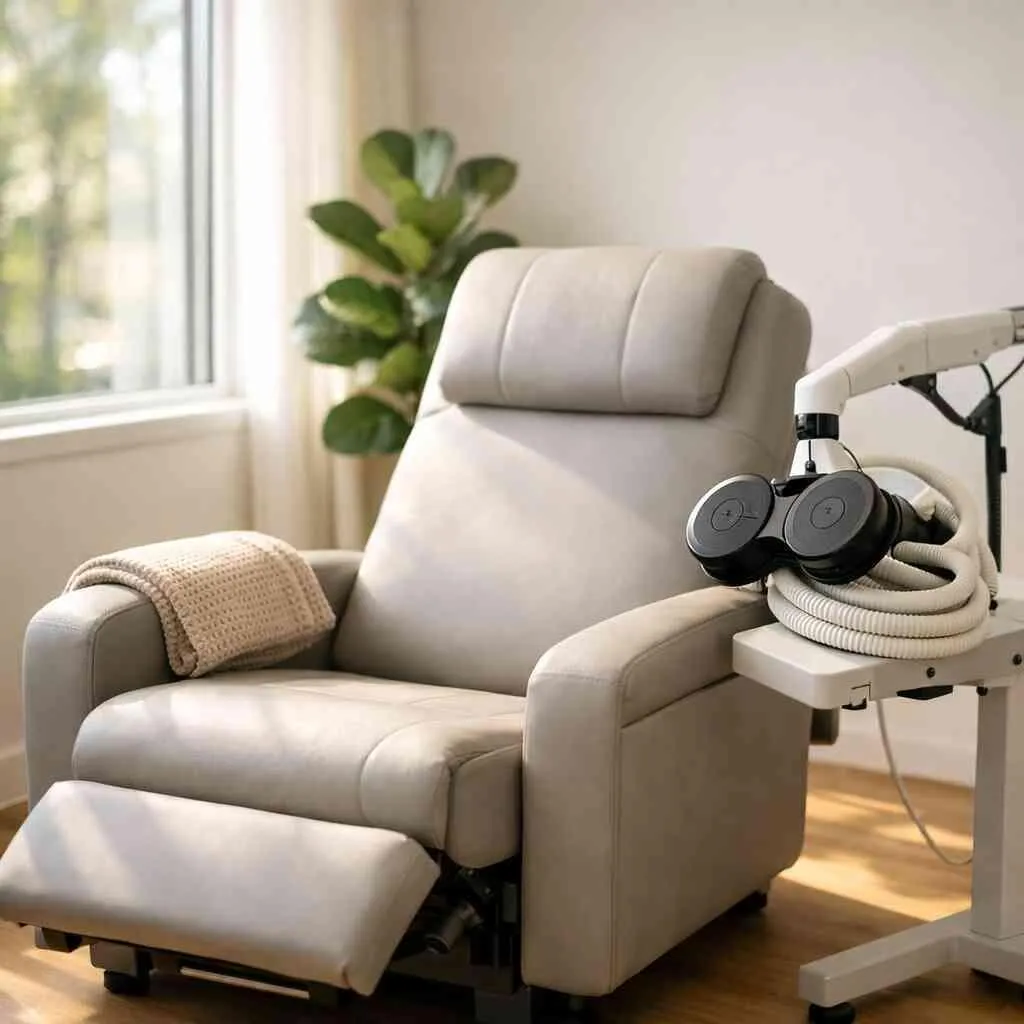
Why comfortable clothes quiet plans and a clear calendar matter more than you think
Wear clothes that let you sit still without fuss. Avoid heavy jewelry, strong hair products, and anything that makes you feel overheated. A plain T-shirt, loose layers, and shoes you can slip on and off are usually enough. You do not need to dress for a procedure. You need to dress for a calm hour.
Keep the rest of the day light if you can. The first appointment may include screening, mapping, and education, and even a routine visit can feel mentally full if you squeeze it between errands. One patient from the Boca Raton area told us the hardest part was not the treatment itself but the “rushed, noisy half hour before it.” Once she started leaving work early enough to sit quietly in the car for ten minutes, the visits felt much easier.
That is the part most online guides miss. Preparation is not just paperwork. It is also emotional pacing. If you are seeking TMS treatment Florida support, especially from a Florida mental health clinic serving Aventura, Coral Gables, Delray Beach, Winter Park, and nearby communities, give yourself room to arrive human, not hurried.
Where the real momentum starts after session one
After the first session, do not force a verdict. Some people feel nothing unusual. Some notice a mild headache or scalp sensitivity. A few feel relieved simply because the process was less frightening than expected. Track sleep, energy, motivation, irritability, and focus over time, then share those notes with your provider instead of trying to judge everything after one visit.
If you need help understanding coverage, scheduling, or whether this kind of care fits your history, TMS Treatment Florida can help you sort through options without pressure. Their team can also point you toward local care across South Florida and beyond, including people searching for TMS near me Florida, TMS clinic Florida, or the best TMS clinic Florida for medication-resistant depression. For confidential help, call +18886883036.
If you are dealing with cravings or dual diagnosis treatment Florida questions, it can also help to pair treatment planning with reliable public guidance from the SAMHSA National Helpline and the National Institute on Drug Abuse. Those sources are especially useful when you are comparing TMS addiction recovery, TMS for substance use disorder, or alcohol addiction brain stimulation research with broader addiction rehab Florida options.
Frequently Asked Questions
What should I do the night before my first TMS session?
Keep the evening simple. Eat normally, hydrate, and avoid extra alcohol or recreational substances. Set out comfortable clothes, your insurance card, and your medication list so the morning feels less rushed. If you tend to get anxious, write down your top three questions for the team. That small step often makes the visit feel more predictable.
Can I drive myself after TMS?
Most people can drive themselves after a session, but you should confirm this with your clinic and your own doctor. TMS is non-invasive, and it usually does not require sedation. Still, if you feel unusually tired, lightheaded, or distracted after the first visit, it is wise to arrange backup transportation until you know how your body responds.
Should I eat before my TMS appointment?
Usually, yes. A light meal or snack is often a good idea, especially if you take morning medication or get shaky when hungry. Avoid arriving on an empty stomach unless your clinic has given specific instructions. If caffeine affects your anxiety, keep it moderate so you are more comfortable during treatment.
How long does the first TMS session take?
The first session often takes longer than later visits because the team needs time for orientation and mapping. That can include reviewing your history, setting treatment parameters, and answering questions. Later appointments are often shorter and more routine. Your clinic should tell you what timing to expect for your specific protocol.
Is TMS safe for people with anxiety or OCD?
TMS can be used for anxiety-related symptoms and OCD in some cases, but treatment planning should be individualized. Your clinician will review your diagnosis, medications, and any history that matters for safety. If anxiety makes medical visits hard, say so. A good team will slow down, explain each step, and reduce avoidable stress.
How do I know if TMS is covered by insurance in Florida?
Coverage depends on your plan, diagnosis, prior treatment history, and medical documentation. Many insurers want evidence of medication resistant depression or other qualifying conditions before they approve care. The best way to find out is to have the clinic verify benefits directly and explain any out-of-pocket costs before you start.