When OCD keeps replaying the same thought, even after every medication change
That loop in your head can feel brutal. One thought lands, then another, and suddenly your whole day shrinks around it. If you are reading this after yet another medication change, that exhaustion is real. Many people reach a point where they want a different answer, not another guess.
Why intrusive thoughts can feel louder than logic and make daily life shrink
Intrusive thoughts do not care that you know they are irrational. They arrive fast, stick hard, and push you toward rituals that promise relief. For many people, the fear is not the thought itself, but the need to neutralize it. That is why OCD can make ordinary tasks feel loaded, slow, and strangely unsafe.
We hear this from people in Florida all the time. A person in Coral Gables may check the stove ten times before leaving. Someone in Winter Park may reread messages until their evening disappears. The logic is still there, but the nervous system is running the show. That mismatch is often what makes OCD feel so defeating.
What treatment-resistant OCD often looks like after SSRIs and therapy stop moving the needle
Treatment-resistant OCD usually means the usual tools have not brought enough relief. You may have tried SSRIs, ERP, or talk therapy and still felt trapped in the same loops. Sometimes the dose helped a little, then flattened out. Sometimes side effects made the tradeoff feel worse than the symptoms.
This stage is not failure. It is information. It tells you the brain may need a different kind of support, especially if you also live with TMS treatment for OCD recovery in Florida. One client from Aventura described it as “doing everything right and still hearing the same alarm.” That is exactly the point where many people start asking about other options.
Where TMS OCD therapy fits when the usual plan has already been tried
TMS OCD therapy fits as a non-invasive brain stimulation option when symptoms stay stuck despite standard care. It does not replace ERP or psychiatric follow-up. Instead, it can sit alongside a broader plan, especially when obsessive thinking keeps overpowering the skills you already know. For some people, that makes it feel less like starting over and more like changing the lever.
Transcranial magnetic stimulation therapy is often considered after failed medications, especially when the goal is non-drug depression treatment or a new path for OCD care. It may also matter if you have medication-resistant depression alongside OCD, because those conditions often feed each other. That overlap is one reason local searches for TMS treatment Florida keep growing. People want a practical option that does not add more fog.
What actually happens inside transcranial magnetic stimulation therapy for OCD
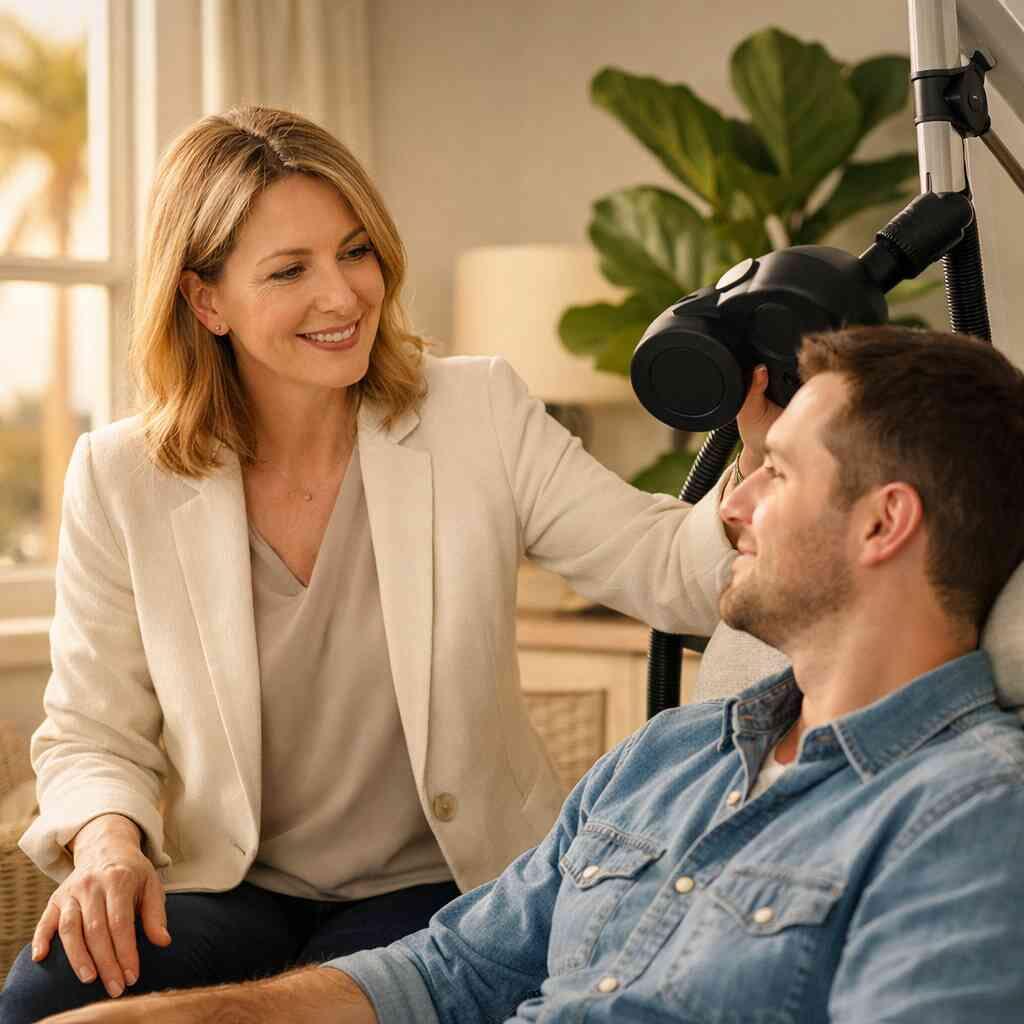
A lot of people picture TMS as dramatic. It is usually quieter than that. The machine hums. The chair reclines. The magnetic pulses feel strange at first, but most people adjust. The process is clinical, structured, and far less overwhelming than many expect.
How repetitive TMS and deep TMS therapy aim at the circuits that fuel compulsive loops
Repetitive TMS sends focused magnetic pulses to specific brain networks. Deep TMS therapy reaches slightly broader or deeper targets, depending on the device and protocol. In OCD care, the goal is to influence circuits involved in habit, threat detection, and overcontrol. That is why people sometimes call it magnetic brain therapy, though the scientific term matters more than the nickname.
Here is the part most people miss. TMS does not “erase” OCD. It aims to help the brain respond differently, so the loop loses some of its grip. Research on transcranial magnetic stimulation research and neurostimulation continues to refine that approach. The 2018 Stanford work by Carpenter and colleagues helped strengthen interest in these protocols for difficult-to-treat symptoms, especially when paired with careful clinical monitoring.
What a session feels like from the chair to the clicking sound to the time it takes
A session usually starts with positioning and mapping. The staff places the coil, checks comfort, and adjusts the intensity based on your response. Then the clicking begins. It is repetitive and mechanical, almost like a tapping sound inside a quiet office. Some people describe it as odd but manageable after the first few visits.
A typical appointment often fits into a regular workday, which matters more than people think. You are not sedated. You can drive afterward in most cases. That is one reason people exploring TMS depression treatment Florida or TMS for anxiety often compare it favorably with more disruptive options. If you have ever sat in a waiting room feeling wired from medication changes, the predictability can feel like a relief.
Why non-invasive brain stimulation is different from meds, talk therapy, and exposure work
TMS works differently from medication because it acts from the outside in. It also differs from talk therapy, which works through reflection, learning, and behavior change. And it differs from ERP, which asks you to face triggers and resist rituals. Those approaches can work together, but they are not the same tool.
That distinction matters when you are comparing alternative depression treatment and OCD treatment without medication. TMS does not ask you to “try harder.” It gives the brain repeated input in a controlled setting. In many clinics, including those that follow current psychiatric guidance, outcomes are tracked with tools like the PHQ-9 or MADRS for mood symptoms, while OCD severity may be tracked separately. TMS therapy success rate varies by condition and person, so any clinic promising certainty should raise a flag.
The Florida care path that makes TMS feel less overwhelming
Getting care should not feel like another maze. In Florida, the best clinics reduce friction early. They review symptoms, insurance, and safety before you ever sit in the chair. That structure matters when you are already worn out.
How a TMS psychiatrist Florida patients often meet reviews symptoms, meds, and safety history
A TMS psychiatrist Florida patients meet should review your symptom history, medication trials, and any seizure risk or metal exposure concerns. They should also ask about sleep, substance use, bipolar symptoms, and trauma history. That conversation is not busywork. It protects you and helps match the protocol to your needs.
From the cases we have seen this year, the best intake visits feel calm, not rushed. A patient in Boca Raton came in after six failed medication trials and one especially rough taper. The clinician slowed everything down, checked the timeline, and explained why a personalized plan mattered. That kind of care can reduce fear before treatment even starts.
Why clinics in Miami, Fort Lauderdale, West Palm Beach, Orlando, and Tampa matter for access
Access matters more than marketing. If you are searching for TMS near me Florida, distance can decide whether you finish treatment. Many people need frequent visits, so a clinic near work or home is practical. That is why searches for TMS clinic Miami, TMS Fort Lauderdale, TMS West Palm Beach, TMS Orlando, and TMS Tampa are so common.
For some patients, regional access can also mean flexibility during seasonal travel. Snowbirds, caregivers, and working parents often need scheduling that fits real life. Local clinics in TMS South Florida corridors can make that easier. If you want to compare options, start with Florida mental health clinic locations in Miami-Dade County and nearby county pages as a map, not a sales pitch.
What AHCA-regulated outpatient care means when you are comparing a Florida mental health clinic
Florida outpatient clinics must operate within state rules, including oversight tied to the Agency for Health Care Administration. That does not guarantee quality by itself, but it creates a baseline for accountability. When you compare a clinic, ask how they document safety checks, emergency procedures, and follow-up care. Good answers usually sound specific, not glossy.
You can also ask how they handle TMS side effects safety. The common issues are usually mild, such as scalp discomfort or a headache. Serious risks are uncommon, but your provider should still review them plainly. If a clinic dodges those questions, keep looking. The best care sounds calm, not theatrical.
Which OCD patient profiles may fit TMS and which ones need a different plan
TMS is not for every version of OCD. That is the honest answer. It may help some people a lot, while others need a different sequence of care first. Good clinics explain that clearly. 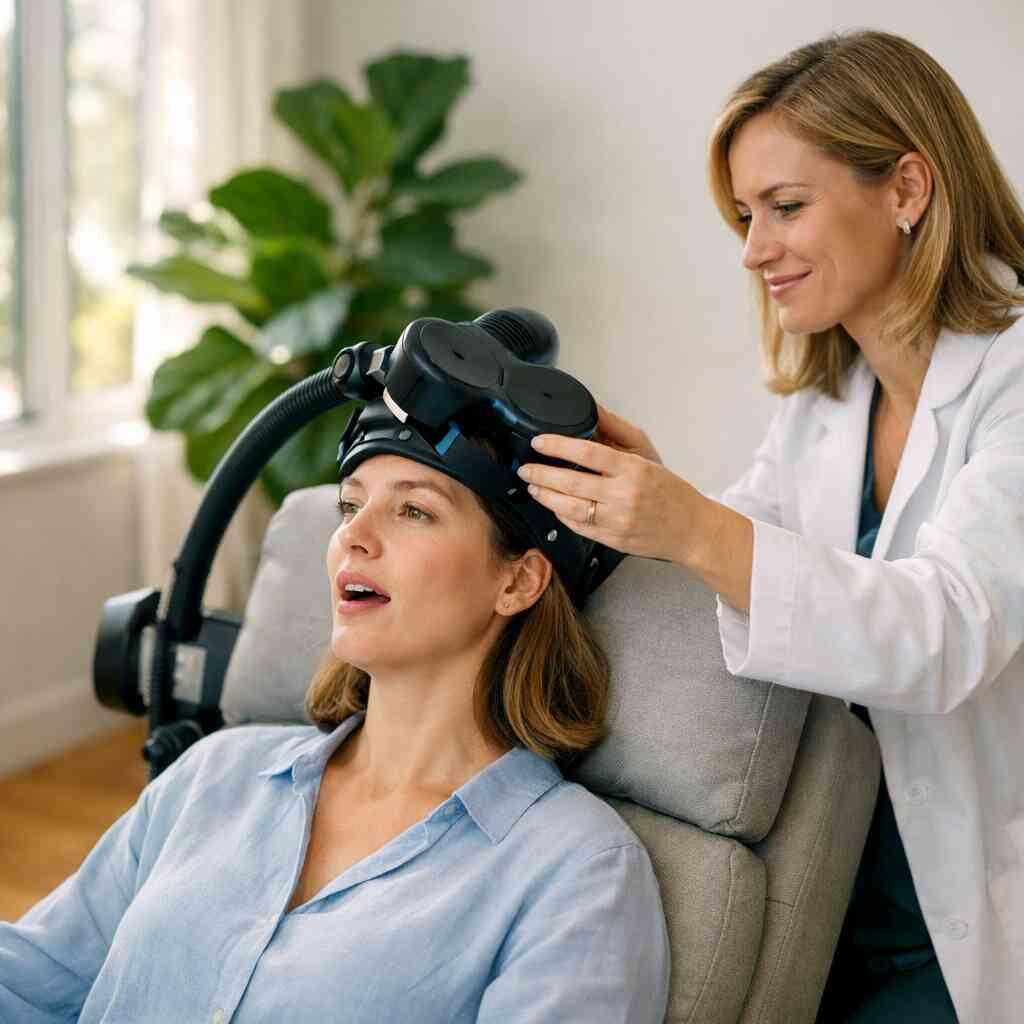
How severe intrusive thoughts, compulsive behavior recovery, and medication-resistant depression overlap
OCD often overlaps with depression in a very sticky way. The compulsions wear you down. The constant self-monitoring drains energy. Then depression makes it harder to use coping skills, which makes OCD louder. That cycle is why TMS after failed medications gets attention in complex cases. When both conditions are present, clinicians may track mood with the PHQ-9 or MADRS and follow OCD symptoms separately. That helps them see what is changing and what is not. In some cases, TMS for bipolar depression may be a different discussion entirely, because bipolar screening matters before any brain stimulation plan. For teens and young adults, careful evaluation becomes even more important, especially when school, sleep, and identity stress are already heavy. ### When dual diagnosis treatment Florida programs matter for OCD plus anxiety or substance use disorder
If OCD sits beside panic, alcohol misuse, or stimulant dependence, the treatment plan needs more than one lens. That is where dual diagnosis treatment Florida programs can matter. TMS addiction recovery and TMS for substance use disorder are active research areas, but they should be discussed carefully and honestly. The evidence is still growing, and no one should oversell it.
The SAMHSA TIP framework still matters here because substance use care works best when screening, relapse planning, and mental health support happen together. Studies on rTMS and craving, including research from places like the Medical University of South Carolina, suggest promise for some people. You may also hear phrases like TMS for smoking cessation or alcohol addiction brain stimulation. Those are real clinical questions, but they belong in a sober, individualized conversation, not a promise.
Why TMS and EMDR combination discussions often come up for trauma-loaded symptom patterns
Trauma can sit under OCD like a hidden weight. That is why people sometimes ask about a TMS and EMDR combination. EMDR may help process trauma-linked fear, while TMS may target stubborn symptom circuits. They are different tools with different jobs.
Here is a useful way to think about it. If trauma memories keep lighting up the body, EMDR may address that pattern. If obsessive loops still keep firing after treatment, TMS may add another layer of support. This is where a careful, local clinician matters, especially in a Florida behavioral health setting that coordinates therapy and psychiatry instead of treating them like separate planets.
What to do next if you are comparing clinics, insurance, and long-term care
This is where many people stall. You have questions about cost, access, and whether the clinic will actually stay involved after the first visit. Those are fair questions. In fact, they are the right questions.
How to ask about TMS insurance coverage Florida and what usually drives approval questions
Insurance questions can feel maddening. You may ask, does insurance cover TMS in Florida, and get a different answer depending on the plan. That is normal. Coverage often depends on diagnosis, prior medication trials, documentation, and whether the clinic knows how to submit records cleanly. If you need a starting point, review how to compare TMS insurance coverage in Florida clinics.
It also helps to ask about TMS cost Florida without embarrassment. You deserve a straight answer. Good clinics explain what your benefits may cover, what prior authorization requires, and what documentation your insurer expects. They should never pressure you with vague pricing. Transparent billing is part of trust.
What to look for in a best TMS clinic Florida search beyond glossy claims and vague promises
A best TMS clinic Florida search should go beyond review counts. Look for clear clinical explanations, thoughtful intake, and a team that discusses your full history. If you want a broader view of provider quality, check the guide to TMS treatment reviews and clinic choice in Florida. Reviews help, but they do not replace competence.
Use this quick checklist:
- Clear psychiatric evaluation before treatment
- Honest discussion of TMS side effects safety
- Explanation of protocol type, including deep TMS therapy or repetitive TMS
- Follow-up planning for symptom tracking
- Willingness to discuss TMS maintenance therapy
- Respect for comorbid anxiety, depression, or substance use
That checklist is simple on purpose. Simpler questions often reveal more than polished brochures. If a clinic speaks clearly about TMS reviews Florida without making wild promises, that is a good sign.
How maintenance therapy, follow-up planning, and local support in South Florida can keep momentum going
Long-term care matters. Some people need booster visits or a maintenance plan after the initial course. Others need ongoing therapy, medication review, or support for relapse prevention. TMS long-term results depend on the whole system around treatment, not just the machine.
That is why TMS maintenance therapy should be discussed before treatment starts, not after. A strong plan may include local therapy, family support, and medication coordination in TMS South Florida communities. If you live near Delray Beach, Aventura, or Boca Raton, proximity can make follow-up much easier. And if you want a clean place to ask more questions, start with what to expect from TMS treatment in Florida for OCD care or the clinic’s FAQ page.
Frequently Asked Questions
Does TMS work for OCD if medications have failed?
TMS may help some people with OCD after failed medications, especially when symptoms stay severe despite standard care. Results vary, and no ethical clinic should promise a specific outcome. The best approach is a full psychiatric evaluation, symptom tracking, and a discussion of whether your pattern fits current protocols. If depression is also present, clinicians often track change with tools like the PHQ-9 or MADRS alongside OCD measures.
How does TMS work compared with talk therapy?
TMS uses magnetic pulses to influence brain circuits involved in mood and compulsive loops. Talk therapy works through insight, behavior change, and coping skills. They do different jobs. Many people do best when they combine treatment types, because TMS can reduce the intensity of the loop while therapy teaches new responses.
What are the most common TMS side effects and safety concerns?
The most common side effects are scalp discomfort, headache, or temporary tiredness. Serious problems are uncommon, but safety screening still matters. A good clinician will ask about seizures, metal implants, medications, sleep, and substance use history. If a clinic skips that review, that is a warning sign.
Does insurance cover TMS in Florida for OCD or depression?
Coverage depends on the insurer, diagnosis, and documentation. Many plans focus on depression, especially when there is a record of medication resistance. OCD coverage can be more complex. Ask the clinic to verify benefits, explain prior authorization, and tell you exactly what records they need.
How do I choose the best TMS clinic in Florida?
Look for a clinic that offers a real psychiatric evaluation, clear pricing talk, and honest safety screening. Ask who manages follow-up, how they track progress, and whether they have experience with anxiety, OCD, and depression together. Strong clinics explain their process in plain language and do not lean on hype.
Can TMS help with anxiety, PTSD, or addiction too?
TMS is being studied for several conditions, including anxiety, PTSD, smoking cessation, and substance use disorders. Some people may also ask about TMS addiction recovery or dual diagnosis care. The research is promising in some areas, but it is still evolving. A careful clinician will talk about the evidence, not exaggerate it.


