-
The meds keep flattening you out, and the fog keeps coming back
When SSRIs, SNRIs, or sleep meds stop helping enough
You may know this feeling well. The prescription helps a little, then the heaviness returns. Sleep turns shallow. Mornings feel like wading through wet sand. If you are reading this after another medication change left you disappointed, that frustration makes sense. It is exhausting to keep hoping for a different result and getting the same dull outcome.
That pattern is one reason people start looking at TMS depression treatment in Florida after failed medications. Transcranial magnetic stimulation therapy is a non-invasive brain stimulation option that does not rely on daily medication side effects. It is often discussed as an alternative depression treatment for people with medication-resistant depression or TMS after failed medications. The clinical conversation usually begins with symptoms, not labels. What matters is whether the old plan still works.
On the cases and evaluations we see most often, people describe a very specific kind of fatigue. They are not only sad. They feel slowed, flat, irritable, and mentally sticky. One client from Boca Raton described it as “my brain sounding half asleep all day.” That is the kind of detail that tells a clinician to ask sharper questions. It is also where a careful TMS review can become useful.
Why medication-resistant depression can make TMS depression treatment Florida worth a closer look
The strongest reason to consider TMS treatment Florida is not hype. It is pattern recognition. When two or more medication trials have not produced durable relief, many clinicians start thinking about TMS depression treatment Florida as part of a broader care plan. The 2018 Stanford study by Carpenter and colleagues helped reinforce that TMS can reduce depressive symptoms for some people with stubborn depression, especially when measured carefully over time. That does not promise your result. It does show why the option stays in the discussion.
Here is the part most people miss: TMS is not asking your whole nervous system to tolerate another systemic drug. It targets specific brain circuits with magnetic pulses. That is why people often ask, “How does TMS work?” In plain terms, it aims to stimulate regions linked with mood regulation. Clinics may use repetitive TMS or deep TMS therapy, depending on the device and the treatment plan. For some patients, that difference matters more than the brand name.
If you want a useful comparison, think in terms of burden and fit. Medication can help, but it can also bring weight gain, grogginess, sexual side effects, or poor sleep. TMS is different. It still needs commitment, but it avoids many systemic drug effects. That makes it attractive for people who want non-drug depression treatment without giving up medical structure. If you want a deeper explanation, see Medication resistant depression and TMS in Florida.
How PHQ-9 and MADRS scores help show whether the pattern is really sticking
Good care does not run on vibes alone. It uses measures. Two common tools are the PHQ-9 and the MADRS. These questionnaires help track symptom severity before treatment, during treatment, and after treatment. If your score barely changes, that tells a story. If it shifts in a meaningful way, that matters too. The point is to measure the fog, not guess about it.
A Florida clinic should be comfortable explaining this clearly. You may hear about baseline scores, weekly check-ins, and follow-up reviews. That is healthy. It protects you from making a big decision based only on a good day or a bad afternoon. It also helps answer the practical question many families ask: “Does insurance cover TMS in Florida?” The answer depends on the plan, the diagnosis, and the documentation. For cost and coverage basics, the TMS insurance coverage in Florida page can help frame the conversation.
On one recent evaluation, a professional in Fort Lauderdale had tried two antidepressants, a sleep aid, and therapy. The PHQ-9 scores kept landing in the same range. That did not mean failure. It meant the next choice needed more precision. That is where a TMS psychiatrist Florida patient consult can be helpful, especially when the goal is thoughtful, not rushed, care.
-
Therapy helped you talk, but the brain still feels stuck in neutral
Why transcranial magnetic stimulation therapy can feel like a different lane than talk therapy
Talk therapy helps you name the storm. TMS helps some people address the circuit that keeps the storm parked in place. That is the simplest way to think about the difference. You may have learned coping skills, insight, and better boundaries. Still, your energy may not move. Your joy may not return. Your brain may feel like it is idling in neutral.
That is where transcranial magnetic stimulation therapy can feel like a different lane. It does not replace counseling. It complements it. Many Florida behavioral health plans combine therapy with medical treatment because the mind and brain do not heal on separate tracks. A clinician might also discuss TMS and EMDR combination planning when trauma symptoms and depression overlap, although that depends on the case and the provider. It is not about choosing one perfect tool. It is about matching the tool to the problem.
If you are comparing options, a trusted starting point is the Transcranial magnetic stimulation overview, though clinic guidance matters more than any summary page. The Clinical TMS Society consensus review and APA practice guidelines also help set expectations. Those sources reinforce that TMS works best as a structured clinical treatment, not a casual add-on. If you want a clinic-side explanation, Non-invasive brain stimulation for depression in Florida is a good match.
Where non-invasive brain stimulation fits when grief, burnout, or numbness will not budge
Grief can soften with time, but it can also harden into a stuck state. Burnout can look like depression. Numbness can hide under a busy schedule. That is why a careful evaluation matters. The question is not only what happened to you. The question is whether your nervous system still responds the way it should.
Non-invasive brain stimulation may be considered when therapy has helped you understand your pain, but your mood remains stuck. This is especially common for people who say, “I know what is wrong, but I still cannot move.” That sentence comes up often in Florida mental health clinic settings. It is honest. It is also clinically useful. If a person can articulate the problem but still cannot shift the state, TMS may deserve a closer look.
A woman in Winter Park once described her recovery work this way: “I could talk about everything in therapy, but I still felt like my body never got the message.” That matters. It tells the clinician the issue is not lack of insight. It is lack of momentum. For people like that, TMS depression treatment Florida can be one part of a broader plan that includes therapy, sleep support, and medication review. It is not magic. It is a different mechanism.
What TMS depression treatment Florida can mean for people who want non-drug depression treatment
The phrase non-drug depression treatment sounds simple, but the lived reality is complicated. You still need screening, follow-up, and consistency. You may need to fit sessions around work and school pickup. You may need to discuss whether TMS for bipolar depression is appropriate, since diagnosis matters a great deal. You may also hear about TMS for PTSD Florida when trauma symptoms sit beside depression. A careful clinic will not oversell any of this.
Florida adds a few real-world factors. Seasonal residents come and go. Traffic between Coral Gables and downtown Miami can eat an afternoon. Aventura and Boca Raton patients often want shorter commutes and predictable scheduling. That is why local access matters nearly as much as treatment philosophy. A nearby clinic can make the difference between completing treatment and dropping out halfway through.
For readers comparing locations, TMS clinic options in Miami, Fort Lauderdale, West Palm Beach, Orlando, and Tampa helps show how geography changes adherence. The best TMS clinic Florida is often the one that fits your calendar and your care team, not just your zip code. And if you are a young adult or parent looking for alternatives, you may also want to ask about TMS for teen depression and TMS for young adults where medically appropriate.
-
The anxiety loop is loud even when life looks calm on the outside
When constant dread, panic, or hypervigilance starts crowding out normal days
Anxiety can be sneaky. You may look fine from the outside while your body stays braced all day. Your shoulders never drop. Your breathing stays shallow. Sleep gets lighter. Small tasks feel oversized. If that sounds familiar, the problem is not weakness. It is overload.
This is where TMS for anxiety sometimes enters the discussion. It is not the only option, and it is not automatically the right one. Still, for people who have tried therapy and medication review without enough relief, it can be a meaningful conversation. Some clinics also discuss TMS for PTSD Florida because hypervigilance and intrusive arousal can overlap with anxiety symptoms. Good care sorts out the pattern before choosing the tool.
We hear this from clients almost every week: the mind can look calm while the body stays on alert. That mismatch is real. It often shows up in the small details. You reread text messages. You avoid phone calls. You feel a spike walking into Publix, the office, or school pickup. Those details tell a clinician far more than a generic “anxious” label ever could.
How TMS for anxiety may enter the picture alongside therapy and medication review
TMS for anxiety is usually not a solo decision. It works best when paired with a clinician reviewing sleep, stimulants, alcohol use, and medication history. Anxiety can hide under depression. Depression can hide under anxiety. That is why the best plan often feels a little slower at the beginning. It should.
A Florida mental health clinic should also talk openly about TMS side effects safety. Most people want to know about scalp discomfort, headache risk, and what the session feels like. That is fair. Safety discussions should be direct. If you want a clinic-level summary, the TMS side effects and safety guidance page is a helpful place to start. Clinics that explain safety clearly tend to handle consent more responsibly.
On the research side, transcranial magnetic stimulation research continues to explore anxiety-related symptoms, but the evidence base is still more developed for depression. That is why honest clinics avoid certainty they cannot earn. If your provider sounds too sure, ask more questions. The right answer is usually nuanced. If you live in South Florida and need practical access, ask about scheduling around work, school, and commute patterns before you commit.
Why Florida mental health clinic care often needs a plan that works with work, family, and seasonal stress
Florida life adds its own pressure. Summer storms, hurricane season prep, visitor traffic, and seasonal residents all affect routines. That matters because anxiety treatment fails when the plan is too hard to sustain. A person driving from Delray Beach to a clinic three times a week may need a very different setup than someone across town from a TMS clinic Miami location. Real care respects logistics. Here is what almost no online guide mentions: consistency is part of the treatment. If you cannot get there, it does not matter how promising the protocol sounds. That is why clinics in TMS South Florida, TMS Fort Lauderdale, TMS West Palm Beach, TMS Orlando, and TMS Tampa matter to different families. The closer and clearer the plan, the more likely you are to finish it. 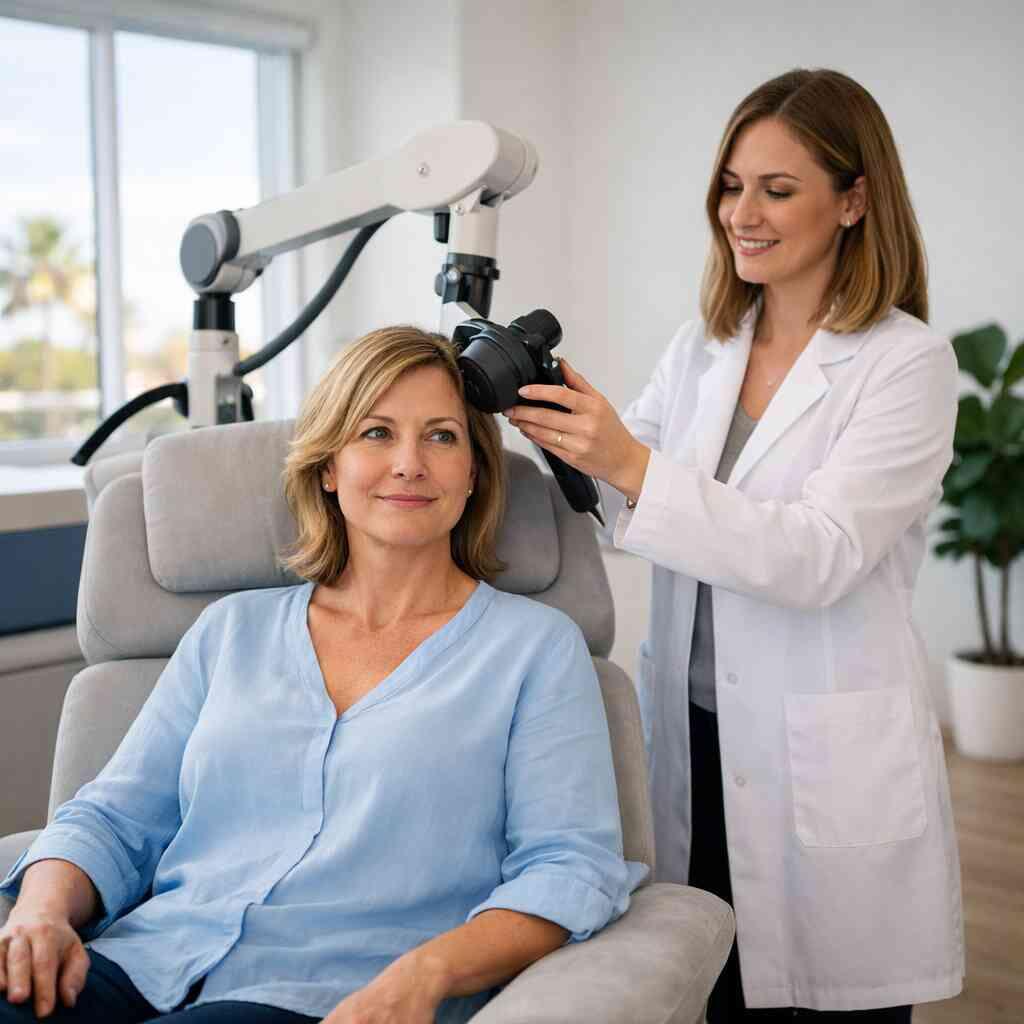
The question to ask is simple: can this fit your real week? Not your ideal week. Your real one. If the answer is yes, TMS for anxiety may deserve a seat at the table. If the answer is no, keep looking until the plan feels humane.
-
The compulsion or craving pattern has started running the schedule
When TMS OCD therapy becomes relevant for checking, counting, or intrusive thoughts
OCD can shrink a life quickly. You check the door again. Then again. You count, arrange, repeat, and reassure. Intrusive thoughts can feel sticky and humiliating. Many people hide it for years. They do not need a lecture. They need an option.
That is why TMS OCD therapy enters the conversation for some patients. The best evidence still pairs TMS with proper diagnosis and structured OCD treatment, not wishful thinking. A clinician should ask about obsessions, compulsions, and functional impairment. TMS does not erase habits by force. It may help lower the intensity that keeps the loop alive. For a clinic-specific overview, see TMS OCD therapy in Florida.
A Tampa patient once described OCD this way: “The ritual makes me late, then ashamed, then more stuck.” That cycle matters. It is not only about the behavior. It is about the narrowing of the day. When the pattern starts running the schedule, treatment needs to shift from advice to intervention.
How TMS addiction recovery and TMS for substance use disorder may be considered with dual diagnosis treatment Florida
Cravings are not a simple willpower problem. The brain learns fast when relief comes with a reward. That is why TMS addiction recovery and TMS for substance use disorder are being explored as adjuncts, not cures. The SAMHSA TIP on substance use disorders emphasizes integrated, evidence-based care. TMS may fit alongside counseling, relapse prevention, and medical support. It should never be treated like a standalone answer.
Dual diagnosis treatment Florida becomes important when depression, anxiety, trauma, and substance use show up together. In those cases, the plan has to hold multiple truths at once. A person may need therapy for triggers, medical care for withdrawal risk, and a broader behavioral plan. Growing research from places like the Medical University of South Carolina has examined rTMS for cravings. That research is promising, but it remains part of a larger evidence conversation, not a final verdict.
If you want to compare options, the TMS addiction recovery and substance use disorder support in Florida page explains how clinics frame the topic. Some patients also ask about TMS for smoking cessation or alcohol addiction brain stimulation. Those uses are being studied as support tools, not magic fixes. That difference matters.
Why TMS for smoking cessation and alcohol addiction brain stimulation are being studied as add-ons, not magic fixes
Smoking and alcohol use often sit inside a bigger emotional pattern. Stress relief. Habit. Shame. Boredom. Grief. That is why any brain-based intervention must be paired with real behavioral work. If you are looking for a quick switch, TMS is not that. If you are looking for another tool in a serious recovery plan, the conversation may be worth having.
You may also hear about addiction rehab Florida programs using broader recovery models. That can include therapy, group work, medication support, and aftercare. TMS can complement those services in some cases. It should not replace them. That is the honest answer. If a clinic presents it differently, pause.
The strongest question is not “Can TMS fix addiction?” The stronger question is “Can TMS help reduce the brain’s pull while I build recovery structure?” That question is mature. It is also clinically smarter.
-
You need a Florida plan that matches real life, not just a diagnosis
How TMS clinic Miami, TMS Fort Lauderdale, TMS West Palm Beach, TMS Orlando, and TMS Tampa options can change the barrier to care
Location can determine success. If you live near Aventura, Coral Gables, Boca Raton, Delray Beach, or Winter Park, the right clinic can save hours each week. That matters more than people expect. TMS requires repeated visits. A long, stressful drive can quietly sabotage even a good treatment plan. That is why local accessibility is not a luxury. It is part of the treatment design.
Florida also has unique patterns. Snowbirds, family schedules, and insurance differences can make continuity tricky. Clinics that understand these realities usually make the process feel smoother. If you are searching for TMS near me Florida, start by asking which locations are closest to your actual routine. Then ask about parking, hours, and appointment consistency. Small details decide whether treatment stays manageable.
The TMS clinic options in Miami, Fort Lauderdale, West Palm Beach, Orlando, and Tampa page can help you compare access points. For many patients, the best TMS clinic Florida is the one that lowers friction without lowering standards. That balance matters.
What to ask about TMS insurance coverage Florida, TMS cost Florida, and TMS near me Florida before you commit
The financial questions deserve straight answers. Ask whether your plan covers evaluation, device use, and follow-up. Ask what documentation the clinic needs. Ask about deductibles and out-of-pocket exposure. If the clinic cannot explain this clearly, keep looking. You deserve clarity before commitment.
You can also review TMS cost in Florida and payment options before making calls. Do not assume the answer is the same for every insurer. Florida’s insurance landscape can vary widely by employer plan and carrier. That is why “does insurance cover TMS in Florida” is a practical question, not a side note. It belongs near the top of the intake conversation.
A useful checklist:
- Confirm whether the clinic accepts your insurance.
- Ask what diagnostic records they need.
- Request a breakdown of possible self-pay costs.
- Verify whether prior authorization applies.
- Ask how missed sessions are handled.
That list saves time. It also keeps the process honest.
Why maintenance therapy, side effect safety, and TMS long-term results should shape the final decision
A smart plan does not stop at the first phase. It asks what comes after. Some patients benefit from TMS maintenance therapy if symptoms begin to return. Others do not need it. There is no universal rule. The point is to talk about it early, not after a setback.
Long-term planning also means staying grounded about expectations. Search terms like TMS therapy success rate, TMS long-term results, and TMS reviews Florida can help you gather questions, but they cannot replace a clinical evaluation. A responsible clinic should not promise a specific outcome. It should explain what evidence exists, what is uncertain, and how the team measures response. If the clinic uses deep TMS therapy or repetitive TMS, ask why that option fits your diagnosis. You are allowed to be careful.
For more detailed planning, TMS maintenance therapy and long-term results can help you think beyond the first round. And if you want to understand who is behind the care, review about our team and credentials before you schedule. You do not have to sort this out alone, and you do not have to solve it all today. Pick one clinic to call, ask about insurance verification, and request a consultation that fits your week.
Frequently Asked Questions
Is TMS usually considered after failed medications?
Yes, often it is. Many clinics discuss TMS after two or more antidepressants have not helped enough or have caused difficult side effects. The point is not to keep trying medication indefinitely. The point is to find a treatment path that fits your symptoms, diagnosis, and history. A clinician will usually review prior trials, therapy history, and current safety factors before recommending TMS.
Does TMS work for anxiety too?
Sometimes it may help, especially when anxiety appears with depression. The evidence is stronger for depression than for anxiety alone, so a careful evaluation matters. A good clinic will not promise a cure. It will explain where TMS may fit alongside therapy, medication review, and sleep support. That honest framing usually leads to better decisions.
What does a TMS session feel like?
Most people describe tapping or clicking sensations on the scalp. Some feel mild discomfort at first, and others adjust quickly. You stay awake the whole time. You can usually return to normal activities afterward. The exact experience depends on the device, protocol, and your sensitivity, so the team should explain it before you start.
Does insurance cover TMS in Florida?
Often, but not always. Coverage depends on your carrier, plan details, diagnosis, and documentation of prior treatment attempts. Some plans require prior authorization. Others need records showing medication resistance or failed treatments. It is best to verify benefits before scheduling, so you know what to expect and avoid surprises.
What are the side effects of TMS?
Common side effects can include scalp discomfort, headache, or fatigue. Serious side effects are uncommon, but every medical treatment has some risk. That is why screening and safety review matter. Ask the clinic how they monitor comfort, adjust settings, and respond if you feel unwell during treatment.
Can TMS help with OCD or substance use?
It may be considered in some cases, but these uses require careful clinical judgment. OCD and substance use disorders usually need structured treatment plans that include therapy and other supports. Research is growing, especially for cravings and compulsive patterns, but TMS is still best viewed as one part of a broader plan.