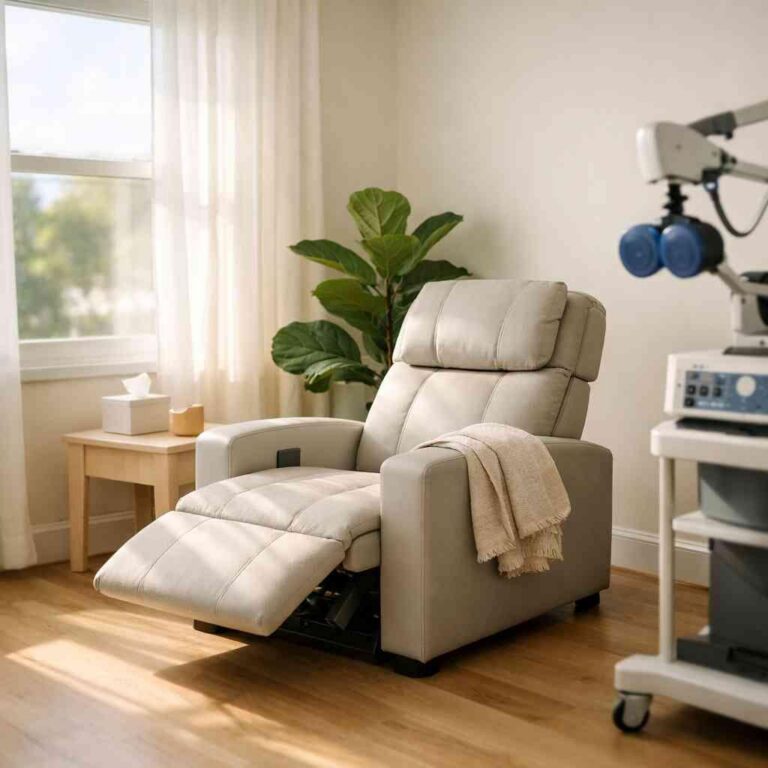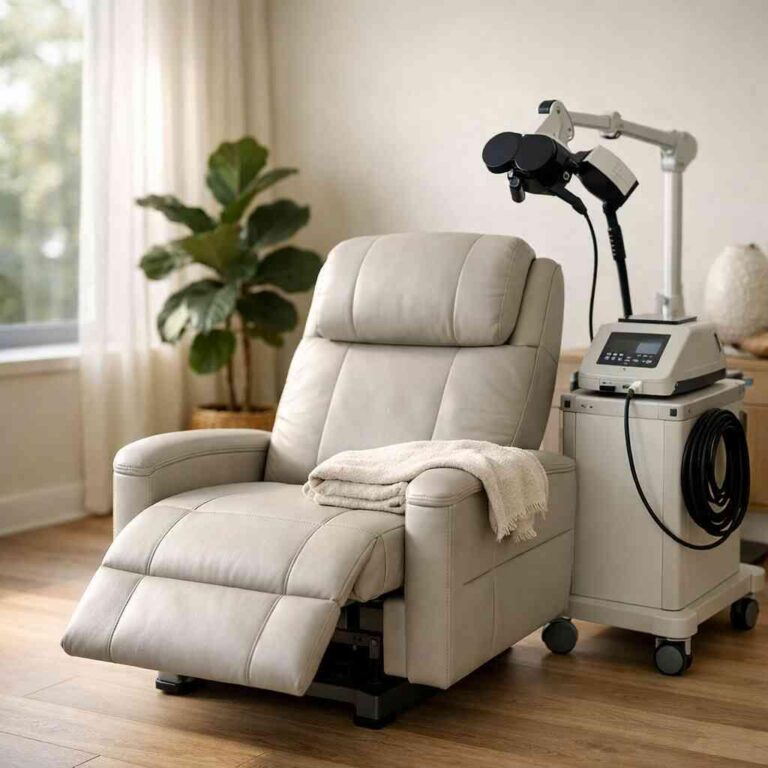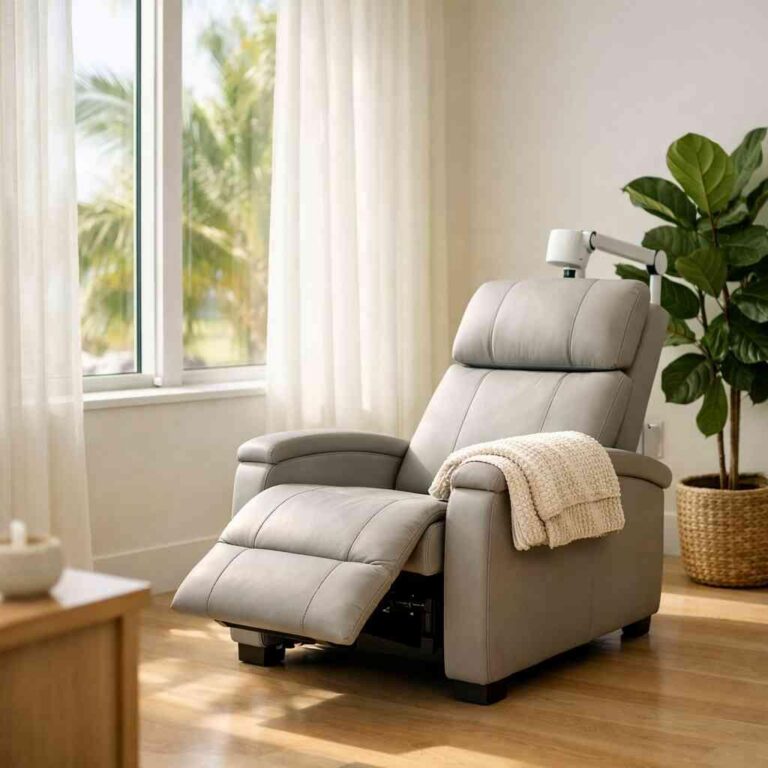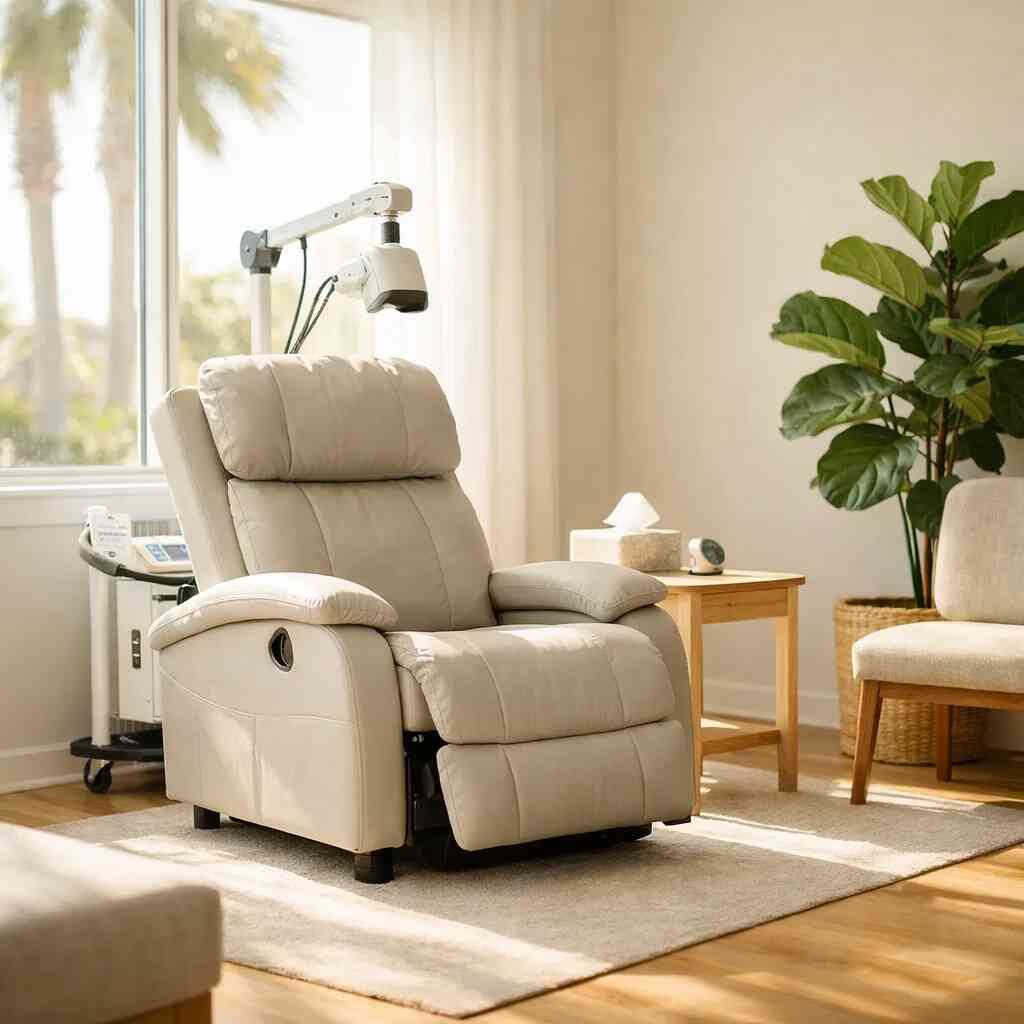
rTMS and deep TMS are both forms of transcranial magnetic stimulation therapy, but they do not reach the brain in the same way. rTMS uses a more focused coil for smaller, surface-level targets, while deep TMS uses a different coil design that can stimulate broader networks tied to depression and OCD.
Key Takeaways
- rTMS and deep TMS are both non-invasive brain stimulation options, but they differ in coil design, depth, and the brain networks they reach.
- rTMS is usually more focused, which can make it a good fit for targeted depression and anxiety treatment.
- Deep TMS reaches broader brain circuits, which is why it is often discussed for medication-resistant depression and TMS OCD therapy.
- Neither option requires surgery or sedation, and most sessions are done in a regular outpatient setting.
- The right choice depends on diagnosis, goals, comfort, and insurance coverage, not hype or one-size-fits-all claims.
When medication stops moving the needle: what rTMS and deep TMS are really changing
If antidepressants have flattened out, caused side effects, or simply stopped helping, TMS can feel like a very different conversation. It is not another pill to add to the pile. It is a non-drug depression treatment that uses magnetic pulses to change how mood circuits communicate.
Why the blur of side effects and stalled relief makes non-drug depression treatment feel different from another prescription
A lot of people reach us after months of feeling stuck. The dose goes up, sleep gets strange, energy drops, or the benefits never really arrive. That frustration is real, and it is exactly why many people start looking for alternative depression treatment or TMS after failed medications.
TMS treatment Florida patients often ask about is not meant to replace every other option overnight. It is a structured, non-invasive brain stimulation treatment that may help when medication-resistant depression keeps getting in the way of work, parenting, or basic routines. In Florida, that question comes up often in busy areas like Miami, Fort Lauderdale, West Palm Beach, Orlando, and Tampa, where people want care that fits a full schedule.
One patient call we hear often sounds like this: “I am not scared of trying something new. I am scared of trying another thing that leaves me foggy.” That is the heart of the decision. You want something that feels precise, medically grounded, and less punishing than another round of side effects.
How transcranial magnetic stimulation therapy uses focused magnetic brain therapy to reach mood circuits without surgery or sedation
How does TMS work? In simple terms, a coil placed near the scalp sends short magnetic pulses into specific brain regions involved in mood regulation. The treatment is done awake, in a chair, without anesthesia, surgery, or downtime. That is one reason transcranial magnetic stimulation therapy feels so different from medication.
The best-known depression studies, including the 2018 Stanford work by Carpenter and colleagues, helped push TMS further into mainstream psychiatric care for people who had not improved with standard treatment. The American Psychiatric Association and the Clinical TMS Society both support its place in carefully selected patients, especially when symptoms have persisted despite prior care. For a plain-language overview of mood treatment resources, the APA patient guide is a useful reference.
For readers who want the clinic-side view, TMS is usually tracked with tools like the PHQ-9 or MADRS. Those scores help a clinician see change over time instead of relying on vague impressions alone. That kind of measurement matters when you are trying to understand whether treatment is helping or just taking time.
Where Florida patients most often hear about TMS depression treatment Florida from TMS clinic Miami to TMS Orlando and TMS Tampa
People usually find out about TMS in one of three ways: a psychiatrist mentions it after several medications have fallen short, a therapist suggests it for resistant symptoms, or a family member searches for a TMS clinic Miami, TMS Orlando, or TMS Tampa after seeing how hard depression has become to manage. In South Florida, patients also often compare options from Broward to Palm Beach because commute time matters when a course involves repeated visits.
Florida’s mix of seasonal residents, commuters, and families in places like Coral Gables, Aventura, Boca Raton, Delray Beach, and Winter Park makes convenience a real factor. If you are searching for TMS near me Florida, the practical question is not just where the clinic sits on a map. It is whether the schedule, parking, and follow-up process will actually work for you.
The quiet engineering behind the coil: why rTMS and deep TMS do not reach the brain the same way
The main difference between rTMS and deep TMS is how the coil delivers magnetic energy. rTMS tends to be more focal, while deep TMS is built to reach broader and deeper neural networks. That difference affects what each treatment may fit best, how it feels, and which symptoms a clinician may prioritize.
Why repetitive transcranial magnetic stimulation tends to target smaller, more precise areas and what that means for TMS for depression and TMS for anxiety
Repetitive transcranial magnetic stimulation, or rTMS therapy, uses repeated pulses aimed at a smaller region of the cortex. That precision is useful when the goal is to influence a specific mood circuit without spreading stimulation more broadly. For many people with TMS for depression, that targeted approach is exactly what they want.
Here is the part most people miss: more focused does not always mean “stronger.” It means different. rTMS may be a better fit when a clinician wants a narrower target, especially for patients with TMS for anxiety symptoms that are tightly linked to mood and rumination. It is also often discussed in a Florida mental health clinic setting where appointment flow and consistency matter.
FeaturerTMSDeep TMSCoil reachMore focalBroader and deeperTypical targetSmaller cortical areaWider brain networkCommon useDepression, some anxiety presentationsDepression, OCD, broader symptom clustersSession feelTapping sensation near the scalpSimilar, sometimes felt a bit differentlyFit depends onSpecific symptoms and targetDiagnosis and treatment planA clinic may prefer one approach over the other based on symptom pattern, prior medication history, and tolerance. That is why a careful evaluation matters more than a brand name.
How deep TMS therapy uses a different coil design to reach broader networks that matter for TMS OCD therapy and medication-resistant depression
Deep TMS therapy uses a different coil design, often discussed because it can influence deeper and broader brain networks. That makes it especially relevant in conversations about TMS OCD therapy and medication-resistant depression. It is not magic. It is engineering.
For some patients, broad network stimulation may fit better when symptoms are not neatly isolated. That includes people with obsessive loops, intrusive thoughts, or depression that keeps showing up alongside anxiety, compulsive behaviors, or low motivation. The FDA-cleared deep TMS systems often discussed in the field include NeuroStar and BrainsWay devices, though device choice always depends on the clinic and the patient’s needs.
Research from places such as the Medical University of South Carolina has also helped expand interest in rTMS for cravings and substance-related symptoms. That is part of why you may hear about TMS addiction recovery or TMS for substance use disorder in the same conversation as depression care. For broader public health context on mental health and treatment access, the CDC mental health resources page is a solid starting point.
What people often miss about comfort, sensation, session length, and how each approach fits a Florida mental health clinic schedule
Most people expect TMS to sound more intense than it usually feels. The common sensation is a tapping or clicking on the scalp, not sedation or a full-body medical procedure. Side effects are often mild, though TMS side effects safety should always be reviewed carefully before treatment starts. In practice, session length and comfort can differ by protocol, but both approaches are commonly run in an outpatient rhythm that fits work and family life. In Florida, that matters. A parent driving in from Palm Beach County or a professional commuting from downtown Miami may need a schedule that respects traffic, school pickup, and long workdays. The Florida AHCA outpatient framework also makes clinic oversight an important part of the picture, which is one reason it helps to ask how the office handles screening, monitoring, and documentation. 
If you are comparing a luxury TMS center feel against a more basic office, ask the same questions in both places. What does the intake look like? Who reviews your symptoms? How are progress scores tracked? Those answers tell you more than décor ever will.
The right fit depends on your diagnosis, not marketing
The best choice between rTMS and deep TMS depends on the symptom pattern, the diagnosis, and the treatment history. rTMS may suit more focused targets, while deep TMS may fit broader or more complex symptoms. Insurance, travel time, and prior medication response also shape the decision.
For example, someone with straightforward medication-resistant depression may do well with a more targeted plan. Someone with OCD, PTSD symptoms, or a mixed presentation may be steered toward deep TMS therapy because the network target is broader. For readers exploring options for bipolar depression, the clinical conversation can be more nuanced, and treatment selection should be individualized rather than assumed.
Here is a practical way to think about it:
- Choose based on diagnosis first
- Ask which symptoms the clinic is targeting
- Confirm how outcomes will be measured
- Review cost, timing, and insurance before you start
- Make sure the plan fits your life, not the other way around
If you are comparing coverage, it is reasonable to ask, does insurance cover TMS in Florida? Many plans do cover it for approved indications, but benefits vary. For that reason, TMS insurance coverage Florida and TMS cost Florida should be checked before you commit. A good clinic should help verify benefits instead of leaving you to decode the fine print alone. If you want a deeper look at access and billing questions, see the clinic’s insurance guide.
For readers who want a Florida-specific comparison, this overview of the difference between rTMS and deep TMS can help frame the decision. You can also review the clinic’s depression treatment page for context on how the process is usually screened and monitored.
If medication or other treatments have not been enough, TMS Treatment Florida can help you explore noninvasive TMS therapy and connect you with confidential, local care options across Florida. For people who want a real person, a private conversation, and help finding the right fit, that kind of support can make the process feel much less overwhelming.
Frequently Asked Questions
Does rTMS work better than deep TMS?
Neither one works better for everyone. rTMS and deep TMS are designed differently, so the better choice depends on your diagnosis, symptom pattern, and treatment goals. rTMS is usually more focal, while deep TMS reaches broader networks. A clinician should decide which target makes more sense for your case.
Is deep TMS more uncomfortable than rTMS?
Most people describe both as tolerable, with a tapping or clicking sensation on the scalp. Some notice a slightly different feel because the coils are designed differently. Comfort can also depend on head shape, coil placement, and session settings. If sensitivity is a concern, ask the clinic how they adjust treatment.
How long does a TMS session take?
A typical session often takes about 20 to 40 minutes, though protocols can vary. The full course usually involves many visits over several weeks. That schedule is one reason people compare TMS clinic Miami, TMS Fort Lauderdale, and other local options carefully, especially if they have to fit treatment around work or family demands.
Is TMS safe if I have anxiety or OCD?
TMS is often discussed for both anxiety and OCD, but the plan should be built around your specific symptoms and history. Safety screening matters, especially if you have a seizure history or certain implanted devices. Your clinic should review risks clearly before starting treatment.
Can TMS help after medications failed?
Yes, that is one of the main reasons people seek it out. TMS after failed medications is a common use case, especially for medication-resistant depression. It is not a guarantee, but it is a medically respected option when pills have not been enough.
What should I ask before choosing a clinic in Florida?
Ask how they screen patients, which rating scales they use, how they track progress, and whether they verify insurance before treatment starts. It also helps to ask about TMS maintenance therapy and how the clinic thinks about long-term results. If you want local guidance, the locations page can help you narrow down nearby care.