-
Why does TMS feel like the answer after meds stopped pulling their weight
You may be reading this because the pills got you only partway there, then stopped working. That frustration is heavy. It can feel like you have tried everything, yet the fog remains. Families often notice the changes before the person does.
What loved ones usually notice when SSRIs and other medications stop helping
Loved ones usually notice sleep changes, more isolation, and less follow-through. Appetite may shift. Irritability can replace sadness. Sometimes the person still goes to work, but every task feels uphill. Those signs often show up before anyone says, “I need help.”
What makes this painful is the pattern. A medication helps, then fades. Or it helps the mood, but the side effects feel unbearable. Dry mouth, weight changes, numbness, and restlessness can push people away from treatment. That is often when families start asking about TMS treatment in Florida for loved ones.
How medication resistant depression and non-drug depression treatment fit the same conversation
Medication resistant depression does not mean hopeless. It means standard treatments have not brought enough relief. That is where non-drug depression treatment enters the picture. TMS depression treatment Florida gives families another path that does not rely on daily medication changes.
Here is the part most people miss. TMS is not a dramatic reset. It is steady. It uses non-invasive brain stimulation to target networks involved in mood. For some people, that feels easier to accept than trying yet another pill with side effects. If you want a plain-language overview, see the non-drug depression treatment with TMS in Florida.
Why TMS depression treatment Florida can sound different from every past option tried at home
Families often hear TMS and think, “Is this just another trend?” Fair question. It sounds different because it works differently. How does TMS work? In simple terms, a magnetic coil sends brief pulses to specific brain areas linked to mood regulation. That is why many people call it magnetic brain therapy.
From what we see across Florida, the biggest emotional shift is often this: people feel less trapped. Not cured by a slogan. Just less cornered. That matters. It is why some families compare TMS with TMS treatments for depression in Florida after failed medications have piled up.
-
What actually happens during transcranial magnetic stimulation therapy in a Florida clinic
The first visit feels unfamiliar, and that is normal. People worry about pain, noise, and what they will be asked to do. Most anxiety comes from not knowing the rhythm of the appointment. Once the process is clear, the fear usually drops.
How the chair, the coil, and the clicking rhythm feel in real life
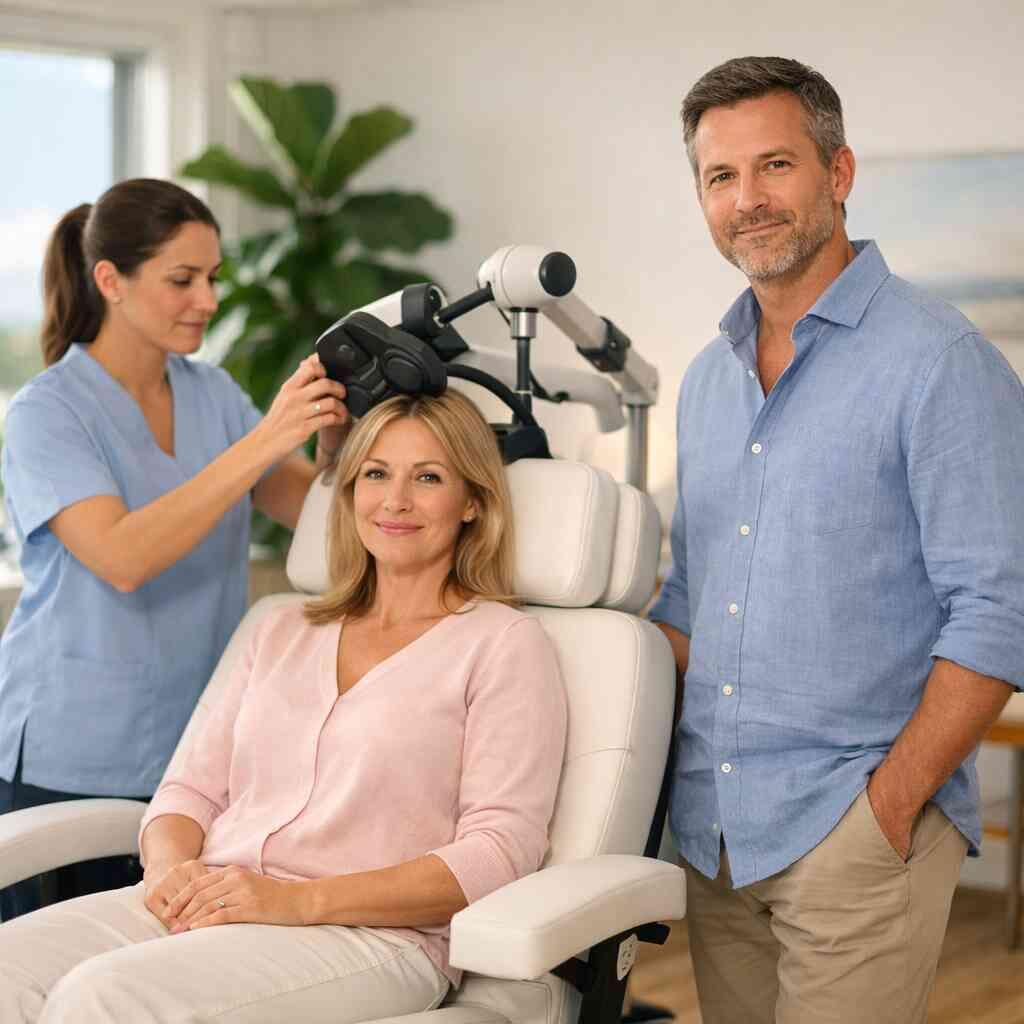
A TMS session usually starts with you sitting in a comfortable chair. The coil rests near the scalp. You hear a rapid clicking sound. Some people describe it as a tapping sensation on one side of the head. It is strange at first, but most people adjust quickly.
The sensation is not the same as sedation or a procedure room. You stay awake. You can talk. You can listen to music if the clinic allows it. Many patients say the hardest part is the first minute, not the whole session. If you want a safety-focused explanation, review What Families Should Know About TMS Side Effects and Safety.
What a typical visit looks like from check-in to leaving the office
A typical visit is structured and repeatable. You check in. The team confirms the plan. They place the coil, adjust the position, and start treatment. The appointment often ends with you heading back to normal activities. There is usually no recovery time in the way surgery or anesthesia would require.
That simplicity matters for Florida families juggling work, school pickup, and long drives. In places like Aventura, Coral Gables, Boca Raton, Delray Beach, and Winter Park, convenience can decide whether care actually happens. That is why many people search for a TMS clinic in Miami or a nearby office that fits real life.
Why deep TMS therapy and repetitive TMS are not the same experience for every patient
Repetitive TMS and deep TMS therapy both use magnetic pulses, but they are not identical. The coil design differs. The depth and spread of stimulation differ, too. That is why some clinics discuss the difference between rTMS and deep TMS in South Florida before building a plan.
The right fit depends on diagnosis, history, and comfort with the process. A careful clinic should explain the difference without hype. That is especially important if you are comparing a TMS treatment in Broward County with a nearby Palm Beach option. Good care should feel clear, not cryptic.
-
Is TMS really FDA approved depression treatment or just another trend
This question comes up almost every week. Families want proof. They should. Mental health care should not depend on buzzwords. The good news is that TMS has a real evidence base, but the details still matter.
What FDA approved depression treatment means in plain language
When people say FDA approved depression treatment, they usually mean the device has been cleared for a specific use. That does not mean every patient will respond the same way. It means the treatment has gone through safety and effectiveness review for the indication listed by the device maker.
That distinction matters. It keeps expectations honest. It also helps families separate marketing from medicine. If you want a local overview tied to clinical standards, the About TMS Treatment Florida page can help explain how a clinic frames care. For deeper external reading, the APA practice guidelines and Clinical TMS Society reviews are useful references.
Why the 2018 Stanford study and later research changed how families think about TMS therapy success rate
The 2018 Stanford study, along with later work such as Carpenter et al., helped families see TMS as more than a last resort. Research on transcranial magnetic stimulation therapy has continued to shape how clinicians talk about outcomes. Most responsible clinics now use rating scales like the PHQ-9 or MADRS instead of vague impressions alone.
That is the right approach. Numbers matter. So does honesty. TMS therapy success rate should never be sold as a guarantee. It should be explained as a probability shaped by diagnosis, treatment history, and adherence. The strongest clinics talk about the data and the limits together.
What to ask a TMS psychiatrist Florida team when you want facts, not hype
Ask direct questions. Good teams expect them. You can ask how they measure progress, how often they recheck symptoms, and what happens if the first plan is not working. You can also ask about TMS side effects and safety and what the clinic does if headaches or scalp discomfort show up.
A thoughtful TMS psychiatrist Florida team should also explain whether your symptoms fit a standard depression protocol or a more complex plan. If the staff cannot explain how they track outcomes, keep looking. For comparison reading, the Florida TMS locations and service areas page may help you narrow the search without guesswork.
-
Which symptoms tell families that TMS for anxiety TMS OCD therapy or TMS for PTSD Florida might be worth asking about
Mental health symptoms rarely arrive in neat boxes. Anxiety can look like anger. OCD can look like “just being stuck.” Trauma can look like numbness. That is why families often miss the pattern until it has grown loud.
How anxiety can hide behind irritability, sleeplessness, and shutdown days
TMS for anxiety comes up when worry is no longer just worry. It becomes sleep loss, muscle tension, and constant scanning. Some people get quiet and withdrawn. Others get sharp and reactive. If that sounds familiar, the problem may not be laziness or attitude. It may be a nervous system stuck on high alert.
Many Florida families hear this after months of saying, “You seem off, but I cannot explain why.” That confusion is common. A skilled clinic will sort out whether depression, anxiety, or both are driving the picture. If anxiety is the central issue, look at TMS treatment for anxiety disorders in Florida.
Why OCD loops, intrusive thoughts, and panic can look different from sadness
TMS OCD therapy is often considered when intrusive thoughts, rituals, and mental checking keep taking over the day. OCD does not always look dramatic. Sometimes it looks like repeated reassurance-seeking, long showers, or fear of contamination that never quite turns off. That loop can be exhausting. Panic can sit beside it. So can shame. In those cases, families often need a provider who understands the difference between habit and compulsion. A careful evaluation matters before treatment starts. If OCD is part of the picture, the TMS treatment for obsessive-compulsive disorder in Florida page is a useful place to start. ### When trauma symptoms and bipolar depression need a careful evaluation before any magnetic brain therapy starts 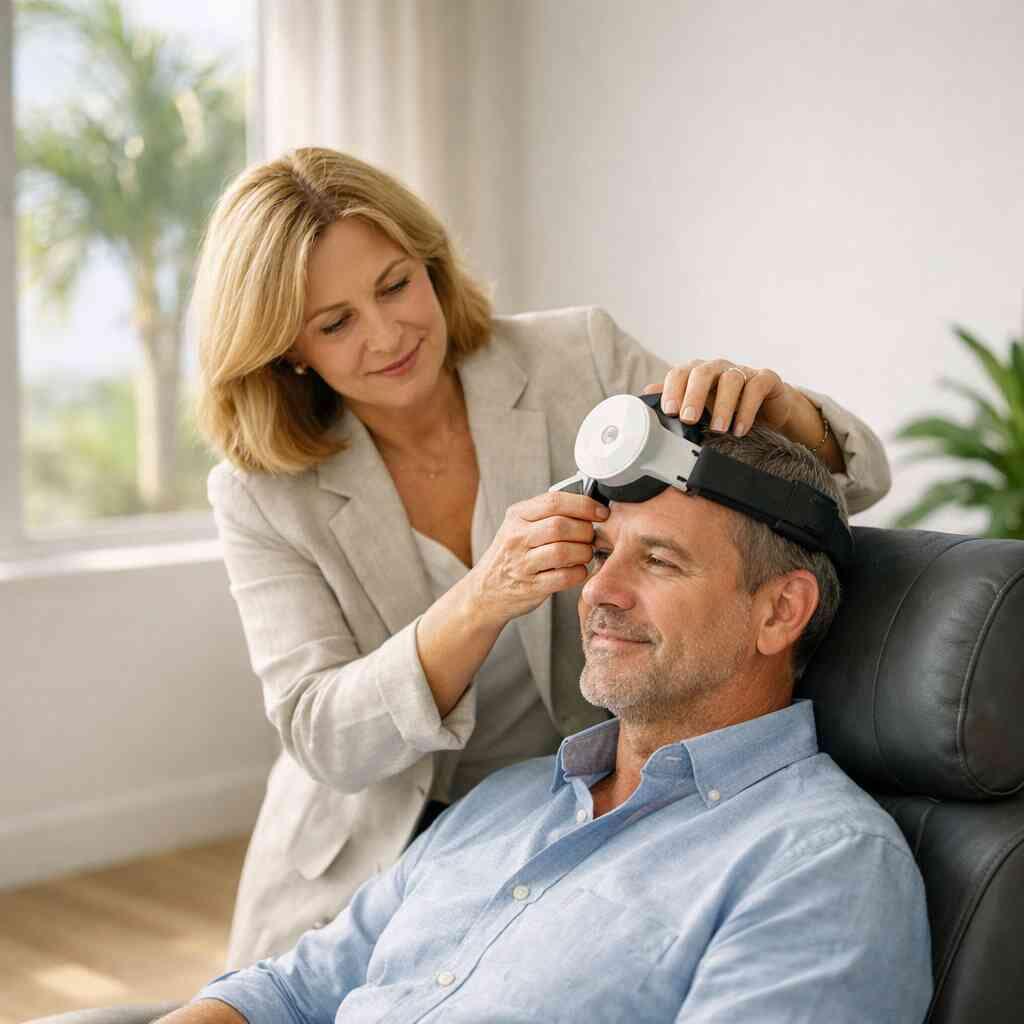
TMS for PTSD Florida is a serious discussion, not a casual add-on. Trauma symptoms can include hypervigilance, nightmares, startle responses, and emotional shutdown. TMS for bipolar depression also needs careful screening, because mood history changes treatment planning. That is not a warning to avoid care. It is a reminder to slow down and assess carefully.
One client in South Florida had spent months cycling between therapy, insomnia, and work absences. What finally helped the family was not a faster fix. It was a more accurate evaluation. The right clinic should ask detailed questions before treatment begins. If your loved one has complex symptoms, ask about TMS treatments for bipolar disorder in Florida.
-
Can TMS help with cravings and dual diagnosis treatment Florida questions families are scared to ask
This section feels personal for many families. Substance use and mood symptoms often feed each other. One worsens the other. Shame makes the cycle louder. That is why people search for answers late at night, hoping something will finally connect the dots.
What the research says about rTMS and craving reduction in substance use care
The research on rTMS and craving reduction keeps growing. Studies, including work discussed by teams at the Medical University of South Carolina, suggest magnetic stimulation may help some people manage cravings. That does not make TMS a standalone cure for addiction. It does show why clinicians are studying it as a support tool.
People often ask about TMS addiction recovery and alcohol addiction brain stimulation in the same breath. Those are fair questions. The evidence is promising but still evolving. For a clinic-specific overview, see TMS for substance use disorder in Florida.
How TMS addiction recovery and TMS for substance use disorder may fit alongside rehab counseling and medication
TMS for substance use disorder works best as part of a broader plan. That may include counseling, relapse-prevention work, medication management, and family support. It does not replace structure. It can support it. That is why some programs describe it as one piece inside dual diagnosis treatment Florida.
The same logic applies to TMS for smoking cessation. Some patients ask about it after many failed attempts. Others ask because nicotine keeps sabotaging mood treatment. Either way, the treatment should fit the person, not the buzz. If a clinic speaks only in grand promises, be cautious.
Why SAMHSA guidance matters when addiction and mood symptoms show up together
SAMHSA guidance matters because co-occurring conditions need coordinated care. When someone has depression and substance use together, the plan should account for both. A person may need detox, therapy, medication, and monitoring before TMS even starts. That is not delay for delay’s sake. It is safety.
Florida families know this reality well. Seasonal residents, travel, and fragmented care can complicate follow-up. That is why some people prefer a Florida mental health clinic that can coordinate across conditions and local care teams.
-
What should Florida families know about cost, insurance, and finding a TMS near me Florida clinic
Money questions are stressful. So is network paperwork. You may feel awkward asking, but you should ask. Mental health care should be clinically sound and financially clear. Those two things belong together.
How TMS insurance coverage Florida usually gets checked before treatment starts
TMS insurance coverage Florida usually depends on diagnosis, prior treatment history, and plan rules. Most clinics verify benefits before treatment begins. That process may include checking whether the plan covers FDA approved depression treatment and what documentation is needed. If you ask, the office should explain it in plain language.
People also ask, does insurance cover TMS in Florida? Sometimes yes, sometimes partially, and sometimes not yet. The answer depends on the plan, not wishful thinking. A good office should tell you exactly what they can verify before you commit. If you need a structured guide, see How to Understand TMS Cost Florida and Insurance in 2026.
What affects TMS cost Florida without guessing at exact prices
TMS cost Florida is influenced by visit count, device type, location, and coverage. Deep TMS may be priced differently from standard protocols. A clinic’s administrative process also matters. For example, prior authorization can slow the start, but it can also prevent unpleasant billing surprises later.
Florida’s AHCA rules for outpatient clinics also matter because compliant clinics must follow specific licensing and safety standards. That does not tell you the price, but it does tell you the setting should be accountable. Avoid anyone who gives a hard number without a real evaluation. Cost should be discussed after the clinical fit is clearer.
How to compare a TMS clinic Miami, TMS Fort Lauderdale, TMS West Palm Beach, TMS Orlando, or TMS Tampa without getting lost in marketing
Start with three questions. First, do they explain diagnosis clearly? Second, do they track symptoms with tools like PHQ-9 or MADRS? Third, do they help you understand logistics without pressure? Those questions tell you more than polished photos ever will.
Use this quick checklist:
- Ask how they screen for depression, anxiety, OCD, and bipolar history.
- Ask whether they offer Florida TMS locations and service areas near your home or work.
- Ask how they coordinate with your therapist or psychiatrist.
- Ask what happens if the first treatment plan needs adjustment.
- Ask how they handle insurance verification and appeals.
That approach helps you compare a TMS clinic Miami, TMS Fort Lauderdale, TMS West Palm Beach, TMS Orlando, or TMS Tampa without getting swept up in advertising.
-
When is TMS the better path for loved ones and what happens after the first round
This is the question families ask when hope and caution are sitting in the same chair. That mix makes sense. You want relief, but you do not want another false start. The answer depends on history, symptoms, and how well past care has worked.
Who tends to ask about TMS after failed medications or therapy has stalled
People often ask about TMS after failed medications, stalled therapy, or repeated relapses. Some are tired of side effects. Others have tried counseling faithfully and still feel stuck. TMS after failed medications is a common path because it offers a different mechanism, not just another dose change.
It also comes up in younger adults and teens, depending on evaluation and appropriateness. TMS for teen depression and TMS for young adults require careful clinical judgment and family involvement. If that is your situation, the office should explain age, diagnosis, and consent clearly. For more on the team and how they work, About TMS Treatment Florida is a useful page.
How TMS maintenance therapy and long-term results are usually discussed without promises
TMS maintenance therapy is sometimes discussed after the initial course, especially if symptoms improve and later begin to return. That does not mean failure. It means the brain and life stressors are both active. TMS long-term results vary, so careful follow-up matters more than big claims.
Here is what almost no online guide mentions: maintenance plans should be individualized. Some people need booster sessions. Some do not. Clinics should talk about monitoring, not magic. The best plans are calm, practical, and grounded in what the person actually needs. For a deeper look, see Top 7 Signs Loved Ones Ask About TMS Maintenance Therapy.
What families in South Florida can do next if they are weighing the best TMS clinic Florida for a teen, young adult, or adult with complex needs
If you live in South Florida, you probably know how much drive time matters. A clinic near the right corridor can make treatment possible instead of theoretical. That is why many families compare options across Miami-Dade, Broward, and Palm Beach before deciding. A strong clinic should make access easier, not harder.
If you are sorting through options for the best TMS clinic Florida, look for clear screening, strong follow-up, and honest answers. If your loved one has depression, anxiety, OCD, trauma, or addiction in the same picture, make sure the clinic can speak to all of it. You can also look at TMS Treatment Florida and decide whether the tone feels thoughtful and grounded.
Frequently Asked Questions
What is TMS treatment, and how does it work?
TMS uses magnetic pulses to stimulate specific brain areas linked to mood and thought regulation. It is a non-invasive brain stimulation treatment. People stay awake during sessions. Clinics often use it for depression, and sometimes for anxiety, OCD, or related conditions when evaluation supports it.
Does insurance cover TMS in Florida?
Often, yes for certain depression cases, but coverage depends on the plan. Clinics usually verify benefits before treatment. They may need proof of prior treatments, diagnosis details, and symptom severity. Always ask for a written estimate after insurance review.
What are common TMS side effects and safety concerns?
Common side effects can include scalp discomfort, headache, or a tapping feeling during treatment. Serious side effects are uncommon, but every patient should be screened. Ask the clinic how they handle risk checks, medication lists, and symptom monitoring.
Can TMS help with anxiety, OCD, or PTSD?
It may help some patients, but the fit depends on diagnosis and clinical history. TMS for anxiety, TMS OCD therapy, and TMS for PTSD Florida should all begin with a careful evaluation. A responsible clinic will not promise the same result for every condition.
How long does a TMS course usually last?
Treatment length varies by protocol and response. Many plans involve frequent visits over several weeks. Your clinic should explain the expected schedule, how outcomes are measured, and when they consider maintenance options or follow-up.
Where can I find a TMS near me in Florida?
Look for clinics that serve your county and explain their process clearly. If you are in Miami, Fort Lauderdale, West Palm Beach, Orlando, or Tampa, compare access, insurance help, and clinical communication. A nearby clinic should feel both convenient and trustworthy.


