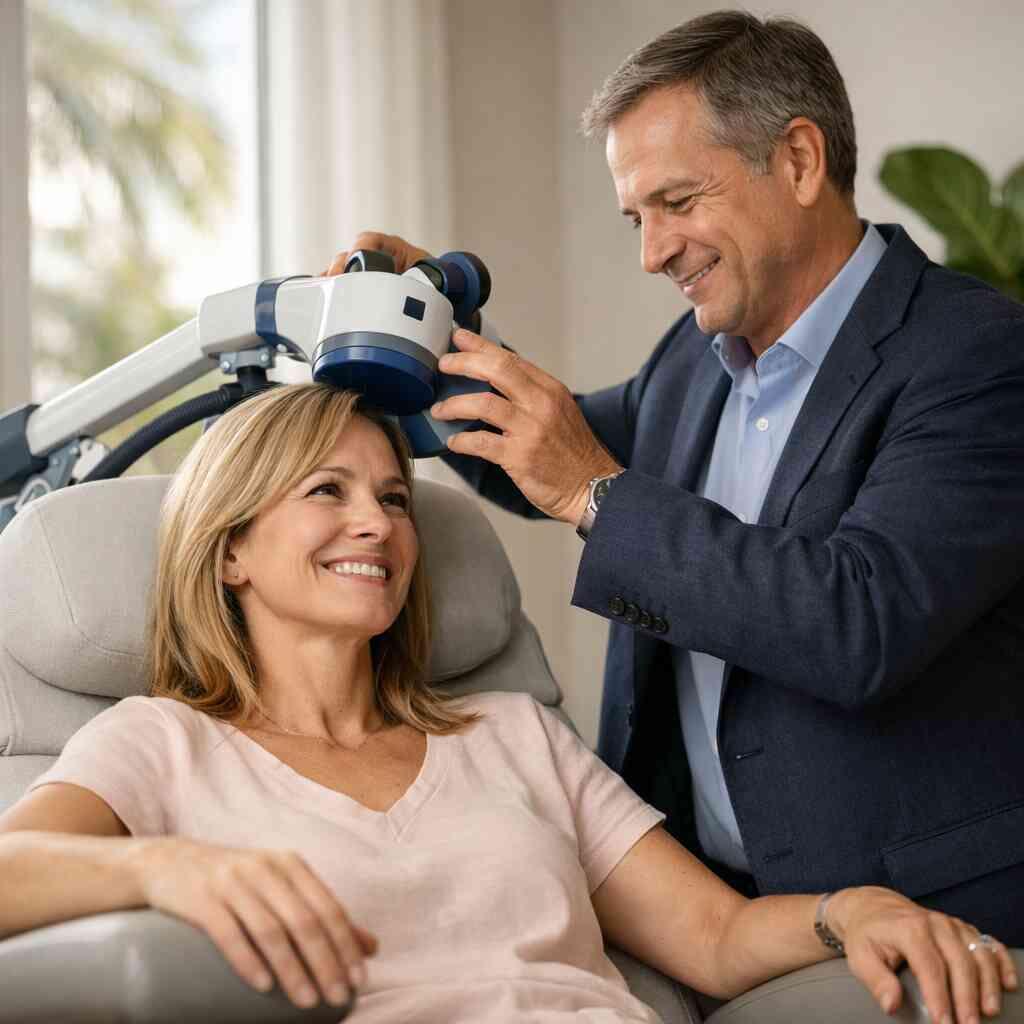
Why South Florida families keep asking whether TMS is the answer after meds stall out
If you are reading this while wondering why the fog still has not lifted, that frustration makes sense. Families call because the pills helped a little, then stopped. Or they helped mood, but left the body tired and the mind flat. That is often when people start looking at transcranial magnetic stimulation therapy as another path.
What it feels like when SSRIs flatten but never fully lift the fog
A lot of people describe the same pattern. The first medication takes the edge off, but the sadness stays. Sleep gets strange. Appetite shifts. Energy never really returns, and the person you know is still hard to reach.
Here is the part most families miss. Medication resistance does not always look dramatic. Sometimes it looks like partial relief that never becomes real living again. That is why TMS depression treatment Florida comes up so often after TMS after failed medications. People want something that does not add more daily pill burden.
On the projects and consult calls we see, the emotion is usually exhaustion. You may have tried one prescriber, then another, then another. That weariness is real. It is also why people ask about FDA approved depression treatment, non-drug depression treatment, and alternative depression treatment in the same breath.
Why family members start searching for TMS near me Florida after repeated setbacks
Family members usually notice the slide before the patient says it out loud. They see missed work. They see silence at dinner. They see the same prescriptions and the same disappointment. Then someone quietly searches TMS near me Florida after one too many setbacks.
That search usually leads to practical questions fast. Is there a best TMS clinic Florida nearby? What is the TMS therapy success rate? Are the TMS side effects safety discussions clear and honest? Those questions matter because hope alone does not build trust.
A young adult in Broward once told us they felt relieved just hearing a clinician explain the process without hype. No grand promises. No sales pitch. Just a clear explanation of what magnetic brain therapy can and cannot do. That kind of honesty matters when families are already tired.
How South Florida’s mix of working parents, college students, and older adults changes the care conversation
South Florida is not one patient population. It is working parents in traffic, college students in exam cycles, retirees balancing multiple doctors, and seasonal residents trying to coordinate care from afar. That mix changes everything. A good Florida mental health clinic has to adapt.
Some families want evening appointments. Others need help across counties because one parent lives near Aventura and another near Coral Gables. Some want a TMS clinic Miami option. Others are comparing TMS Fort Lauderdale, TMS West Palm Beach, TMS Orlando, and TMS Tampa because drive time matters when treatment happens repeatedly.
What we’ve seen in 2026 specifically is that convenience can decide follow-through. If a clinic is easy to reach, people keep going. If it feels too far, too confusing, or too rushed, they stop. That is why TMS South Florida access is more than a map issue. It is part of treatment success.
What actually separates a strong TMS clinic from a polished waiting room
A nice lobby does not equal good care. Bright art and a coffee machine do not tell you whether the team knows how to screen carefully, map precisely, and follow up well. The real difference shows up in how they talk to you. It shows up in the first five minutes.
How to spot a TMS psychiatrist Florida team that explains options in plain language
A strong TMS psychiatrist Florida team explains the why behind every step. They tell you what the device does, what the session feels like, and what the plan is if symptoms do not shift as expected. They do not hide behind jargon. They make room for your questions.
You want plain language about how does TMS work. You also want the team to discuss repetitive TMS, deep TMS therapy, and when each model may be considered. If the clinic cannot explain the difference without a script, keep looking. Good care should feel calm, not theatrical.
One parent in Palm Beach told us the most helpful part was hearing the clinician say, “We will screen first, then decide.” That sentence lowered the pressure. It also signaled that the clinic cared about fit, not just volume. For many families, that is the mark of a compassionate TMS clinic.
Why non invasive brain stimulation should always come with careful screening and follow up
Non-invasive brain stimulation sounds simple, but the evaluation cannot be casual. A clinic should review diagnosis, history, medications, seizure risk, and prior treatment response. It should also ask about sleep, substance use, and past manic symptoms. That is not extra. That is standard safety.
Careful screening matters because TMS is not a one-size-fits-all tool. It is often discussed for medication resistant depression, but the details matter. The clinician should tell you what data they will track, such as PHQ-9 or MADRS, and how often they will reassess. That creates accountability.
Follow-up matters just as much. A patient may start with hope and then hit a slow week. A strong clinic checks in, adjusts if needed, and documents progress clearly. That is what distinguishes a real treatment setting from a polished hallway.
What Florida families should ask about TMS insurance coverage Florida and TMS cost Florida before they commit
Money questions can feel awkward, but they should not. Ask directly about TMS insurance coverage Florida and does insurance cover TMS in Florida under your plan. Ask what the clinic verifies before treatment begins. Ask what is authorized and what is not. Those are responsible questions.
Also ask about TMS cost Florida if coverage is partial or denied. The clinic should explain the estimate in writing when possible. They should not guess. They should not pressure you into fast decisions. If you are comparing options, a clear cost conversation is part of respect.
For convenience, many families keep a simple checklist:
- Is insurance verified before scheduling?
- Is the diagnosis documented clearly?
- Are follow-up visits included in the plan?
- Does the clinic explain appeal support if needed?
- Are the fees written in plain language?
If a clinic dodges those questions, that tells you something.
How clinic location matters when you are comparing TMS clinic Miami, TMS Fort Lauderdale, TMS West Palm Beach, TMS Orlando, and TMS Tampa
Location matters more than people expect. South Florida traffic is not kind to repeat appointments. A clinic near your work, home, or school can be the difference between completion and dropout. That is why people compare TMS clinic Miami, TMS Fort Lauderdale, TMS West Palm Beach, TMS Orlando, and TMS Tampa with such care.
If you are considering TMS locations in South Florida and nearby Florida regions, think beyond the pin on the map. Think about parking, commute time, and whether the office fits your weekly rhythm. Families in Boca Raton or Delray Beach often weigh distance differently than someone in Winter Park. That is normal.
For South Florida residents, geography also intersects with seasonality. Some people split time between counties. Others travel for work. A clinic that understands those patterns can help you stay consistent instead of forcing your life to bend around treatment.
Which conditions TMS may fit when the family is weighing every option
TMS is not a cure-all, and good clinics say that up front. Still, it has a real place in care for several conditions. The key is matching the treatment to the problem, the history, and the person sitting in front of you. That is where thoughtful evaluation beats online noise.
Why TMS depression treatment Florida is often discussed after failed medications
TMS depression treatment Florida is most often discussed after several medications have not been enough. That is the classic scenario. The patient may have tried SSRIs, SNRIs, augmentation, and therapy, yet still feels stuck. In that setting, TMS can become a serious conversation. The evidence base is meaningful. The 2018 Stanford work often cited in clinic discussions, including research by Carpenter and colleagues, helped reinforce TMS as a legitimate option in treatment-resistant depression. Clinics also rely on broader professional guidance, including APA practice guidelines and the Clinical TMS Society consensus review. Those sources help keep the field grounded. 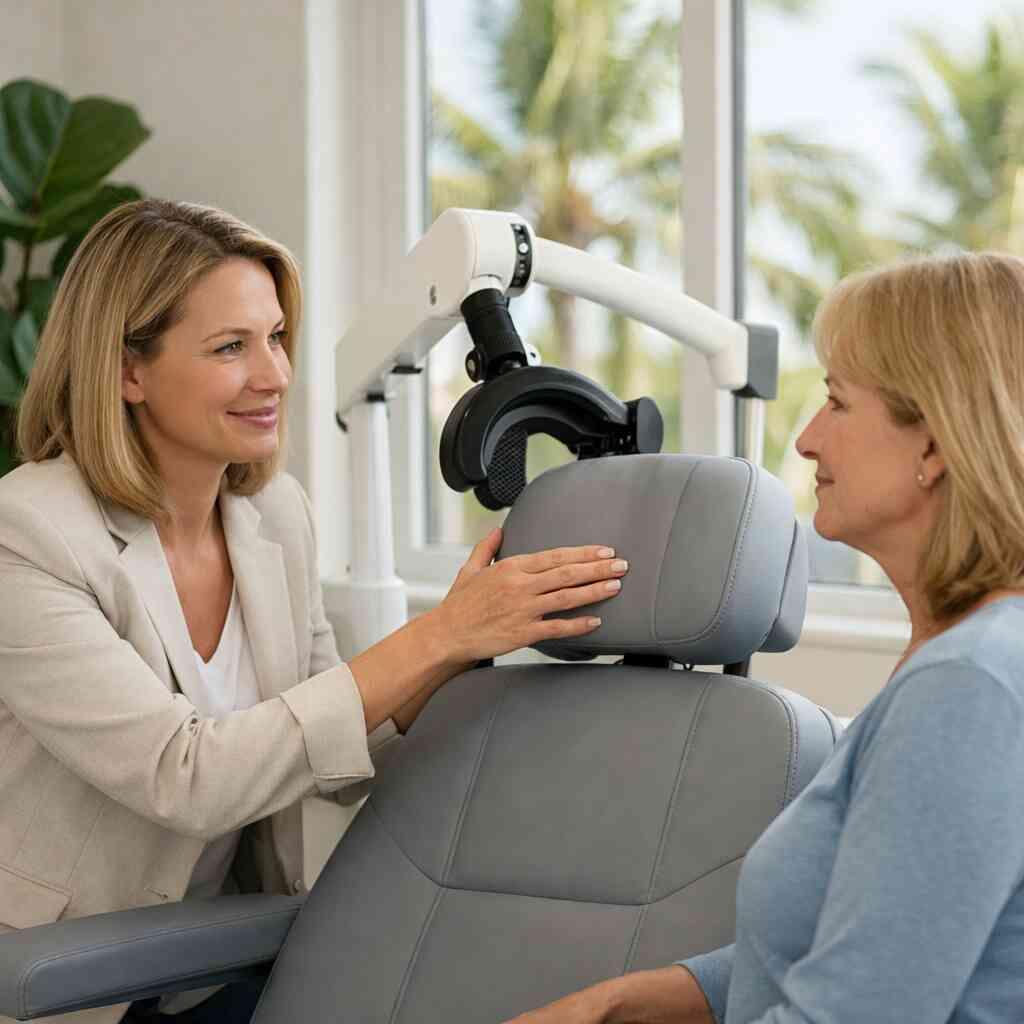
When outcomes are tracked, good teams use tools like PHQ-9 or MADRS. They do not just ask, “How do you feel?” They measure changes over time. That makes the discussion more honest and less emotional guesswork.
When TMS for anxiety or TMS OCD therapy may come into the picture
Families often ask about TMS for anxiety when worry has become constant and medication has not helped enough. They also ask about TMS OCD therapy when intrusive thoughts and compulsions take over daily life. These conversations require care. They should never become casual promises.
For anxiety, the evidence is more mixed than for depression, so a good clinic will say that clearly. For OCD, there is a growing clinical role for targeted protocols, and some patients benefit when standard therapy has not been enough. People usually want to know if this can work alongside counseling. Often, yes, but the plan should be individualized.
If you are comparing treatment paths, it helps to understand the difference between symptom reduction and full remission. They are not the same. A clinic that explains that difference is usually thinking about the long game, not just the consult.
How clinicians think about TMS for bipolar depression, TMS for PTSD Florida, and TMS maintenance therapy
TMS for bipolar depression deserves a careful screen because mood switching risk matters. That is why clinics should review history of mania or hypomania before treatment. TMS for PTSD Florida may also come up, especially when trauma symptoms overlap with depression and sleep problems. Again, the plan should be thoughtful and specific.
TMS maintenance therapy is another important discussion. Some people respond well and then need follow-up sessions later to help hold gains. That does not mean failure. It means the brain sometimes needs reinforcement, just like any other treatment plan that aims for stability.
Here is a simple comparison:
TopicWhat a careful clinic explainsWhat you should hearBipolar depressionScreening for manic historyClear safety discussionPTSDSymptom overlap and comorbidityRealistic expectationsMaintenanceFollow-up scheduling optionsA plan, not a guessThat kind of clarity is worth listening for.
Where TMS addiction recovery, TMS for substance use disorder, and alcohol addiction brain stimulation fit alongside dual diagnosis treatment Florida
Addiction care can be deeply personal and deeply complicated. TMS addiction recovery and TMS for substance use disorder are active areas of interest, especially when cravings and mood symptoms feed each other. Some clinics discuss alcohol addiction brain stimulation in the context of craving-reduction research, including studies from the Medical University of South Carolina and related work on rTMS. That research is growing, but it is not a magic answer.
The most responsible framing is this: TMS may be considered as part of broader dual diagnosis treatment Florida when depression, anxiety, and substance use overlap. It should sit alongside counseling, medical oversight, and recovery support. The SAMHSA TIP guidance for substance use disorders is still important here, because addiction care needs structure, safety, and long-term planning.
If you want a relevant care path, start with addiction treatment options. The goal is not to replace recovery work. The goal is to support it with evidence-informed tools.
What families should know about TMS for teen depression and TMS for young adults without overselling the science
Parents often ask about TMS for teen depression and TMS for young adults after years of watching a child struggle. That concern is tender and valid. It also deserves scientific honesty. A younger brain, a different schedule, and family involvement all change the care plan.
A good clinic will not oversell. It will discuss age-appropriate screening, school demands, and whether the young person can commit to sessions. It will also consider therapy, sleep, and medication history. TMS can be part of the picture, but it should never be framed as the only meaningful option.
The family question is usually simple, even if the science is not: “What gives this person the best chance to function again?” That is the right question. A good clinic will answer it with patience.
The decision that matters most after you compare clinics and services
Once you have compared clinics, the real decision is not about branding. It is about trust. Do they listen? Do they measure? Do they explain? Do they stay present after the first visit? Those are the markers that matter.
What a thoughtful evaluation looks like in a Florida mental health clinic from screening to mapping to follow up
A thoughtful evaluation starts before the first pulse. The clinic reviews diagnosis, medication history, and prior responses. It asks about safety, sleep, and any risk factors. Then it maps the treatment area and explains what each visit will feel like.
That process should feel orderly. It should never feel rushed. The clinician should tell you who reviews the plan, how data are tracked, and what follow-up looks like after the course ends. If they mention family-focused mental health care at a compassionate TMS clinic in Florida, listen closely to how they describe the team.
The best clinics build a rhythm. Screen. Map. Treat. Reassess. Repeat when needed. That simple structure protects you from guesswork.
Why side effects, safety, and long term results deserve a calm honest conversation instead of hype
Every treatment has tradeoffs. TMS is no exception. Common side effects can include scalp discomfort, headache, or fatigue. That does not mean it is dangerous. It means the clinic should speak plainly about TMS side effects safety and what to do if symptoms appear.
Families also ask about TMS long-term results. That is fair. The honest answer is that some people maintain gains well, while others need maintenance visits or additional support. No clinic should guarantee outcomes. Good care uses evidence, not promises. That is why TMS therapy success rate should always be discussed in context, not as a sales number.
If you want a useful reference point, ask the clinic to explain how they track improvement over time. Ask what they do if progress stalls. Ask how they define success. Those answers tell you more than a glossy brochure ever will.
How to use TMS reviews Florida, transcranial magnetic stimulation research, and local access in areas like Aventura, Coral Gables, Boca Raton, Delray Beach, and Winter Park to choose with confidence
TMS reviews Florida can help, but they should not be your only tool. Reviews reveal tone, communication, and scheduling consistency. They do not prove medical fit. Pair them with transcranial magnetic stimulation research and direct conversations with the clinic.
It also helps to think local. Aventura, Coral Gables, Boca Raton, Delray Beach, and Winter Park each have different access patterns and traffic realities. The clinic that fits your life is often the one you can actually reach. That matters more than polished words online. It matters for follow-through.
If you want a starting point, use our Florida clinic locations and compare them against your weekly routine. The right choice should feel practical, not perfect. Practical often wins.
When to ask about related care paths like TMS and EMDR combination, Florida behavioral health support, and the best way to request a consult through /locations/ or /about-us/
Some people benefit from layered care. That is where TMS and EMDR combination can come up, especially when trauma and depression overlap. Others need broader Florida behavioral health support around sleep, nutrition, family stress, and relapse prevention. Good clinics do not treat TMS as a silo. They treat it as one part of a smarter plan.
If you are comparing providers, ask how they coordinate with therapy and medical care. Ask how referrals work. Ask how fast you can get a consult. For many families, the simplest move is to check locations and then review the team at about us.
One patient in Boca Raton once said the best part was not the machine. It was the calm, the explanation, and the follow-up call after a rough week. That is the standard to look for. You do not have to solve everything today. Start with one call, ask the hard questions, and keep the conversation honest.
Frequently Asked Questions
Question: What makes TMS Treatment Florida a strong option for families searching for the best TMS clinic Florida in Best TMS Clinics in South Florida for Families in 2026?
Answer: Families usually want more than a polished office. They want a Florida mental health clinic that listens carefully, explains transcranial magnetic stimulation therapy in plain language, and builds a plan around the person in front of them. TMS Treatment Florida focuses on compassionate, non-invasive brain stimulation for people dealing with medication resistant depression, anxiety, OCD, and related concerns. The goal is to offer family-focused mental health care that feels respectful, calm, and easy to understand. A strong clinic should also talk openly about screening, follow-up, and whether TMS may be appropriate after TMS after failed medications. That kind of clarity is often what helps families feel confident taking the next step.
Question: How does TMS work, and what should South Florida families know before starting TMS depression treatment Florida?
Answer: TMS, or transcranial magnetic stimulation therapy, uses magnetic pulses to stimulate targeted areas of the brain involved in mood regulation. It is a form of non-invasive brain stimulation, so it does not require surgery or anesthesia. Families considering TMS depression treatment Florida should know that a good clinic will explain the process, review history carefully, and discuss whether repetitive TMS or deep TMS therapy may be considered. The team should also explain what each session feels like, what data may be tracked over time, and what realistic expectations look like. Because every case is different, TMS Treatment Florida avoids promising specific outcomes and instead emphasizes thoughtful evaluation, support, and evidence-informed care. That approach helps people make informed decisions without pressure.
Question: Does insurance cover TMS in Florida, and what should families ask about TMS cost Florida before scheduling?
Answer: Insurance coverage can vary by plan, so it is smart to ask early about TMS insurance coverage Florida and does insurance cover TMS in Florida. A responsible clinic should help verify benefits before treatment begins and explain what is authorized, what may require approval, and what costs could remain if coverage is partial or denied. Families should also ask for a clear written estimate when possible, especially if they are comparing options in TMS South Florida, TMS clinic Miami, TMS Fort Lauderdale, or TMS West Palm Beach. TMS Treatment Florida believes cost conversations should be direct and respectful, not confusing or rushed. If you are searching for a compassionate TMS clinic, transparency around TMS cost Florida is a key part of trust.
Question: Can TMS help with TMS for anxiety, TMS OCD therapy, TMS for PTSD Florida, or TMS for bipolar depression?
Answer: TMS is most established as an FDA approved depression treatment, but many families also ask about TMS for anxiety, TMS OCD therapy, TMS for PTSD Florida, and TMS for bipolar depression. These conversations should always be individualized. For anxiety, the evidence is more mixed than for depression, so a careful clinic will say that plainly. For OCD, targeted protocols may be considered when standard approaches have not been enough. For PTSD or bipolar depression, screening matters because symptoms can overlap and mood-switching risk may need review. TMS Treatment Florida approaches each case with caution, clear communication, and a focus on whether transcranial magnetic stimulation research supports the treatment path being considered. That kind of honesty helps families avoid hype and make more grounded decisions.
Question: Do you offer help for TMS addiction recovery, TMS for substance use disorder, and dual diagnosis treatment Florida?
Answer: Families dealing with both mood symptoms and substance use often need integrated support, not separate silos. TMS addiction recovery and TMS for substance use disorder may be discussed as part of a broader plan when depression, anxiety, cravings, or relapse risk overlap. In those situations, TMS may be considered alongside counseling, medical oversight, and addiction rehab Florida resources. Some clinics also discuss alcohol addiction brain stimulation or TMS for smoking cessation, but these should be framed carefully and never as guaranteed solutions. TMS Treatment Florida recognizes that dual diagnosis treatment Florida requires coordination, patience, and realistic expectations. The goal is to support overall recovery with evidence-informed care, not to replace the full recovery process.
Question: What should families compare when looking at TMS reviews Florida, TMS long-term results, and local options like TMS Orlando and TMS Tampa?
Answer: Reviews can be helpful, but they should not be the only factor. TMS reviews Florida may give you a sense of communication style, scheduling, and how supported people feel, but they do not replace a direct consultation. Families should also ask how a clinic tracks progress, how it discusses TMS long-term results, and whether it offers TMS maintenance therapy when appropriate. Location matters too, especially when comparing TMS Orlando, TMS Tampa, TMS clinic Miami, TMS Fort Lauderdale, and TMS West Palm Beach. A clinic that fits your commute and weekly routine is more likely to support consistency. TMS Treatment Florida encourages families to weigh practical access, clear communication, and thoughtful screening together, because the best choice is often the one that feels both medically sound and realistically manageable.


